Landscape urbanism is a theoretical and applied methodology that emphasizes the interconnection of ecological systems, hydrology, topography, and public space in urban development (Waldheim, 2006). It conceptualizes the city not…
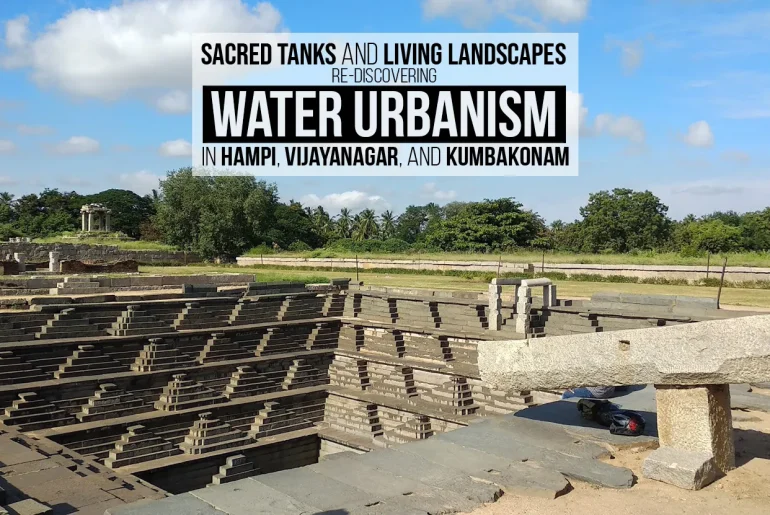


Landscape urbanism is a theoretical and applied methodology that emphasizes the interconnection of ecological systems, hydrology, topography, and public space in urban development (Waldheim, 2006). It conceptualizes the city not…

Over the last few decades, minimalist building design has achieved widespread acceptance, not just as an appearance, but as a philosophical, ecological, and experiential option. In this article, we examine…

Sustainability has emerged as the most central paradigm in modern architectural practice, with certifications and eco-labels taking their place as markers of eco-responsibility. But the spread of these systems has…

Ai Weiwei is one of the most influential figures in contemporary art and architecture, known for blending aesthetics with political critique, cultural commentary, and human rights activism. His most recent…

Sufism, the Islamic mysticism, has deeply influenced art, culture, and architecture in territories stretching from Persia and Central Asia to India, Turkey, and North Africa. Sufism is more than a…
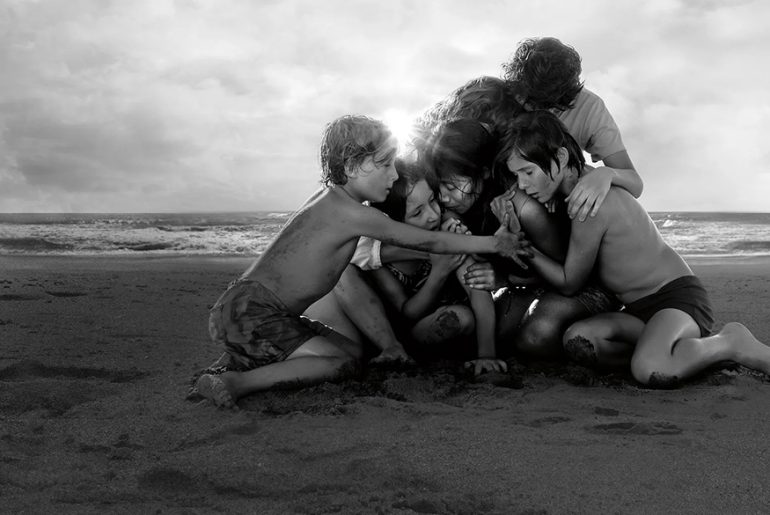
Alfonso Cuarón’s Roma (2018) is universally regarded as a film classic, not merely for its narrative and emotional complexity but also its scrupulous attention to space, setting, and architecture. Staged…

The city experience is a multisensory affair that progresses in layers—visual, aural, tactual, gustatory, and olfactory. For most of the contemporary urban design debate, however, the focus has been persistently…

Future design is not just about forecast aesthetics or technical innovation—it is inextricably about people, place, and involvement. As the world’s societies struggle with sophisticated, changing challenges—urban sprawl, climate uncertainty,…

Architecture is an active record of the human past. Architectural styles reflect not only aesthetic choices but also technological advancements, philosophical doctrines, social structures, and climatic adaptations. Each period of…

Water has long functioned both as a functional and symbolic axis for urban growth throughout the globe. In India, where tradition and environment have been inextricably bound, features of water…

The National Art Centre, Tokyo: A Spatial Manifesto of Cultural Flexibility and Visionary Architecture The National Art Centre, Tokyo (NACT), is an unusual model of a publicly funded cultural centre…

Through the complex interface of craft, climate, and culture, this article addresses the role of sustainable architecture with a focus on cultural sustainability. The article examines how local materials and…