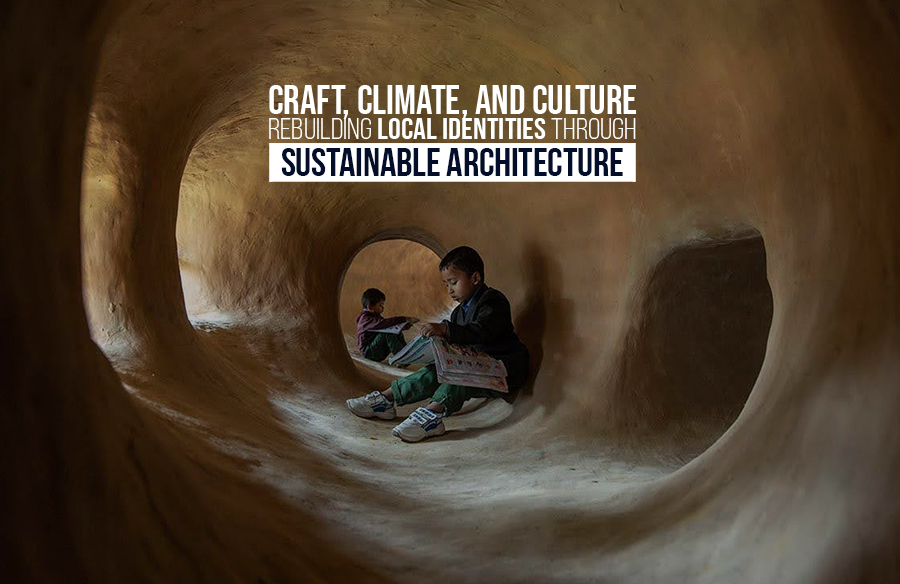
Through the complex interface of craft, climate, and culture, this article addresses the role of sustainable architecture with a focus on cultural sustainability. The article examines how local materials and indigenous crafts not only sustain the environment but also maintain cultural continuity. Through the re-examination of traditional building practices and their incorporation into modern design, architects can create more robust and identity-based built environments. The article uses international and Indian experiences, those of Laurie Baker, B.V. Doshi, and other vernacular traditions, to illustrate how cultural sustainability can be used as a prime strategy in contemporary sustainable architecture.
Keywords: cultural sustainability, sustainable architecture, local materials, indigenous crafts, climate-responsive design, vernacular architecture, identity
Introduction
Amid unprecedented globalisation and urban growth, architecture is experiencing an acute identity crisis. The global homogenisation of built environments has lost regional distinctiveness, reducing the environmental and cultural specificity of locations. This article suggests that cultural sustainability in architecture—obtained by employing local crafts, materials, and climate-responsive technologies—provides a crucial solution to this issue. In addition to environmental gain, sustainable architecture can be an instrument to reclaim and preserve local identities, customs, and community solidarity (Rapoport, 1982).
Defining Cultural Sustainability in Architecture
Cultural sustainability is the conservation and perpetuation of cultural values, customs, and practices by means of adaptive and resilient systems (Soini & Dessein, 2016). In architecture, it means bringing together local building traditions, skills, and knowledge systems with contemporary demands and technology to maintain continuity in identity and social structure. Different from the emphatic concern with carbon footprints and energy savings, cultural sustainability is a holistic understanding that includes the sociocultural aspects of sustainability.
The Place of Craft in Architecture
Craft is the embodiment of community wisdom, work, and beauty. Material knowledge, building techniques, and symbolic meanings particular to communities are covered under traditional crafts. Crafts in architecture provide multiple layers of meaning and authenticity, such as in Bengal’s terracotta facades or Himachal Pradesh’s wood carving culture. Through the participation of local craftsmen in architectural activities, buildings turn into living manifestations of community pride and knowledge (Vellinga, 2013).
For example, Laurie Baker’s buildings in Kerala illustrate the promise of craft integration at the local level. In employing rat-trap bond brickwork, filler slabs, and exposed masonry, he set new paradigms in low-cost construction that were not just ecologically effective but also culturally rooted (Kennedy, 2004).
Climate-Responsive Design and Indigenous Knowledge
Before the introduction of air conditioning and contemporary insulation, buildings responded to the climate. Traditional building forms across the globe, like the Bhunga houses of Kutch or the mud houses of Sudan, demonstrate sophisticated passive design methods. These methods, developed from centuries of climatic response, are necessary for environmental and cultural sustainability (Oliver, 2003).

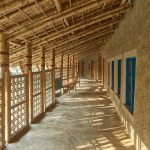
For instance, in hot-arid regions of Rajasthan, courtyards, thick walls, and Jaalis (latticed screens) are used, which are exemplary of climate-responsive design. Not only do these minimise heat gain, but they also reflect social behaviour patterns of privacy, social interaction, and aesthetics.
Local Materials: The Root of Sustainable Practice
Local materials are sustainable by their very nature because of lower transportation costs and low embodied energy. More significantly, however, they are rooted in local culture and aesthetic sensibilities. Mud, bamboo, lime, laterite stone, and thatch are not only materials but also cultural signifiers (May 2006).
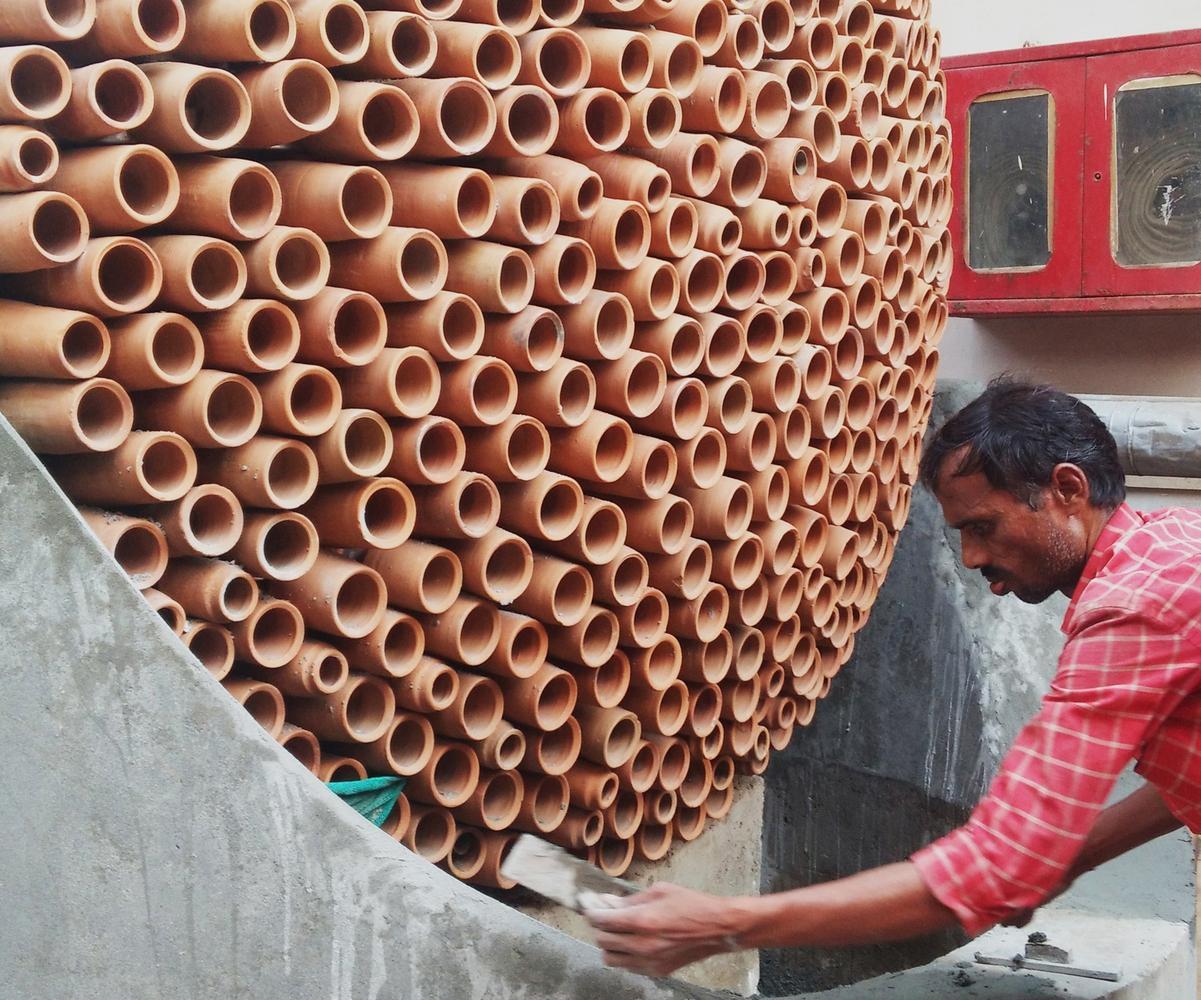
The reuse of such materials can be seen in today’s sustainable developments. The Auroville Earth Institute, for instance, has developed compressed stabilised earth blocks (CSEB), a technologically advanced version of ancient mud construction. Not only do these techniques reduce emissions, but they also revive local building cultures.
Architecture and the Continuity of Culture
Architecture is a cultural artefact. It is something that remembers, identifies, and ritualises. When globalised styles displace local architectural languages, communities lose part of their identity. Cultural sustainability pushes back against this loss by establishing continuity in the built environment. It challenges designers to grasp the symbolic and pragmatic aspects of space (Rapoport, 1982).
An example is B.V. Doshi’s Aranya Housing in Indore, which combines modularity with user-driven growth. Though modern in its planning, the project allows personalisation and reflects local ways of living, illustrating a sensitive approach to socio-cultural continuity.
Case Studies in Cultural Sustainability
7.1 Laurie Baker (India)
Baker’s architecture integrated traditional Kerala forms with innovative low-cost materials. His Trivandrum projects reveal a deep engagement with climate, community, and craft.
7.2 Sangath Studio by B.V. Doshi
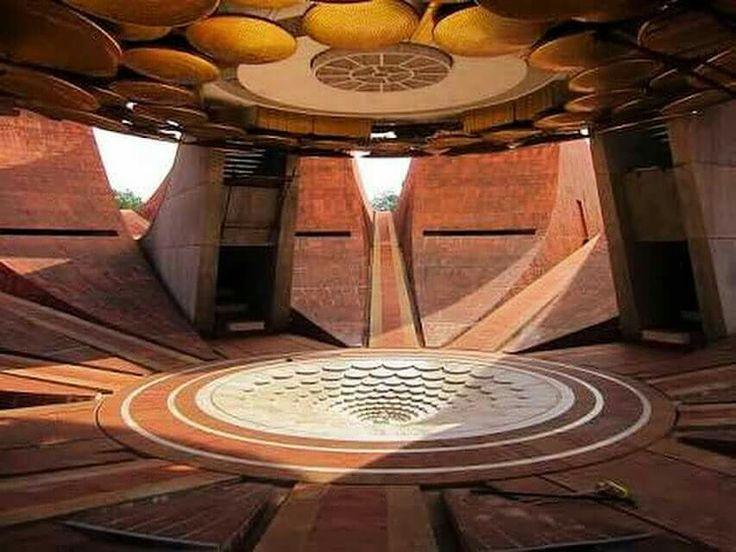
The application of vaults, sunken seating, mosaic tiling, and landscape incorporation at Sangath is evidence of Indian architectural idioms reinterpreted in contemporary vocabulary (Lang, 2002).
7.3 Hassan Fathy (Egypt)
Fathy employed mud bricks and the local workforce to construct low-cost housing based on Nubian traditions in New Gourna. Despite the setbacks that occurred during the project, it is still a reference point in cultural sustainability (Fathy, 1986).
7.4 Indigenous Communities in Northeast India
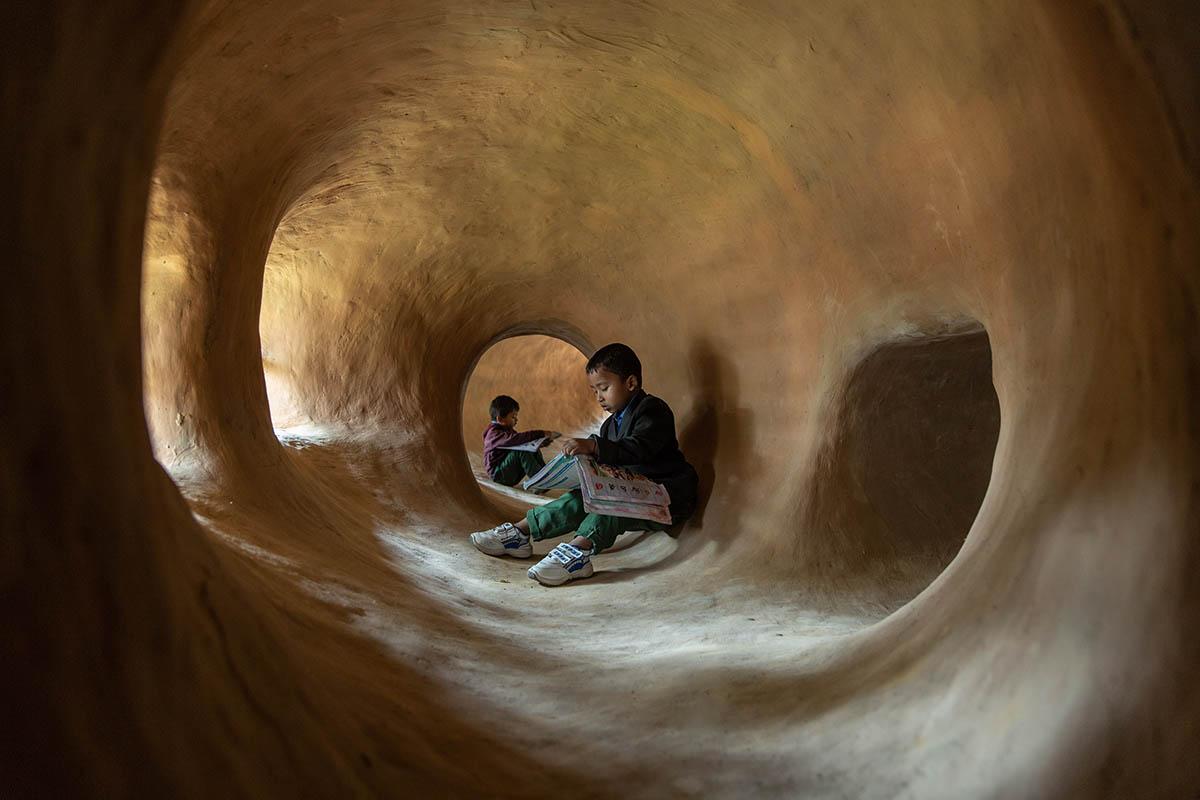
Employment of cane and bamboo for the construction of homes and community halls demonstrates resourcefulness and a close connection with nature. Their reinterpretation in modern school buildings and tourist resorts is rejuvenating cultural heritage (Jain, 2012).
Challenges in Implementing Cultural Sustainability
Despite its potential, cultural sustainability is threatened by numerous challenges:
- Loss of Skills: Urbanisation has caused conventional skills to dwindle.
- Policy Gaps: Most urban policies support modern materials and standardised designs.
- Cost Misconceptions: Sustainable and culturally adapted design tends to be perceived as being costly.
- Market Pressures: Faster, more uniform construction is preferable to developers.
Strategies for Encouraging Cultural Sustainability
To address these challenges, the following strategies are crucial:
- Education and Awareness: Incorporating vernacular studies in architectural education.
- Policy Support: Incentives towards the use of local materials and traditional crafts.
- Collaboration: Fostering collaboration between architects and local artisans.
- Documentation: Archiving traditional knowledge to enable future adaptation.
The Future of Sustainable Architecture: A Cultural Perspective
Sustainability is not merely about metrics and materials; it is about meaning. As climate crises deepen and cultural homogenisation widens, architecture must play a more ethical role. Cultural sustainability is not utopian romanticism but a proactive approach that enables resilience, dignity, and identity.
Architects will need to become facilitators of cultural conversation, collaborating with communities in designing spaces that tell them who they are and what matters most to them. This process is how architecture will be made sustainable.
Craft, climate, and culture constitute the three strands of culturally sustainable architecture. Through reconnection with local materials, indigenous crafts, and knowledge systems, architects can rebuild and reimagine an identity that is resilient, relevant, and regenerative. Cultural sustainability must not be an afterthought as we go into the future, but the essence of all architectural practice.
References:
Fathy, H. (1986). Architecture for the poor: An experiment in rural Egypt. University of Chicago Press.
Jain, K. (2012). Architecture in India: Contemporary practices & local traditions. Mapin Publishing.
Kennedy, J. (2004). Building without borders: Sustainable construction for the global village. New Society Publishers.
Lang, J. (2002). A concise history of modern architecture in India. Permanent Black.
May, J. (2006). The vernacular house in the twenty-first century. In Vellinga, P., Oliver, P., & Bridgewater, A. (Eds.), Atlas of vernacular architecture of the world. Routledge.
Oliver, P. (2003). Dwellings: The vernacular house worldwide. Phaidon Press.
Rapoport, A. (1982). The meaning of the built environment: A nonverbal communication approach. University of Arizona Press.
Soini, K., & Dessein, J. (2016). Culture-sustainability relation: Towards a conceptual framework. Sustainability, 8(2), 167. https://doi.org/10.3390/su8020167
Vellinga, M. (2013). Crafting tradition: The architecture of handicraft production. Routledge.
Gattupalli, A. (2024, July 23). Crafts against Climate Change: Eco-materials from India. ArchDaily. https://www.archdaily.com/987512/crafts-against-climate-change-eco-materials-from-india
Contents, W. (2020, October 27). Anna Heringer’s Anandaloy in rural Bangladesh wins the 2020 Obel Award. World Architecture Community. https://worldarchitecture.org/architecture-news/egpgf/anna-heringer-s-
Kaarwan, T. (n.d.). Blending tradition and innovation in sustainable architecture. Kaarwan Blogs. https://www.kaarwan.com/blog/architecture/cultural-context-in-sustainable-architecture-tradition-with-innovation?id=1186