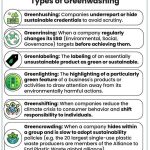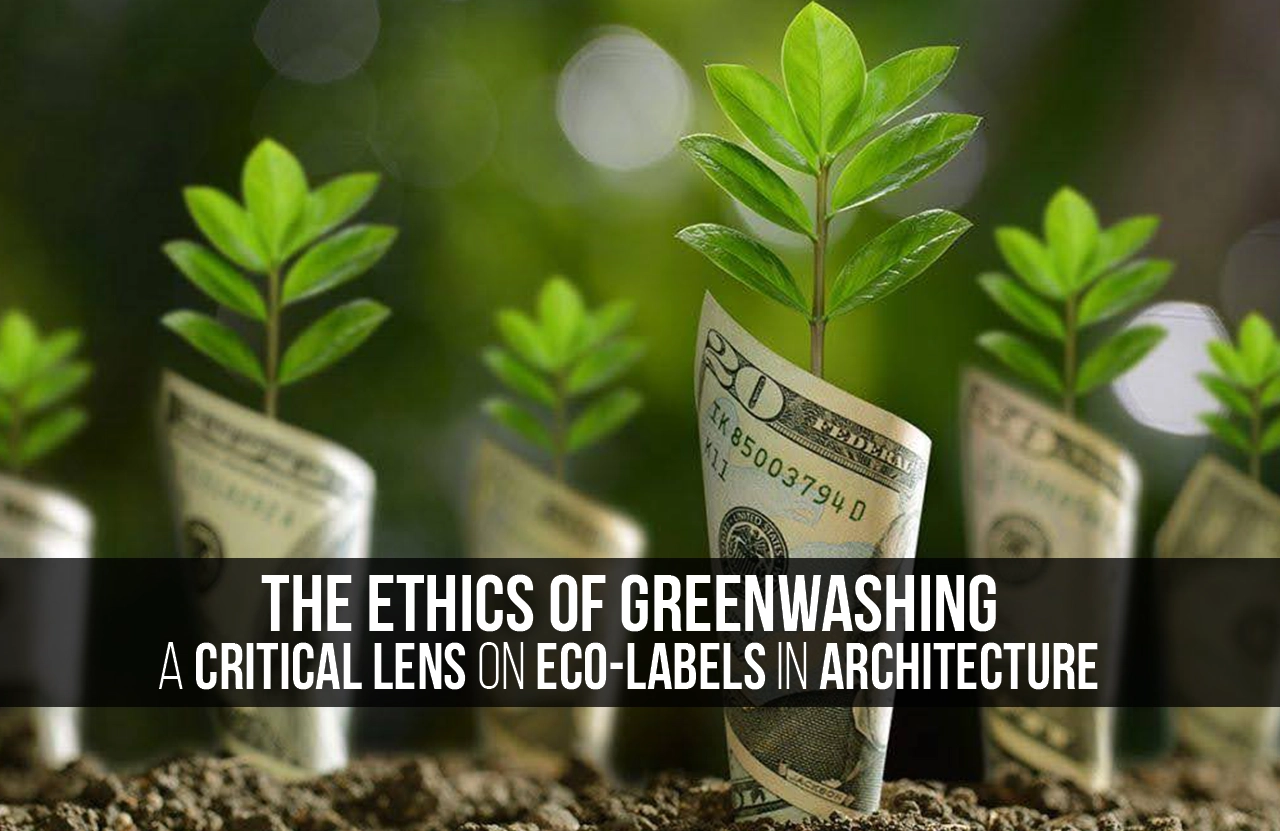
Sustainability has emerged as the most central paradigm in modern architectural practice, with certifications and eco-labels taking their place as markers of eco-responsibility. But the spread of these systems has also created an attendant concern: the ubiquity of greenwashing. Greenwashing, in the broadest definition, is the practice of giving a false impression or making misleading statements about how environmentally friendly a product, service, or practice is (Delmas & Burbano, 2011). In architecture, the stakes are particularly high, considering that the built environment has such a significant impact on global carbon emissions, resource use, and long-term cultural and social well-being. Labels like BREEAM, LEED, GRIHA, and WELL tend to profess validation of sustainable performance but are open to the charge of a lack of ethical legitimacy.
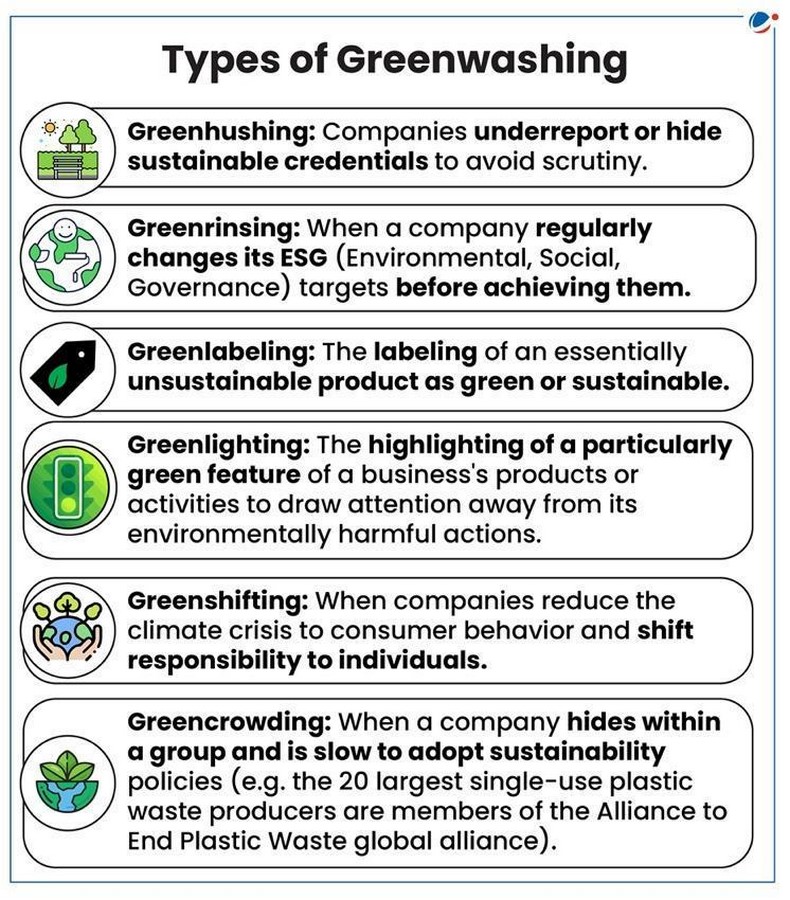
This paper critically reviews the ethics of greenwashing in architecture in terms of eco-labelling. It raises the question of whether these certifications truly represent sustainability or are simply branding and marketing tools. Through discussing the conceptual paradigms of greenwashing, the measurement mechanics of eco-labels, and the socio-cultural implications, the argument seeks to uncover the ethical contradictions that underpin current sustainable design discourse.
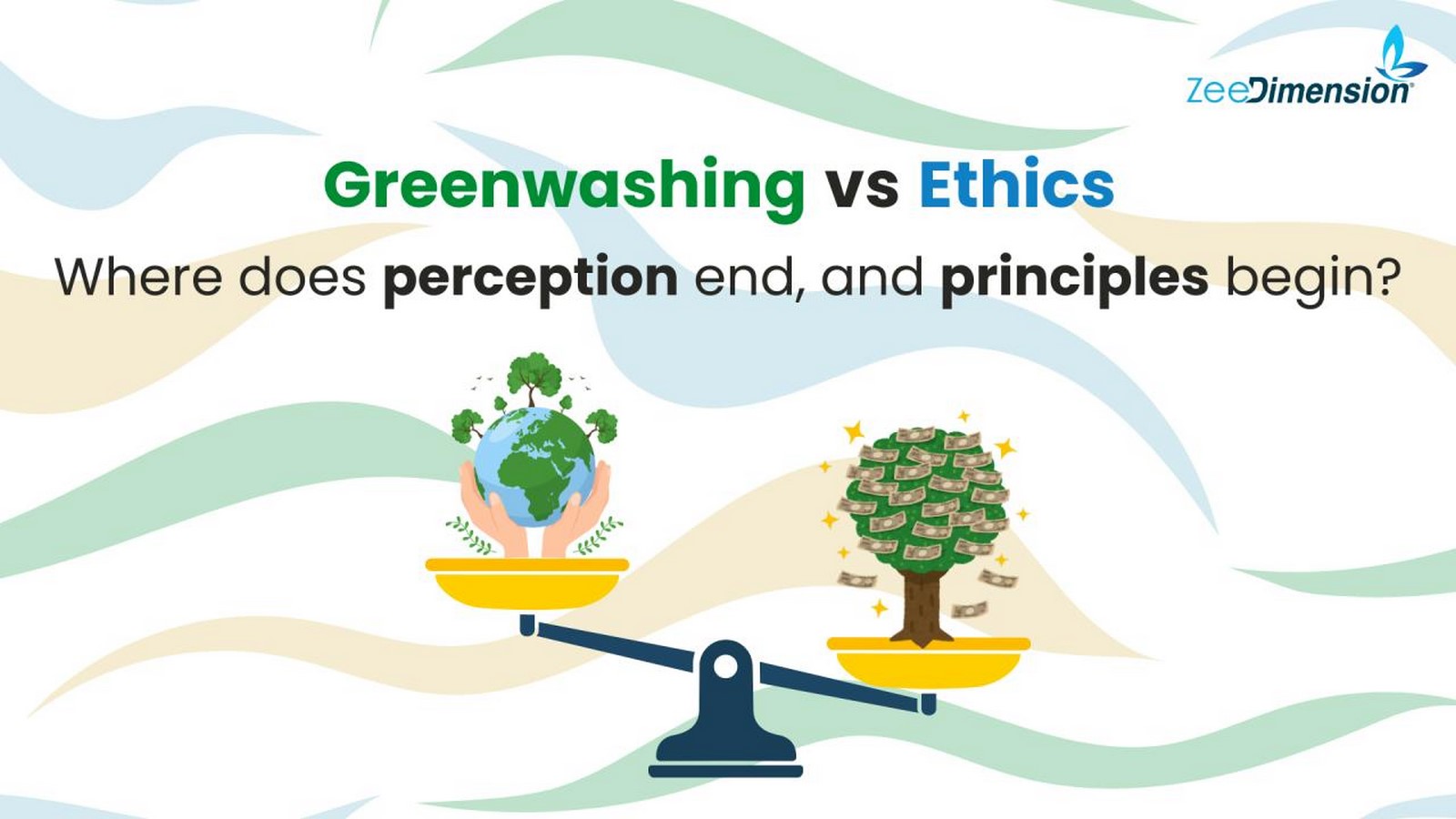
Conceptual Framework: Greenwashing and Ethics
- Origins of Greenwashing
The word greenwashing was first coined during the late 1980s to refer to false environmental claims by companies (Lyon & Montgomery, 2015). With the increasing alarm over climate change, sustainability has evolved to become a strong marketing tool, with companies often engaging in superficial or overstated assertions. In the building industry, greenwashing occurs when developers or architects trumpet certifications, green features, or environmental technologies but fail to mention the wider lifecycle effects or social ramifications of their projects.
- Ethical Perspectives
Ethics offers the framework needed to question greenwashing. On a deontological view, the practice of subtly lying about environmental effects violates professional obligation and public confidence. Consequentialist ethics highlight consequences: deceptive certifications lead to ongoing ecological damage in spite of claims of sustainability. Virtue ethics emphasises the function of professional integrity, requesting architects and developers to behave in accord with ethical values of honesty, responsibility, and care for the environment (Kortetmäki & Oksanen, 2020). Therefore, greenwashing in architecture is not just a technical or regulatory problem but also a deep ethical challenge.
Eco-Labels in Architecture
- Evolution and Purpose
Eco-label schemes have become more advanced to promote environmental sustainability in the construction sector. LEED, created by the U.S. Green Building Council in 1994, is among the most widely recognised marks globally, whereas BREEAM in the UK, since its launch in 1990, is the oldest of such kind. India has created GRIHA (Green Rating for Integrated Habitat Assessment) as a local response, while WELL Certification focuses on health and well-being in buildings (Cole, 2005; Rawal, 2012).
These guidelines rate buildings on designated criteria, including energy, water consumption, materials, and indoor air quality. They aim to produce quantifiable targets for sustainability while encouraging innovation.
- Critiques
Although popular, eco-labels have been accused of being reductionist, point-based, which favours the easily quantifiable over overall sustainability, allowing for a “tick-box” system (Schweber, 2013). In a scenario, a building will attain high certification for having installed efficient lighting but disregarding embodied carbon in the building materials. This mismatch between certification metrics and real performance is the basis of the ethical objections against eco-labels.
The Ethics of Greenwashing
- Ethical Dilemmas
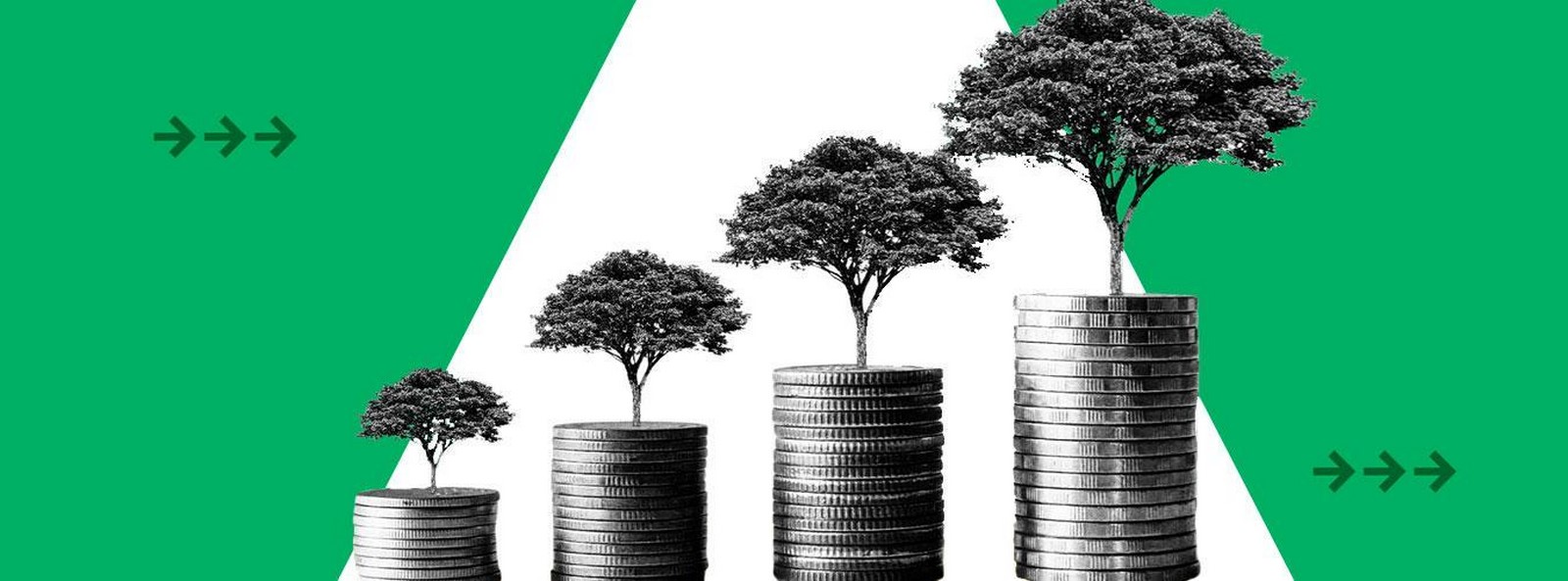
Eco-labelling systems have the potential to inadvertently legitimise greenwashing by rewarding shallow sustainability gestures. For example, developers tend to promote certification plaques as proof of ecological stewardship, without regard to long-term operational performance (Fernando et al., 2014). These practices mislead stakeholders—clients, occupants, and the public—by implying environmental stewardship where it might not exist. The ethical problem is not just misrepresentation but also commodification of sustainability, breaking down sophisticated environmental problems into salable symbols.
- The Politics of Sustainability
Eco-labels also have concerns with equity and access. Certification is resource-intensive, benefiting large corporations and developers while excluding smaller practices and low-cost housing projects (Cole, 2012). This reaffirms a system where “green” is a luxury for the few instead of a commonality essential for all, defeating the moral aim of equitable sustainability.
Critical Lens on Eco-Labels
- Gaps Between Certification and Reality
Numerous studies highlight discrepancies between certified performance and actual outcomes. Post-occupancy evaluations often reveal higher-than-expected energy use, despite eco-label recognition (Newsham et al., 2009). These performance gaps not only undermine the credibility of certifications but also perpetuate systemic greenwashing within the industry.
- Tick-Box Sustainability
Eco-certifications commonly take up checklist approaches, allowing developers to “game the system” by gaining points under low-impact categories while ignoring greater sustainability objectives (Schweber, 2013). The moral problem in this case involves prioritising appearances over genuine environmental responsibility.
- Political Economy of Eco-Labels
Eco-certifications exist in a commercial environment. Fees are paid by certification organisations to frame sustainability as a commodity. This commodification poses questions of impartiality and answerability: are green-labelled products really promoting sustainability, or are they money-making ventures capitalising on environmental issues? (Gauthier & Wooldridge, 2012).
Impacts on Architecture and Society
- Client and User Trust
If eco-labels do not yield anticipated results, then trust among architects, clients, and society is lost. Misrepresentation harms the integrity of both professionals and the profession of architecture itself (Ahn et al., 2016).
- Social Equity Concerns
Eco-labels tend to focus on technological solutions while overlooking cultural and socio-economic aspects. Where, for example, in India, globalised rating systems may overlook local building traditions that are themselves sustainable, thus inappropriately imposing standards (Sharma, 2018). This poses ethical concerns about cultural homogenisation and the imposition of Western-centric sustainability models.
- Professional Accountability
Architects, as moral actors, have an obligation greater than compliance. Excessive dependence on certifications threatens to turn professional judgment into external validation regimes, marginalising the architect as a steward of sustainability.
Towards Ethical Sustainability
- Reimagining Eco-Labelling Frameworks
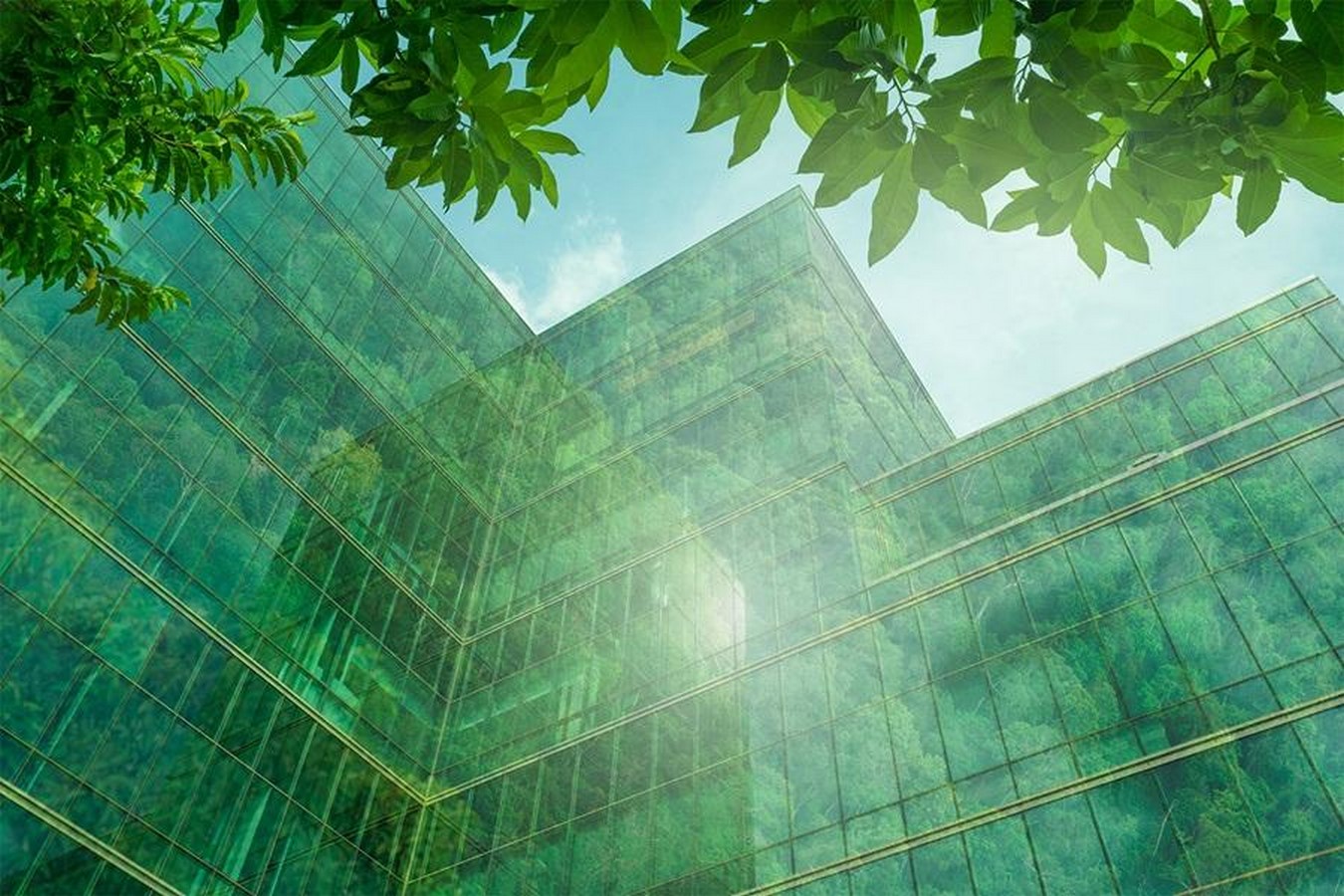
To address greenwashing, eco-labels need to change from prescriptive checklists towards performance-based systems that assess real, long-term effects. This necessitates thorough post-occupancy analyses and open reporting channels (Zimmerman & Martin, 2001).
- Community-Centric Approaches
Socio-cultural contexts should be taken into account by ethically justifiable sustainability. Participation-based processes in certification schemes can assure that the eco-labels suit local traditions, needs, and environmental conditions.
- Transparency and Accountability
Certification agencies should employ transparent methods and make financial arrangements transparent to avoid conflicts of interest. Independent auditing, peer review, and open-access publication can recover public trust (Fernando et al., 2014).
- Linking to Global Goals
Conjoining eco-labels with the United Nations Sustainable Development Goals (SDGs) may expand sustainability beyond environmental measures to encompass social equity, resilience, and cultural protection.
Case Studies
- Good Case: Bullitt Centre, Seattle
Bullitt Centre, which is commonly referred to as the “greenest commercial building in the world,” surpasses certification requirements with net-zero energy and water systems. In contrast to projects that only seek eco-label points, it is performance-driven sustainability (Cole, 2012).
- Negative Example: LEED-Certified but Underperforming Buildings
Some studies have pointed out that most LEED-certified buildings use higher energy levels compared to non-certified equivalents (Newsham et al., 2009). Discrepancies in this regard present the ethical pitfalls of adopting certification as the sole evidence of environmental credibility.

Eco-labels in architecture were created as tools to promote sustainable practices, but their widespread use has also facilitated greenwashing. By commodifying sustainability into marketable symbols, such certifications threaten to undermine both environmental and ethical goals. Greenwashing ethics push architects, policymakers, and certifiers to rethink eco-labels no longer as a signpost in themselves but as a means within an overall agenda of duty, honesty, and responsibility. Ethical sustainability in architecture in the future will need to incorporate clear, performance-based evaluations, contextual awareness, and social engagement. Then and only then can eco-labels achieve their initial function: to bring the built environment toward a truly sustainable future.
References:
Ahn, Y. H., Pearce, A. R., Wang, Y., & Wang, G. (2016). Drivers and barriers of sustainable design and construction: The perception of green building experience. International Journal of Sustainable Building Technology and Urban Development, 7(1), 12–24. https://doi.org/10.1080/2093761X.2016.1139518
Cole, R. J. (2005). Building environmental assessment methods: Redefining intentions and roles. Building Research & Information, 33(5), 455–467. https://doi.org/10.1080/09613210500219063
Cole, R. J. (2012). Transitioning from green to regenerative design.
Villarreal, R. (2025, June 9). What your business needs to know about greenwashing in advertising. Sprout Video. https://sproutvideo.com/blog/what-your-business-needs-to-know-about-greenwashing-in-advertising.html
United Nations. (n.d.). Greenwashing – the deceptive tactics behind environmental claims | United Nations. https://www.un.org/en/climatechange/science/climate-issues/greenwashing
The impact of greenwashing and social washing on brands. (n.d.). https://www.kantar.com/inspiration/sustainability/the-impact-of-greenwashing-and-social-washing-on-brands
Zee Dimension. (2024, November 28). Greenwashing vs Ethics: Where Does Perception End, and Principles Begin? https://www.linkedin.com/pulse/greenwashing-vs-ethics-where-does-perception-end-principles-s8bpf/
Team, V. I. E. (2024, April 5). GREENWASHING. Current Affairs | Vision IAS. https://visionias.in/current-affairs/monthly-magazine/2024-03-15/environment/greenwashing