Overview of Adriaen Brouwer
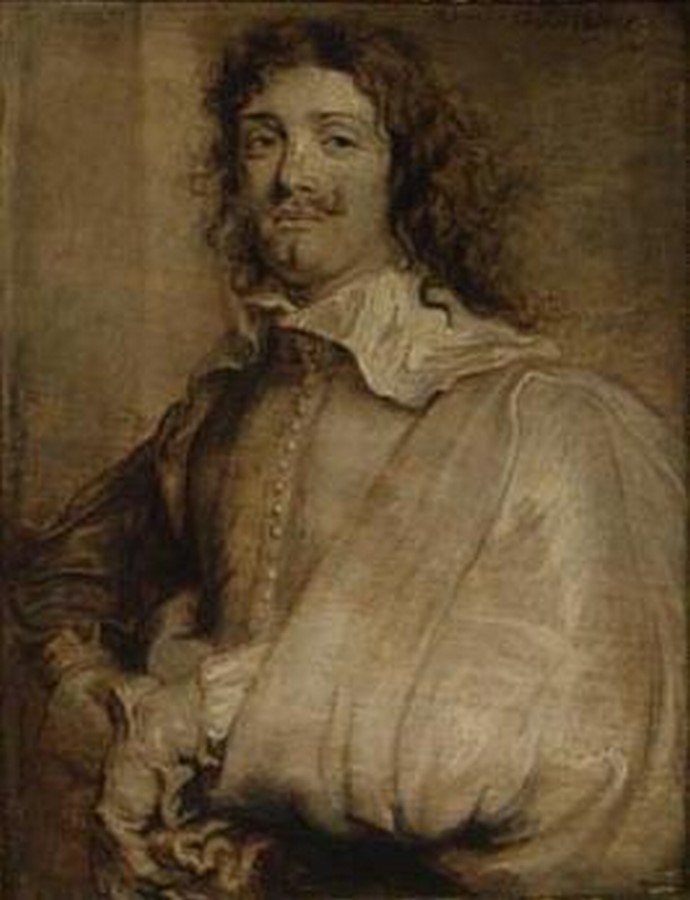
Adriaen Brouwer (1605/06–1638) was a Flemish genre painter and draftsperson whose work left a lasting impact on artists in both Flanders and Holland. Born in Oudenaarde, he is said by his biographer Arnold Houbraken to have studied under Frans Hals in Haarlem around 1621, although his style bears little resemblance to Hals’s, leading others to suggest that he may have trained with his father instead. Brouwer built a strong reputation in Holland before returning to the Southern Netherlands in 1631, where he was briefly imprisoned by the Spanish on suspicion of espionage. After his release in 1633, he settled in Antwerp, where he spent the final years of his short life.
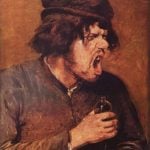
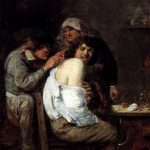
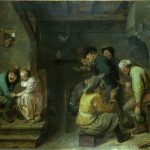
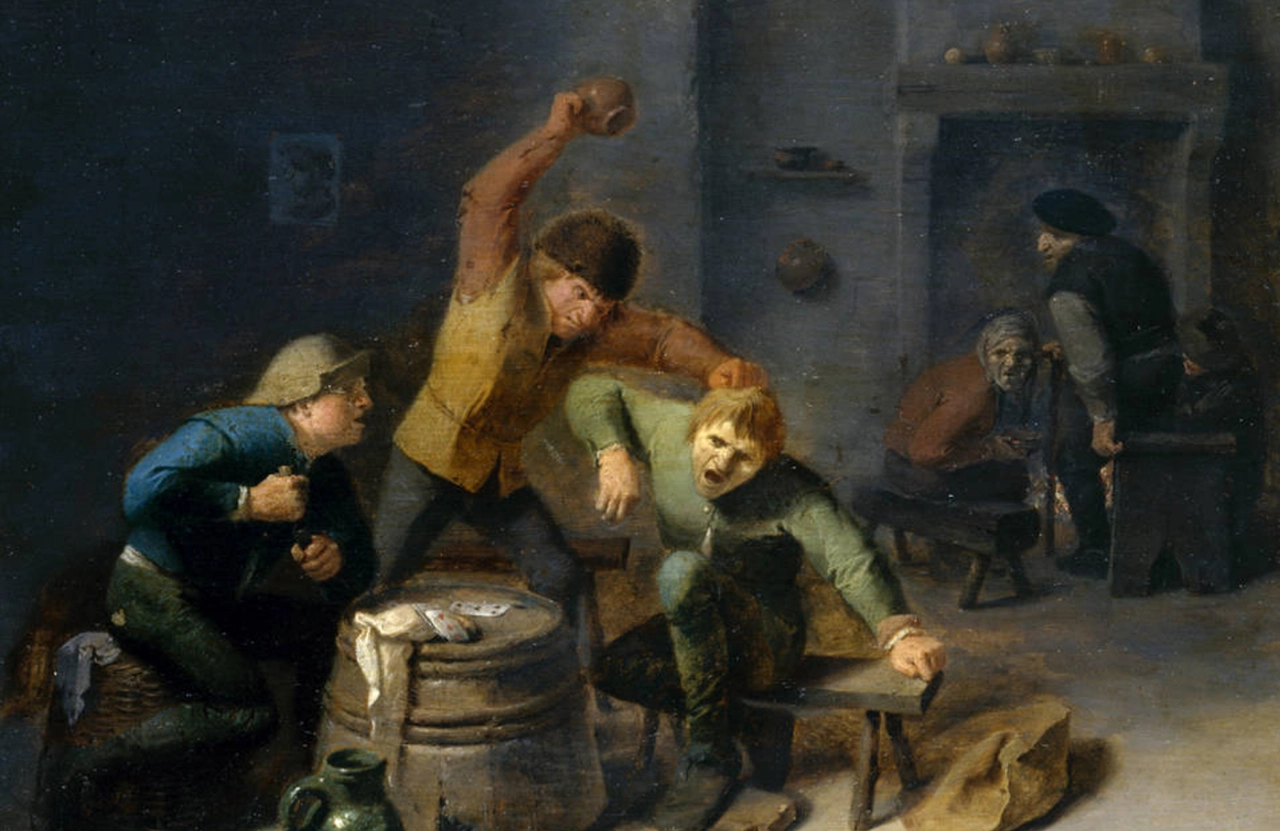
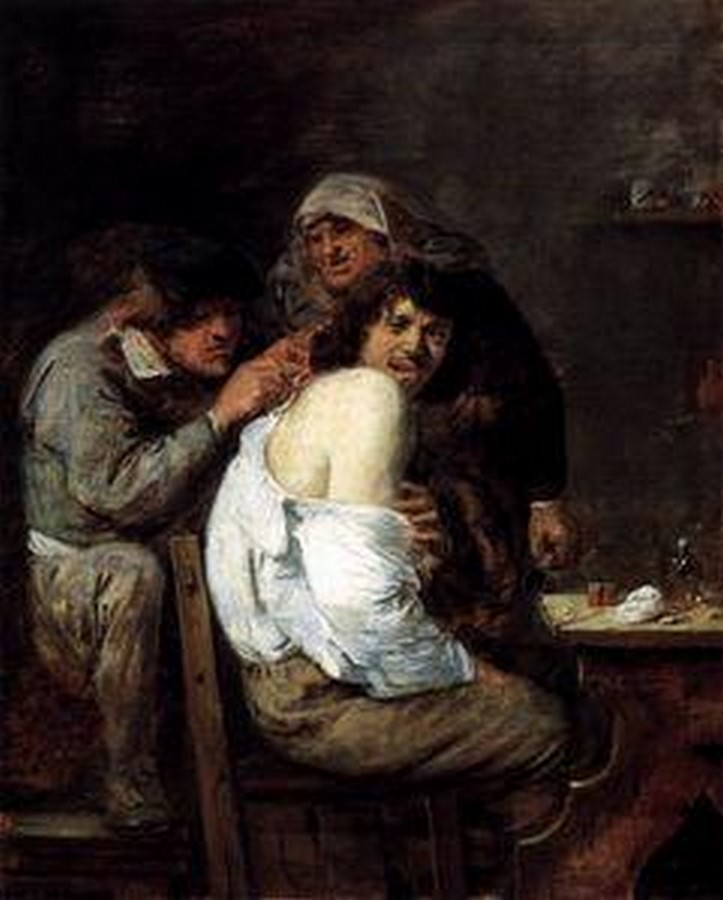
Unlike many of his contemporaries who pursued historical or religious themes, Brouwer turned his attention entirely to everyday scenes. His paintings depict peasants drinking, smoking, brawling in taverns, or wincing under the crude hands of quack surgeons. While his subjects often appear coarse, his refined technique, especially his subtle command of tonal values, lends these small panel works to a remarkable depth and sensitivity. In balancing rough subject matter with delicate execution, Brouwer created a body of work that remains both distinctive and influential in 17th-century art.
Career – Philosophy of Adriaen Brouwer
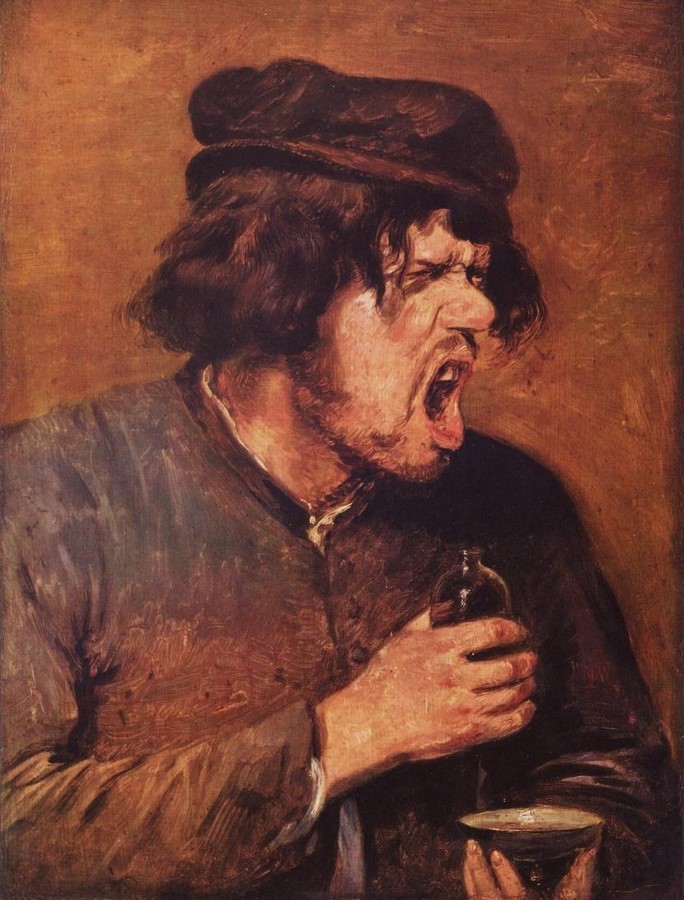
So, understanding an artist’s philosophy comes with understanding how Adrianne was shaped as an individual, surrounded by all economic, political, and social boundaries. Brouwer was part of the Chamber of Rhetoric ‘De Wijngaertranken’ in Haarlem, a small group of people forming a circle whose motto was “In Love Above All Else.” While other contemporary artists chose religion, politics, or war as their themes for art, Adriaen and his friends went to the local tavern bar and focused on everyday emotions like addiction to alcohol, tobacco, and losing control of one’s mind. He captured the very emotion of the everyday life and habits of the lower classes of society, where peasants, poor people, and vagabonds drank and got into fights to create a ruckus.
Adriaen Brouwer’s paintings were as lively as his personality. He created a new “Genre” type of art that focused on showing the feelings and emotions of the moment, like what Hals had done in his work.
Subject matter for the Artist:
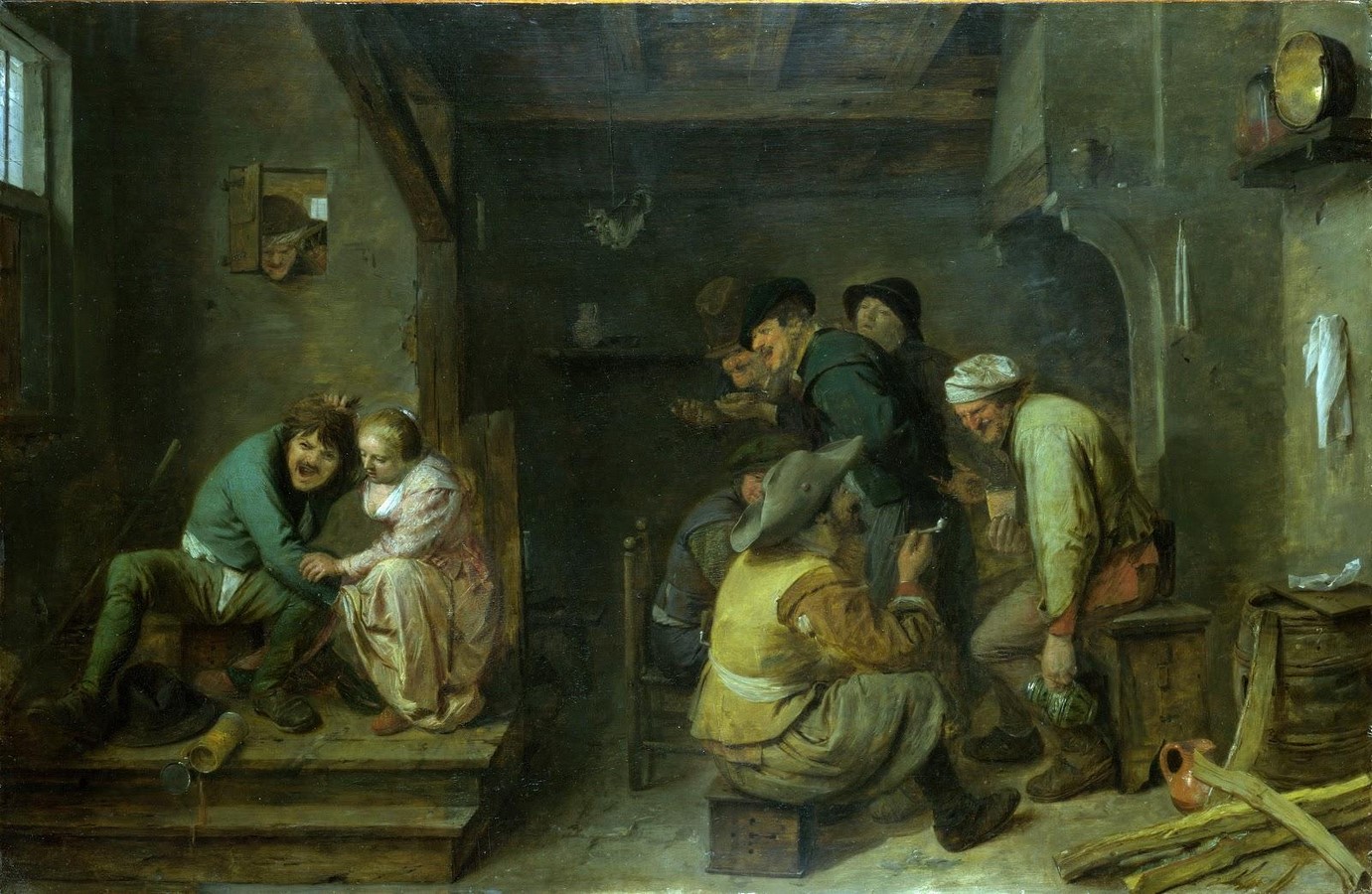
- The Tavern scenes and everyday life – These were the main focus of Brouwer’s art and helped make him well-known in both the Netherlands and Flanders. He often spent time in taverns, not just for enjoyment but also to find ideas for his work. His tavern scenes became famous for their rough and rowdy style. Wealthy people in the North liked them because they could mock the foolish behavior of ordinary folks, while the Dutch enjoyed them for their realistic feel and as a refreshing change from traditional religious paintings.
- Landscapes: Brouwer was a skilled draftsman, and his landscapes stood out for their loose, romantic style. Instead of focusing on fine details, he used a hazy approach, similar to Rubens, that captured the mood and atmosphere of the scene.
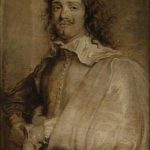
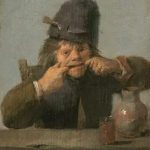
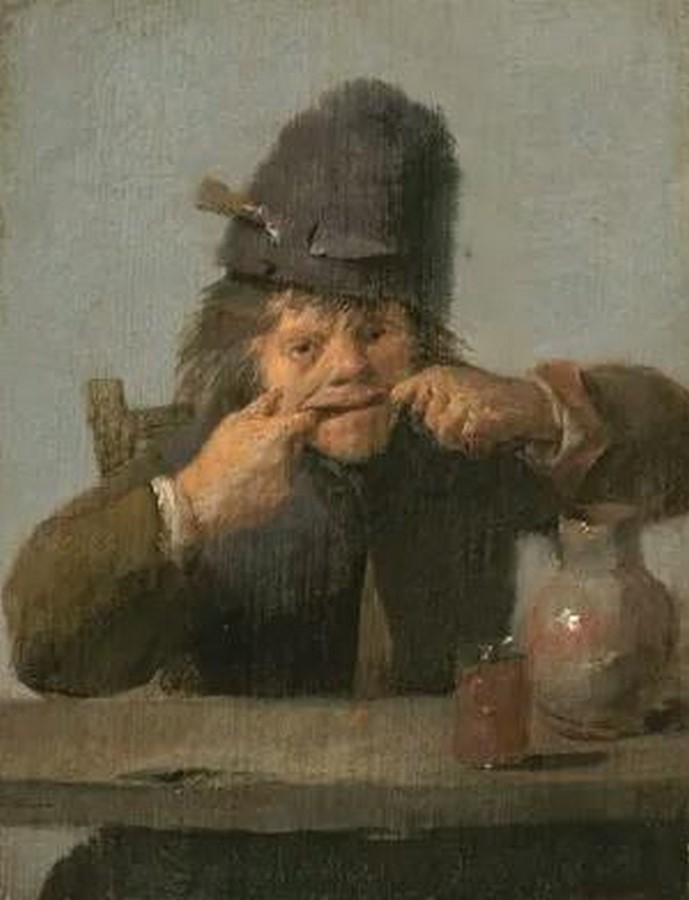
3. Portraits: Brouwer’s portraits were mostly personal works, often showing ordinary people he met in taverns, along with some self-portraits. He seemed to choose subjects that allowed him to show strong personality traits. whether friends or unusual-looking individuals. Brouwer aimed to capture his sitters in a natural state, highlighting their true emotions and character while using symbolic details to enhance the meaning.
The Impact.
Adriaen Brouwer may have lived only a short life, but the mark he left on European art was both profound and lasting. At a time when religious and classical subjects were still the norm, Brouwer broke away by turning his attention to everyday life. His lively tavern scenes, expressive portraits, and atmospheric landscapes revealed a world that was unpolished yet deeply human. Instead of glorifying his subjects, he portrayed them with raw honesty, highlighting their flaws, emotions, and eccentricities. This approach gave his work a psychological depth that was rare for the period, showing not just how people looked but how they felt and behaved in that moment. His sketch-like, atmospheric landscapes further demonstrated his ability to capture mood and character rather than fine detail, lending his art a sense of immediacy and authenticity.
Although he died in 1638 at an early age, Brouwer’s reputation grew stronger after his death. His works were admired and collected by experts such as Rubens and Rembrandt, both of whom recognized his unique ability to capture human expression and atmosphere. His style also influenced younger painters like David Teniers the Younger, who carried forward Brouwer’s interest in genre painting. Over time, Brouwer came to be seen as a pivotal figure in Flemish and Dutch art, remembered not only for his humorous and sometimes crude depictions of tavern life but also for his ability to reveal the psychological truths of ordinary people. His legacy lives on in the way he redefined the painting genre, leaving behind a body of work that continues to be celebrated for its honesty, vitality, and insight into the human condition.
References:
Flemish art | Renaissance Painting & Baroque Sculpture | Britannica
Adriaen Brouwer Style and Technique | artble.com
Adriaen Brouwer | Baroque Era, Genre Scenes, Still Lifes | Britannica
Caravaggio | Biography, Paintings, Style, & Facts | Britannica