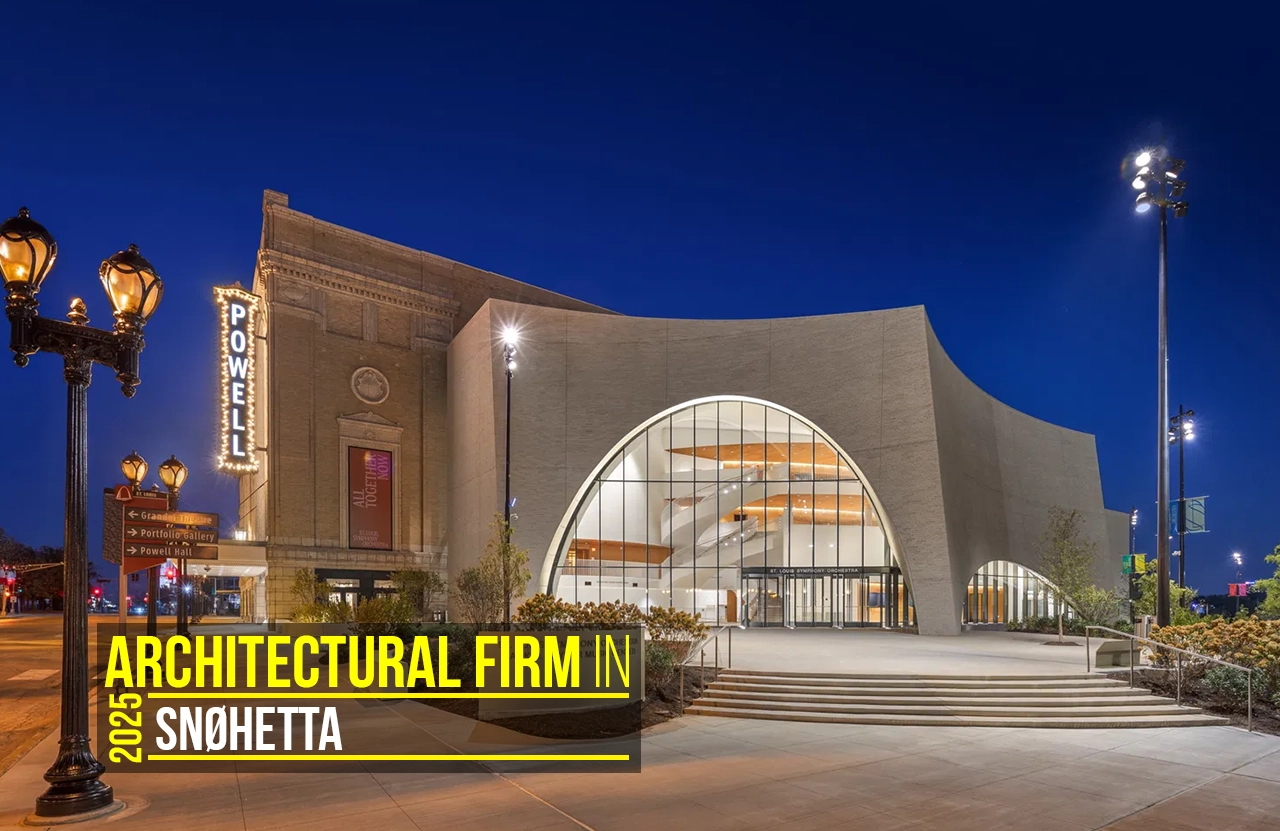
What does it mean to be an architect in 2025? It is no longer just about creating technical blueprints, crafted facades, and intricate construction details. Instead, it involves weaving together technology, history, and emotion to create experiences that shape how we live and connect with one another.
Few practices embody this evolution as clearly as Snøhetta. For over three decades, this Norwegian global transdisciplinary design studio has been recognized for creating spaces that feel like they belong to both people and the environment. In 2025, their work feels less like mere “projects” and more like conversations with the world, conversations about climate change, memory, beauty, and the possibilities of ever-changing design.
Snøhetta believes that creativity doesn’t stem from adhering to one style but from constantly asking: What does this place and these people need now? Sometimes the answer is bold and futuristic; other times, it is quiet and symbolic. What remains constant is their ability to translate complex ideas into simple, powerful design gestures that everyone can understand.
Take MATTER, their carpet collection created in collaboration with Ege. At first glance, it appears to be just flooring. However, the design incorporates algorithmic codes for pattern-making, which ensures that no two carpets are the same, creating a sense of organic variation underfoot. The collection also utilizes recycled materials, reminding us that something as commonplace as a carpet can be reimagined as a sustainable design.
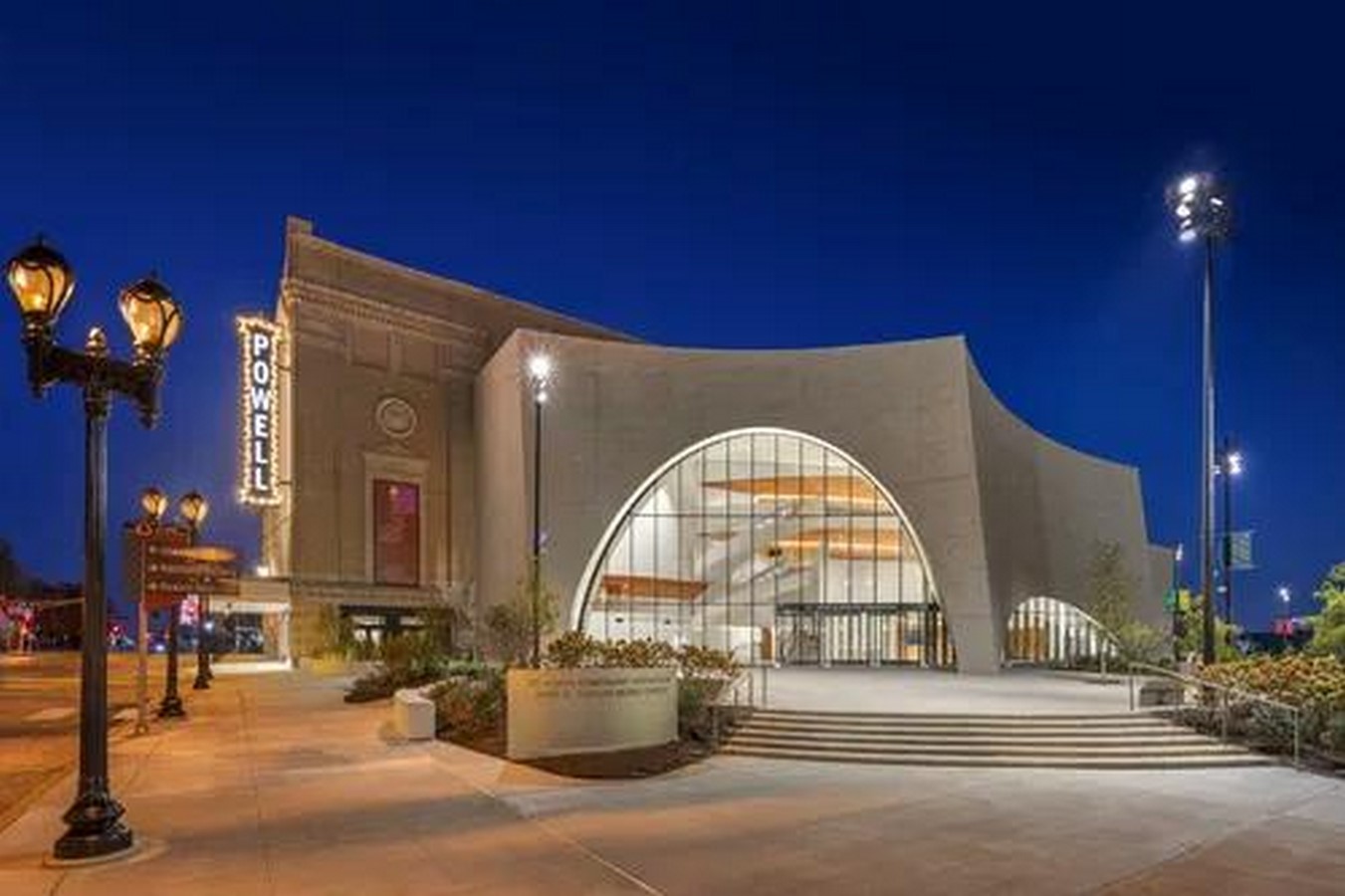
Exploring their recent public space projects. Their rethinking of Place de la Concorde in Paris and revamp of La Croisette in Cannes focuses on reclaiming historic squares and boulevards for people rather than cars. Instead of making grand gestures, these changes are subtle: they widen paths, soften edges, and incorporate trees and shade. This approach reflects a vision of urban planning that prioritizes inclusivity, accessibility, and climate resilience within the design.
But Snøhetta is equally at home with work that touches our emotions. The Norwegian Refugee Council’s Christmas campaign (2024) used a gingerbread house – not a traditional house, but what they termed an “un-house.” This small yet impactful installation served as a poignant reminder of the fragility of shelter and the millions of people displaced around the world. In this case, architecture became a medium for empathy and storytelling.
Consider their earlier icons, such as the Norwegian National Opera and Ballet in Oslo, where the sloping roof invites people to walk up and claim the building as their own. That same generosity shows up in product projects too, like Array, which allows visitors to experience scale and movement, making spatial architecture feel like a shifting landscape.
In Under, the underwater restaurant on Norway’s southern coast, design meets ecology in a striking way. Dining here offers not just a view of the sea; the restaurant’s concrete shell also serves as a surface for marine life to attach and grow, gradually becoming part of the seabed. Furthermore, the space supports marine research, demonstrating how architecture can contribute to environmental education.
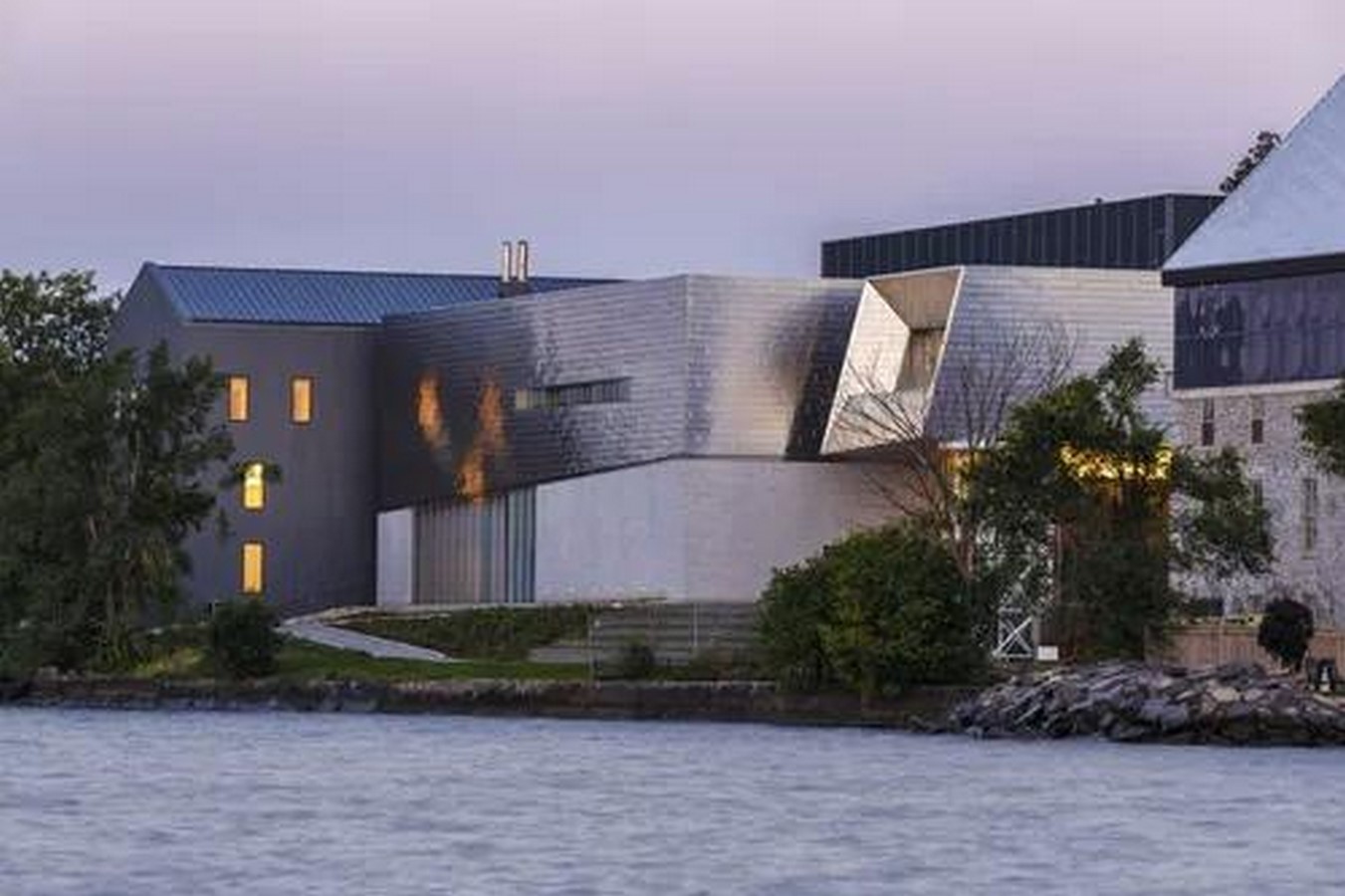
Across the world, in Hong Kong, Snøhetta worked on Whey, a restaurant that fuses Nordic minimalism with Peranakan influences. Dawn Ng’s mirrored entryway sets the tone, blurring the boundaries between guests and the space, as well as between tradition and innovation. This creates an atmosphere where culture and cuisine blend seamlessly with the design.
In Norway’s fjords, The Bolder cabins are elegantly perched on stilts, providing immersive views while minimizing their impact on the landscape. With exteriors clad in cedar and interiors featuring stone, wood, and marble, they embody a blend of elemental and modern design, creating a retreat where nature leads and architecture follows.
Further north, Hotel Finse 1222 reflects Snøhetta’s commitment to heritage. Rather than erasing the past, the renovation preserved Morris-inspired wallpapers and historic details while enhancing comfort and structural integrity. Even practical changes, such as adjusting the roof to better withstand snow, were made with a focus on continuity rather than spectacle.
These projects together tell the story of Snøhetta today. The practice moves beyond conventional categories – architecture, interiors, landscapes, products. But by focusing instead on experiences, atmospheres, and systems. Their creativity lies not in making things larger or more ostentatious but in designing elements that truly matter: a carpet that doesn’t repeat, a public square that feels more humane, a cabin that blends seamlessly into the fjord, and an opera house that transforms into a city plaza.
As architecture evolves and grows in 2025, exploring AI-driven processes, sustainable materials, and adaptive reuse, Snøhetta reminds us that while tools and technologies are important, the essence of design revolves around people, stories, and lived experiences. Their projects highlight that creativity isn’t about imposing brilliance on a place; it’s about revealing what truly exists, whether it’s the history of a city square, the fragility of human displacement, or the simple joy of interaction.
Architecture is not merely about shaping skylines; it is about shaping society.