Architecture is the art and science of shaping a space; it becomes the artist in the context of events. Irrespective of the events, architecture structures, guides, and amplifies them. Be it a cultural festival, a public gathering, a private celebration, or a performance- the relationship is deeply intertwined, rooted in the way spatial design influences perception, movement, emotion, and memory. Events are not isolated occurrences, but orchestrated sequences of interactions unfolding within a physical setting that shapes how people gather, move, engage, and remember.
Crafting each experience
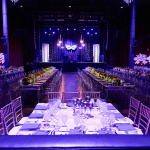
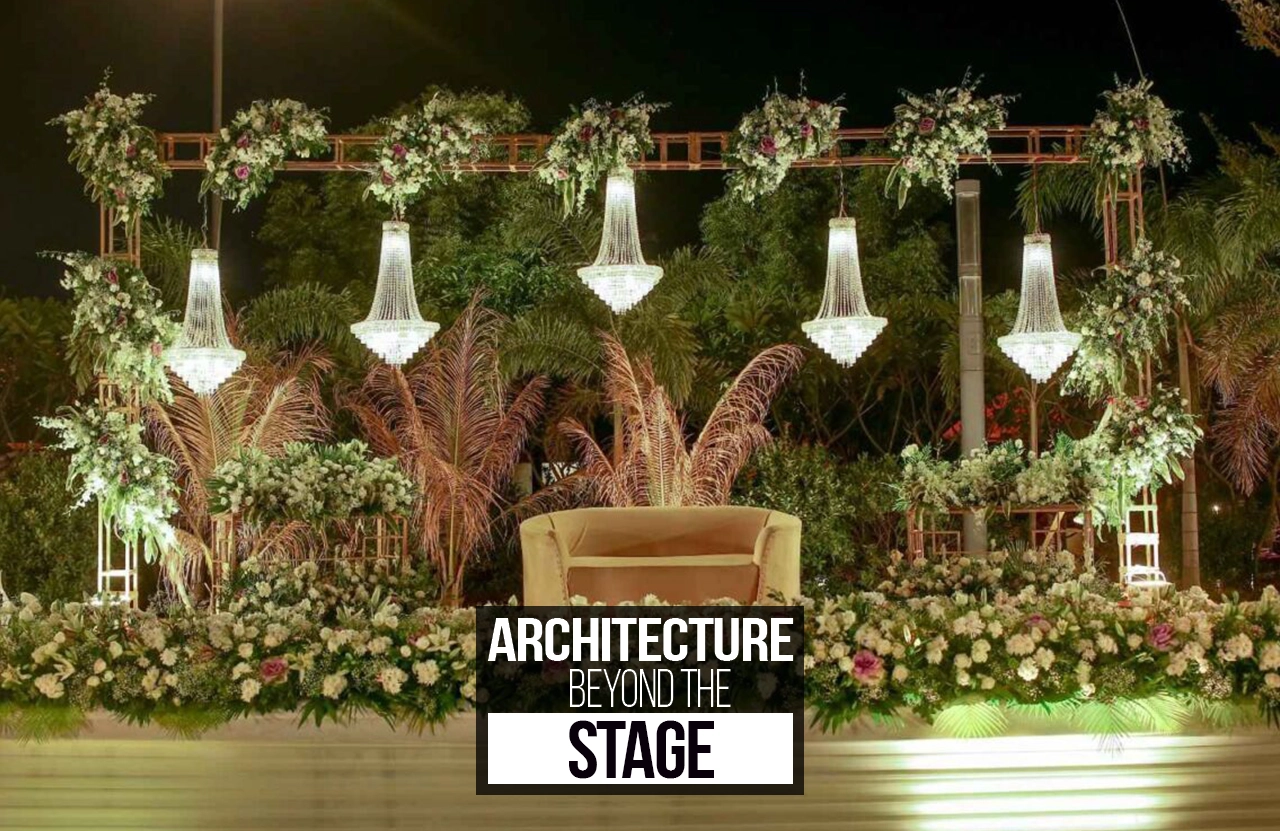
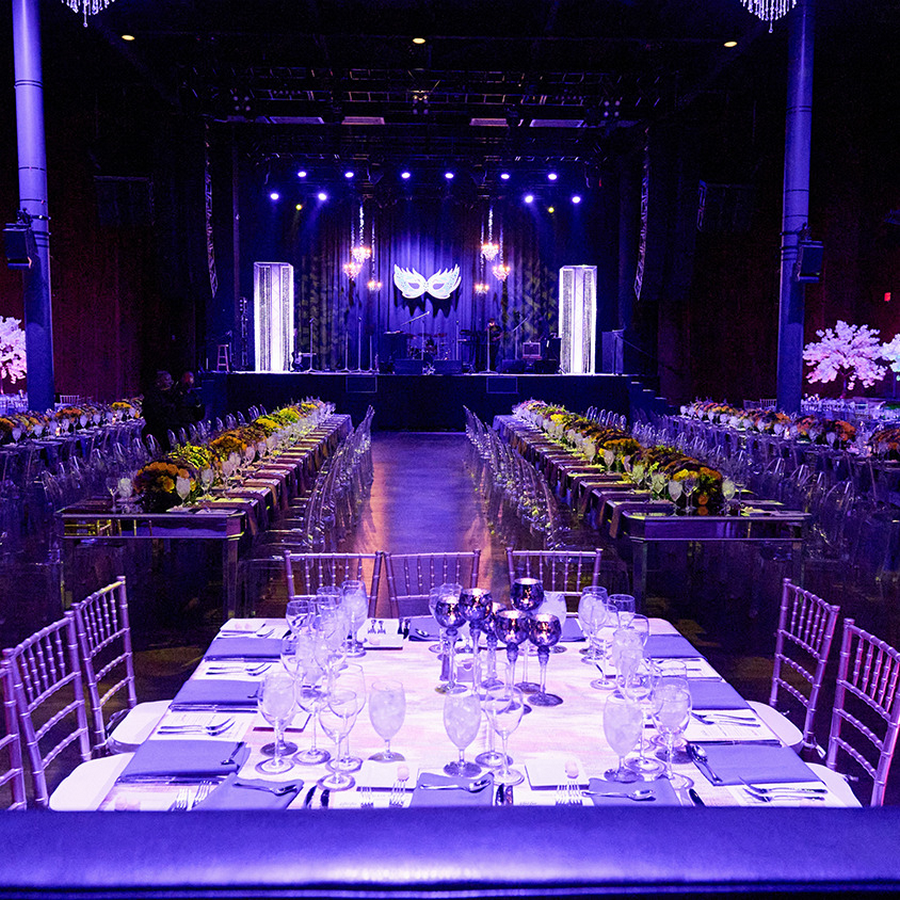
The spatial configuration of an environment becomes the silent yet powerful narrator of an event. It directs attention, frames each moment, and dictates the rhythm of participation. The experience of an event often begins before the event itself. Through the approach and entry into a space, architecture plays a crucial role in crafting this anticipatory phase. Once within the event space, it continues to guide behaviour through spatial organisation. The positioning of focal points, such as stages, installations, and other ceremonial elements, is critical. It determines the visibility and also the collective experience of the audience. Circulation is another vital aspect in structuring event experiences. Each path people take within a space is influenced by the embedded design. Small and subtle changes in floor texture, ceiling height, or light placement can all guide movement. In large-scale events, clear circulation becomes essential, ensuring that the flow of people remains seamless and safe. A series of spaces can create a sense of discovery, each revealing a new layer of the event.
Materiality and sensory engagement enrich the relationship between architecture and events. Events are inherently time-bound, requiring spaces that can adapt to different phases and functions. Event design is not only about merging form and function, aesthetics and practicality. It goes beyond simply crafting a theme or idea; it should comprehensively address the entire process of presenting the live event to the client. An event is organized to address the problem highlighted by the reasoning and concept of having it in the first place. The effective solution to this problem is attained through a targeted approach to the planning and implementation of the event. Crafting and developing these experiential environments requires a predictive ability rooted in the concept of the event. While this may involve specific acts of creativity, it can also encompass a broader process aimed at generating experiences.
Creative Blueprint of an event
Any effort to craft an experience must be grounded in an understanding of how guests engage and participate. For something to be rightfully termed an experience, it needs to be thoughtfully designed. The parameters of experience can be divided as –
-The phases of the experience – the events or emotions that take place before, during, and after the experience.
-The actual experience – the elements or factors within the experience that affect participation and influence results.
-The role of the participant and others involved in the experience – the effect that the personal traits, behaviors, and expectations of both the participant and others involved have on the overall outcome.
The stages of the experience include events or the relationship with the experience provider, their ability and willingness to customize, control, and coordinate different elements of the experience. Design should be regarded as the essential foundation of the framework for successful event experience production. The Event Experience Design Framework suggests that if event design underlies all initial decisions regarding the planning and management of the event, then the planned experience becomes the core of all subsequent actions, resulting in a final analysis that considers the true nature of the overall experience.
Connecting concepts
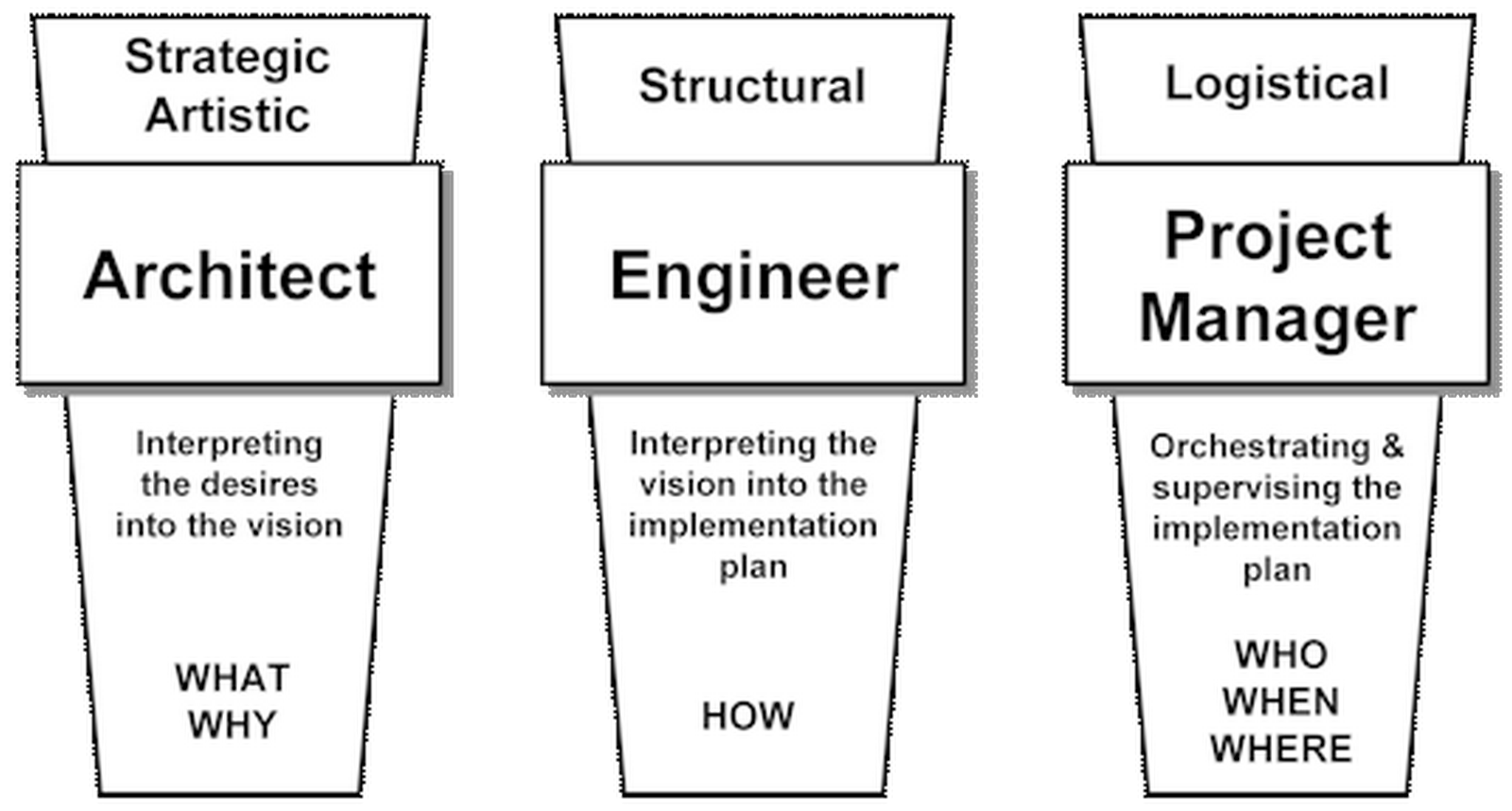
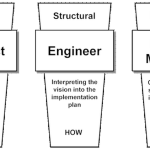
There is no question that three job functions are necessary for effective event management. One must take on the role of an architect, interpreting the client’s needs and goals to create the event’s concept or vision. However, this design process must be firmly based on the practical elements of event production, including engineering and project management. When involved from the very beginning of the event planning process, the event architect can mold the design to fit the strategic objectives as they are being established, while also considering the realities of the resources at hand.
Additionally, one must act as an experiential engineer, taking that vision and converting it into a structural plan that can be executed. Just as steel, bricks, and mortar are utilized to construct the building envisioned by the architect, the event engineer selects and organizes the appropriate program components and elements that will create the desired experience, based on the resources available. In the capacity of event project manager, the procurement of goods, services, and personnel is managed, along with the planning and supervision of logistics for executing the plan. These three elements of event management—aesthetic, structural, and logistical—may represent distinct roles or may be integrated into the responsibilities of a single practitioner.
Ultimately, the connection between architecture and events embodies a deep synergy, where the physical space serves as the unseen force shaping human interaction. By examining event management through the combined perspectives of the architect, the engineer, and the manager, we transcend basic logistics and enter the domain of purposeful storytelling. When spatial design is regarded as the cornerstone, rather than a secondary consideration, it elevates a fleeting gathering into a well-structured, sensory narrative. Whether through the deliberate movement of a crowd or the careful positioning of a focal point, architecture guarantees that an event is not just a happening, but a thoughtfully designed experience that lingers in the minds of participants long after the physical elements have been removed.
References:
Image 1:
https://www.admei.org/blog/the-event-architect-designing-experiences-not-just-events
Image 2:
https://www.embok.org/juliasilvers/event_architect.html