In the modern world, equipment like fans, ACs, refrigerators and heaters has become an inevitable part of everyday life. Comfort is often associated with technologies that regulate temperature, airflow, lighting, and humidity. Yet an important question arises: Was comfort always achieved through technology?
Our ancestors lived for centuries without electricity, without artificial cooling, heating, or lighting, without any facilities that are considered basic and necessary today. Still they did not live in poor environments, they were in many ways had more comfort and maintained a close connection to nature than modern times. They could achieve this purely because of their deep understanding of the climate, available materials, and their context.
Traditional buildings did not consider their climate and context as external challenges that could be overcome by technologies. Rather, they were considered as primary factors that shaped the buildings. They were in many ways less polluting to the environment as they were made of natural materials and did not require electricity, which are the two greatest contributors of CO2 emissions globally. Hence, adopting these techniques in modern buildings would reduce the biggest environmental challenge today. To understand this, let us look at their techniques in detail.
Passive cooling
In hot regions, it is necessary to prevent heat from entering the building. Therefore, the buildings were carefully oriented according to the sun path, with longer sides facing the directions with minimal exposure. Additionally, there were also elements like sunshades and trees preventing direct sunlight from falling and entering the buildings.
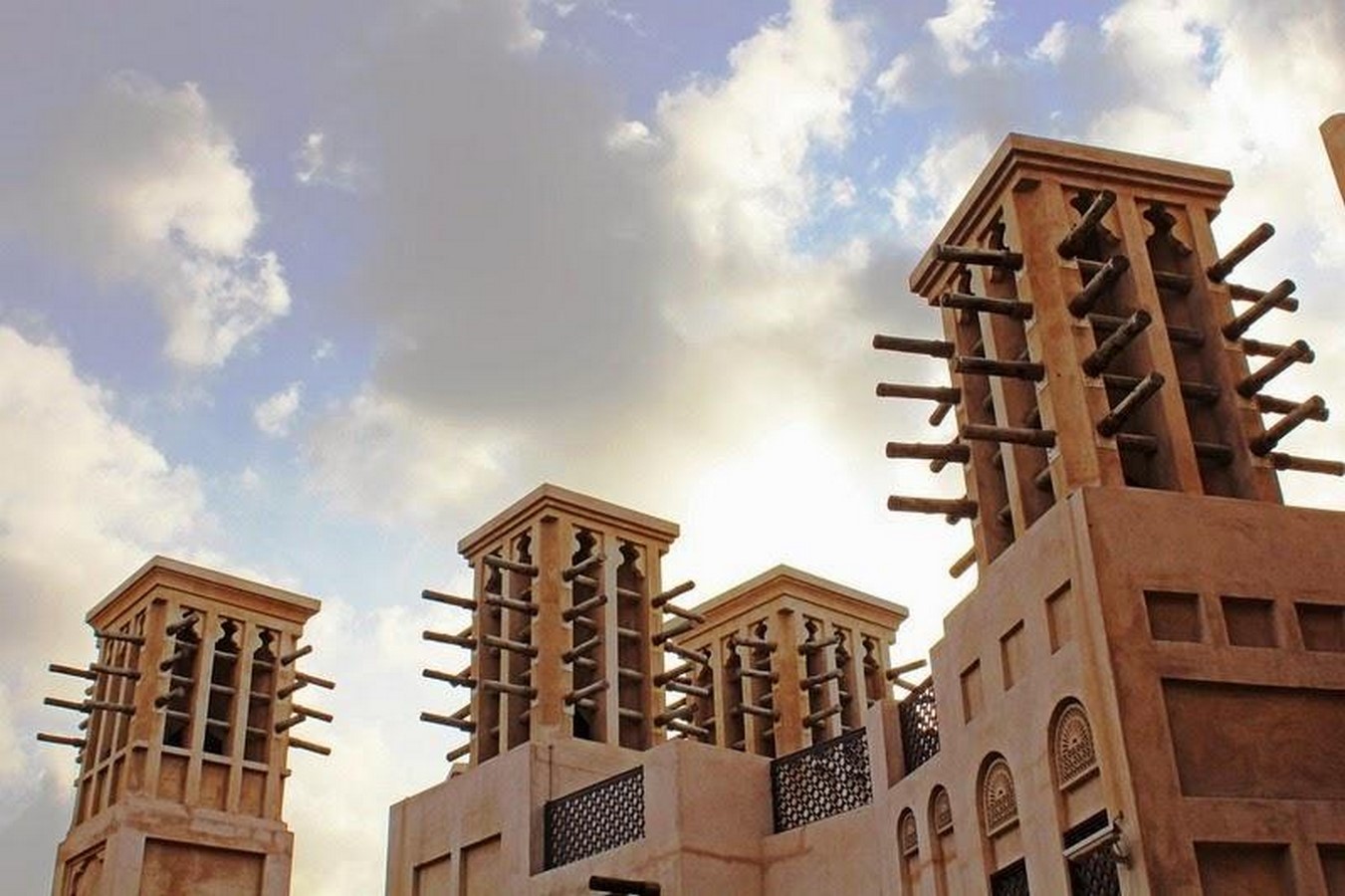
Ancient Arab civilisations used an element called Meshrabiya, which is a lattice preventing the openings from sun exposure. Similar strategies ere developed across civilisations; in India, these were used in the form of jaalis. Desert architecture also used wind catchers to let hot air escape from inside and capture cold air from the higher altitudes. This air is often passed through a water element, cooling it before letting it into the interiors.
Every Indian town or region has developed its own way of responding to the harsh climates. For example, the havelis of the western region, the courtyard houses of the south, the Ikra houses of the east, evolved as a response to their climate. They had their own technique, like projected balconies, wall to wall constructions, narrow buildings, courtyards, small windows, jaalis, etc which helped them to achieve a comfortable indoor temperature without any equipment.
The Chettinad houses of Tamil Nadu demonstrate this effectively, where large courtyards, thick walls, and shaded verandahs regulate airflow and temperature throughout the day. Similarly, the pol houses of Ahmedabad use narrow streets and closely packed buildings to create shaded urban microclimates.
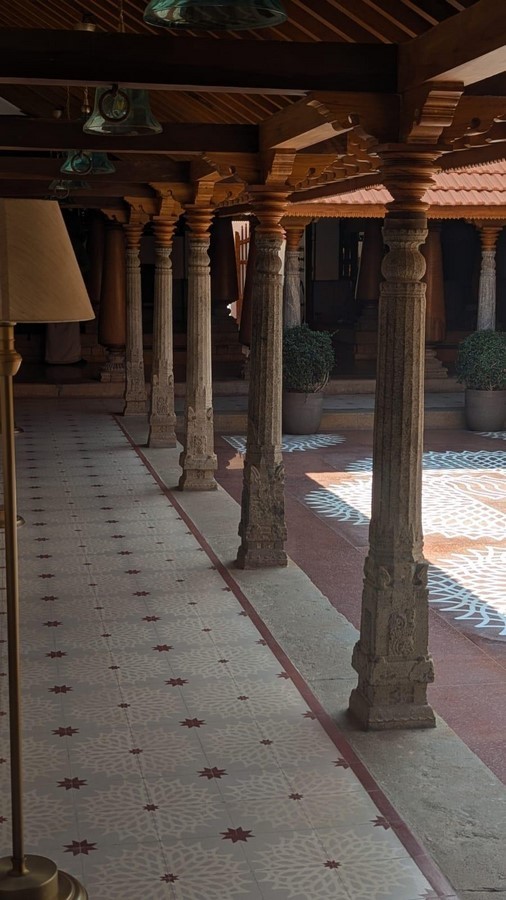
Today, as we all know, these strategies are forgotten or replaced. Even in deserts, buildings are constructed with large glass facades, ignoring the main factor – heat, which is then tackled through HVAC systems, leading to higher energy usage.
Passive heating
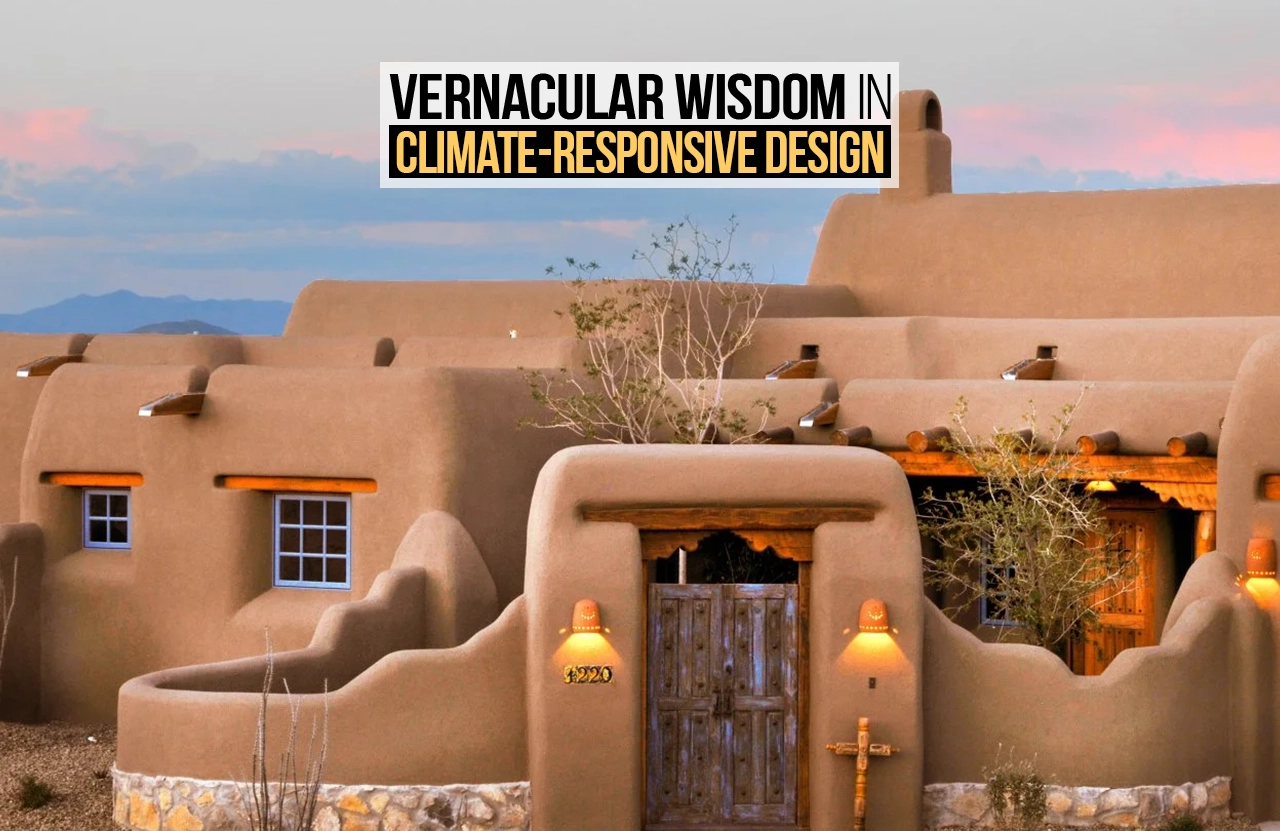
Similarly, even in colder climates, heating and retaining heat are the primary needs. Traditional materials had high thermal mass, preventing heat loss and maintaining indoor temperatures. For instance, traditional Ladakhi houses use thick mud walls and small window openings to trap heat during the day and release it slowly at night.
In contrast, many contemporary buildings use materials with thinner sections that are not effective in insulation, allowing heat to escape easily. This leads to increased reliance on heaters and other systems to maintain comfort.
Disaster resilience
Resilience to disasters is yet another quality, rooted in vernacular buildings. They were designed to resist a certain level of natural calamities.
For instance, the Ikra huts of Assam, were raised above the ground level to minimise damage during a flood.
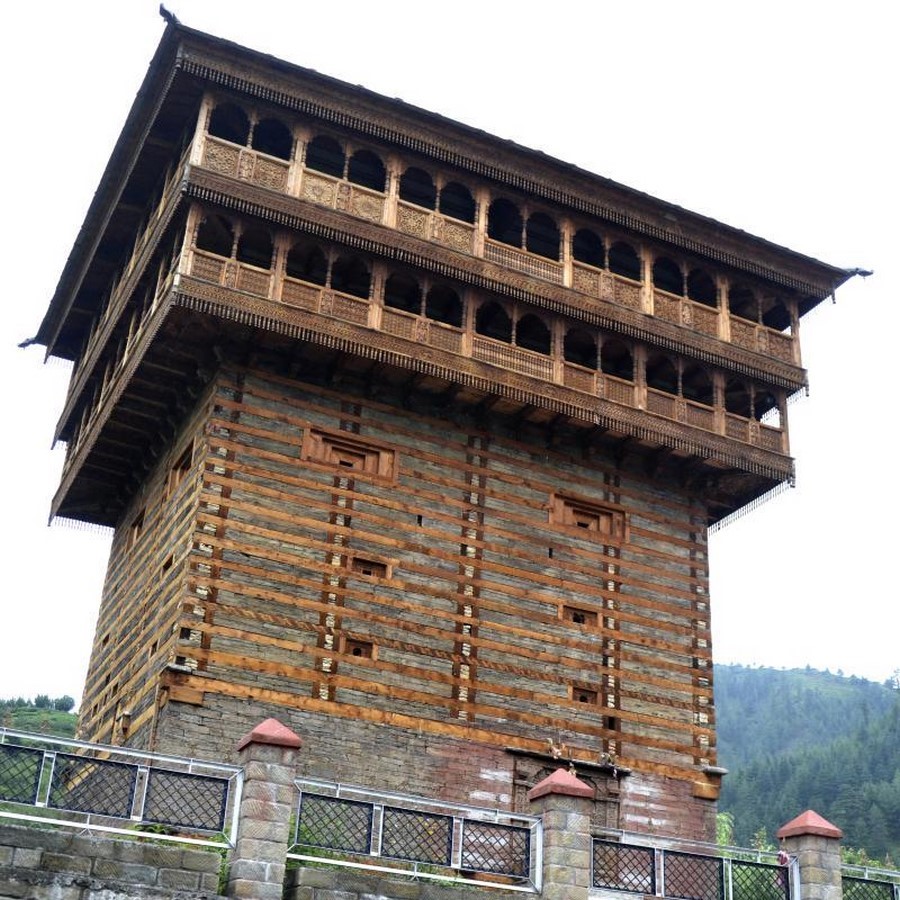
The Kath-Kuni houses of Jammu featured a unique wall system of wood and stones, providing tensile strength and expansion, enabling them to withstand earthquakes.
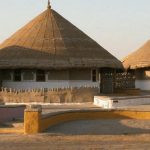
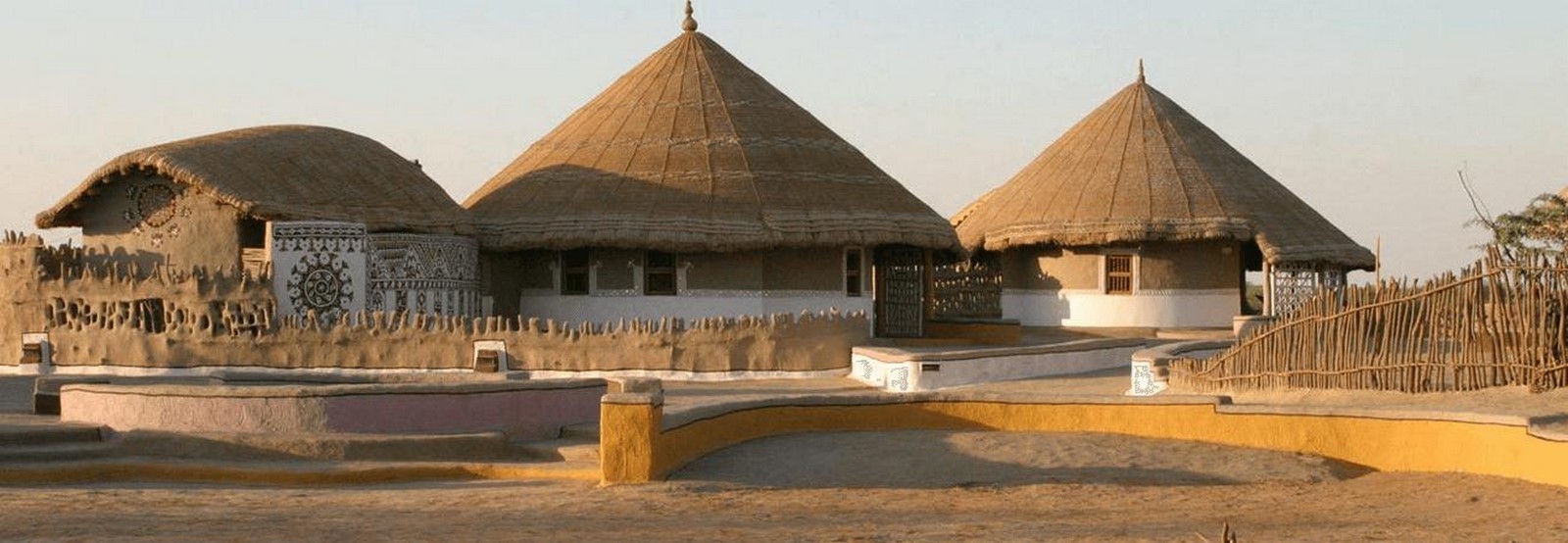
Similarly, the Bhunga houses of Gujarat, they were circular, with a pitched roof, which is the most stable form. Thus, providing them stability during an earthquake. During the 2001 Bhuj earthquake, many of these traditional structures remained intact while modern constructions collapsed, highlighting the effectiveness of vernacular systems.
Unlike modern construction that relies heavily on added structural systems for resilience, the vernacular methods integrated resilience into their design.
Local materials
Yet another important factor for climate responsiveness is the use of local building materials. Vernacular buildings relied on materials that were available in their vicinity, reducing transportation and associated carbon emissions. More importantly, these materials were also natural in contrast to the contemporary processed materials.
Materials such as adobe, mud blocks, lime, wood, bamboo were widely used than processed materials like bricks, cement, marbles, which are energy intensive and environmentally harmful.
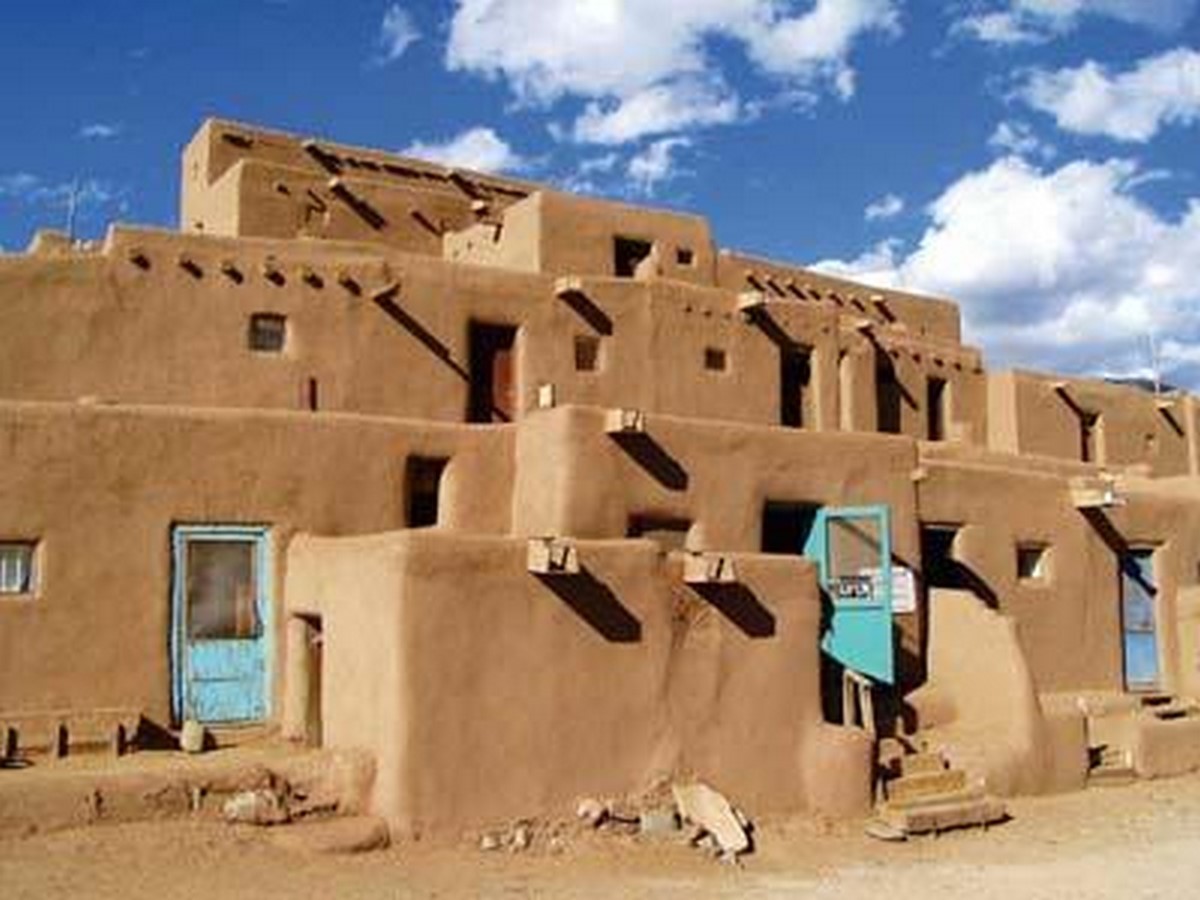
Vernacular architecture clearly demonstrates that comfort was never about mechanical systems, but rather it relies on the understanding of climate, materials, and context. Through passive cooling, heating, disaster resilience, and the use of local materials, vernacular buildings achieved efficiency. Vernacular buildings were not only comfortable to live in but also were environmentally friendly. However, contemporary architecture has largely shifted away from these principles, relying heavily on technology to compensate for their design.
As the world faces growing environmental challenges, the lessons from these traditional practices offer valuable guidance. Reinterpreting traditional strategies in a way that aligns with present-day needs and technologies can offer great benefits to architecture.