The Simplicity of Circulation – Facts about The Oculus NYC -Transportation Hub
In the realm of architecture studies, the concept of circulation holds a paramount significance. The way people move within and around a structure not only defines the functionality of a space but also plays a pivotal role in shaping the overall architectural experience. This article delves into the intricacies of circulation in architectural design, emphasizing its simplicity as a key element in creating cohesive and user-friendly spaces.
The Basics of Circulation in Architecture
Circulation in architecture refers to the pathways and routes that facilitate movement within and between different spaces of a building. It encompasses various elements such as staircases, corridors, ramps, and elevators, all of which contribute to the overall flow and connectivity of a structure.
Understanding the User Perspective
From the perspective of a student of architecture, grasping the principles of circulation is fundamental to designing spaces that not only meet aesthetic standards but also prioritize user experience. It involves a thoughtful consideration of human movement patterns, ensuring that transitions between different areas are seamless and intuitive.
The Architect’s Challenge: Achieving Simplicity
For architects, the challenge lies in achieving simplicity in circulation while maintaining the functionality and efficiency of a building. The goal is to create a design that allows occupants to navigate the space effortlessly, without unnecessary complexities or confusion.
Case Study: Oculus in New York
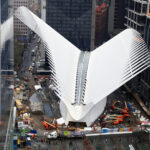
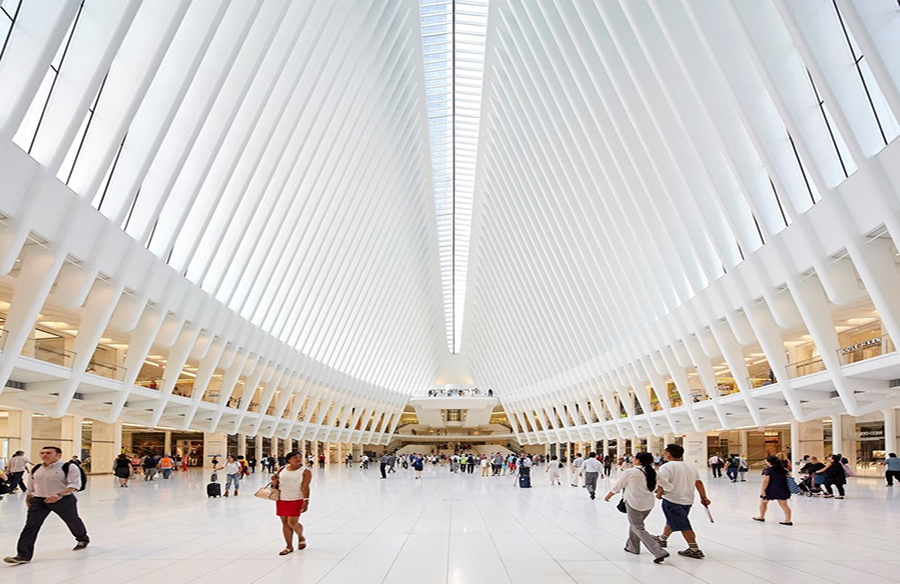
A shining example of the successful implementation of circulation design is the Oculus in New York City. Designed by architect Santiago Calatrava, the Oculus is not only an architectural marvel but also a testament to the importance of simplicity in circulation.
Streamlined Pathways
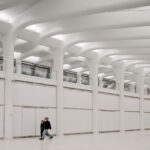
The Oculus features a vast, open space with streamlined pathways that guide visitors seamlessly through the transit hub. The use of natural light and expansive views creates an environment where the circulation is not only functional but also aesthetically pleasing.
Integration of Form and Function
Calatrava’s design exemplifies the integration of form and function, where the architectural elements serve a dual purpose. The soaring white ribs of the structure not only define the space but also guide the flow of people, emphasizing the elegance of simplicity in circulation.
Educational Significance for Architecture Students
For aspiring architects, studying the simplicity of circulation is an educational journey that goes beyond theoretical concepts. It involves a hands-on understanding of how design choices impact the way people interact with and navigate built environments.
Integrating Theory with Practice
Architecture students learn to integrate theoretical knowledge with practical applications, considering factors such as traffic flow, accessibility, and user experience. The simplicity of circulation becomes a guiding principle in making informed design decisions.
Practical Exercises and Design Challenges
Educational institutions often incorporate practical exercises and design challenges that focus on circulation. Students may be tasked with creating layouts that optimize movement efficiency or redesigning existing spaces to enhance circulation patterns. These exercises foster critical thinking and problem-solving skills crucial for future architects.
Architectural Innovations Shaping Circulation
As the architectural landscape evolves, innovative designs continue to reshape the concept of circulation. Technological advancements, sustainability considerations, and changing societal needs contribute to the ongoing transformation of how architects approach circulation in their designs.
Smart Building Technologies
The integration of smart building technologies has revolutionized circulation by introducing dynamic elements such as automated doors, sensor-driven pathways, and real-time navigation systems. These innovations not only enhance user experience but also contribute to the overall efficiency of a building.
Sustainable Circulation Design
Sustainability has become a cornerstone in architectural studies, prompting architects to reconsider traditional circulation practices. Green roofs, energy-efficient elevators, and the strategic placement of staircases to encourage physical activity are just a few examples of how sustainability is influencing circulation design.
Calls to Action: Embracing Simplicity in Circulation
As students of architecture and practicing architects engage with the concept of circulation, there are clear calls to action that can enhance the overall quality of architectural design.
Prioritize User-Centric Design
Architects must prioritize user-centric design, placing the needs and experiences of occupants at the forefront of their decision-making process. Conducting user studies, considering diverse demographics, and incorporating “customer feedback tools” are essential steps in achieving this goal.
Embrace Technological Integration
To stay at the forefront of innovation, architects should embrace technological integration in their designs. Exploring the possibilities of smart building technologies and how they can enhance circulation will be crucial in shaping the future of architectural practice.
Advocate for Sustainable Circulation
In the face of global environmental challenges, architects have a responsibility to advocate for sustainable circulation design. Integrating eco-friendly elements and practices not only contributes to the well-being of the planet but also aligns with the growing demand for environmentally conscious architecture.
Conclusion
In the intricate world of architecture studies, the simplicity of circulation emerges as a cornerstone element that influences the functionality, aesthetics, and overall user experience of a space. Through the lens of education, both students of architecture and practicing architects can delve into the nuances of circulation, learning from exemplary designs like the Oculus in New York. By prioritizing simplicity, embracing innovation, and advocating for sustainability, the architecture industry can continue to shape spaces that not only stand as testaments to creativity but also enhance the lives of those who inhabit them.