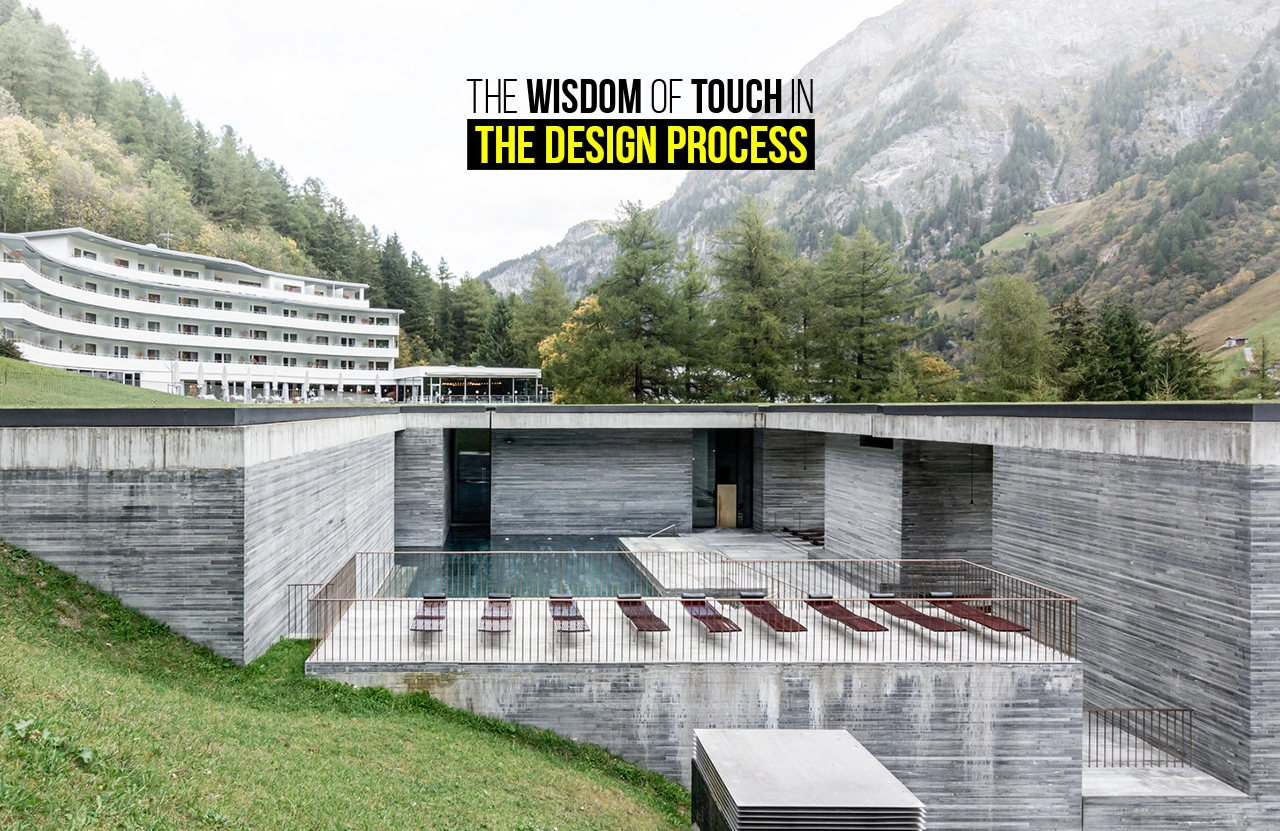
Design thinking is often associated with visualisation, sketching, rendering, and digital models, yet at the same time, designers engage with a more immediate and embodied source of knowledge: touch. Designers tend to test materials, sense their feel, evaluate their texture, and discover possibilities that cannot be fully understood through sight alone. This is when the wisdom of touch helps to engage with matter and experience.
The role of touch extends across multiple design disciplines, from craft and product design to packaging and sensory branding, and even to digital interfaces. Touch informs intuitions, shapes user perception and creates emotional connections between people and designed objects.
Touch as a Form of Knowledge
Touch is not merely a sensory reaction; it is a cognitive tool for designers that can help achieve insights that are difficult to achieve through visual analysis alone. The pressure of a tool on clay, the flexibility of paper during folding or the temperature of the metal surface can be felt, and the understanding of a material’s potential and limitations can be gained.

Architectural theorist Juhani Pallasmaa argues that modern design culture often privileges vision over other senses. In his influential work, ‘The Eyes of the Skin’, he emphasises that architecture and design should engage with the body as a whole, and the tactile perceptions can deepen the understanding of the space and objects because it involves physical participation rather than distant observation.
From this perspective, touch allows designers to move beyond abstraction. It transforms design from a purely intellectual activity into a dialogue between the body and material.
Learning Through Making
Crafts and the indigenous knowledge system around them have evolved through repeated contact with materials and understanding their characteristics. Feeling the tension of the fibres while weaving, sensing moisture in the clay while shaping pottery or adjusting the pressure while wood carving cannot be fully captured by drawings or instructions and need tactile interactions.
Contemporary design practices are increasingly recognising the value of material engagement. Designers often prototype, fold, cut, assemble and experiment with material during the early stage of development to understand how forms emerge through physical manipulation.
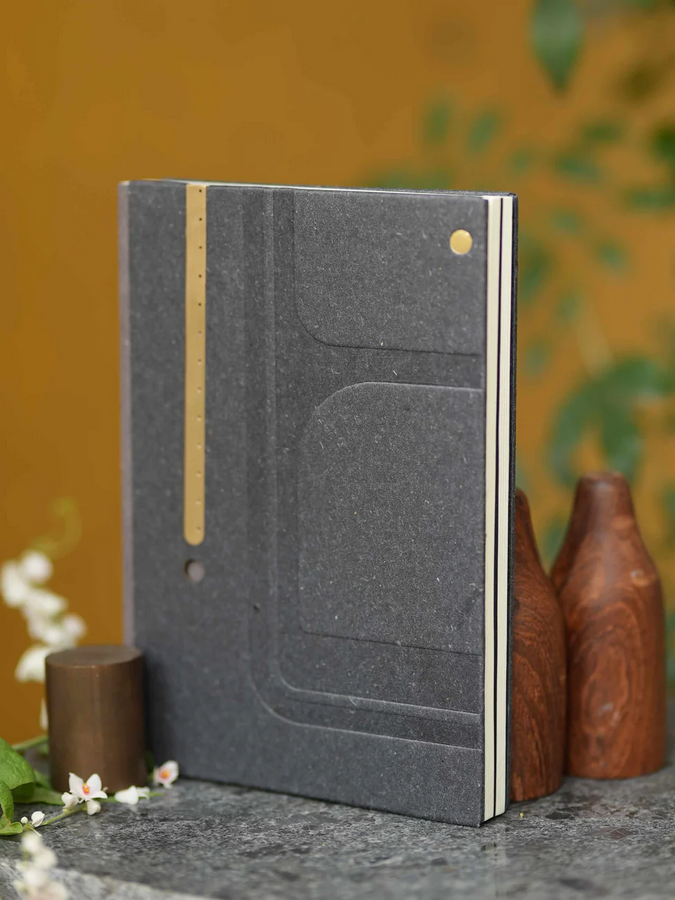
The design studio Paperdom exemplifies tactile experimentation with paper. They manually fold, structure and create paper sculptural installations and spatial elements that can expand the possibilities of a seemingly simple material. The process of handling paper, testing its strength, flexibilithy and texture guides design decisions as much as the visual composition.
Tactility and Sensory Branding
Tactility plays an important role in shaping the user’s perception and leaves an impactful memory in the user’s mind about the designed object. It has the ability to significantly influence emotional response.
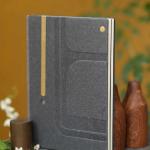
Brands like Ffern creatively use tactility to design the packaging and unboxing experience with textured paper, wax seals, and layered packaging, which reinforces the brand’s narrative of craftsmanship and authenticity.

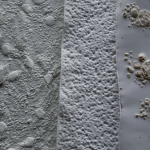
Experimental design practices manipulate substances, test surfaces and observe material response to pressure, temperature or movement, which is often guided by touch.
Atelier Lajuntana also takes an experimental approach towards tactile perception through installations that invite visitors to interact physically with surfaces.
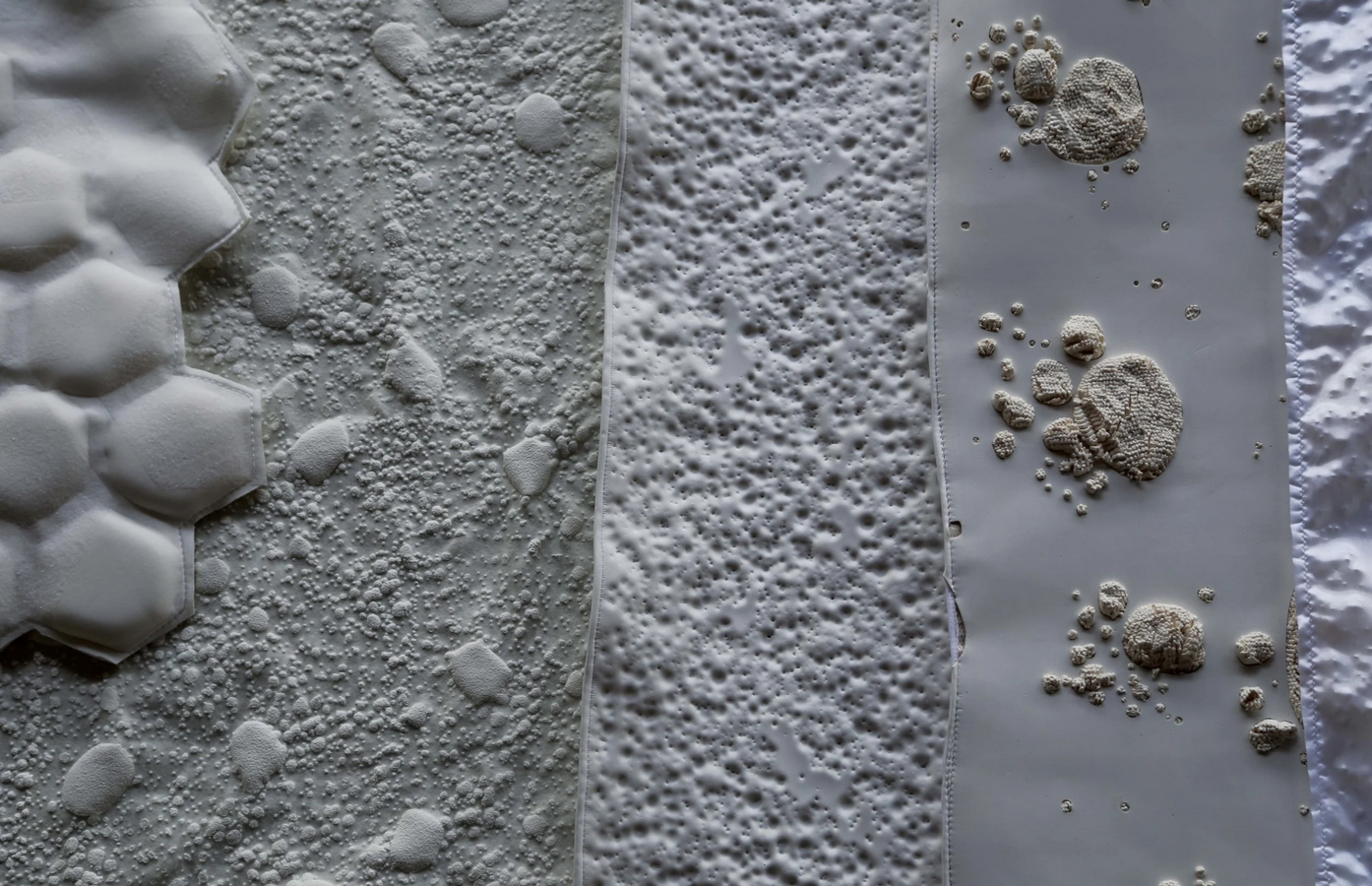
Such examples illustrate how tactile design can transform everyday interactions into memorable experiences.
Tactility in Architecture
Experimentation with material, models and prototypes helps architects to develop a knowledge system that cannot be acquired through drawings alone. Clay responds differently to pressure than metal wire; a stone surface might feel cold, while a wooden surface might feel relatively warmer. All such sensory feedback informs design decisions about structure, constructions and atmosphere.
Therme Vals by Peter Zumthor is an example where the visitor’s experience is shaped by material temperatures, texture, and weights. Here, architecture is understood not only visually but physically through the sensation of cool stone surface, the resistance of heavy doors, and the acoustics of enclosed chambers.

Such examples demonstrate how tactile awareness during design can produce spaces that communicate through the body.
The Risk of Losing Tactile Wisdom
With the increasing shift towards digital environments, there is a growing risk that tactile thinking might be overlooked. In Architecture, product design, packaging and even interface design, materials and surfaces are frequently evaluated through screens, which reduces it to visual simulation rather than physical realities. While digital tools allow designers to model and communicate ideas with great precision, they can also distance the design process from the sensory feedback that comes through direct interactions with materials.
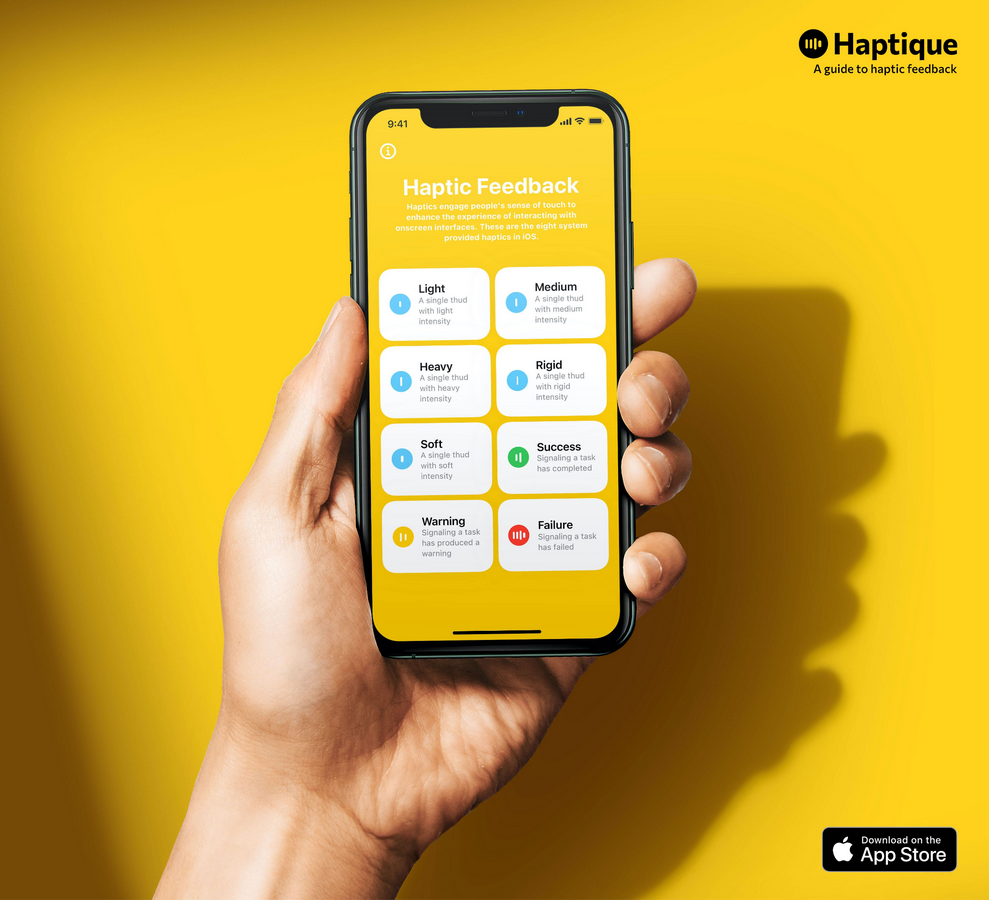
Without tactile engagement, the design decisions may prioritise visual impact over experiential quality, which might feel disconnected in real use.
By recognising the role of touch within the design process, designers across disciplines can create objects, spaces, and experiences that are not only visually compelling but also deeply responsive to the human body.
References:
Pallasmaa, J. (2005) The Eyes of the Skin: Architecture and the Senses. Chichester: Wiley.
Lederman, S.J. and Klatzky, R.L. (2009) ‘Haptic perception: A tutorial’, Attention, Perception & Psychophysics, 71(7), pp. 1439–1459.
Carbon, C.C. and Jakesch, M. (2020) ‘A model for haptic aesthetic perception’, Cognitive Research: Principles and Implications, 5(1). Available at: https://link.springer.com/article/10.1186/s41235-020-00243-4
Ffern (n.d.) Seasonal Fragrance Packaging. Available at: https://ffern.co/
Atelier Lajuntana (n.d.) Tactile Installations. Available at: https://www.atelierlajuntana.com/tactile/
Paperdom (n.d.) Paper Design Studio. Available at: https://paperdom.in/
Museum of Modern Art (2017) The Value of Good Design Exhibition. Available at: https://www.moma.org/calendar/exhibitions/1132