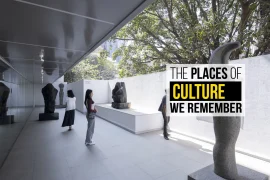
Memory architecture relates to how a space would leave a mark once stepping into it. The curation of perceiving a space into a memory is a psychological impression that defines texture, smell, and sound. The art of constructing memory is one of the major objectives of a building because every space you enter will create an impression in one way or another, and that is an outcome of architecture gaining remembrance.
Architecture as a Memory Lane
As a narrative gets unfolded with turning over a new page, similarly, a spatial journey gets simplified by means of architectural storytelling. For a space to become a memory, a design practitioner focuses predominantly on the experiences a place can offer.
- Traversing from the high school’s main gateway, perhaps, a reminiscence of school life.
- A courtyard left stranded, which was once a living laboratory of the grandmother’s place.
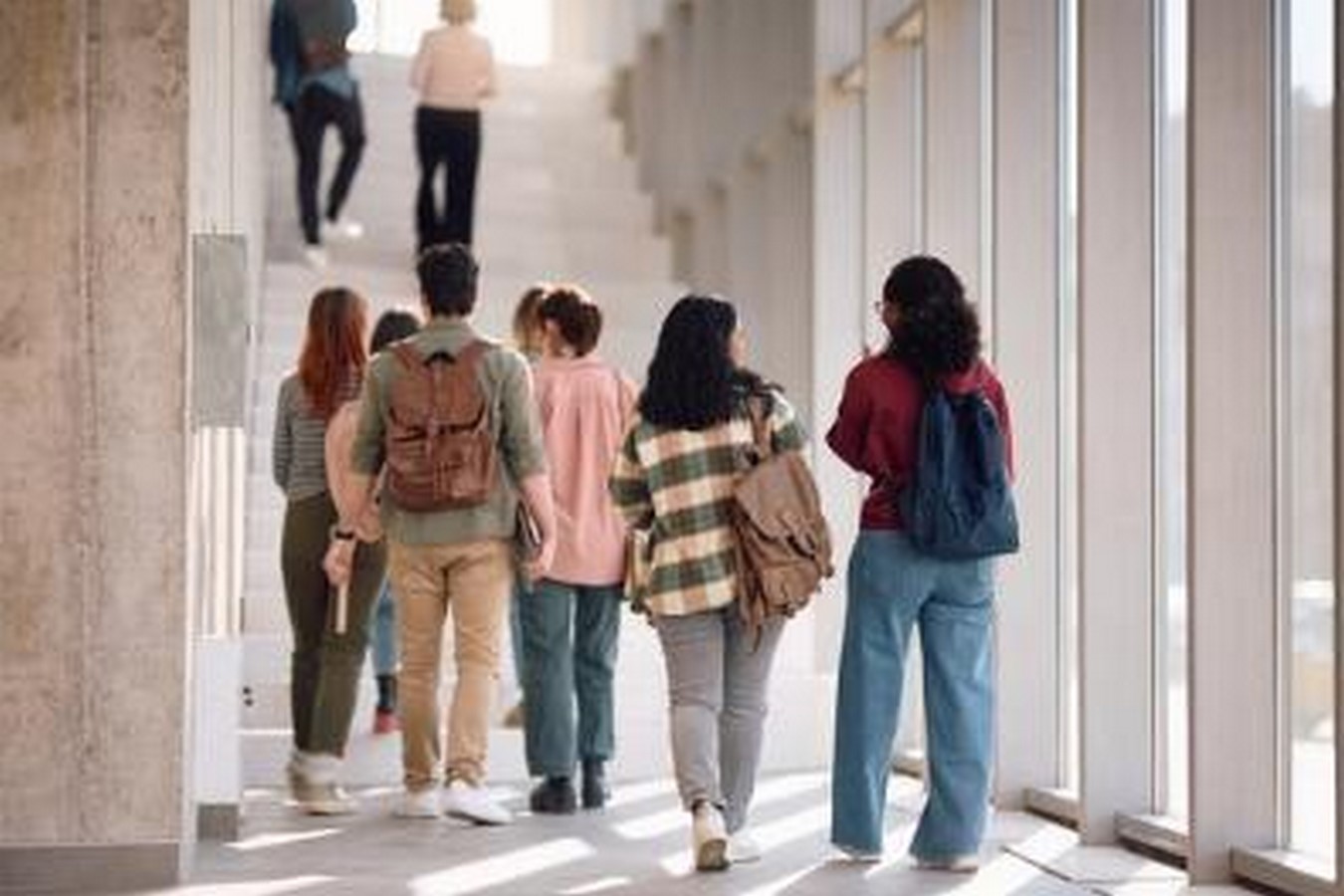
- College corridors were a means of transitioning whispers more than a transition space.
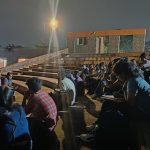
Architecture proves to be a silent witness when a campus has seen your first presentation, a nook knows the first book you have ever read, and a stage recalls the first dance performance. All these spaces connect their core function with user experiences that strengthen the mind for stockpiling memories.
Architecture tourism coinciding with Academic Learning
Beyond sightseeing, architectural tourism fosters engagement between a place and a visitor. A relatable communication with the monument, which was once studied in textbooks, lectures and studios, triggers the memory to reconnect with the academic learning. Memory architecture allows buildings to create a safe margin for past learnings to recover.
For instance, enlightenment of the royal heritage of Rajasthan is taught in colleges through spatial zoning, architectural elements, photographs, and theory lectures, but visiting the place transforms the theoretical knowledge into practical impressions. Relating the ideas and concepts with observation is a recollection mechanism for memory architecture, as a particular column type or an intricate stone detailing reminds students of the history of architecture. Therefore, architecture tourism becomes a wisdom dialogue when memories are revived by the physical experience of buildings and are transmitted through social participation.
A Walk through Sensory-Driven Architecture
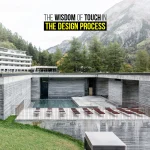
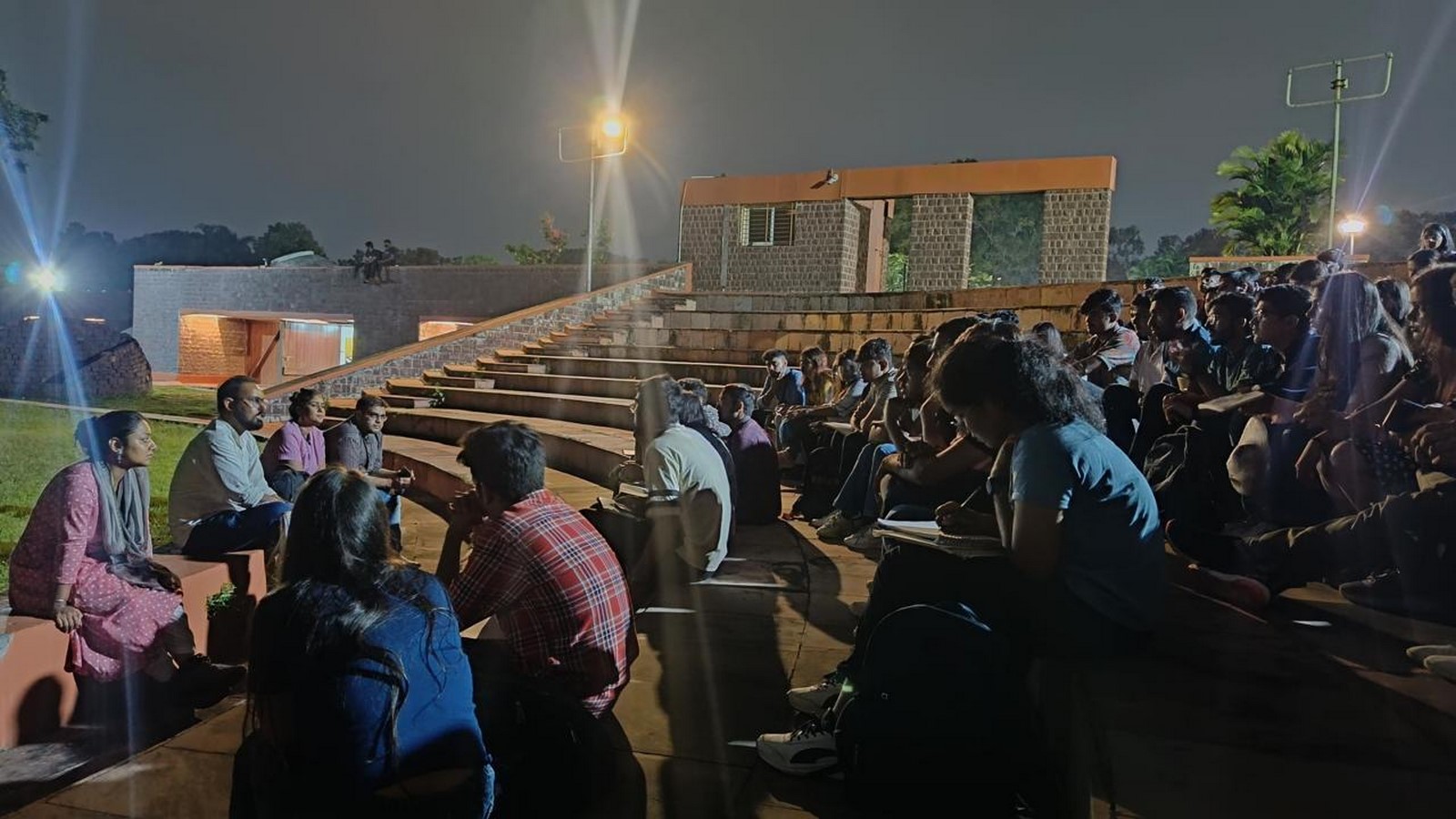
Sensory-driven architecture encounters visitors, gaining experiences in a space by a whimsical game of light and shadow, encompassing serene sound and a tactile sensation upon touching. When a space undergoes multiple senses, it tends to remain in your memory for a longer period of time.
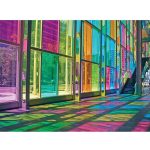
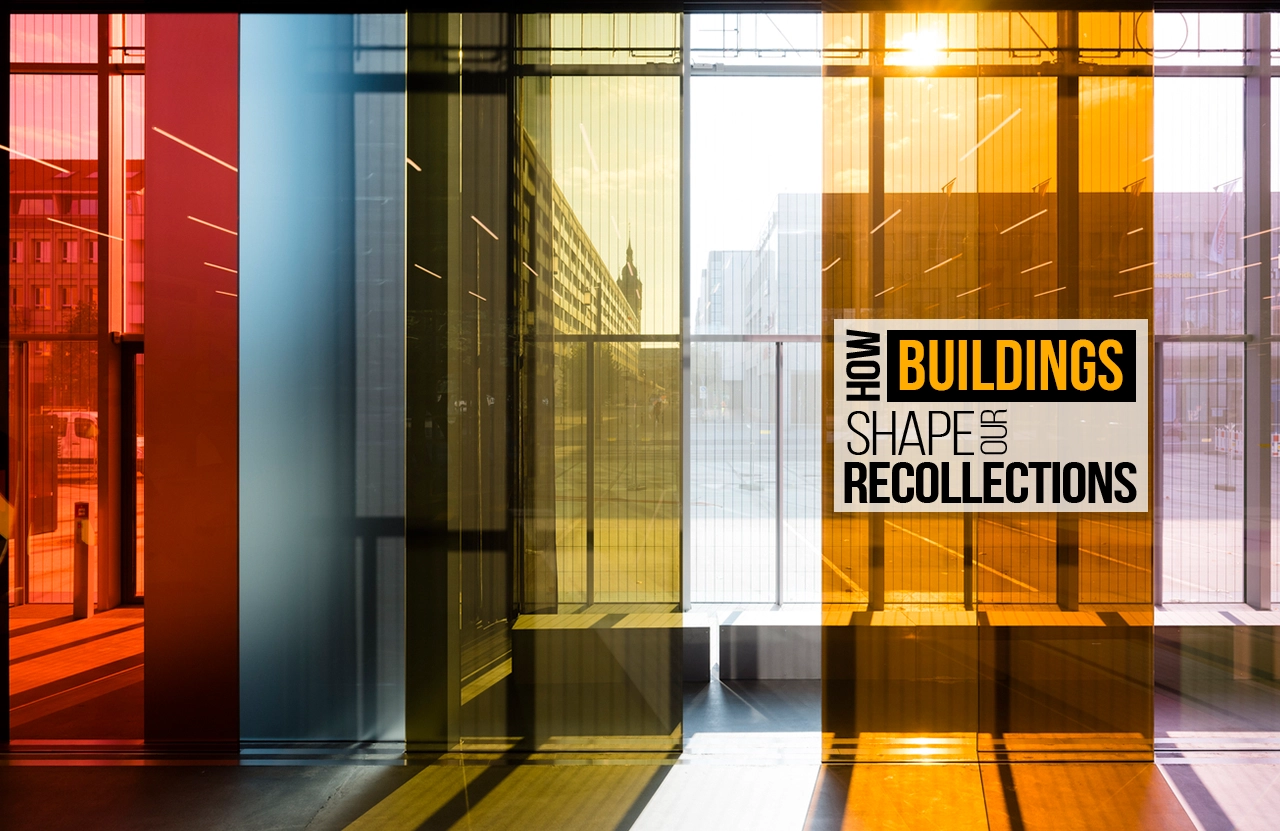
The visual experience and the soundscape environment create a lasting spatial impact that a user recalls the space by the echoing sound of a corridor, the tactile sensation of a stone column or the gleaming interplay of colourful light by tinted windows. Human memory is strongly associated with sensory architecture, whether it is the access of bright daylight in the courtyard or the echoing sound of students in a studio; these are the experiences that curate a long-established memory journey.
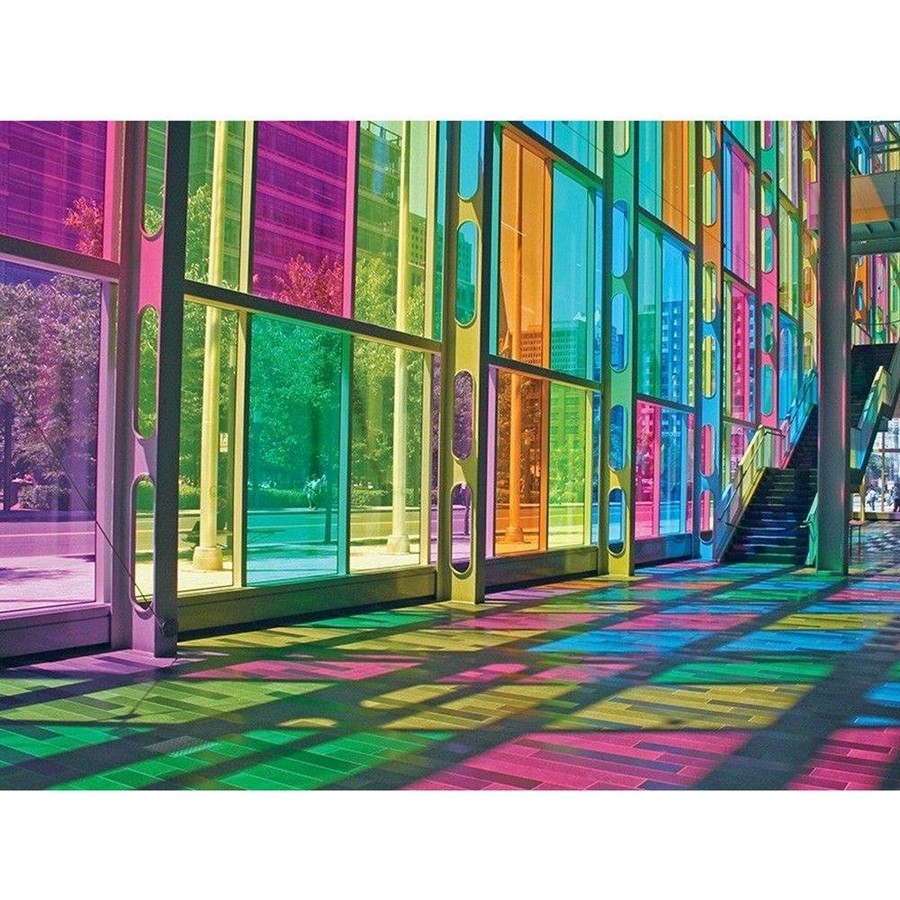
Historical Timeline embracing Patina
Memory architecture also marks the history of buildings with a due presence of Patina. Patina refers to the brown coloured firm layer on the wall due to oxidation and natural weathering. It often represents fadeness and discoloration when a space is being unused for a longer period of time. Physical damage in the materials constitutes the memory embedded in a space, a surface touched by many and a room filled with daily activities.
Unlike the new materials, a building’s authenticity and depth can be observed by its historical and cultural character crafted by artisans that leaves a lasting impression. A space tends to possess nostalgia and emotional connection when it begins to narrate anecdotes.

A Building: Container of Memory Architecture
Architecture acts as a personal archive responsible for collecting memories in the form of surfaces, spaces and sound. The sequence of spaces within a building defines the sequence of memories one collects. As a visitor proceeds with a movement in space, it beholds a transition from an open entrance followed by a semi-open corridor to an enclosed hallway. These transitions emerge a series of emotions which result in the development of memory architecture.
The gradual process of remembering starts with the transitioning of spaces from open to closed, public to private and traditional to modern, providing users with the layers of remembrance. Architecture is a bundle of movement, where transition spaces are tied around carefully, creating memorable points of a building, signifying experience through atmospheric, illumination and visual changes.