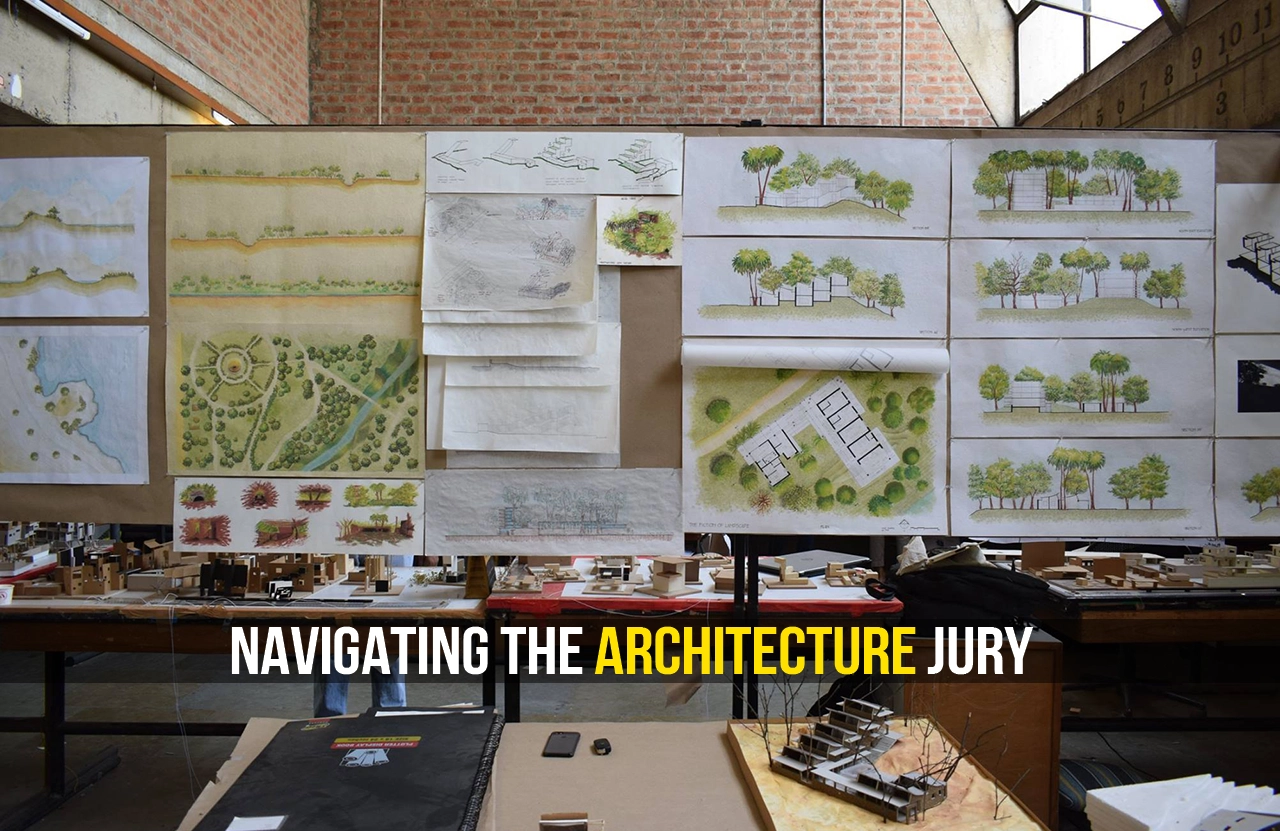
The word architecture jury holds a different level of perplexity. The architecture jury is one of the most intimidating parts of the architecture school. Explaining, defending months of work while answering before experienced critics can be overwhelming however anxiety in architecture jury is very natural and manageable.
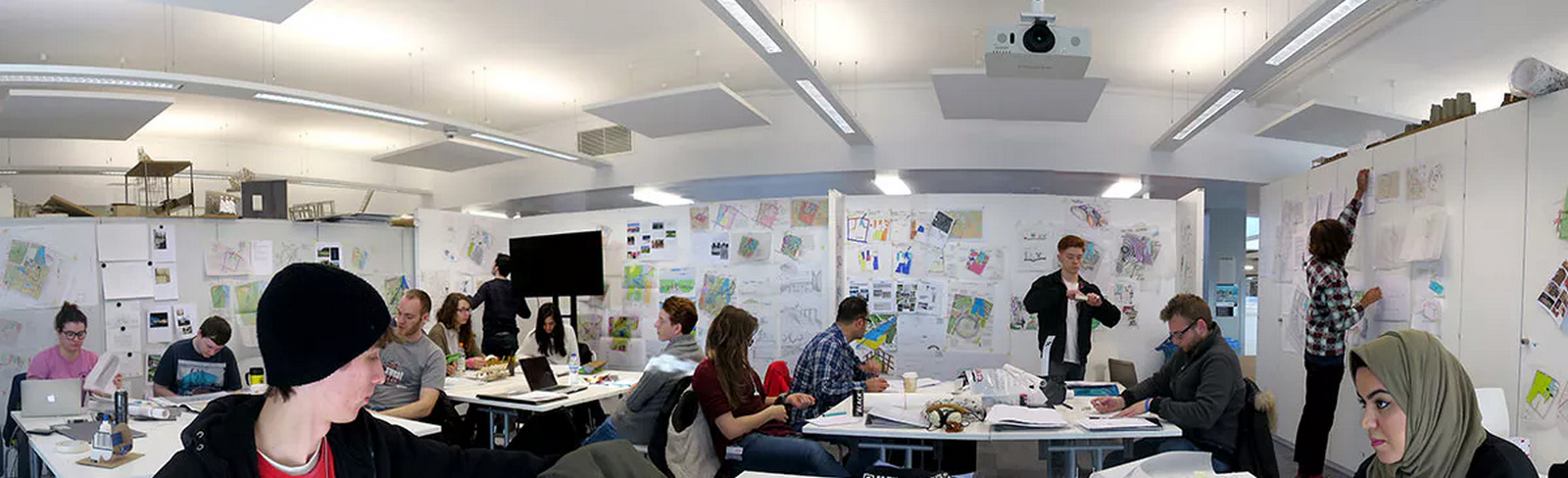
It is very important firstly to change the perspective towards architecture. A jury is a dialogue, not a battleground. The purpose of critics is to learn about the design philosophy and not discourage anyone personally. Secondly, get ready beyond the sketches and drawings. Understand the concept, site logic, structure, sustainability tactics, and constraints. The majority of jury questions focus on thought clarity rather than design perfection. Practice giving a presentation out loud, preferably in front of friends, and act out challenging questions. Thirdly, manage physical symptoms. The voice and thoughts will be steadier if one breathes slowly both before and during the Architectural Jury. It demonstrates confidence, not weakness, to pause before responding. Lastly, do not attach the project to self-worth. The work is only the subject of feedback. Each Architectural Jury fosters professional confidence, clarity, and resilience.
The top thing that matters even before the jury, is the preparation phase. Confidence on jury day is actually directly proportional to the clarity and depth of your preparation phase.
Start with basics that are conceptual clarity. Be able to explain your design in one clear sentence or paragraph. If you can summarize your idea simply, you truly understand it. Then eventually strengthen the foundation by doing site analysis, climate response, structure, materials, user flow, sustainability logic, and limitations. Most Architectural Jury questions test your reasoning and understanding, not just drawings.
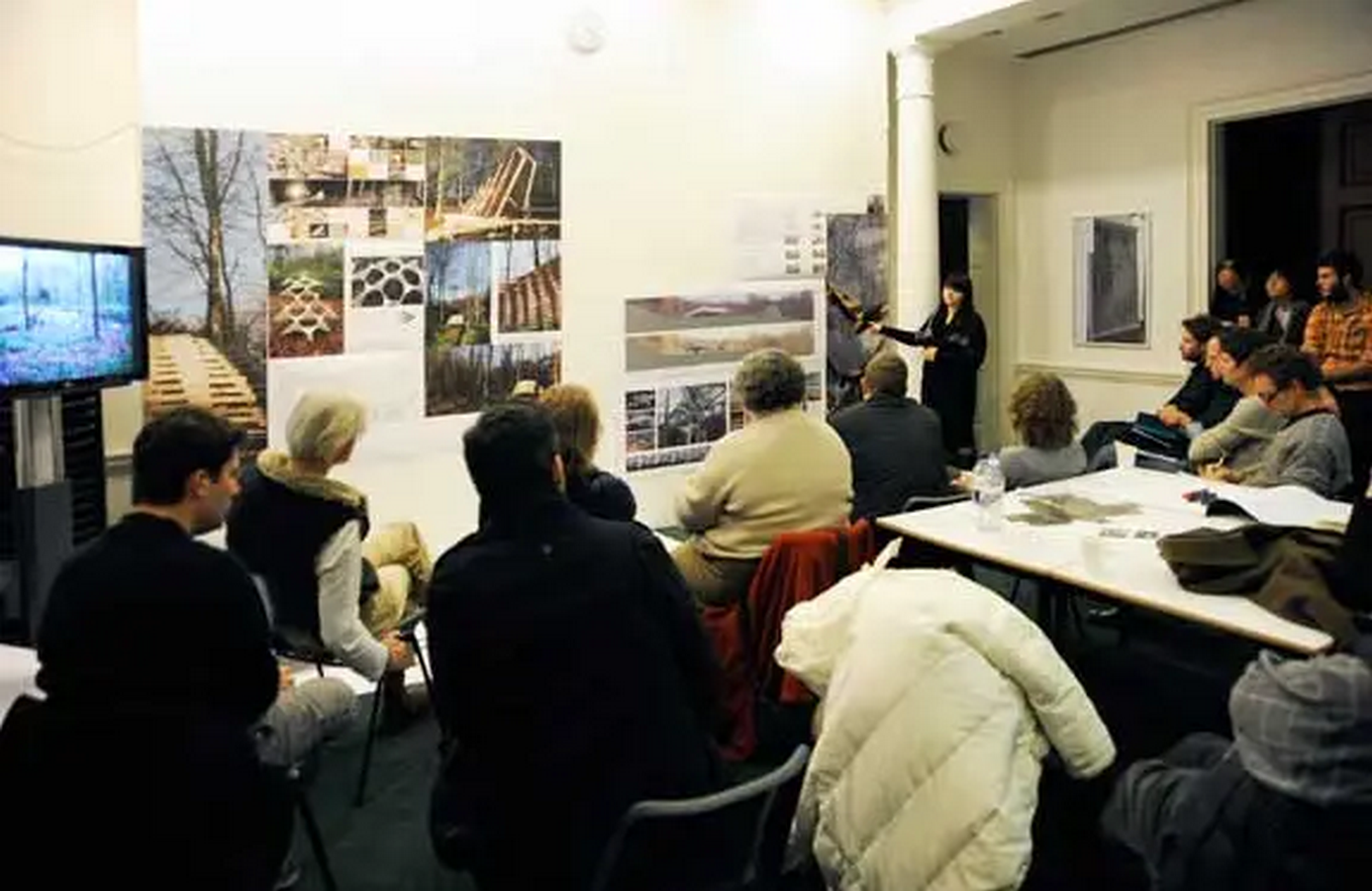
Next, rehearse strategically, maybe do self-recording at least three times and crosscheck your weakness and strength points. Practice your presentation with a timer. Present to friends and invite difficult questions. The more you simulate the jury environment, the less intimidating the real Architectural Jury will feel.
What matters is the process of refinement in the design, so keep intact about the tracings, or the initial ideas that did not work out and how the refinement evolved in your designing stages that matters the most. Also mention the key books you referred to for the design process.
Observe different architects’ jury before final jury, maybe visit an exhibition or visit another college jury ,talk to mentors ,talk to seniors and architects who have addressed this kind of jury. Also before the final jury map out the key points, as every jury has a time limit and one needs to finish in that timeline.
Ensure to document every key design process, that makes easier on the jury day to explain things in an order of linear progression.one can make a short 2mins video at the introduction point like a film trailer and also 2mins video in the middle showcasing sunpath,shadow analysis showcasing entire architecture of buildings using technology like v-ray etc., to showcase your months of work. This would not only help to some breather /buffer moments in between the jury.
In conclusion, most anxiety comes from a feeling “judged.” So it is important to reframe the architectural jury just as a professional discussion. It is not important to remember that one is not defending any crime; one is just explaining design decisions. Most Critics are only testing clarity of thinking and process refinement, not perfection.
The major points to consider and remember are as follows: –
1.Rehearse before the final day
Do not just rehearse only in the comfort of the room. Use a timer to manage your presentation length and ask friends to interrupt with challenging questions. Introducing simulated pressure during practice helps reduce real pressure on jury day, making one more composed and confident.
2.Ensure to have a strong opening script
The first sixty seconds determines the confidence and the flow of the jury. Memorize your introduction. When the initiation of the jury is strong, the body relaxes. Once the flow begins, anxiety drops naturally.
3.Anticipate the tough questions
One should identify and write down the weak areas of the project, clearly understand the structural logic, analyze the climate response, and reflect on the reasons behind specific design decisions. When these aspects are anticipated and prepared in advance, facing expected questions during the jury becomes much easier. Responding to a question that has already been considered significantly increases confidence and composure.
4.Regulate the body and mind.
Anxiety is often physical first and mental second. Therefore, one should focus on calming the body before attempting to control the mind. Practicing 4-4-6 breathing—inhale for four counts, hold for four, and exhale for six—can help regulate the nervous system. Light stretching can release built-up tension, while avoiding excess caffeine prevents heightened restlessness. Ensuring adequate sleep the night before the jury also supports mental clarity and emotional stability. When the body is calm, the voice naturally becomes steadier and more controlled.
5.Detach Identity from project.
One must understand that a design is not a reflection of personal identity. If a critic points out flaws or limitations, the feedback is directed at the drawing and the design decisions—not at the individual. Maintaining this mental separation between self and work helps reduce emotional reactions and allows feedback to be received more objectively and constructively.
6.Backup material
One should keep additional diagrams, sections, or analytical drawings prepared and accessible during the jury. Even if these materials are not ultimately presented, simply knowing that they are available provides a sense of security. This preparedness reduces feelings of uncertainty and strengthens overall confidence during the discussion.
7.Visualize the end, not just the beginning
Instead of focusing on the intimidating beginning of the jury, one should visualize the moment after successfully completing the presentation. Imagining a calm and confident conclusion helps shift the mind away from fear and toward a sense of accomplishment. This mental redirection moves the brain from anxiety mode into completion mode, fostering greater confidence and emotional control.
8.Growth happens in discomfort
Every Architectural Jury contributes to building resilience over time. What may feel overwhelming and intimidating in the first year gradually becomes more manageable with experience. By the third year, the same situation that once caused fear often feels familiar and controllable, as repeated exposure strengthens confidence, adaptability, and professional growth.