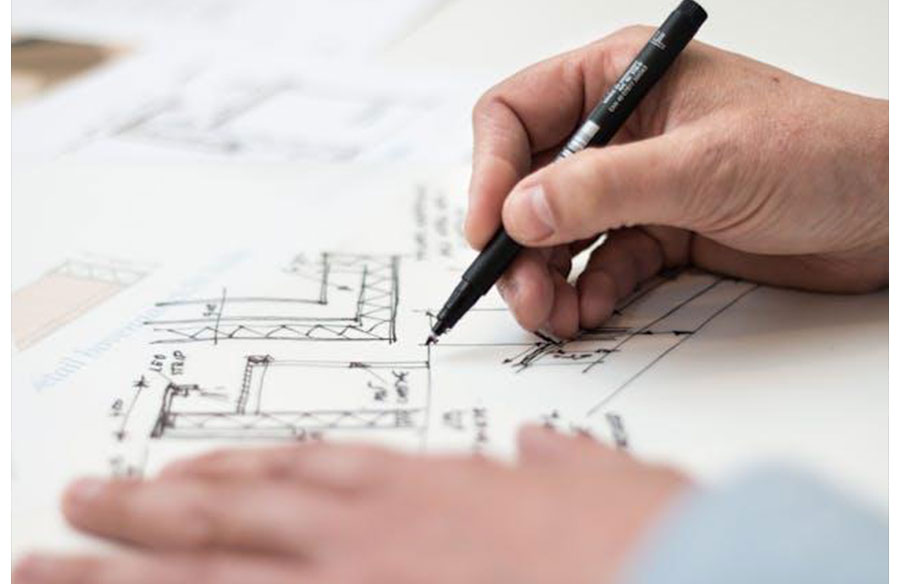
Architecture has long been shaped by permanence. Buildings have stood as static monuments to human ambition. Yet the demands of climate, population, and lifestyle now demand change. The future of architecture rests on movement and adaptability. These principles allow design to keep pace with uncertainty while ensuring long-term sustainability. As you look at architects in 2025, you see that resilience and flexibility define what buildings must become. Architecture now faces its greatest test: how to grow while adapting to the fragile conditions of the planet.
The Case for Movement in Architecture
Buildings that never shift cannot always serve modern needs. Rising temperatures, dense cities, and mobile workforces require changeable spaces. Movement in design creates resilience where rigidity fails.
History offers clues for the future of architecture. Nomadic shelters, folding screens in Japan, and ancient movable structures all reveal how people shaped dwellings to follow needs. Modern kinetic architecture revives this spirit. Facades that shift with the sun, bridges that fold, and theatres with transformable seating show the potential of living buildings.
Technology now strengthens these ideas. Robotics, responsive membranes, and smart materials make dynamic systems realistic. As these tools mature, designers move from theory into application. Movement becomes not a curiosity but a fundamental necessity.
Adaptability as a Core Principle
Adaptability extends beyond movement. It means a design that responds to shifting use, weather, and community needs. Spaces can transform from workplace to leisure zone, or from open layout to intimate corner, with minimal effort.
Modularity plays a central role. Prefabricated blocks, modular panels, and flexible layouts create resilience in use and repair. Adaptive reuse shows another layer. Factories become housing, warehouses become art centers, and empty malls transform into public spaces. The life of a building need not end when its original purpose fades.
Technology again enables adaptability. Sensors track climate shifts inside and outside. Smart systems adjust airflow, light, and energy. These responses reduce waste and support comfort.
Architecture and Human Movement
Movement is not only structural but also personal. People now relocate more often, crossing cities and countries for work or lifestyle. This constant mobility shapes what buildings must provide. Housing that adapts to short-term residents, flexible offices, and transport-linked facilities shows how human movement influences design.
Relocation also connects sustainability to daily choices. A green moving guide can help you make those transitions with less impact on the environment. Just as architecture adapts to shifting demands, the act of moving can reflect conscious choices that minimize waste and energy use. This parallel shows how design and lifestyle work together to build resilience.
Challenges and Tradeoffs
Despite the promise, challenges remain. Movable structures cost more in design and upkeep. Mechanical systems wear out and need repair. Architects must balance ambition to shape new generations with durability.
Building codes create further obstacles. Laws may not yet account for flexible systems or kinetic features. Policy shifts must support innovation while keeping safety secure.
Complexity also raises questions. Interfaces must be simple enough for users. If systems confuse occupants, the benefit is lost. Usability must remain at the core. These tradeoffs underline the careful balance needed between experimentation and practicality.
Paths to Implementation
Pilot projects reveal ways forward. Experimental pavilions test kinetic facades, rotating modules, and transformable interiors. These projects act as laboratories where failures teach as much as successes.
Collaboration drives progress. Architects must work with engineers, material scientists, and software designers. Together, they create integrated solutions rather than isolated gestures.
Digital tools aid this process. Simulation, AI modelling, and generative design anticipate stresses and outcomes. With data, systems can be refined before construction begins. Scaling up from prototype to mainstream adoption then becomes possible.
The Human Dimension
Architecture does not exist in isolation. Buildings affect how people live, think, and feel. Movement and adaptability influence behavior as much as climate or energy.
Flexible spaces adapt to shifting cultural and demographic needs. In dense cities, adaptable housing answers the rise of shared living. In rural settings, movable elements help structures merge with seasonal rhythms.
This human connection shows that adaptability is more than efficiency. It becomes identity. A home that changes shape with the seasons mirrors the lives within it. A public space that adjusts to events builds stronger civic ties. The ability to respond fosters trust and strengthens belonging.
Case Studies and Visions
Examples from leading architecture firms already point the way forward. Dynamic facades in the Middle East regulate heat and light. Theatres with moving walls shift from small gatherings to grand productions. Exhibition halls reconfigure to match diverse functions.
Future visions expand these ideas further. Entire neighborhoods with adaptive infrastructure, floating homes in rising seas, and responsive towers in growing cities show how adaptability scales from building to urban level.
Comparison across projects shows that success depends on integration. When adaptability is designed into the structure rather than added later, efficiency rises and costs fall. Lessons from these experiments will shape the next generation of design.
Outlook and Recommendations
Technological advances will continue to shape possibilities. Smart glass, AI-driven systems, and bioclimatic skins lead this trend. Architects must remain curious, testing new methods rather than repeating old formulas.
Practitioners should start small. Modular interiors or adaptive shading systems build skill and confidence. Over time, larger projects can emerge. Policymakers must also provide incentives for sustainable flexibility. Training and education must prepare future architects to design movement and adaptability as norms.
The future of architecture requires seeing permanence as a myth. Resilient design accepts flux, embraces change, and responds to context.
What The Future Holds
Architecture cannot stand still when the world moves. Movement and adaptability align sustainability with human experience. They allow buildings to live and breathe alongside the people who use them. The balance between technology, culture, and ecology makes these ideas more than experiments. They are necessities.
The future of architecture lies in buildings that shift with need, survive with resilience, and inspire through change. By embracing sustainable movement and adaptability, you help shape a built environment ready for the century ahead. The call is no longer optional: change must become the very language of design itself.