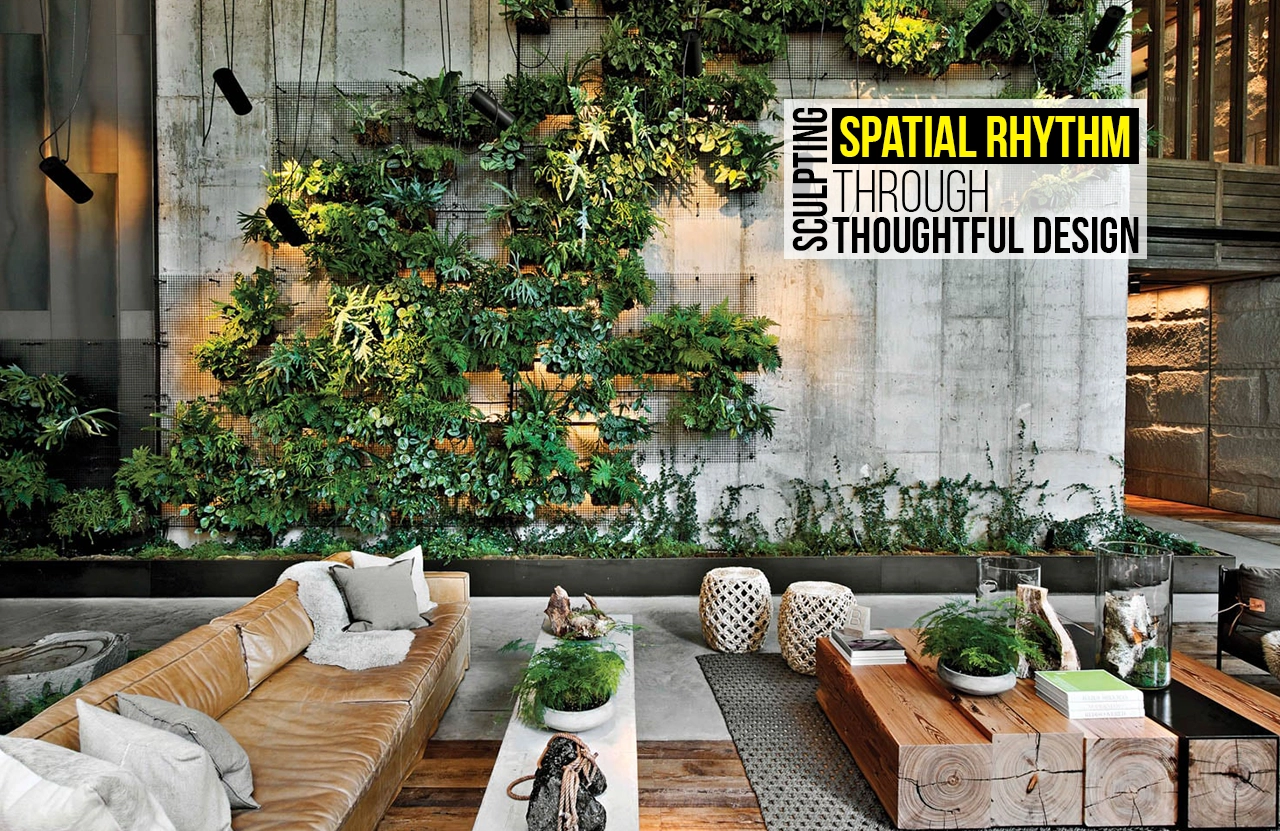
The connection between spatial design and guest experience starts with the groundwork. From the first impression to the overall experience, it turns a blank white canvas into colorful memories. The visionary experience has the potential to shape guest’s minds with how they move around, notice, and feel during their visit. The right design,material, lighting, furniture, and even signage can influence this. A good approach to successful spatial design begins with design research and communication.
The unfolding
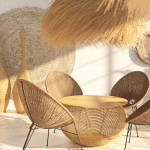
The first impression is more than just an entrance gateway; it is at this point that the guest either settles down from the chaos and makes them at ease or welcomes more cluttered thoughts. A minimal lobby with gentle light promises an uncovering experience ahead, whereas a grand entrance with high ceilings and decor kindles a luxury feeling. The beginning can distinguish the quality that the space can offer- durability and sustainability. Prominent furniture made from sustainable materials with signage highlighting their origin reflects the spatial character and reassures the guest of the transparency they can offer.
Another strategy is the open layouts-it encourages social interaction ,visual connection that awakens the senses, and bursts energy. A familiar aroma can also bring a sense of belonging and transport the guests to the realm of comfort, creating abiding impressions. In essence, each design should be multisensory to weave a resonant environment. This involves an exquisite interplay of light,material, and form.
Involving Sustainable practices
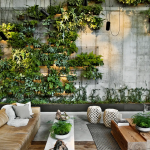
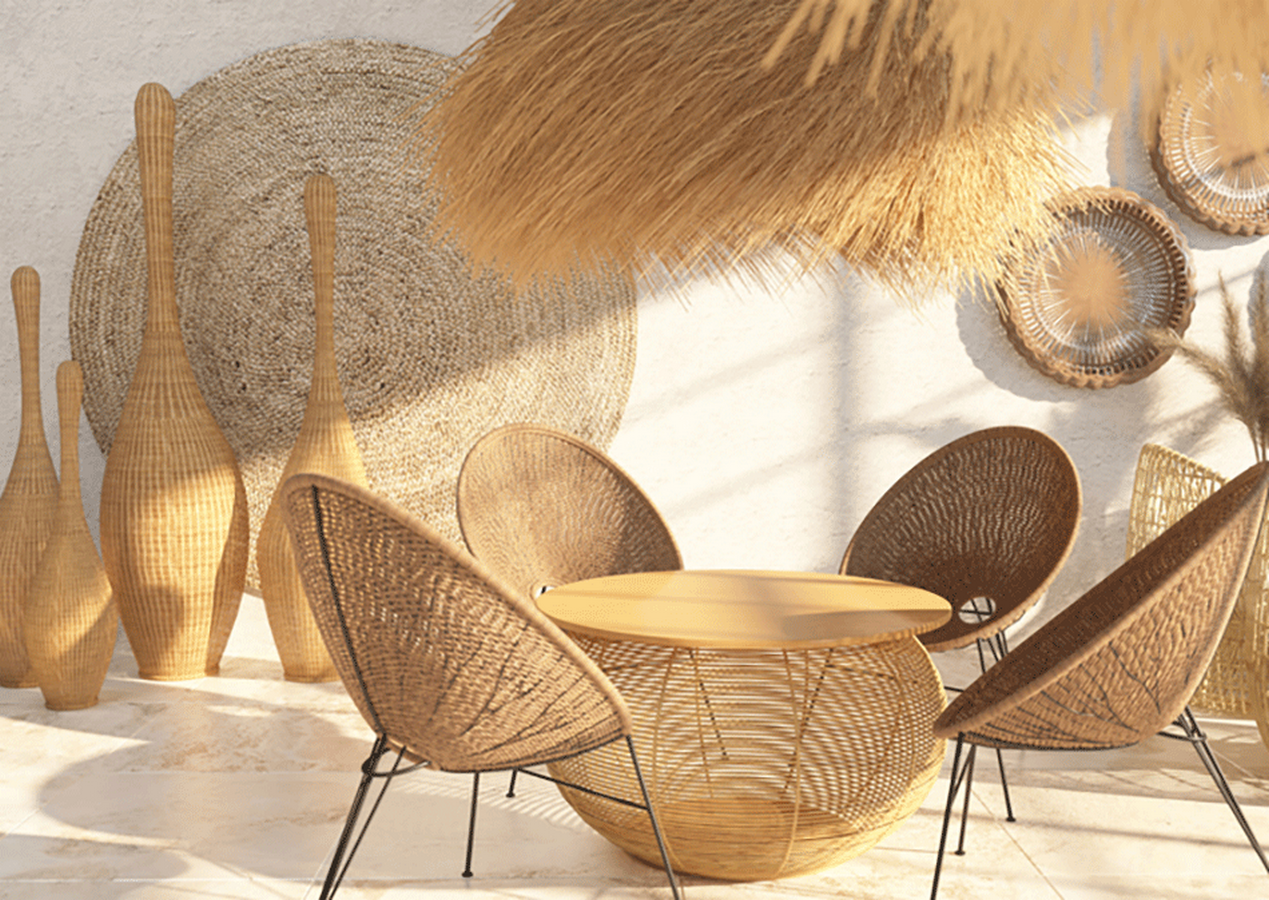
The practice of sustainability can not only heighten the guest experience but also create a storytelling affair with the guest. Utilising eco-friendly furniture options crafted from recycled wood or upcycled fabric for a unique aesthetic.Adding plants as pathways creates an effortless calming sensation and a distinguished connection with nature, with improved air quality. The air quality can impose focus and stability on the human brain. Likewise, the changes in flooring materials or ceiling height variations manipulate the smooth movement. This can be applied for improving the aligned behavioral patterns each space can offer, a museum or exhibition in particular.Energy-efficient lighting, including large windows or skylights, to enhance the interior and reduce unnecessary energy consumption.
Biophilic Design
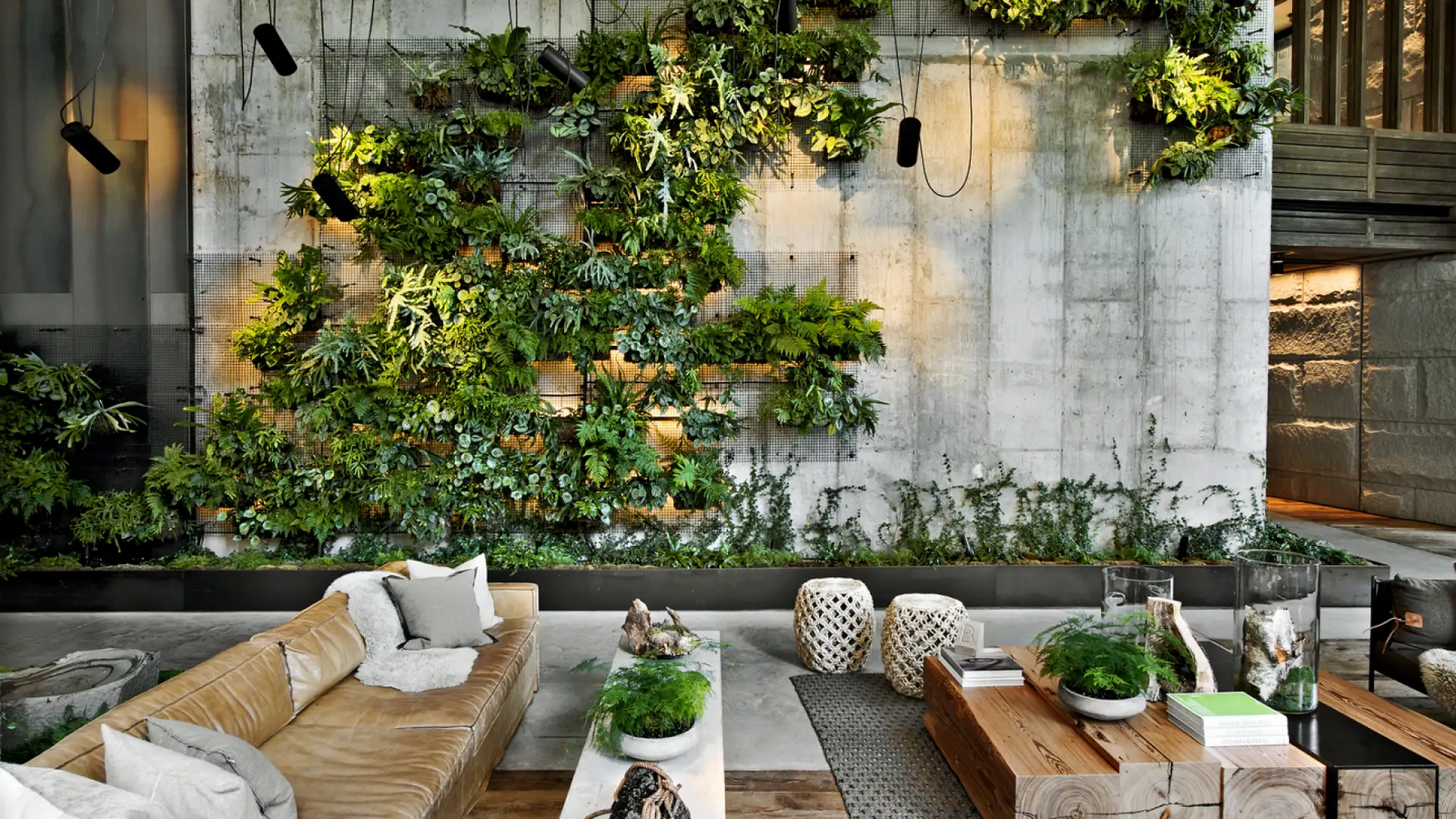
Biophilic design is the integration of nature into human built environments to create a harmonic atmosphere combining physical space, mood and the overall quality of the space.Warm lighting may create an inviting environment meanwhile natural lighting can boost mood and decrease stress in humans.A well planned proper ventilated space provide a healthier atmosphere with improved sensory perception.These elements are crucial in creating an engaging and pleasant experience.A water body can be not just a functional space, but a highlighted craft through significant architectural design.
Elevating experience through materials
Materials should serve a precise purpose: defining a space. They master the insights through visual,touch, and sound absorption. Natural materials evoke authenticity and transparency while polished surfaces carry modernity. Another regard to this is acoustics. Sound can influence the emotional response of guests. When sound becomes unwanted and disruptive,we call it noise. It can directly obstruct the working balance of the human brain. Various acoustic solutions that incorporate function and aesthetics are available in the current world, similar to ceiling wave systems or custom-made baffles.
Color Schemes and Psychology
Color is a profound tool that can influence emotions in hospitality. Understanding color psychology is essential for creating environments that enhance positive experience. Warm colors like red,orange, and yellow are associated with energy and happiness, while cool colors such as blue and green are associated with calmness and relaxation. The entrance doorways in hospitality design are usually designed with neutrals to create a more inviting atmosphere; meanwhile, earthy tones in a wellness area entrance ensure a rejuvenating feeling.
Accessibility
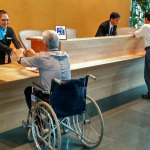
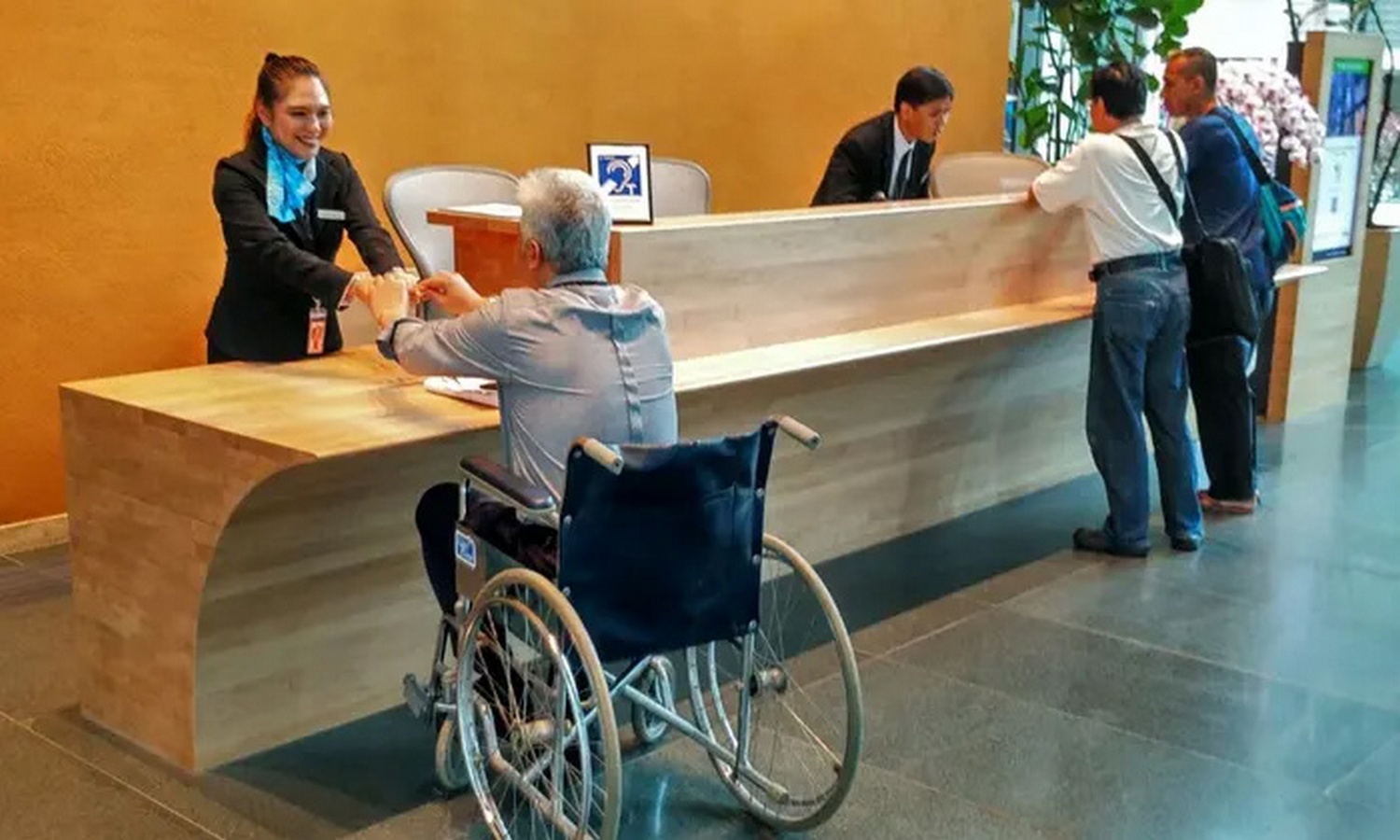
Accessibility is more than a regulation; it is about creating a space that celebrates everyone and promotes inclusion in humanity. Ensuring each space is enough to accommodate wheelchairs, whether it be entrances,pathways, or rooms, and providing proper signage, is a crucial part of this. Approachable service also makes the guest feel valued if clearly dealt with professionalism and empathy. Clear communication and effortless integration of technology to enhance convenience throughout the guest’s journey make way for a successful experience.
Spatial design is a craft that designs experience from the moment a guest enters to the moment they depart. Thorough inspection of the form, light, and storytelling shape environments that stay in the core memory of the user. The mindful integration of technology into spatial design by adding smart systems can enhance the guest experience. Ultimately, successful design balances nature,aesthetics, and functionality of a space that turns each experience into a memory. It can create and wreck the boundaries, making a sense of belonging or a series of obstacles. When spatial rhythm is curated carefully, movement feels effortless and engaging, which invites exploration.
References:
Image 1:
https://www.europeanbusinessreview.com/sustainable-furniture-brands-duitable-for-todays-homes/
Image 2:https://www.1hotels.com/thefieldguide/the-beautiful-powers-of-biophilic-design
Image 3:
https://www.weareprogressive.com/insights/why-universal-design-is-the-best-way-to-transform-your-hotel-reception-area