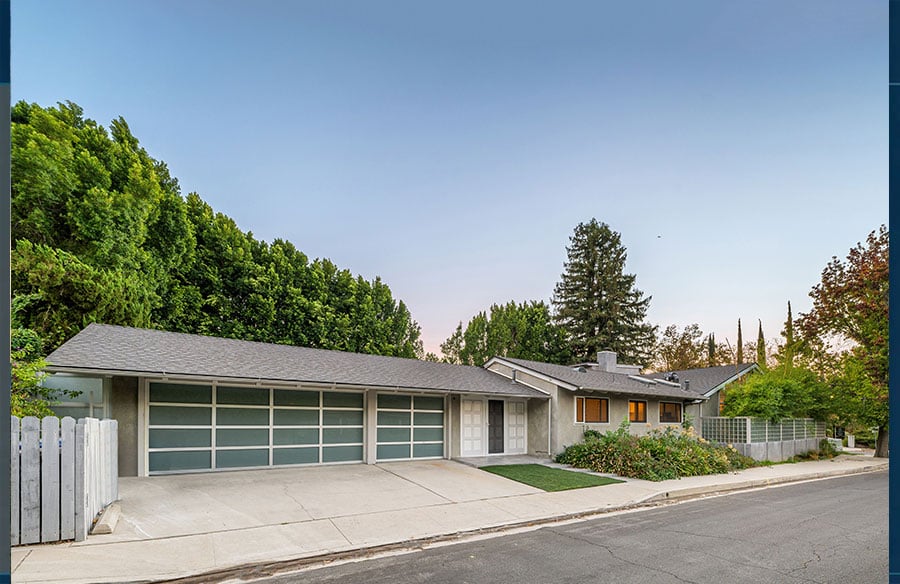
In the Pacific Northwest, some homes are like forgotten treasures. Among them are the Rummers, Oregon’s answer to California’s iconic Eichler homes. Built by Robert Rummer between 1959 and 1975, these post and beam marvels were a bold experiment in blending the indoors and outdoors. But with only about 750 ever built, they represent a vanishing piece of history.
For modern architects and preservation minded buyers in 2026, the real challenge lies in finding these hidden gems. In today’s digital world, where data is often categorized in rigid boxes, a Mid Century Modern home can get lost in the shuffle, often lumped in with generic 1960s Ranches. This “discovery gap” hides architectural masterpieces in plain sight. Enter Semantic Architectural Discovery, where artificial intelligence is stepping in to change the game.
Moving Beyond the Keyword Trap
Traditional real estate search engines are limited by a simple problem: they rely on keyword matching. If a listing agent doesn’t use the right buzzwords, the property might as well not exist. We’ve all seen it, a stunning glass walled home tagged as “Single Family” when it’s clearly a modernist masterpiece, missing the mark entirely.
That’s where Semantic AI, the driving force behind platforms like Deli, comes in. It goes beyond just words, it analyzes the structure itself. AI can recognize the signature features of Mid Century Modern homes: post and beam frameworks, low pitched gable roofs, central atriums. These are the things that define the era, and by spotting them, AI acts as a digital archaeologist, unearthing homes like classic Classic Portland Bungalows or tucked away modernist gems that would otherwise be lost in the noise.
The Urban Logic of 2026
As we rethink what modern living means in the 2026 suburbs, the focus has shifted. It’s no longer just about square footage, it’s about intentional living. Today’s urban professionals want homes that align with their lifestyle. For some, it’s the energy of a Millennial Downtown Portland Condos, a dynamic, city centered vibe. For others, it’s about finding homes that blend performance with soul.
But the real Gold Standard of 2026 is not just location. It is performance. We are seeing a surge in searches for Solar Townhomes and Eco Friendly Condos. Buyers are realizing that a home with an architectural soul should also have a sustainable footprint. This is the new Green Modernism where the radical optimism of 1960s design meets the climate resilience of the future.
Sourcing the Unsourceable
The power of semantic search really shines when you’re searching for lifestyle features that no standard filter can capture. How do you search for “quiet” or “character”? Traditional filters don’t account for these subtle but essential qualities.
That’s where AI comes in. By analyzing the site layout and neighborhood characteristics, AI can help you find Secluded Homes in Quiet Portland Neighborhoods or Cul de sac Homes on Quiet Streets, places that offer peace and privacy, far from the urban hustle. These are properties where the geography itself acts as a natural noise buffer, details that MLS filters often overlook entirely.
The Preservation of the Future
Rethinking the future of design means understanding that the “Holy Grail” of homes isn’t found in a catalog, it’s in the careful preservation of regional identity. Whether you’re hunting for Pre War Homes in Portland with original millwork or Large Historic Homes with Grandiose Porches that serve as community anchors, the goal is the same, you’re looking for a place that has a story to tell.
We are finally at a point where 21st century technology is helping us save 20th century masterpieces. By using tools that understand architectural intent, we can move past the era of Searching and into the era of Discovery. We are no longer just looking for four walls and a roof. We are using the AI Archaeologist to find the architectural soul of our cities.