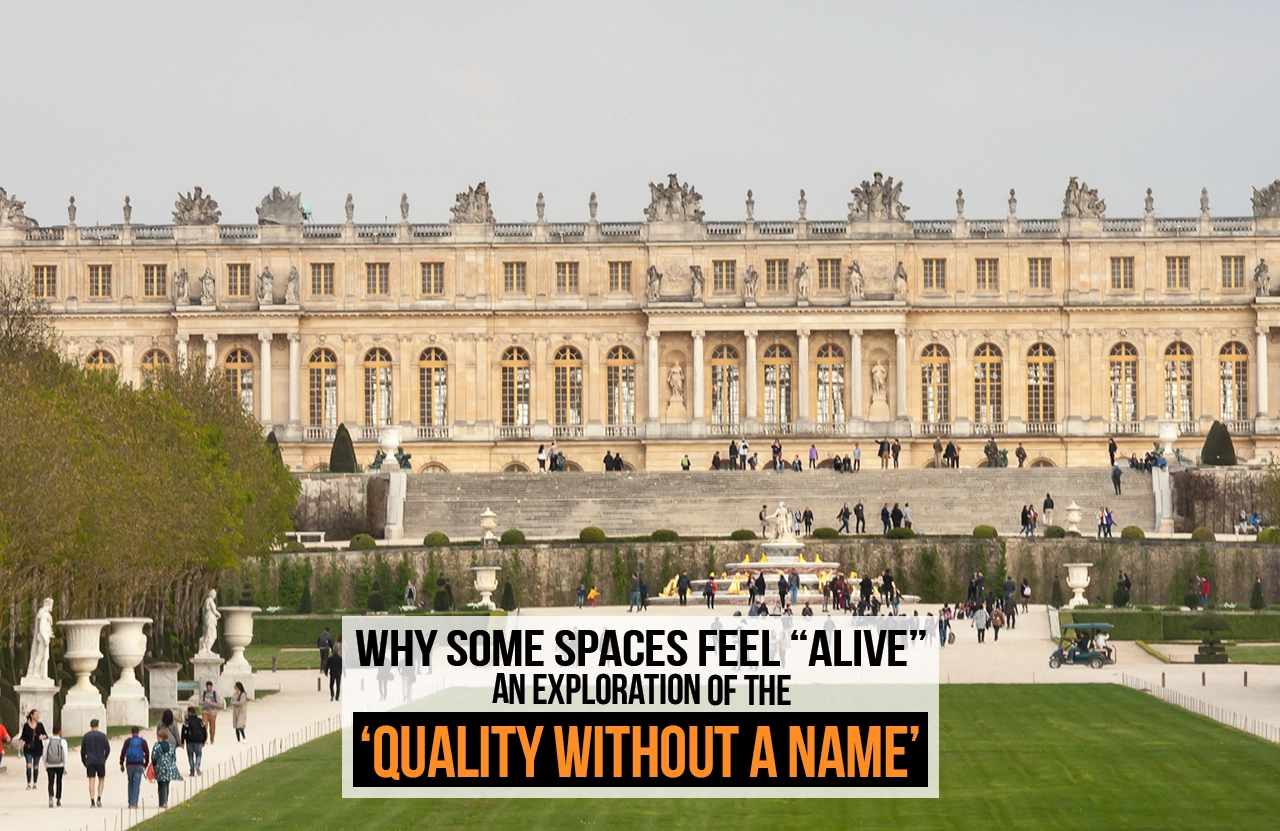
An Exploration of the ‘Quality Without a Name’
A peaceful courtyard, a sun-washed stairwell, a tiny street where shadows alter over time, these are the moments when architecture feels more than just made. It has a vibrant feel. Christopher Alexander called this elusive feeling “the quality without a name”, that mysterious essence that makes a space pulse with life even when no one is there. He described it as the “root criterion of life and spirit in a man, a town, a building, or a wilderness”, something profoundly objective, yet impossible to pin down in words.
Half a century later, the question remains: why do some spaces feel alive while others remain lifeless?
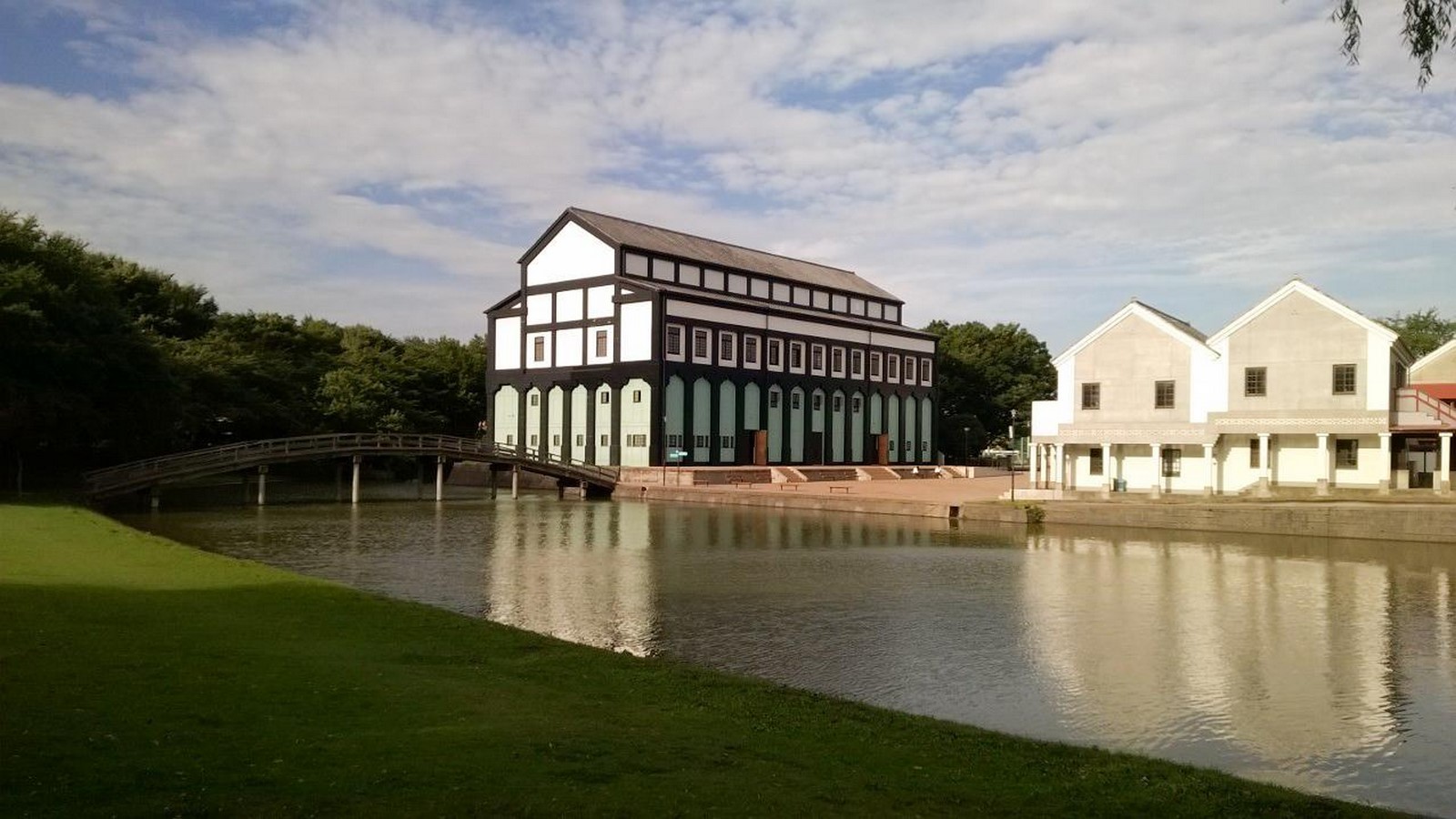
This essay addresses that question using three interconnected concepts: coherence across scales, sensory attunement to the human body, and adaptability across time. Together, they make up the anatomy of what we might call “living architecture.”
Coherence Across Scale: When Space Has a Pulse
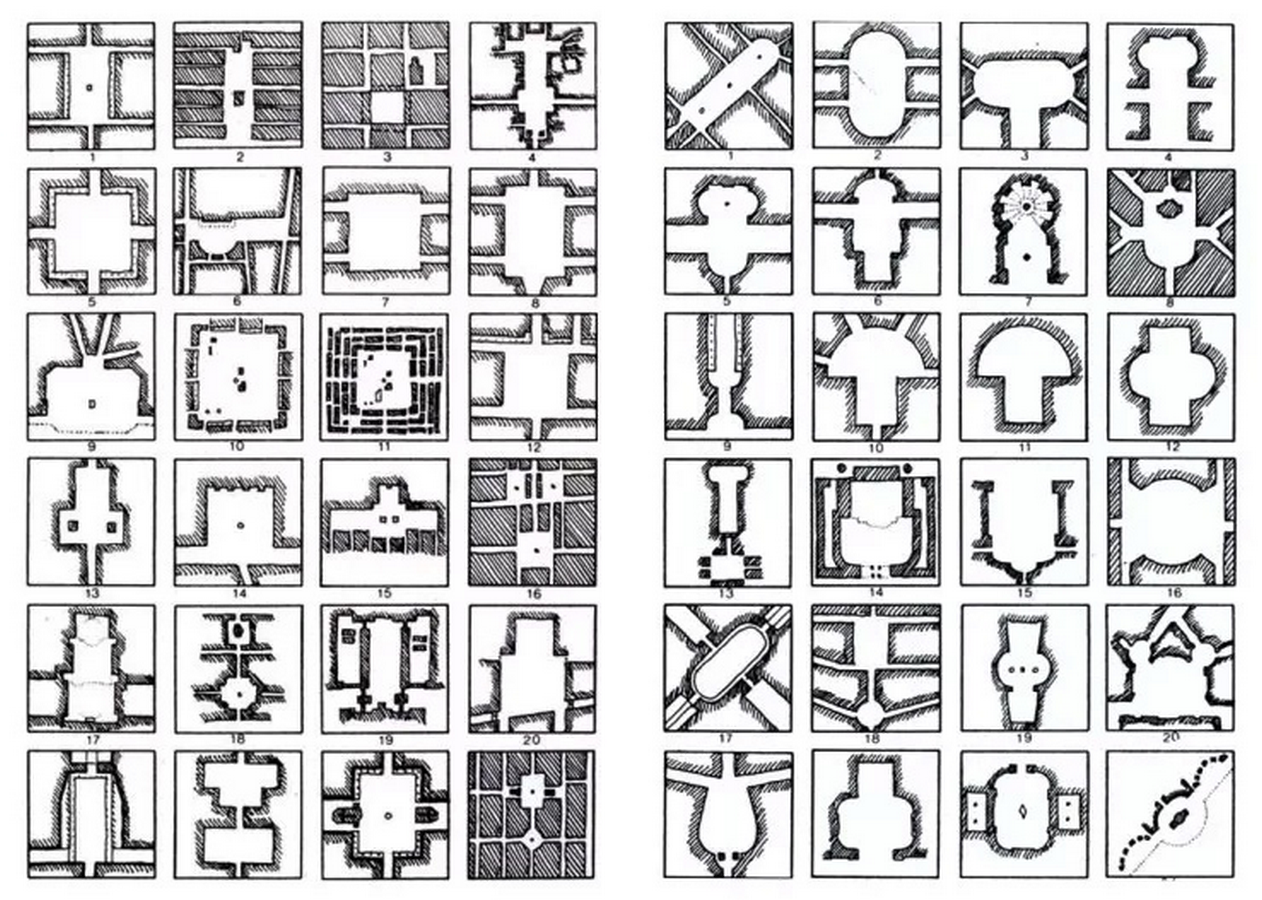
Alexander’s concept of a “living structure” begins with one simple truth, that a building, like an organism, is alive when its parts fit together in harmony. Not symmetry, not order for its own sake, but wholeness.
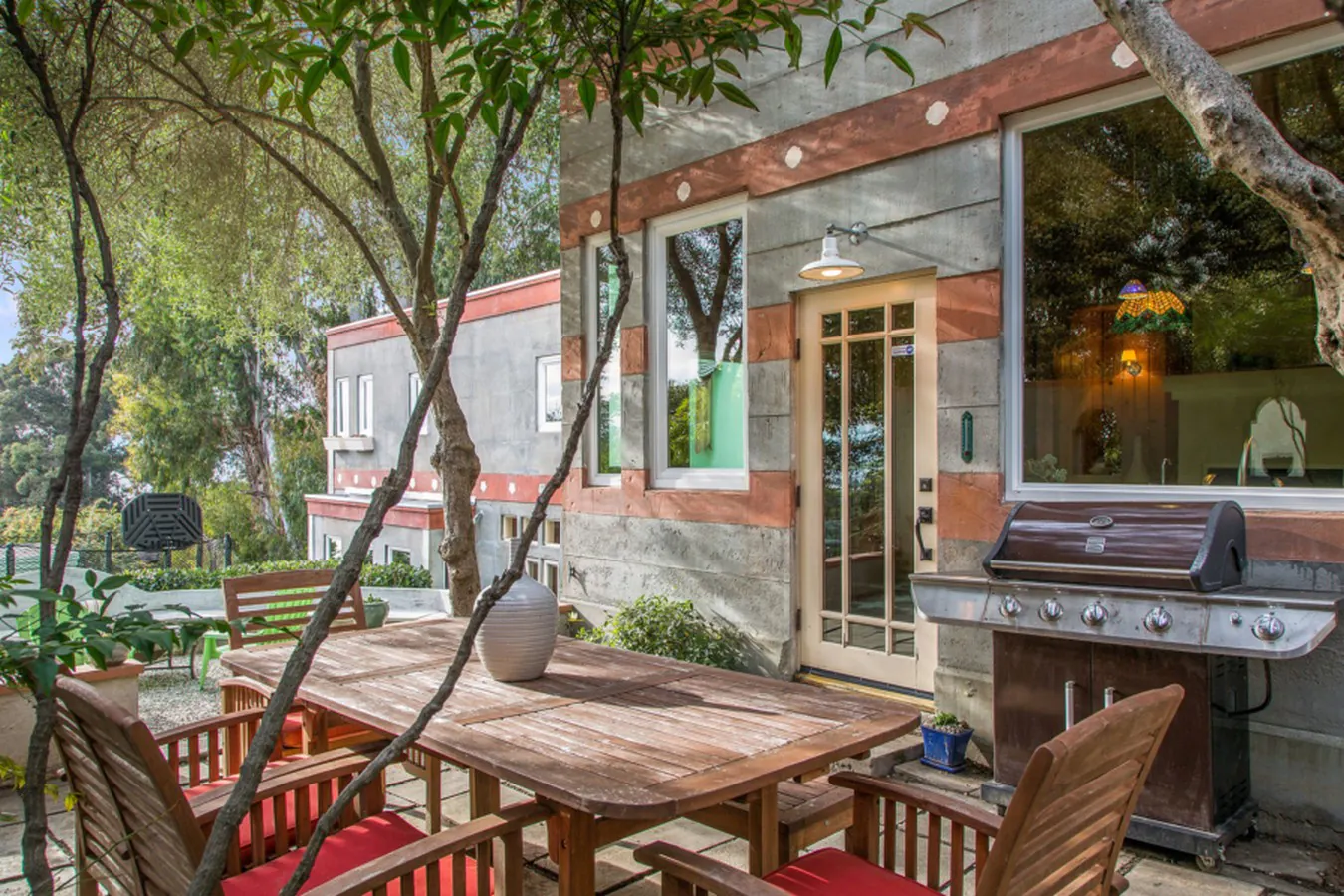
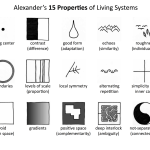
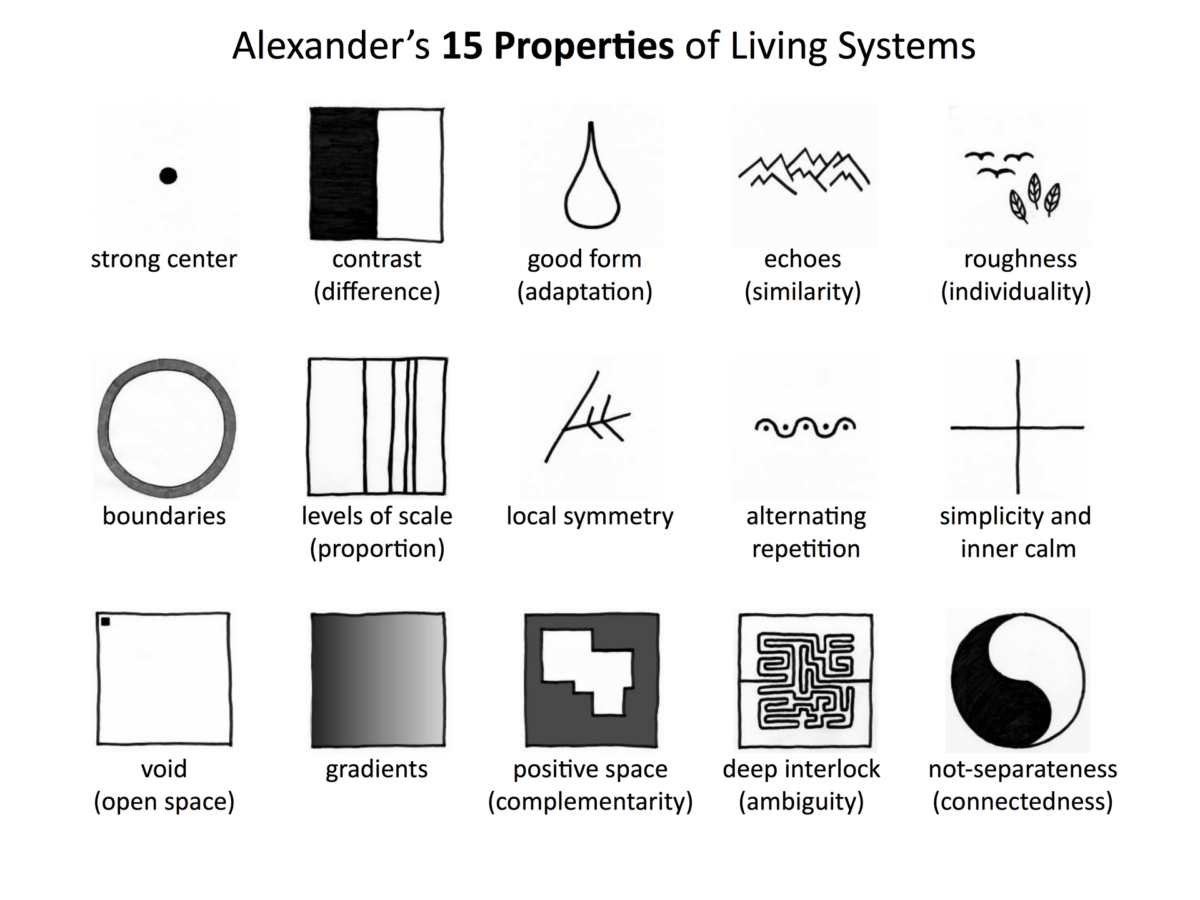
A space that feels alive is rarely a singular statement. It is made of layers, rooms nested within courtyards, corridors branching into alcoves, details that speak to their larger form. Alexander’s fifteen properties, levels of scale, strong centers, deep interlock, contrast, gradients, and so on, form the DNA of such spaces.
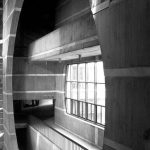
Consider the narrow lanes of Kyoto, where timber screens filter light, or the vaulted interiors of Louis Kahn’s Dhaka Assembly, where each void is part of a greater order. These are not spaces you look at but spaces you feel within.
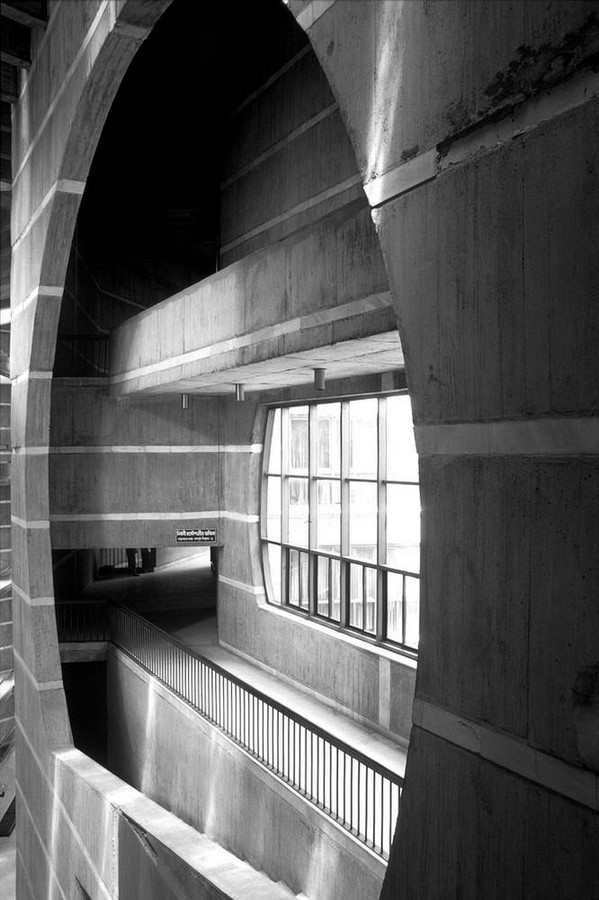
Their coherence is spatial and emotional, a rhythm that moves from wall to window, from the touch of a handle to the vastness of the sky. When this rhythm is broken, space becomes an object. When it flows, it becomes alive.
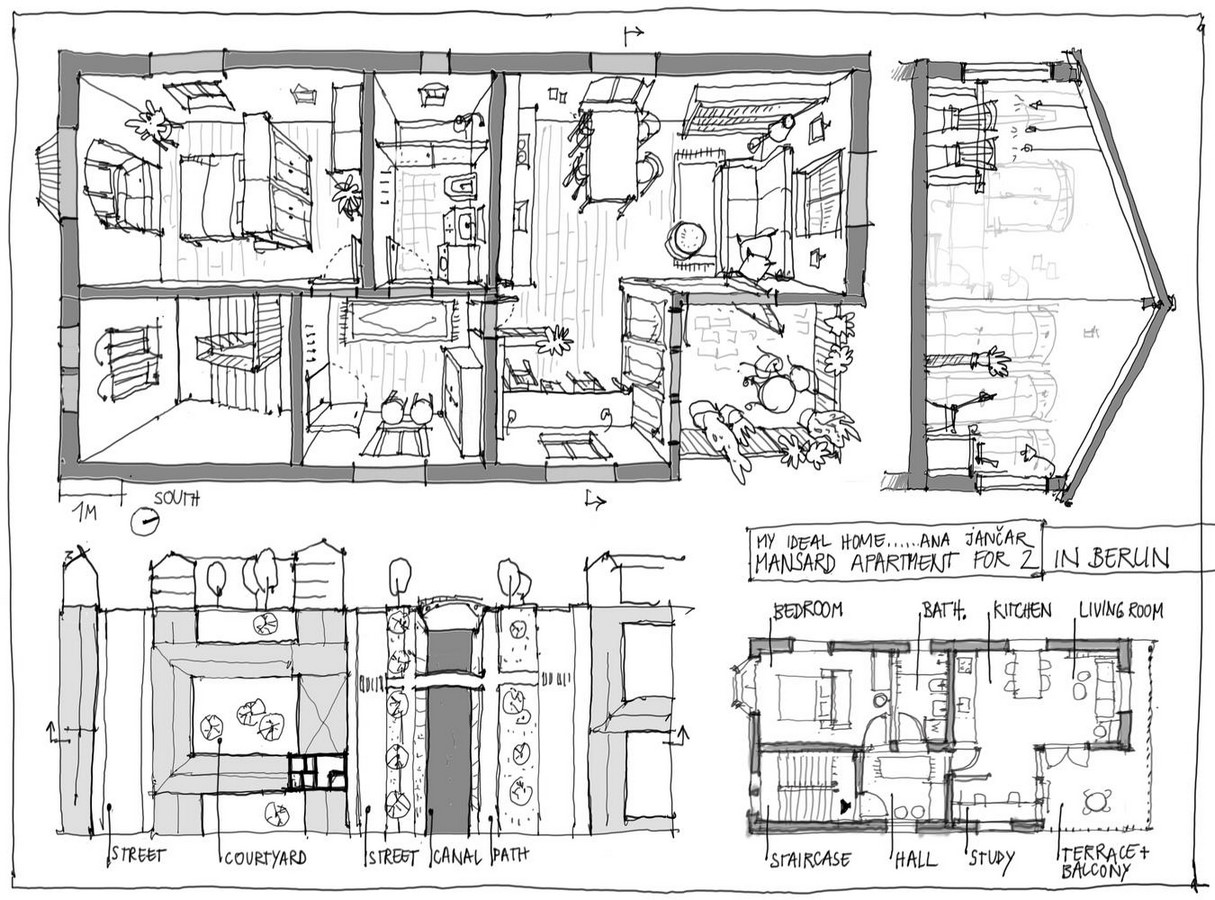
Sensory Attunement: The Body as the Measure of Space
We often mistake beauty for aliveness. But life in architecture is not aesthetic, it is experiential. It resides in the way our body perceives warmth in a sunbeam, the cool echo of footsteps on stone, the smell of timber, the rhythm of a staircase.
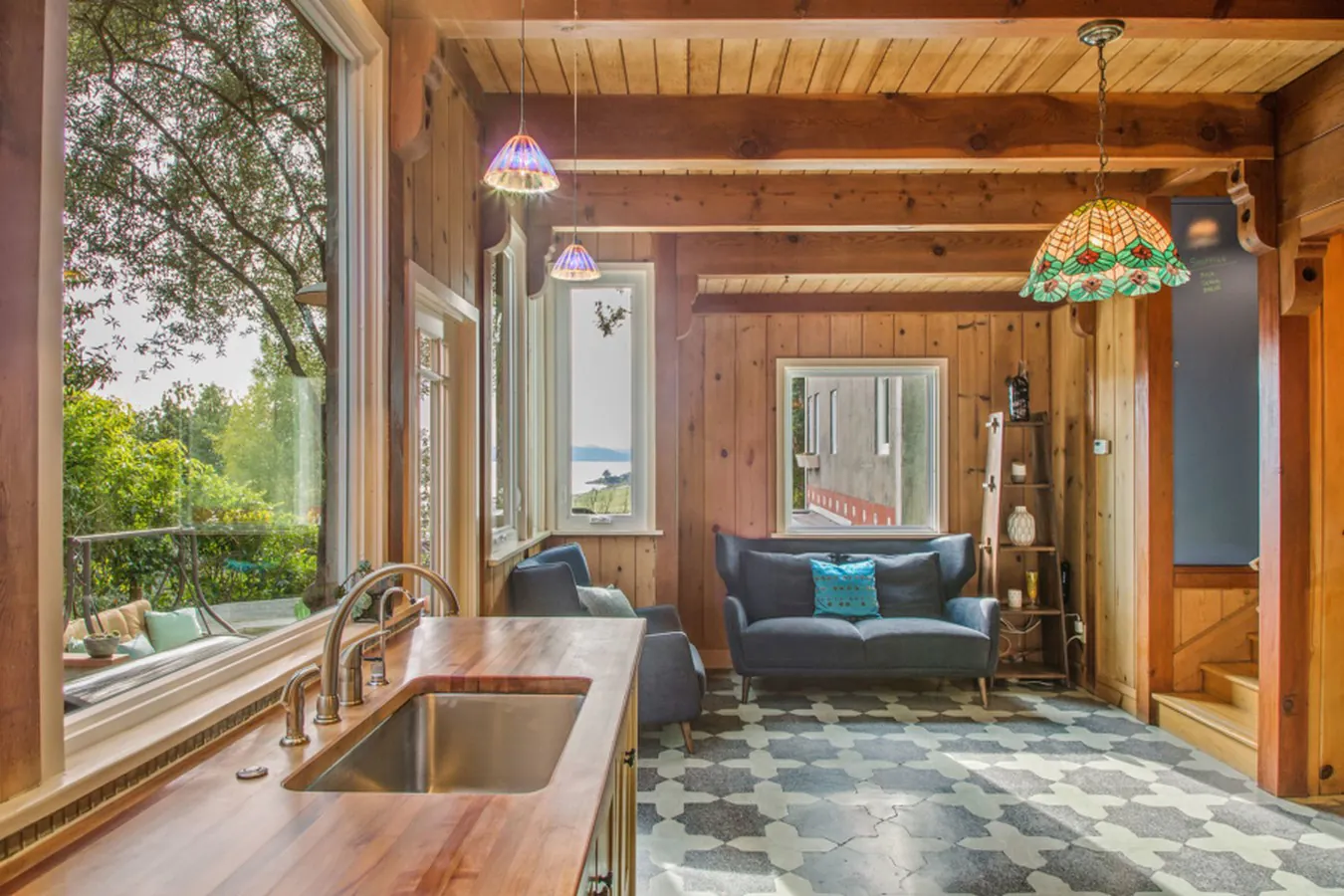
A recent study on spatial experience suggests that the key lies in “stimulating a lived body, emphasising materiality, and generating emotional connection”. That means a space must be felt before it is understood.
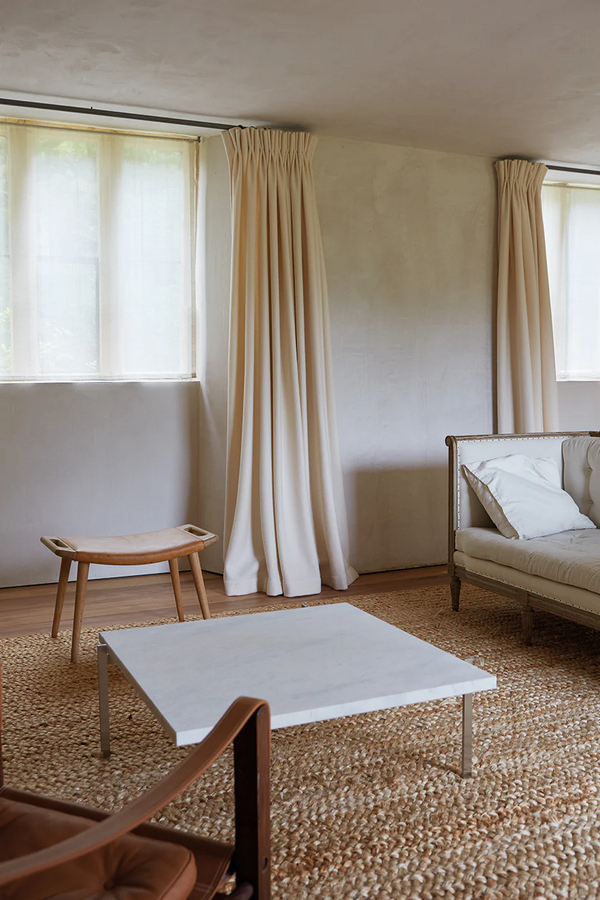
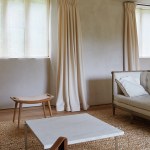
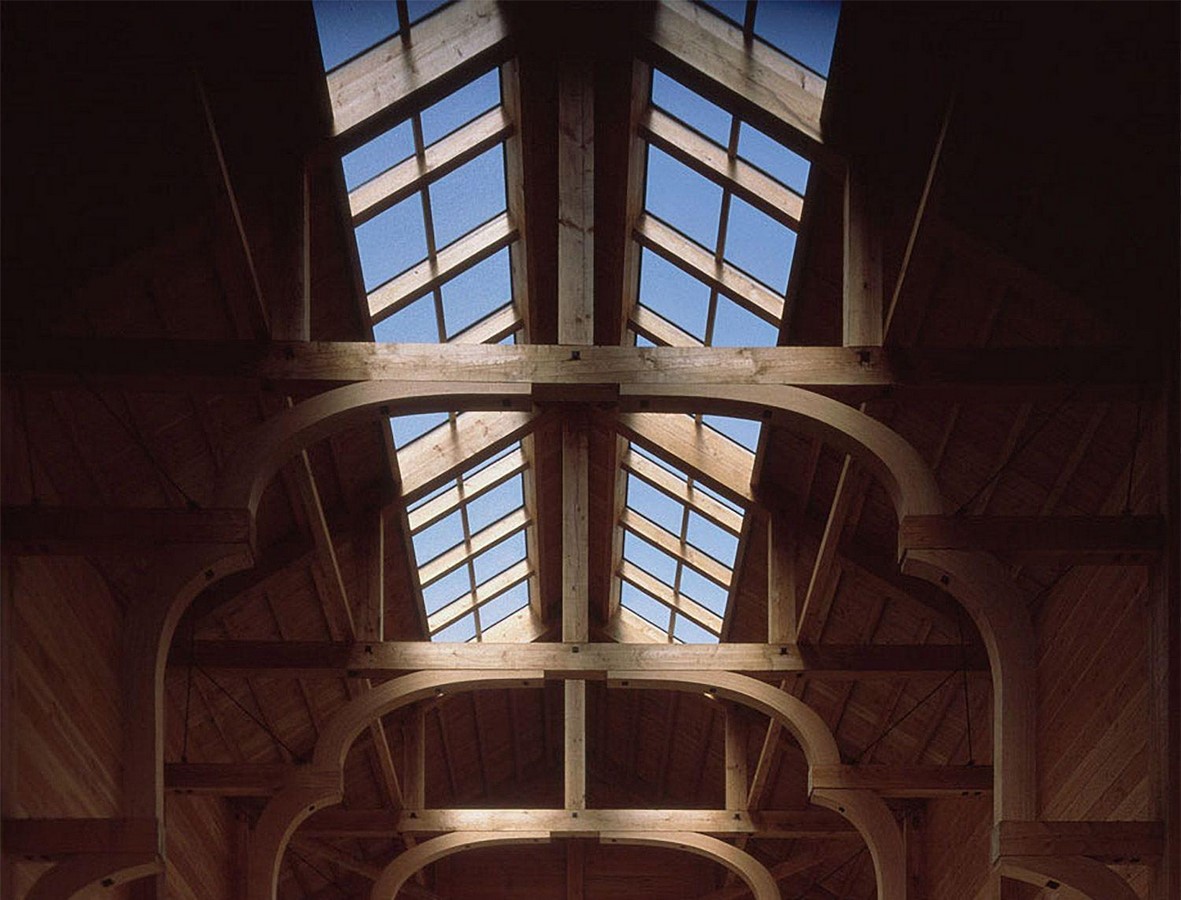
John Pawson once said that what makes architecture come alive are the “internal cues that awaken our senses”. It’s the slow fading of daylight across a lime-plastered wall, the grain of a wooden handrail, the whisper of fabric curtains against a breeze. These small sensory events accumulate into the atmosphere, a form of spatial empathy.
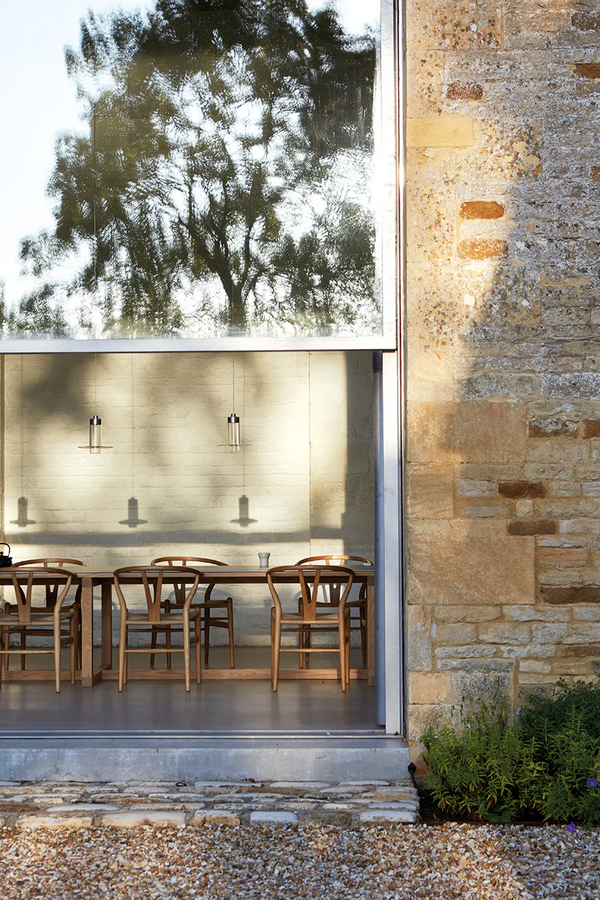
And here lies a crucial distinction: spaces that feel alive do not perform for us, they include us. Their materials age, their acoustics change, their surfaces hold memory. The architecture doesn’t simply exist, it listens back.
Temporal Adaptability: The Life of Space Through Time
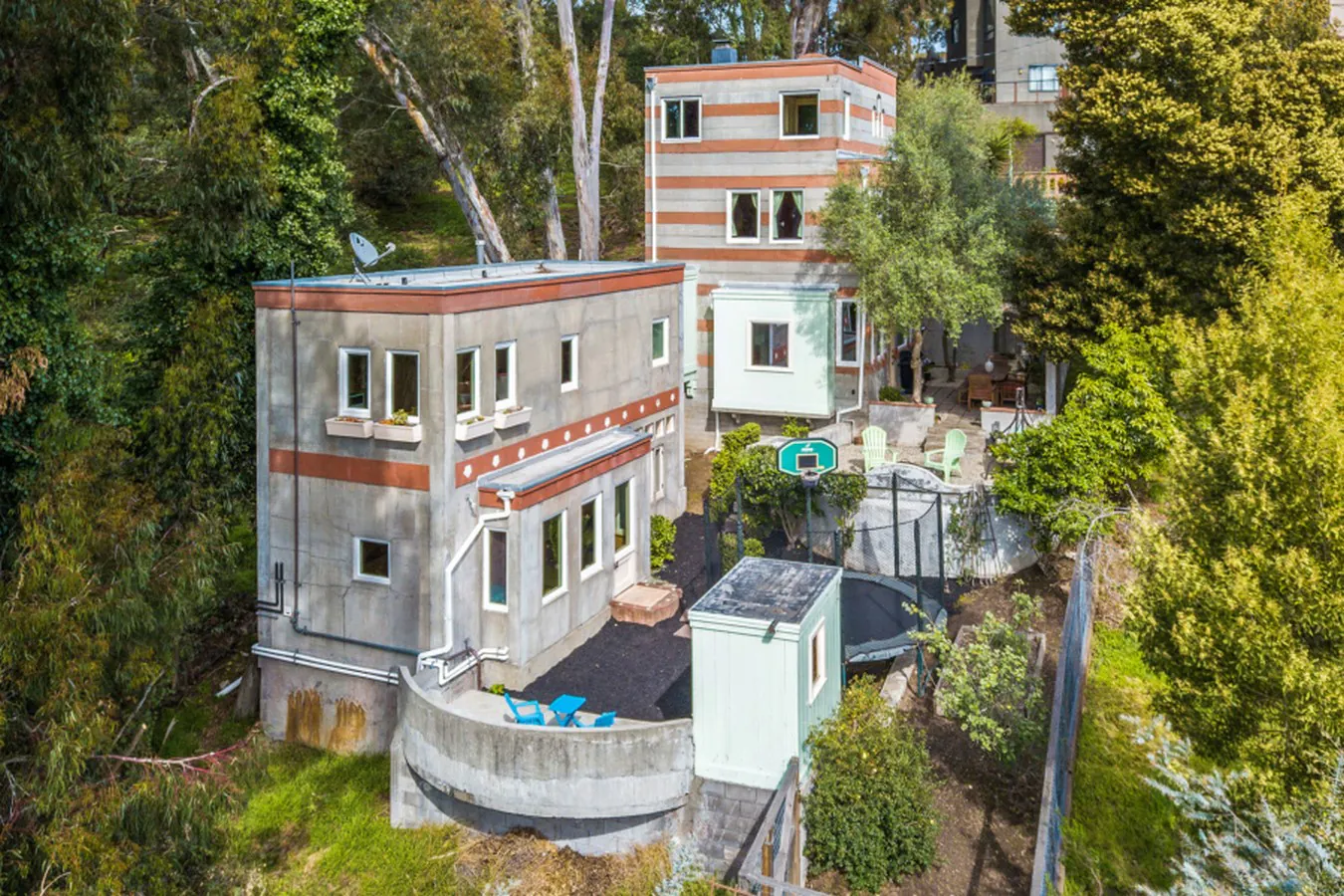
A plaza that shifts from morning markets to evening gatherings, a café terrace that welcomes both sunlight and rain, these are not static objects but spatial ecosystems.They breathe with human routine, and their aliveness lies in their capacity to host it.
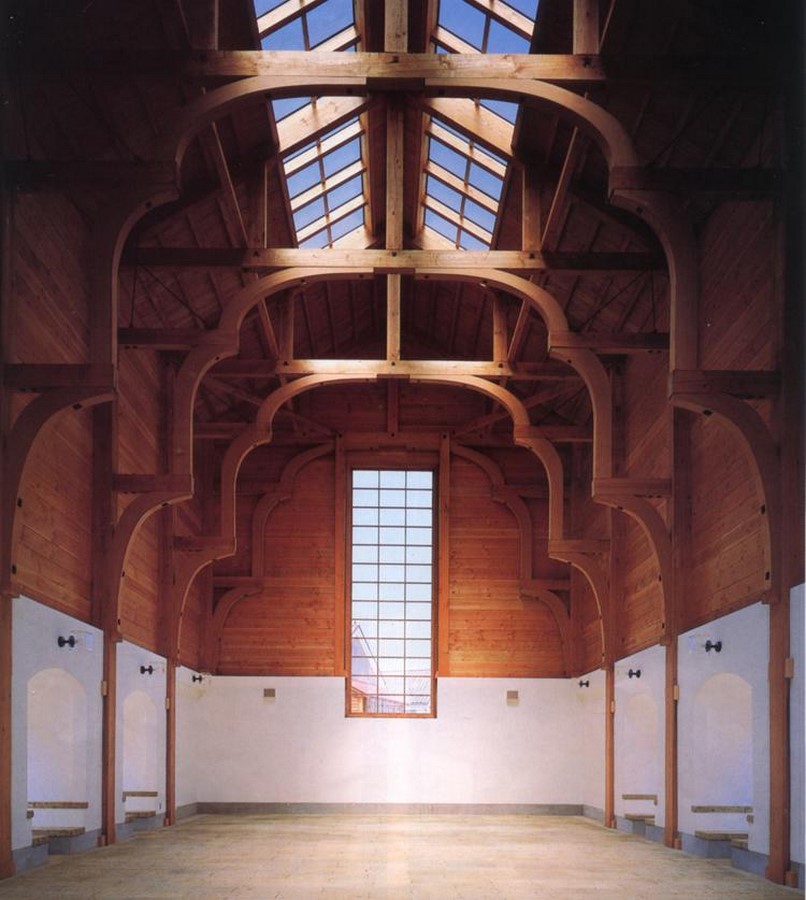
Alexander’s “timeless way of building” was never about nostalgia, but about patterns that persist precisely because they accommodate life’s impermanence. A sterile lobby may impress once; a courtyard that collects footprints, leaves, and laughter endures.In time, architecture that allows for wear, that welcomes it, becomes like a tree trunk or riverbed: shaped by use, not preserved against it.
When All Three Meet: A Typology of Living Spaces
When coherence, sensory attunement, and temporal adaptability align, we get architecture that transcends its blueprint.
The Street
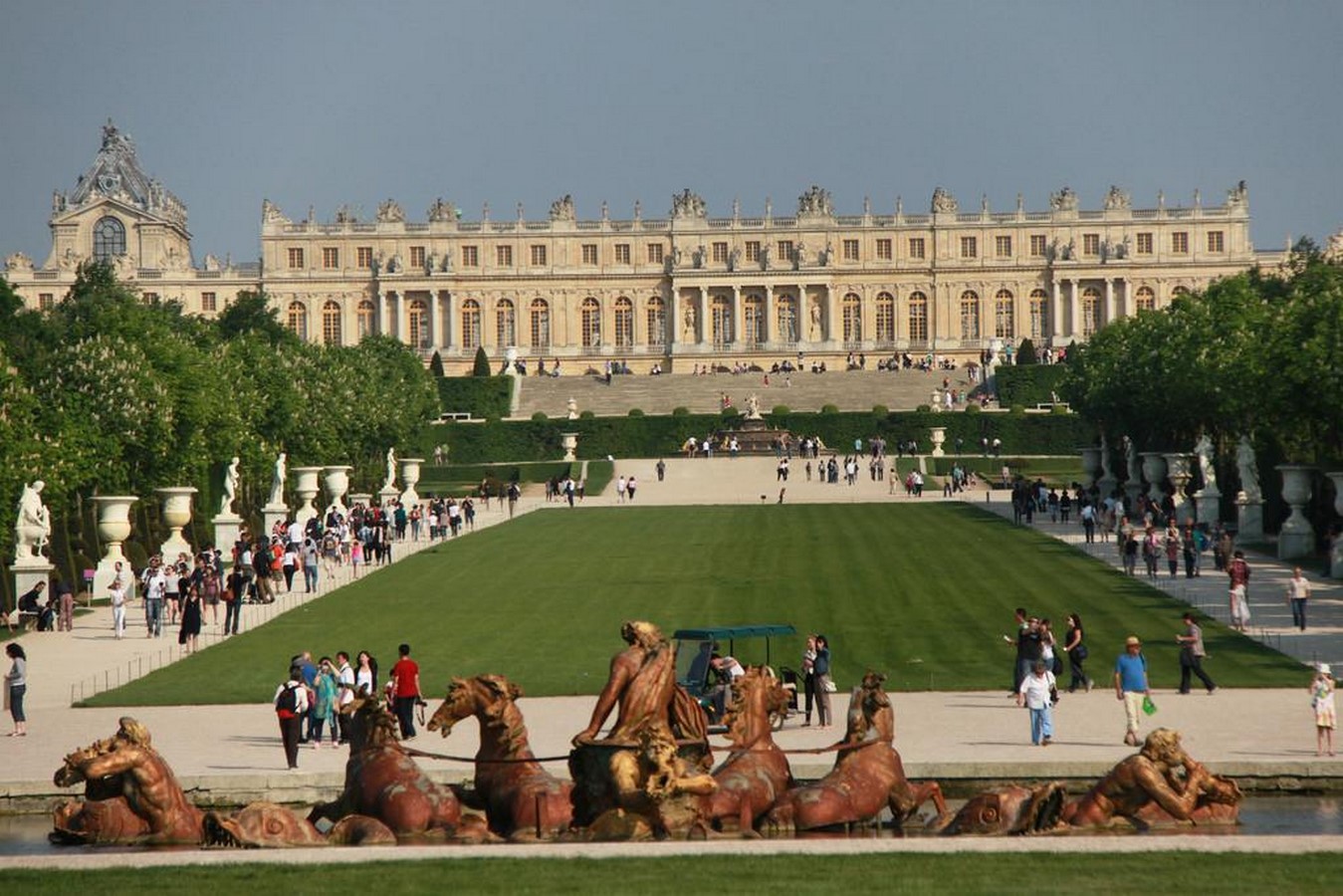
A good street lives through movement. Its pavements, shadows, smells, and sounds belong to the people who use them.
The Courtyard
Every courtyard is a small universe. It frames the sky, holds sound, and shifts character with the hour. Its boundaries are clear but permeable; its materials warm and weathered. It gives equal importance to solitude and community, an inward heart within outward walls.
The Threshold
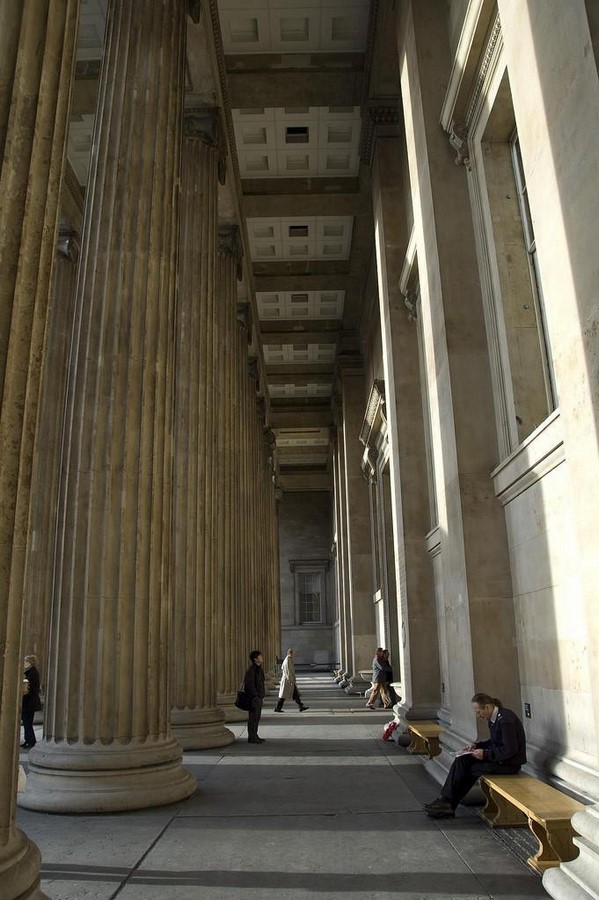
Doorways, staircases, verandahs, spaces of passage, are often where architecture feels most alive. They compress and release, conceal and reveal. They are built gestures, embodying time and transition. These examples remind us that aliveness in architecture is not about scale or budget, it’s about intent.A single step can hold more spirit than a monument, if it has been designed with empathy.
Towards a Practice of Aliveness
What, then, might architects and designers take from this idea today?
First, think in scales and relationships, not objects. Wholeness emerges when each part supports the other. Second, build for the body, not the lens, material, sound, and temperature shape experience more than form alone. Third, design for time, allow buildings to grow, gather, and change with use. As Alexander insisted, the goal is not style, but life itself, “a certain palpable quality of order, comfort, and rightness that you can’t define, but can always feel. Perhaps the most radical act of architecture now is to build not for consumption, but for continuity, to create spaces that will still feel alive fifty years from now, when fashions fade but footsteps remain.
The Breath Within the Walls
In the end, “the quality without a name” may never need to be named. It exists wherever space transcends design, where proportion, material, and time align into something quietly human. Some spaces glow not because of light, but because they hold life. They hum with the residue of touch, echo with laughter, and absorb silence. To enter them is to be reminded that architecture is not the act of building, but of being built by space, shaped, humbled, and made alive in return. That is the ultimate aim of our discipline: to make spaces that do not merely exist, but live.
References:
“Christopher Alexander’s Pursuit of Living Structure in Cities.” Buildings and Cities, 29 Mar. 2022, www.buildingsandcities.org/insights/commentaries/christopher-alexander.html.
Jiang, Bin. “Living Structure down to Earth and up to Heaven: Christopher Alexander.” Urban Science, vol. 3, no. 3, 29 Aug. 2019, p. 96, https://doi.org/10.3390/urbansci3030096. Accessed 22 Apr. 2020.
Kieran. “The (Software) Quality without a Name.” Kieranpotts.com, 2025, kieranpotts.com/the-quality-without-a-name. Accessed 26 Oct. 2025.
Lee, Keunhye. “The Interior Experience of Architecture: An Emotional Connection between Space and the Body.” Buildings, vol. 12, no. 3, 9 Mar. 2022, p. 326, www.mdpi.com/2075-5309/12/3/326, https://doi.org/10.3390/buildings12030326.
Roth, Ben. “Christopher Alexander the Timeless Way of Building — DOP.” DOP, 13 Sept. 2020, doorofperception.com/2020/09/christopher-alexander-the-timeless-way-of-building/. Accessed 26 Oct. 2025.
“Unified Architectural Theory: Chapter 9A.” ArchDaily, 21 Mar. 2015, www.archdaily.com/611788/unified-architectural-theory-chapter-9a.
“Unified Architectural Theory: Chapter 11.” ArchDaily, 2 May 2015, www.archdaily.com/626429/unified-architectural-theory-chapter-11.
- “John Pawson: How Inanimate Structures Come Alive.” Gestalten & TeNeues (US Shop), 2025, us.gestalten.com/blogs/journal/john-pawson-how-inanimate-structures-come-alive. Accessed 26 Oct. 2025.