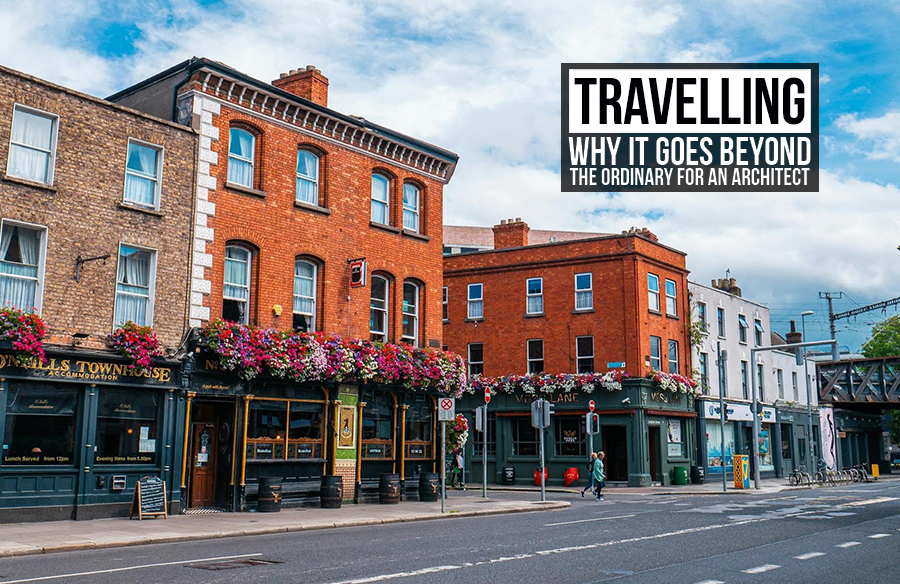
Travelling has always been a crucial aspect of any creative field. It feeds into the desire to explore, learn, and experience. This is especially applicable to the field of architecture. When an architect travels, they observe not just the buildings, but also the culture and history associated with them that shape the landscape of the building. Travelling inspires and it makes us feel a connection with humanity as a whole.


A History of Architecture and Travelling
Throughout history, artists have always travelled to learn about the cultures and traditions of different places. Legendary artists such as Michaelangelo, Palladio and Leonardo da Vinci, were inspired by the art and architecture of Rome, a beautiful city which was once considered the peak of human civilization. Looking at Rome, and realising the power of creation in human hands, it led to the thinking that human beings can create beauty. But to create modern beauty, one must first understand classical concepts.
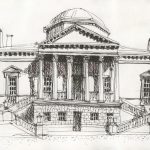
This school of thought led to the formalization of travel as a part of architecture study. Aspiring architects would study the ruins of historic buildings, recreate their sketches, and then ideate on how the structure might have looked during its prime, or how they might redesign it. This encouraged an appreciation for the history of a location, while also developing the creativity and imagination of the student all aided through travel.
The Impact of Travelling on Architecture
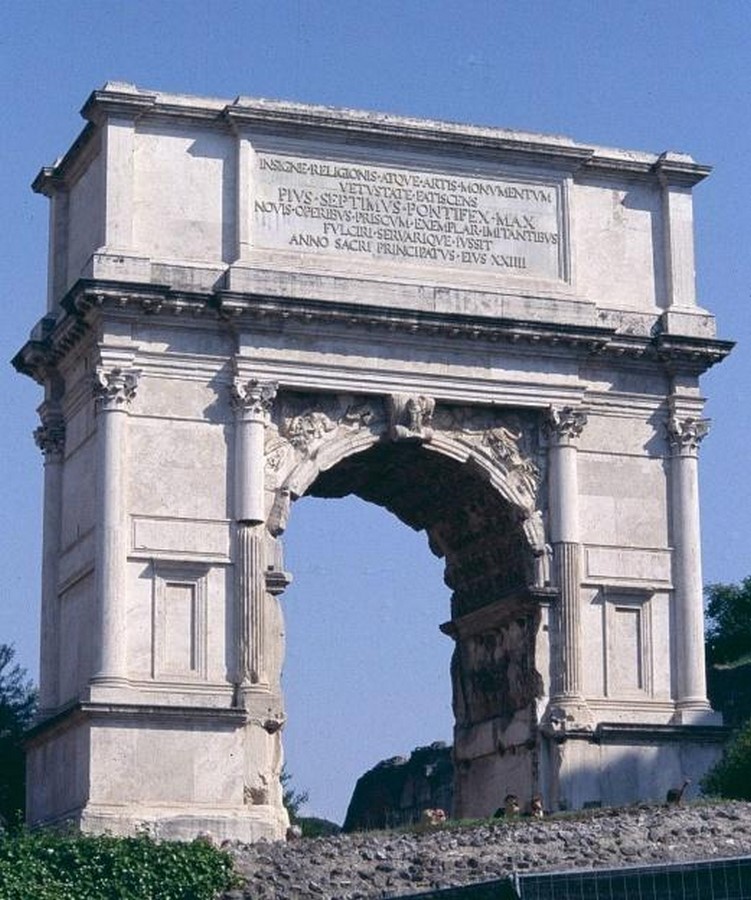
Architecture has always developed through an understanding of its history. Greek and Roman architecture have always been an inspiration to all of modern architecture, which is why it is extensively studied. Travelling to these sites is not only encouraged but also considered mandatory in a lot of architecture schools around the world. It is only through travel to these locations, that early architects were able to understand, utilise and develop the design and construction technologies used then. The concept of road networks, bridges and aqueducts, and concrete, were all created by Romans and were so influential, that they are standardised as construction elements and practices all over the world today. They also came up with the concept of domes and arches, which were elements that were used across different styles of architecture, from Renaissance to Gothic to Mughal. The Doric, Ionic and Corinthian styles of columns also had a major impact on the architectural styles that came after. So every time, any of these elements or construction techniques are used, it has become so commonplace only due to generations of trial and error and learning how to perfect them over a period of time.
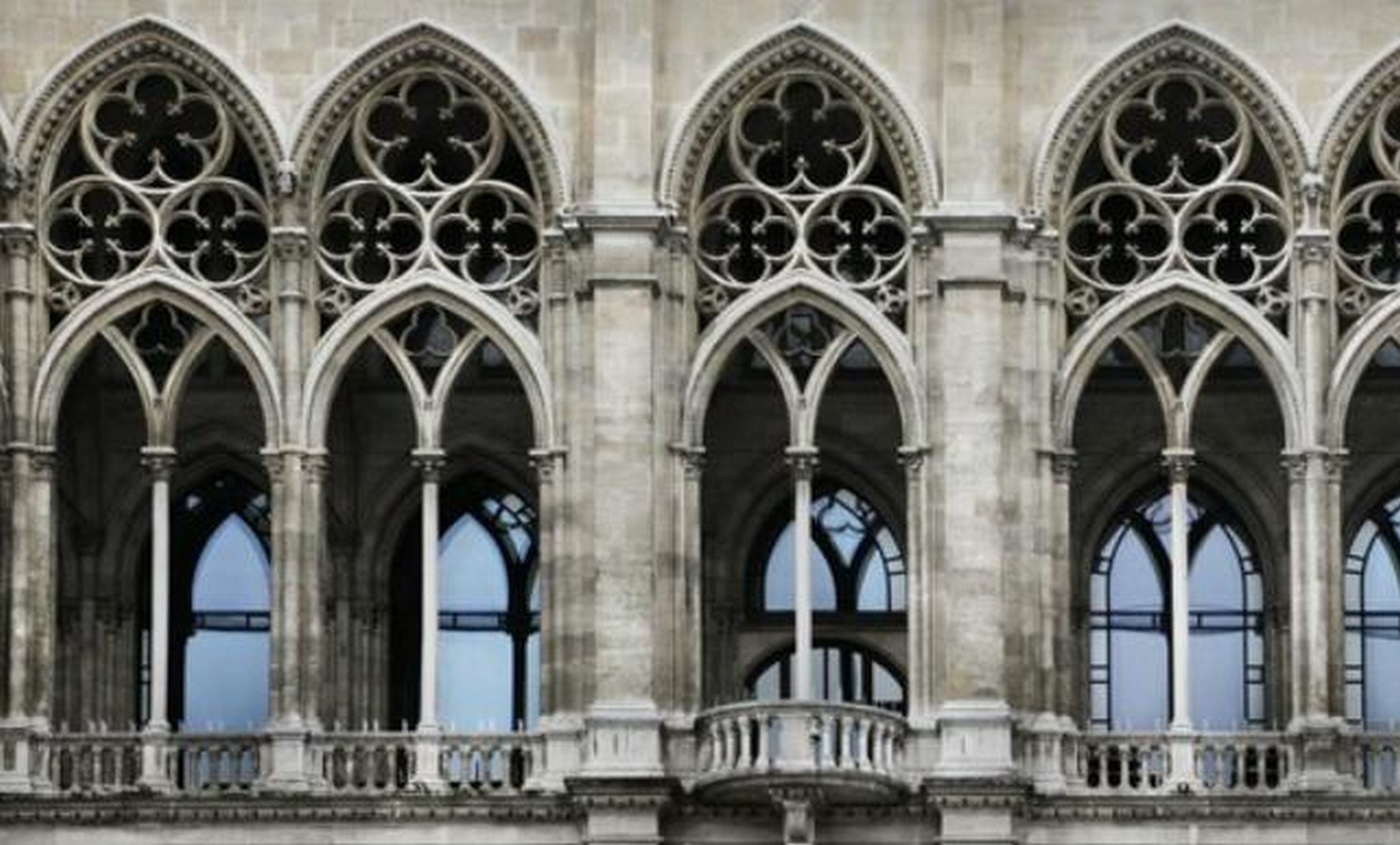
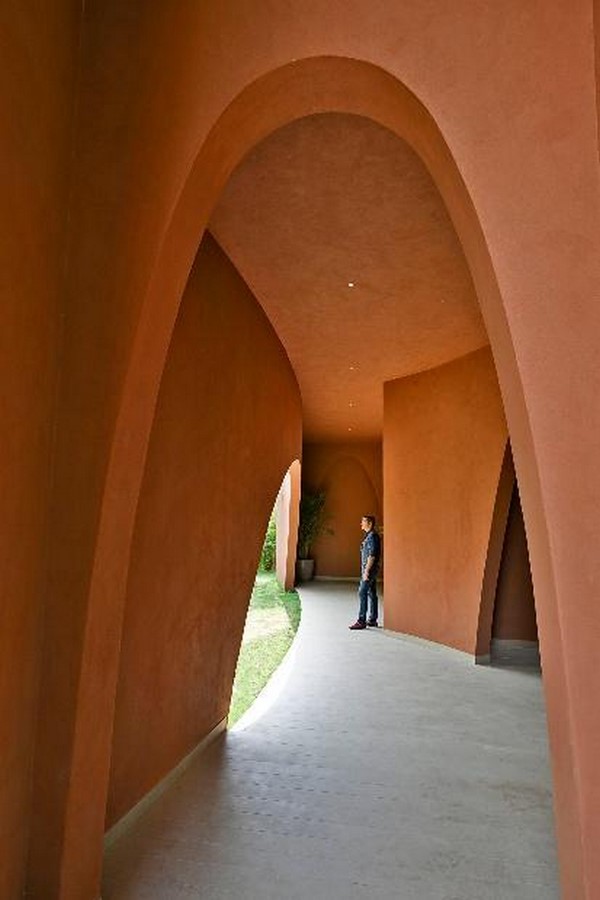
It is not just stories of buildings that architects preserve, but also stories of the people that occupy them. In multi-cultural countries like India, each region has its type of architecture, all developed through not only factors like weather and location but also the culture and traditions of people occupying these spaces. In fact, for example, a common theme through the design of a lot of vernacular housing is that they almost always have some type of outdoor porch or veranda for entertaining guests. This is because of the importance given to the community in our culture. And the idea of sharing stories is thus, weaved into the architecture itself. Similarly, different regions have different architectural elements that are carried forward in their design, and only by travelling, can an architect understand the influences of these various factors, and be able to use them in designs of their own, thus keeping alive stories of the ideals of people, which is expressed through buildings.
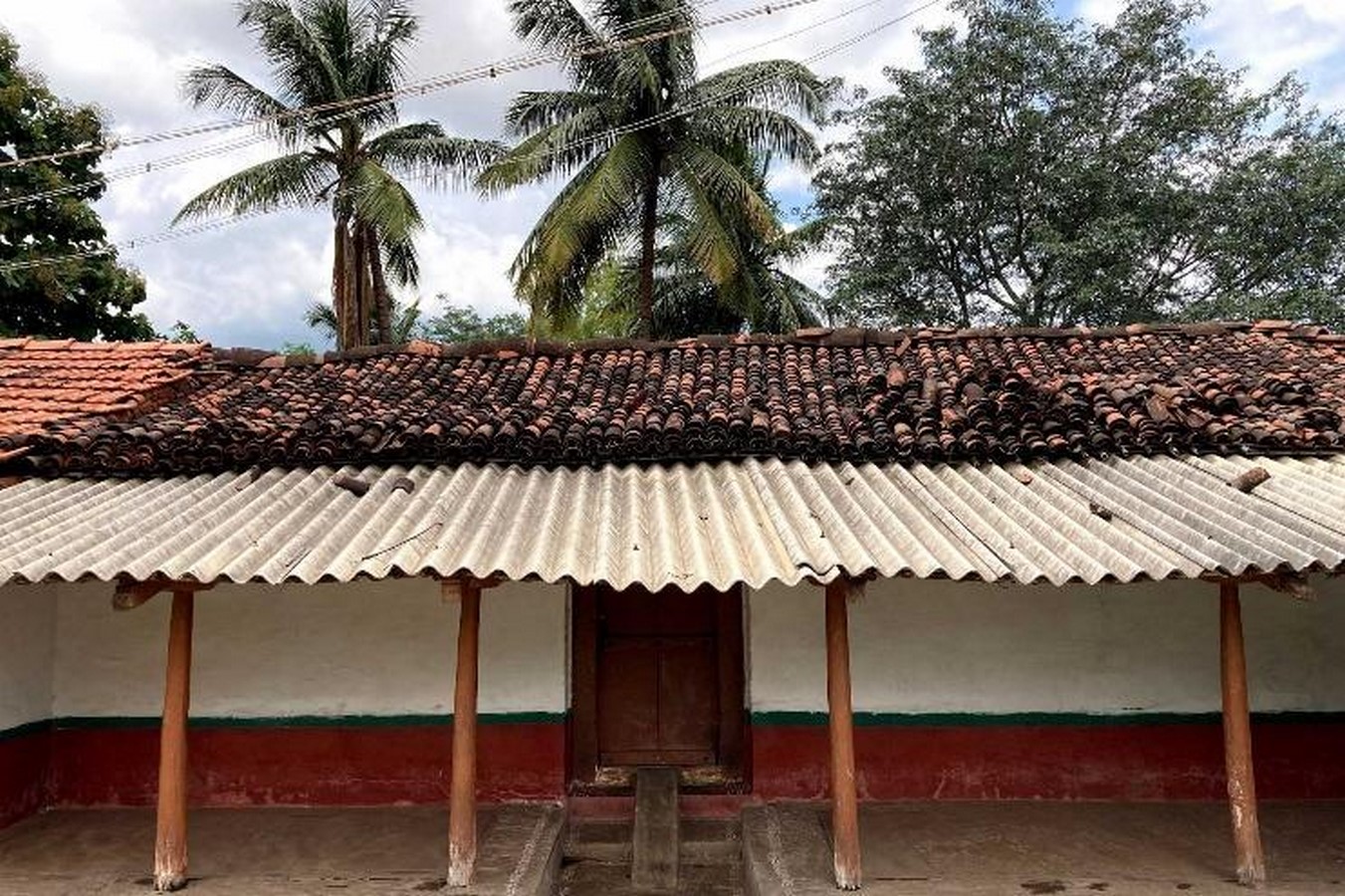
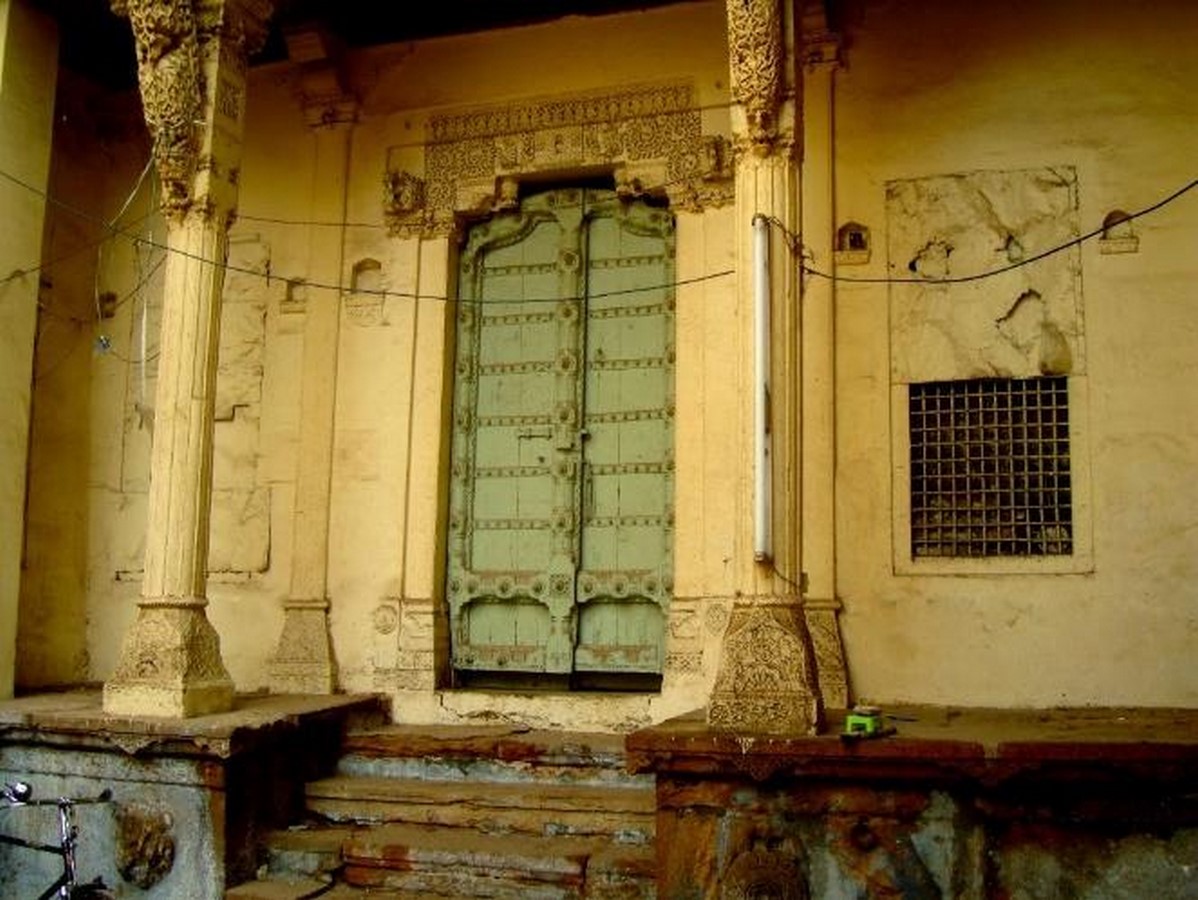
When an architect travels, it is not just the building that they observe, but also its relationship with the environment around it, and the manner in which people interact with it. They observe the material used and its texture, the cracks formed over years, each with its own story. They observe the interplay of light and shadow. All these aspects build an overall picture, which is communicated through sketches or photographs, thus making the architect a guardian of its stories.
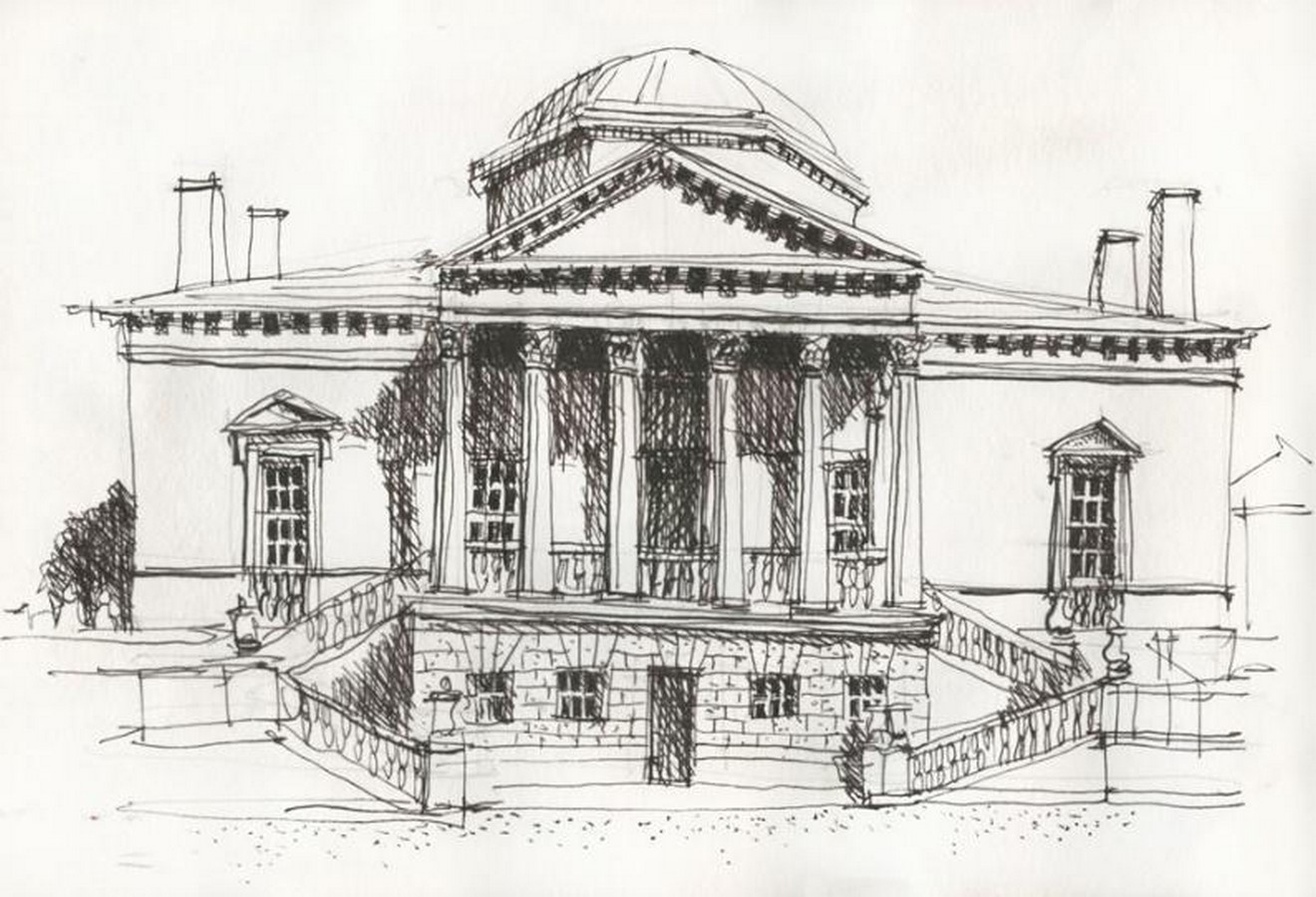
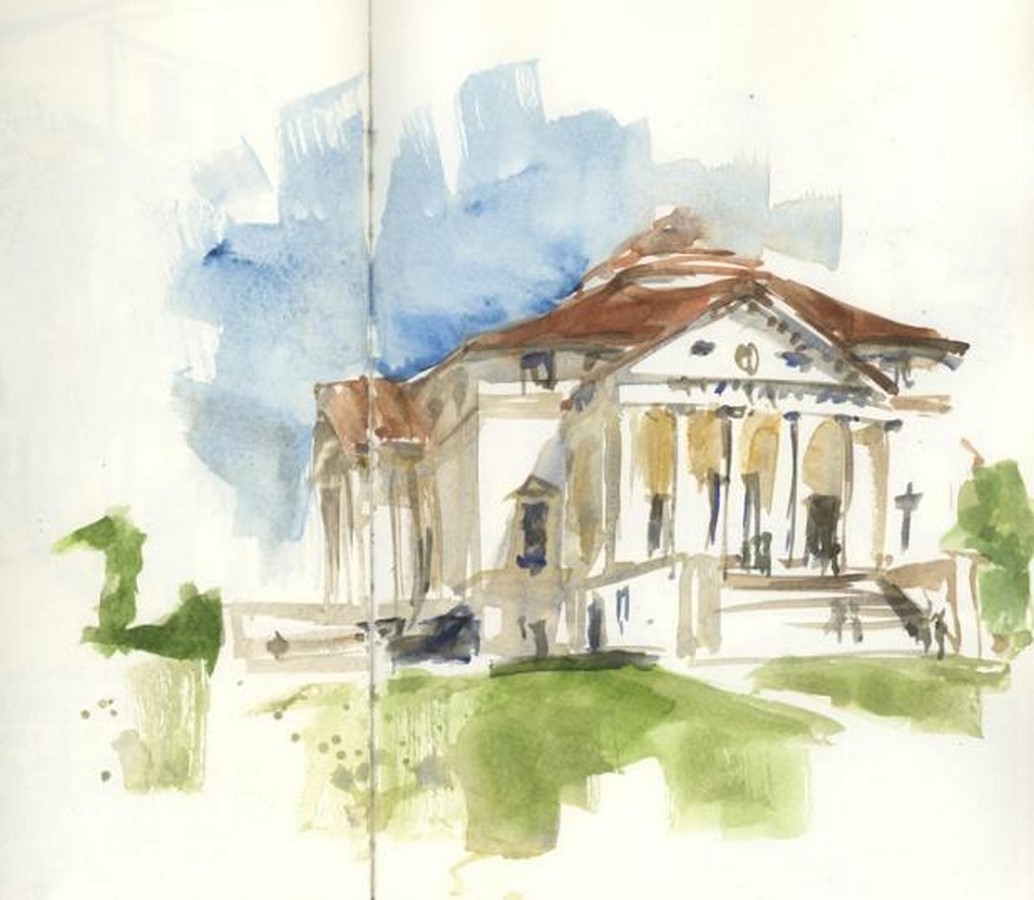
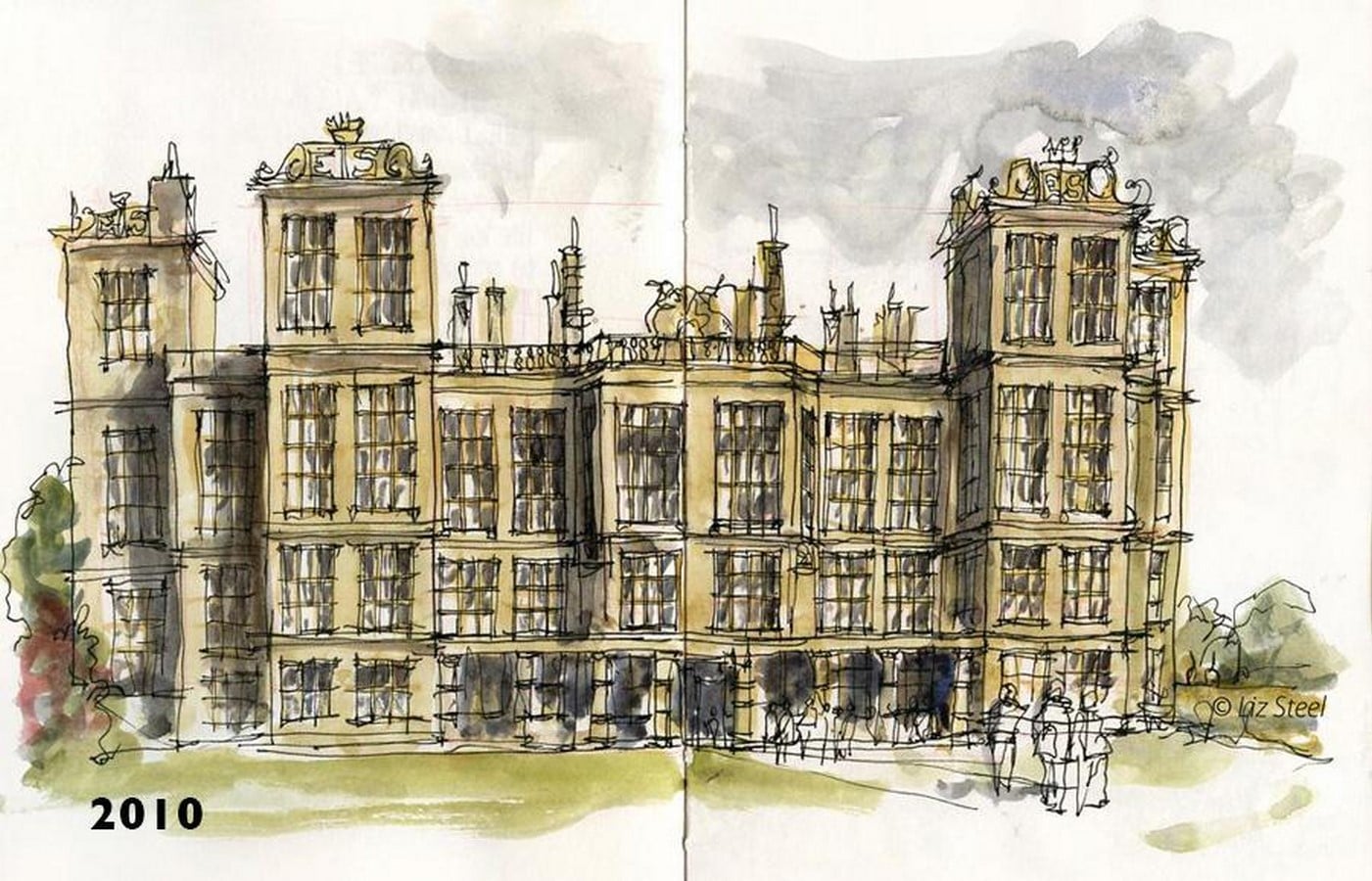
Throughout history, architecture always has been and will continue to be an applied field. It will always be inspired by history and will continue to be developed as a field only by learning through its mistakes from the past. Every time a new building is constructed, it speaks of materials, methods, and design, all passed down through generations, which was only possible to be understood, because of advancement in technology and design, spreading from its origin to the rest of the world, through travel.
So the next time you step out, listen to these stories. Observe. They are all around, waiting to be heard. And in doing so, become another guardian for them.
References:
Buildner. How Roman architecture influenced modern architecture. [online]. Available at: https://architecturecompetitions.com/how-roman-architecture-influenced-modern-architecturegaudi [Accessed date: 20th April 2025].
Michael G.Imber (6 Nov 2033). Why travel is essential to the art of architecture. [online]. Available at: https://www.houseandgarden.co.uk/article/why-travel-is-important-for-architects [Accessed date: 20th April 2025].