Cities exist as entities that extend far beyond their physical structures. The urban grid and concrete architecture of metropolitan spaces often hide multiple layers of subjective and collective memories, personal stories, and emotional connections. The “city within” emerges from how individuals and communities remember, reevaluate, and reinterpret urban spaces across time. The emotional cityscape operates as a hidden system which merges with physical architecture to create an intricate network of affective experiences that enrich our understanding of urban identity. People understand this process best through the concept of urban memory, which creates the emotional geography that guides their movements and choices within a city (Langenbacher and Huyssen, 2003).
Mapping the Intangible
Developing emotional bonds with specific locations depends heavily on urban memory functions. These emotional connections stem from individual experiences, which include first encounters, times of mourning, regular activities, and social interactions with the community. People use emotional geography to explore cities by following both physical routes and the emotional and meaningful pathways of their memories (Pile, 2010).
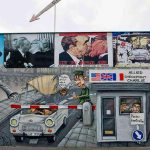
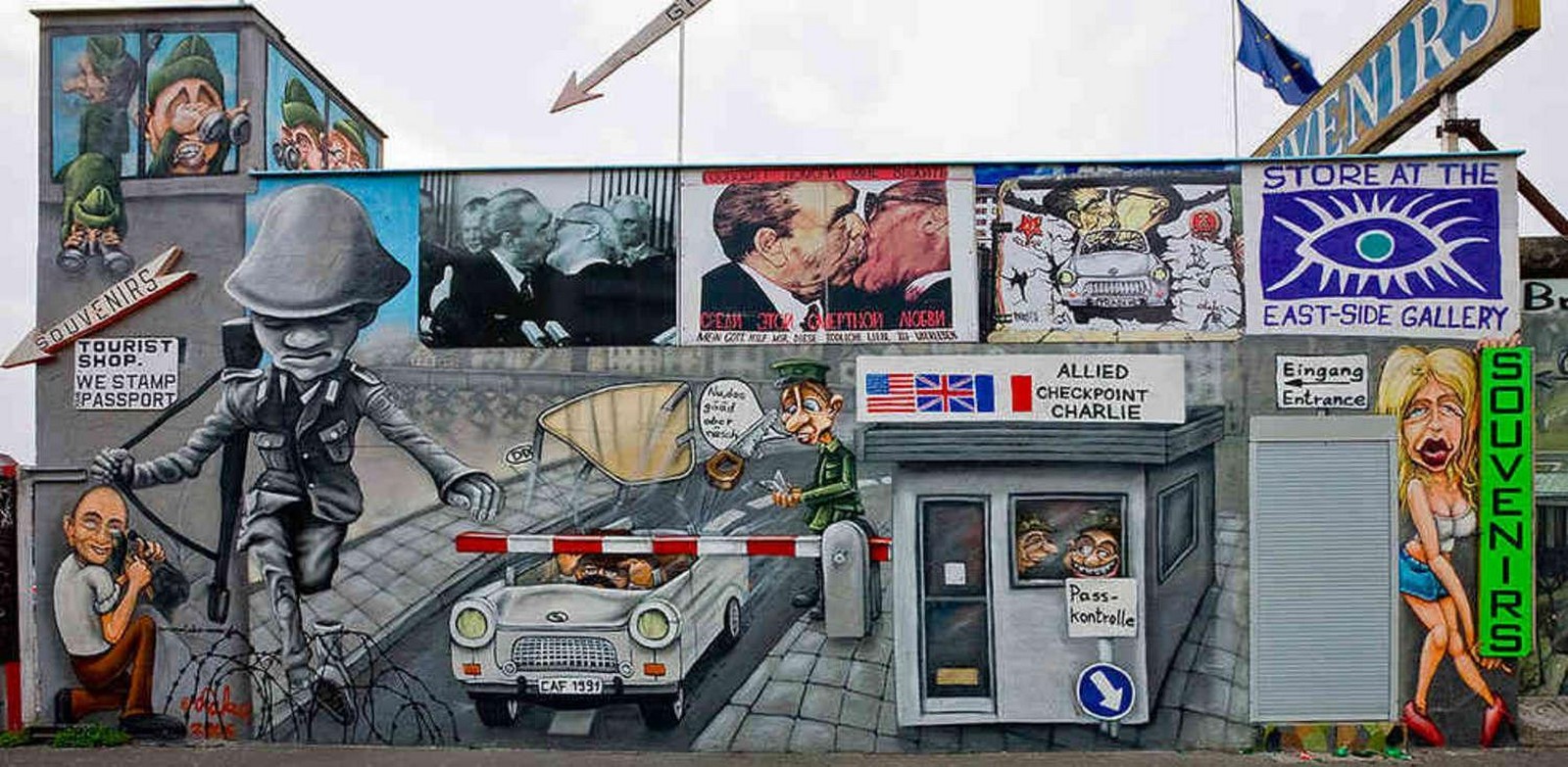
The historic chawls in Girgaon Mumbai serve as more than affordable housing for the residents. The chawls contain a collective accumulation of personal histories, cultural traditions and ancestral experiences which function as an everyday emotional record of the built environment (Holwitt, 2017). The Berlin Wall functions as a memory canvas while maintaining its emotional significance through its symbolic stories which demonstrate how spaces maintain multiple historical layers (Till, 2005). The wall exists today as a preserved structure with murals which has transitioned from its original role as a divider to become a memorial space for reconciliation. The physical evidence of past trauma has transformed into strong symbols which represent unity and resistance.
Collective Memory in the Changing City
The memory that exists in urban spaces extends beyond individual experiences because it belongs to the community as a whole. The process of city development through redevelopment and gentrification intensifies the need to protect shared communal memories. The residents and local organizations of Barcelona’s El Raval neighbourhood have created street murals and documented oral histories to protect the neighbourhood’s identity from the effects of fast-paced transformation.
The residents together with local organizations in El Raval Barcelona have used street murals and memory walks and oral history documentation to defend the neighbourhood’s identity from the rapid changes happening in the area. Through their actions they fight against the standardization of urban character while demonstrating the importance of cultural diversity. These initiatives demonstrate that memory preservation extends beyond architectural elements because it requires safeguarding the voices and practices and rituals which make a place unique. Urban memory preservation manifests through architectural means. The Tate Modern in London is a case in point. The building’s transition from an industrial power station to a cultural institution demonstrates how past elements maintain their connection to present identity.
Designing with Memory in Mind
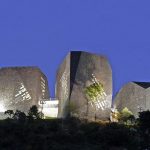
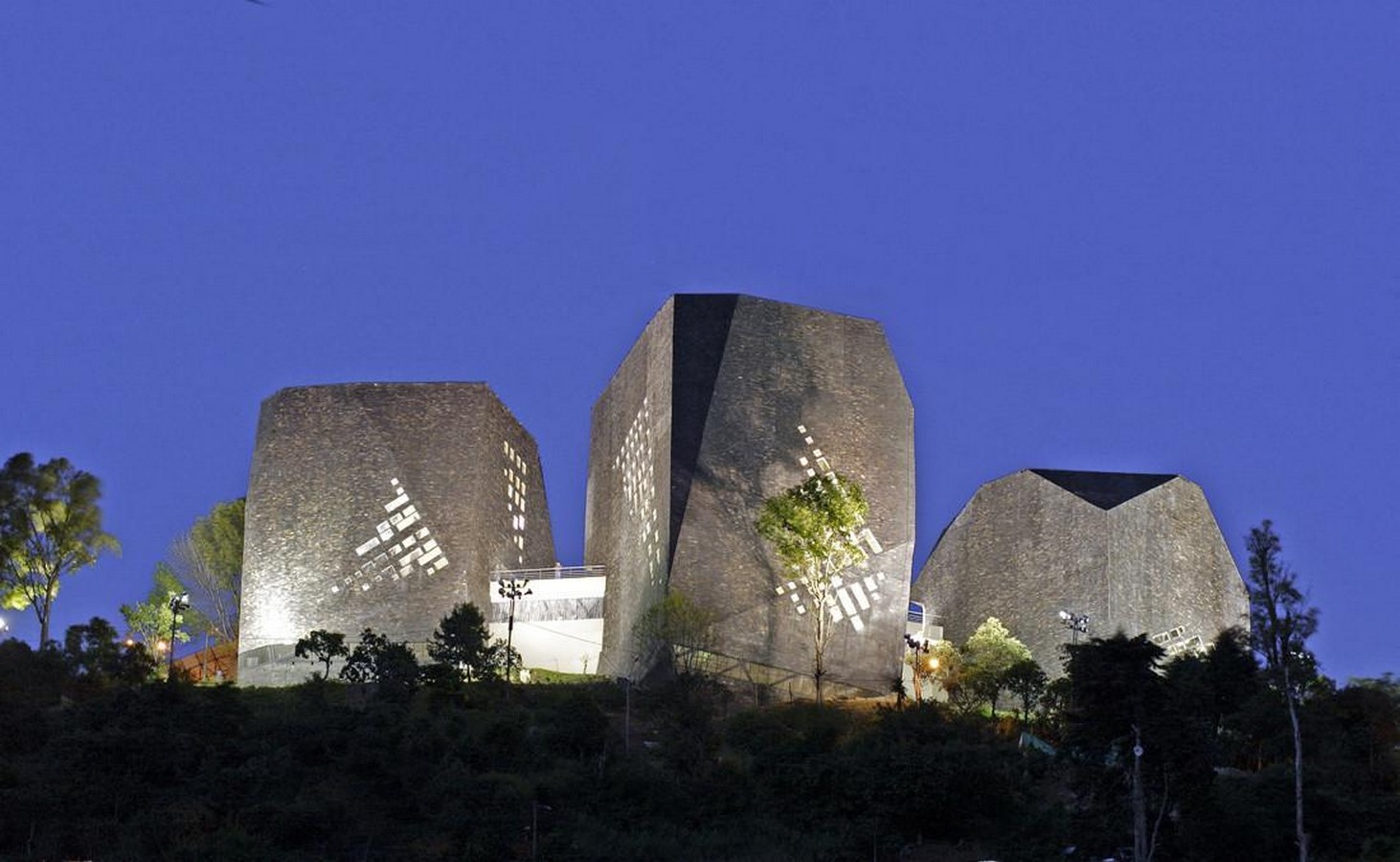
Urban planners now understand that memory and emotional geography play an essential role in developing cities that are both resilient and inclusive. This perspective moves beyond infrastructure systems to view cities as living systems that store human emotional traces. The Biblioteca España in Medellín Colombia serves as an example of community-led design that transformed both physical connections and emotional environments of the city. The projects achieved more than physical accessibility improvements because they brought back pride and visibility to areas that previously lacked urban core presence (Brand and Dávila, 2011). The planning process incorporated community engagement to let residents design the library as a healing space of aspiration. Architecture functions as an emotional framework which enables memory-making instead of serving as a basic functional enclosure.
Remembering What Is Erased
Urban memory emerges from both intentional forgetting and deliberate suppression of historical events. Official records of cities often fail to include the forgotten and marginalized aspects of urban history. The former residents of District Six continue to feel the effects of its destruction in present-day Cape Town. A multicultural community flourished in this area before apartheid authorities demolished it and forced its residents to relocate. The District Six Museum functions as a memory recovery centre where personal accounts and artifacts and community participation combine to preserve past experiences (Field et al., 2007). The past comes alive through recreated home interiors, displayed family recipes and handwritten testimonials.
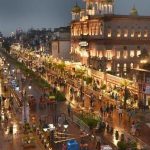
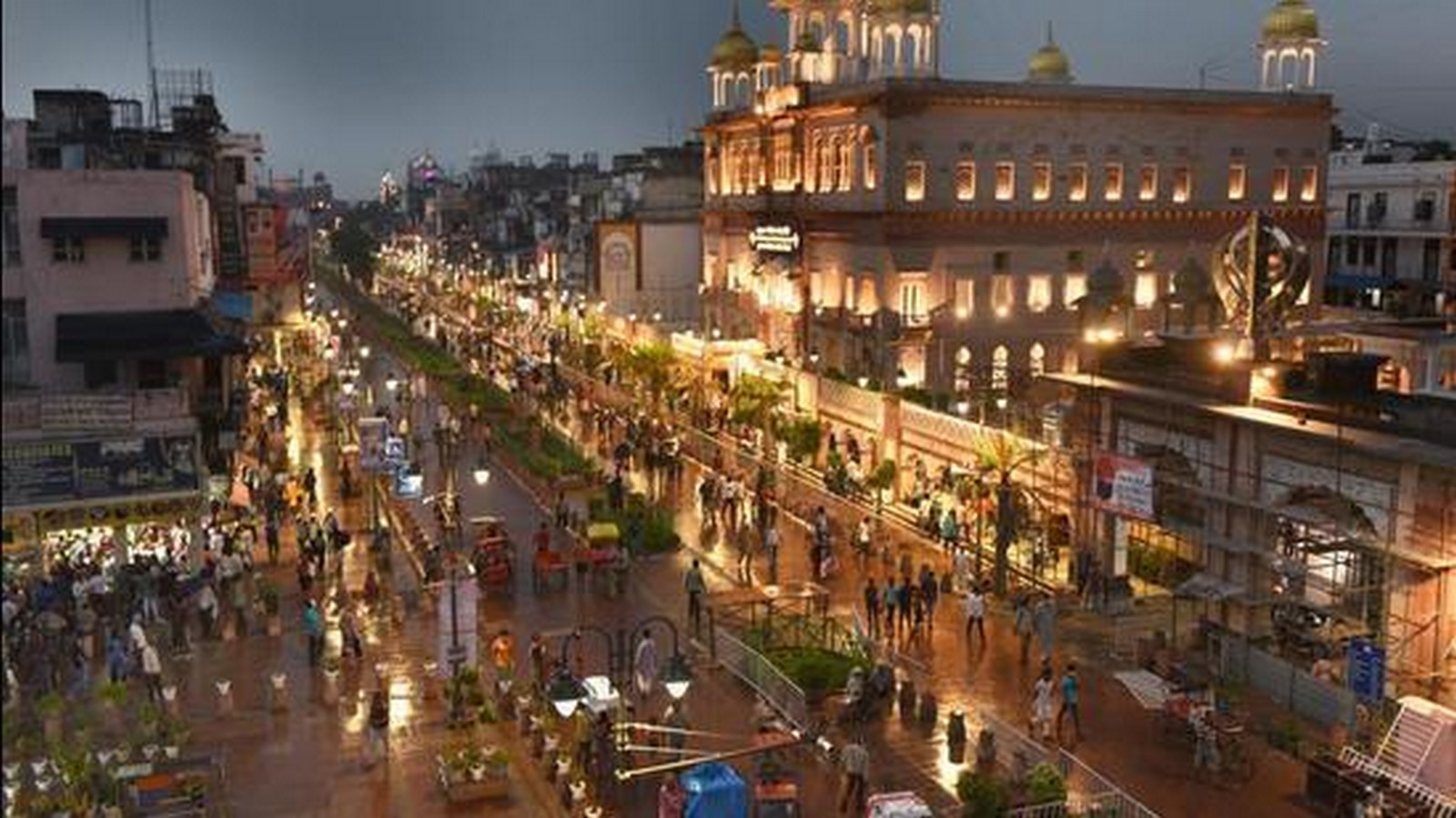
The traditional bazaars of Chandni Chowk in Delhi exist through their combination of auditory elements along with their spatial structure. The Chawri Bazaar produces metallic sounds while Nai Sarak displays book shuffling and the main road features street vendor vocalizations which together create an auditory memory of the city. The push for modernization through redevelopment threatens the disappearance of these auditory memories which raises questions about how cities value their intangible heritage.
The Emotional Archive of Cities
Through urban memory, people maintain their sense of connection to their surroundings (Lewicka, 2011). The formation of identity through urban memory guides how people move and controls their experience of change. The understanding of emotional geography remains vital for historians and sociologists as well as architects, planners, and policymakers who want to create more humane cities.
Urban memory functions as a compass that provides direction and stability. The emotional navigation of individuals depends on urban memory which simultaneously establishes community-wide connections to shared identity. This way, people handle displacement and trauma as well as celebration and growth receive guidance from urban memory. Cities exist beyond their physical framework. Cities function as emotional archives that store all human experiences ranging from joy to trauma and resistance to routine. Urban planning needs to consider these intricate emotional stories when designing cities.
References:
Brand, P. and Dávila, J.D. (2011) Mobility innovation at the urban margins. City, 15 (6): 647–661. doi:10.1080/13604813.2011.609007.
Field, S., Meyer, R. and Swanson, F. (2007) Imagining the city : memories and cultures in Cape Town. Cape Town : HSRC Press, c2007.
Holwitt, P. (2017) Strange food, strange smells: vegetarianism and sensorial citizenship in Mumbai’s redeveloped enclaves. Contemporary South Asia, 25 (4): 333–346. doi:10.1080/09584935.2017.1369935.
Langenbacher, E. and Huyssen, A. (2003) Present Pasts: Urban Palimpsests and the Politics of Memory. German Politics & Society, 21: 127–130.
Lewicka, M. (2011) Place attachment: How far have we come in the last 40 years? Journal of Environmental Psychology, 31 (3): 207–230. doi:https://doi.org/10.1016/j.jenvp.2010.10.001.
Pile, S. (2010) Emotions and affect in recent human geography. Transactions of the Institute of British Geographers, 35 (1): 5–20. doi:https://doi.org/10.1111/j.1475-5661.2009.00368.x.
Till, K. (2005) The New Berlin: Memory, Politics, Place. Bibliovault OAI Repository, the University of Chicago Press.