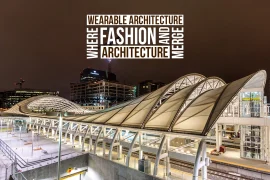
Comic Architecture
The solid structure-based discipline of architecture discovers an unexpected match in the dreamlike comic book world. The practice of comic architecture moves beyond basic building illustration because it creates an active relationship between drawn space and narrative elements. This research investigates the distinctive bond between architecture and comics by studying how comics both represent and transform architectural concepts.
Narrative as Foundation: Building Stories, Not Just Structures
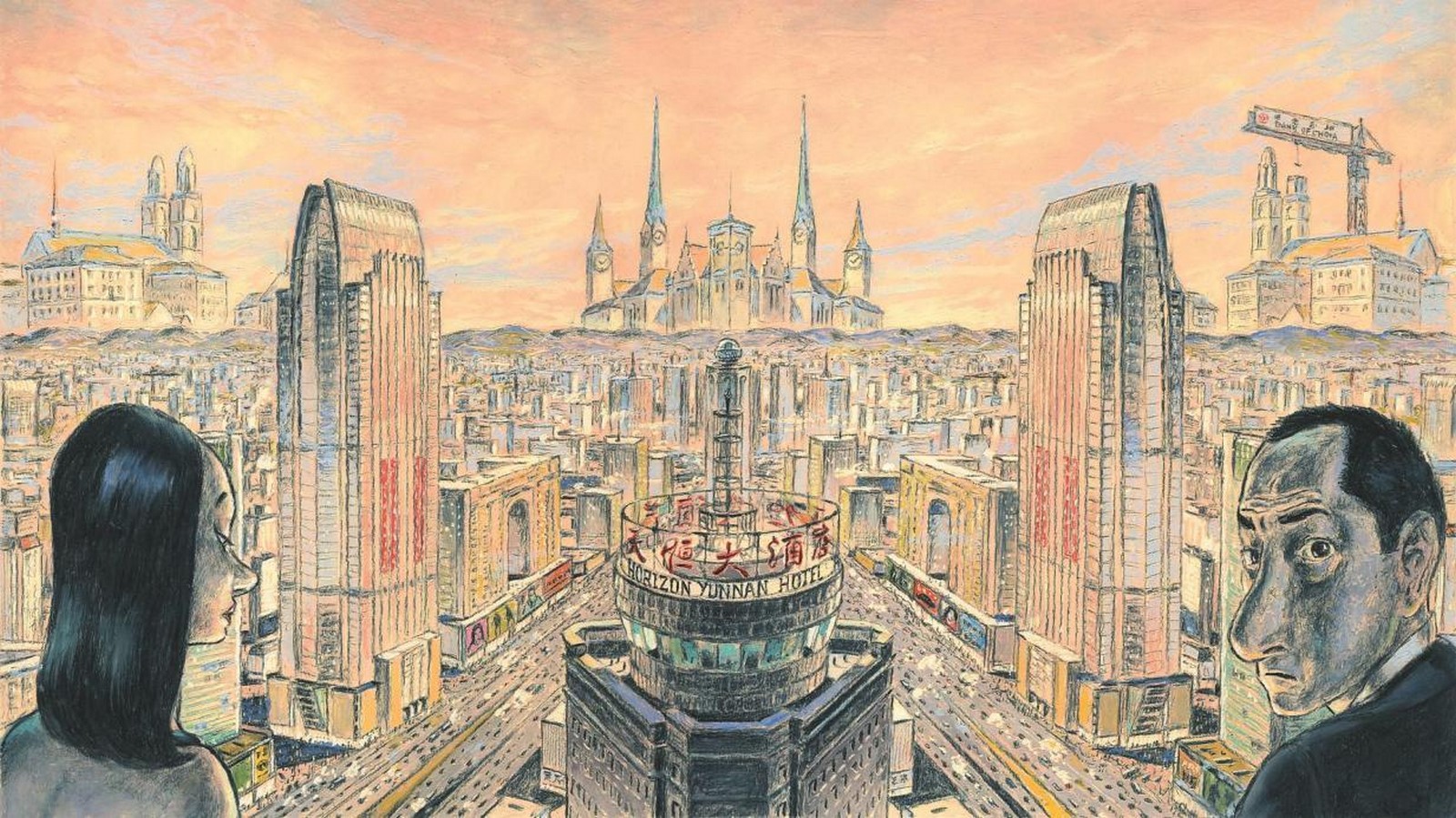
The fundamental principle of comic architecture consists of using spatial elements to create narrative structures. Architectural drawings in comics prioritize the experiential quality of architecture rather than technical accuracy. Architectural components function to move the story forward while showing character traits and creating mood. A large Gothic cathedral serves as a symbol of power and isolation yet a small apartment space represents the feeling of being trapped in an urban environment. Through its architectural design, the story creates a character that guides readers toward specific interpretations of the narrative.
The individual’s interpretation of space is captured in comics. A building serves as a dynamic backdrop for human interaction rather than just being a static item. The reader’s emotional connection to the architectural environment is influenced by the panel arrangement, the artist’s point of view, and the use of light and shadow. Architects can use this potent weapon to improve their designs: the ability to express emotion through space.
Deconstructing Reality: Exaggeration and Distortion
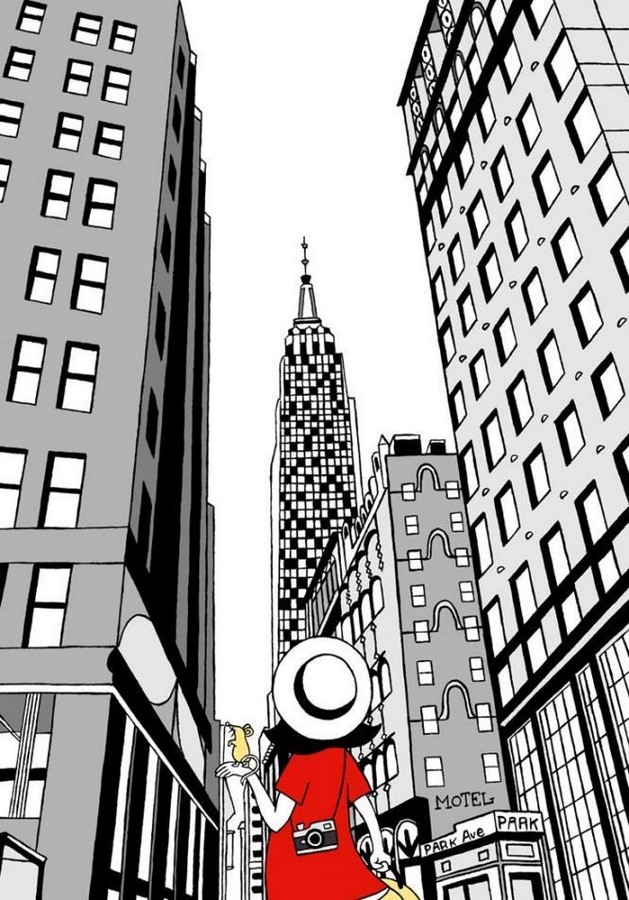
The freedom of comic architecture from the limitations of physical reality is one of its distinguishing features. Perspectives distort, lines flex, and impossibly complex constructions come to life. Artists can express feelings and concepts that would be hard, if not impossible, to portray in realistic architectural representations because of this creative distortion.
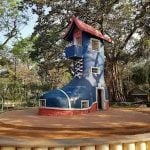
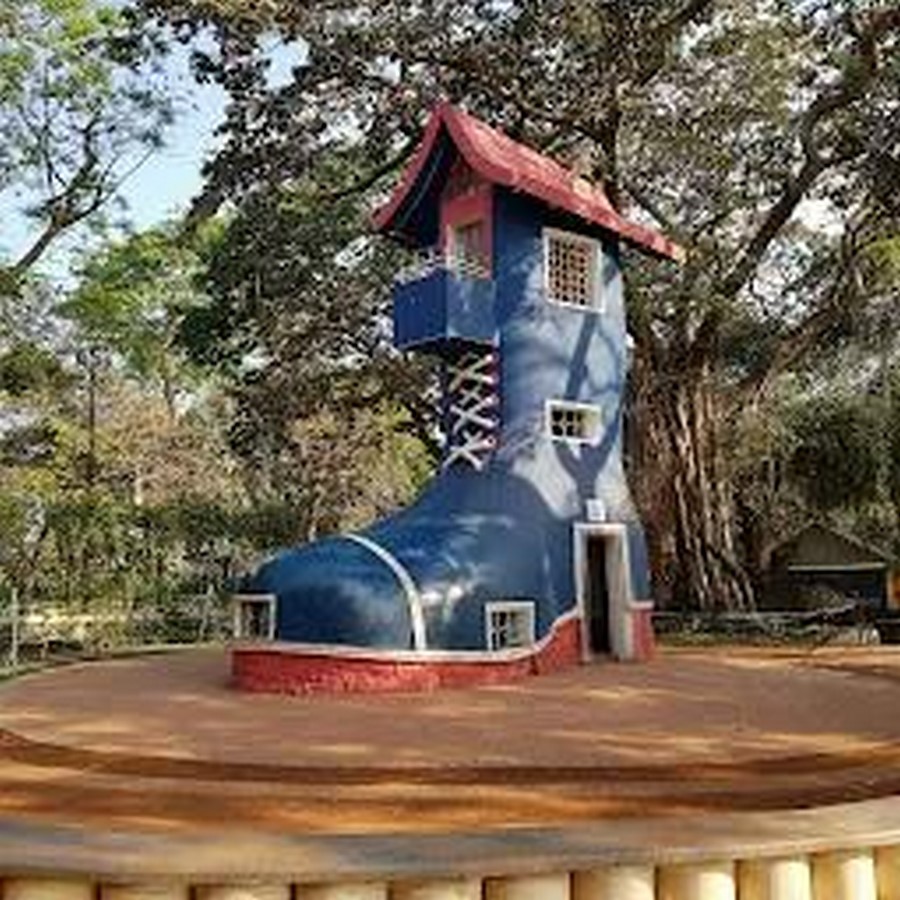
Comic architecture’s playful distortions are shown in buildings such as the inverted house, which defies gravity and represents a flipped universe or a twisted state of mind. Likewise, the shoe house’s quirky, object-shaped design provokes awe in children and makes it difficult to distinguish between sculpture and architecture. By using exaggerated proportions, impossible angles, and bizarre juxtapositions, comic architecture breaks free from conventional architectural limits and produces a distinctive visual language that deeply affects the reader’s emotions.
Architectural Styles Through a Comic Lens
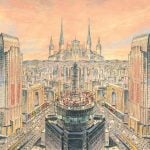
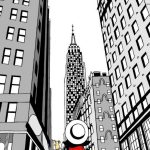
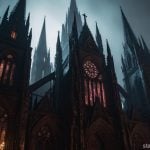
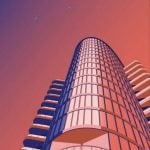
Furthermore, comics can provide a novel viewpoint on well-known architectural forms. When depicted in a manga style, a traditional Gothic cathedral gains new vitality from its oversized arches and striking shadows. In a retro-futuristic comic, a sleek, modernist skyscraper represents both urban alienation and technological growth.
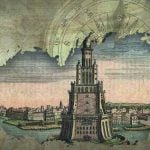
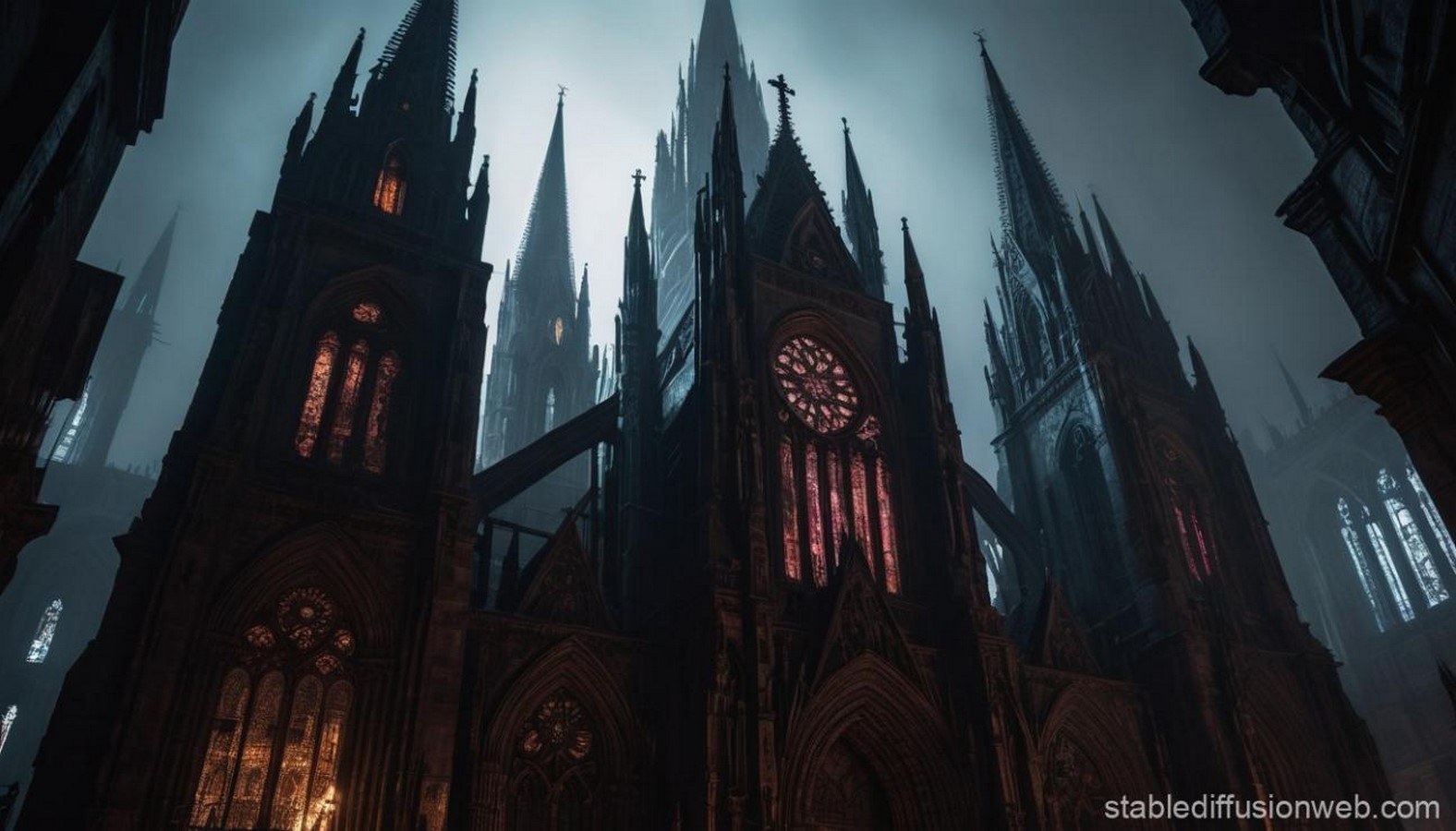
- Gothic Grandeur: In comics, Gothic architecture is often used to evoke a sense of mystery, power, and the sublime. The soaring arches, the intricate stained glass windows, and the imposing facades are amplified, creating a visually arresting and emotionally charged atmosphere.
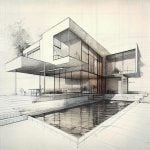
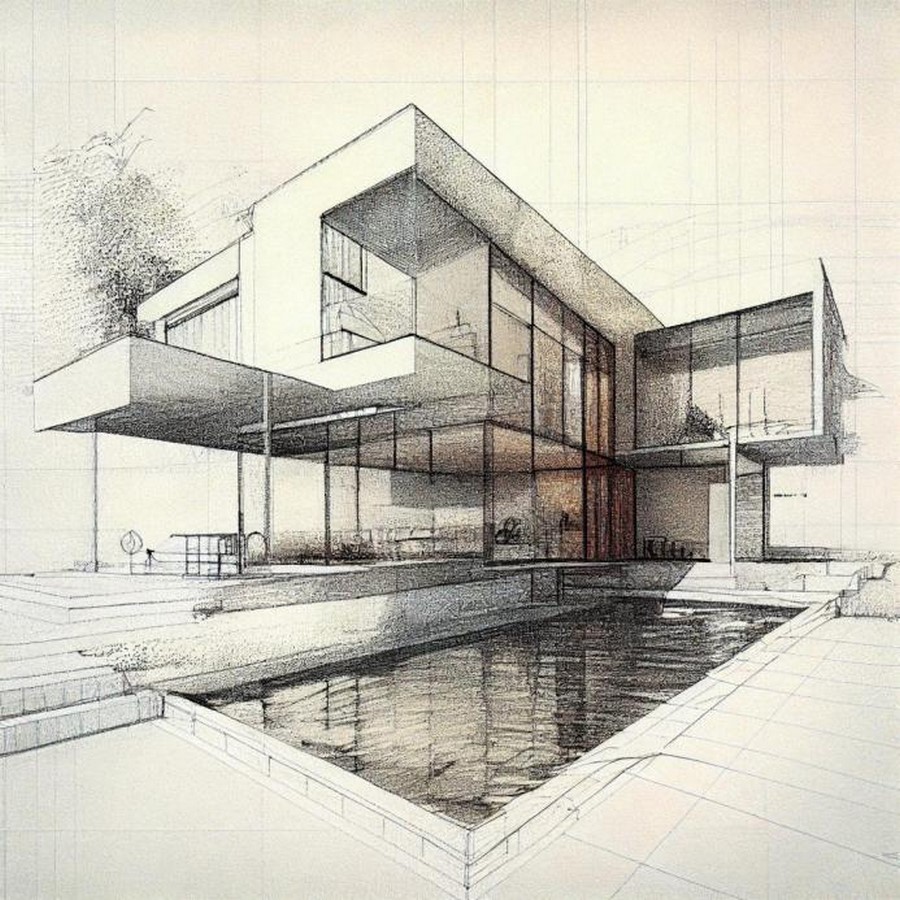
- Modernist Minimalism: Modernist architecture, with its clean lines and minimalist aesthetic, can be rendered in a stark and striking manner in comics. The geometric forms, the expansive glass facades, and the open floor plans can be used to represent a sense of order, efficiency, or even coldness and detachment.

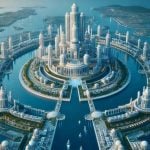
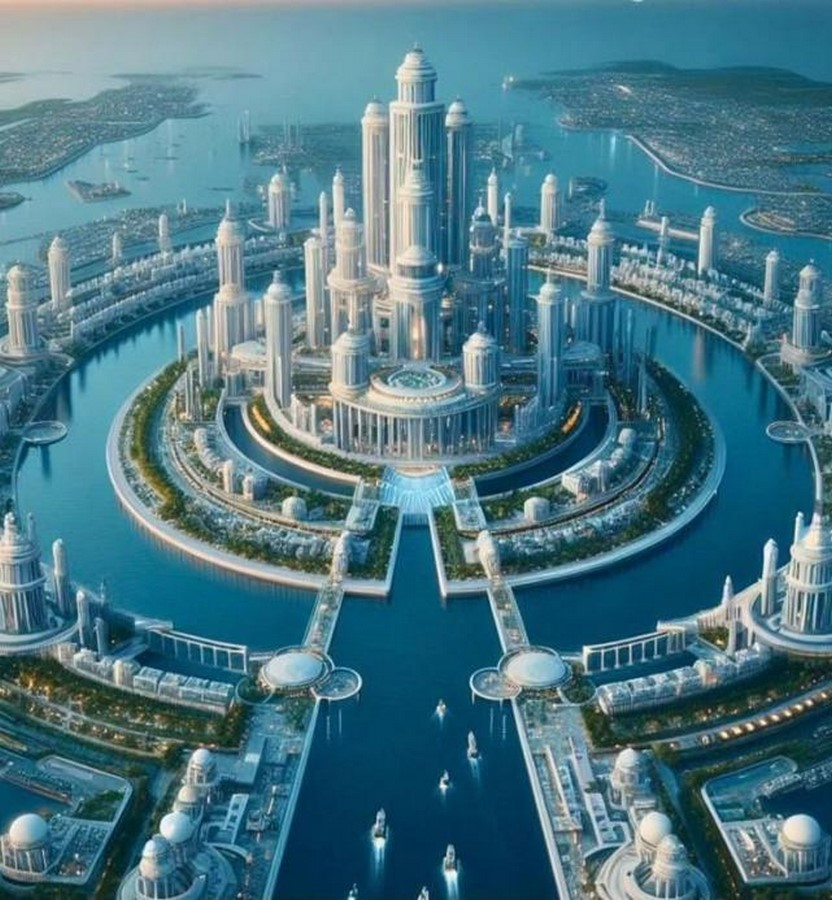
- Futuristic Fantasies: Comics excel at depicting fantastical architectural styles, from towering cityscapes to subterranean dwellings. These imaginative creations push the boundaries of architectural design, exploring new forms and materials.
The Power of Line and Perspective
There is an unusual interaction between line and perspective when drawing architecture in comics. Lines are expressive tools that provide depth, texture, and movement; they are more than just outlines. Comics often employ perspective manipulation to create dramatic effects. The viewer is drawn into the scene by the energy and immersion created by warped angles and exaggerated vanishing points.
Comics’ sequential form makes it possible to explore architectural space dynamically. Through a variety of viewpoints and angles, readers are led through buildings and landscapes. Unlike typical architectural renderings, this sequential story produces a sense of spatial awareness.
Beyond Representation: Architecture as Idea
Comic architecture explores the concepts and feelings that architecture arouses, going beyond merely depicting buildings. It’s about utilizing space to test our conceptions of reality, tell stories, and create atmosphere.
To sum up, this unconventional approach to architecture challenges us to see structures as more than just functional structures; rather, as powerful expressive shapes that actively shape our lives and have a significant impact on our emotional landscapes.
We can gain a deeper comprehension of the complex interactions between space, narrative, and the human condition by embracing comic architecture’s limitless creative possibilities. Through visually striking and thought-provoking methods, this collaborative marriage of art and architecture opens up new creative possibilities and allows us to explore the emotional and experiential depths of space. This goes beyond the traditional bounds of architectural representation and enables the expression of intricate inner moods and emotional landscapes through the manipulation of architectural forms. For instance, a building with cramped, oversized halls could visually convey anxiousness, or a building with flowing wide spaces could symbolize an individual’s sense of freedom. Furthermore, the use of comic paneling can direct the reader’s gaze and control the pacing of spatial revelation, creating a dynamic, interactive experience that traditional architectural renderings cannot replicate. This allows the comic artist to not just show a building, but to choreograph the reader’s journey through it, emphasizing specific emotional beats and narrative developments.
References:
- Steele, D. (2022). Projecting Parallels in Archi Comics – The Comics Journal. [online] The Comics Journal. Available at: https://www.tcj.com/projecting-parallels-in-archi-comics/ [Accessed Mar. 2025].
- Arana, K.L. (n.d.). Comics and Architecture, Comics in Architecture: A (not so) short…. [online] MAS Context. Available at: https://mascontext.com/issues/narrative/comics-and-architecture-comics-in-architecture-a-not-so-short-recount-of-the-interactions-between-architecture-and-graphic-narrative.
- Domenico, M.D. (2017). Develop the Imagery in Architecture. From the Fantastic Architecture of Comics to the Representation of the Idea. Proceedings, 1(9), p.938. doi:https://doi.org/10.3390/proceedings1090938.
- Schneider, M. (2019). The affinity between architecture and comics. [online] @GI_weltweit. Available at: shttps://www.goethe.de/ins/ca/en/kul/lit/cad/21223844.html [Accessed Mar. 2025].