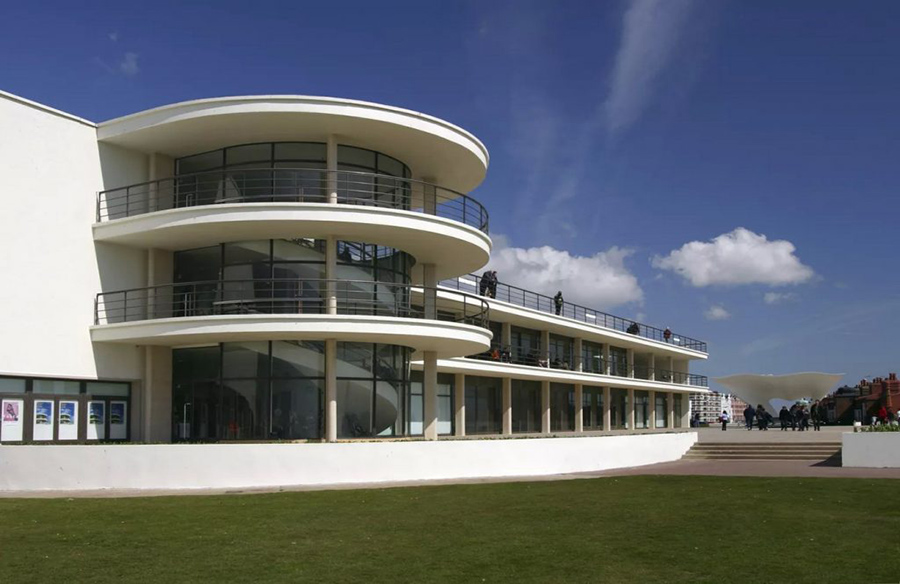
Modernist Styles in Architecture – Distinct architecture styles throughout history
In the realm of architectural design, Modernist styles stand as a testament to the ever-evolving nature of human creativity and innovation. This article delves deep into the rich history, key characteristics, and notable examples of Modernist architecture, shedding light on how this influential movement has shaped the built environment.
Understanding Modernist Architecture
Origins and Influences
Modernist architecture emerged in the late 19th century as a response to the ornate and embellished styles that dominated the preceding eras. Architects sought to break free from historical constraints, embracing a new approach characterized by simplicity, functionality, and a focus on technological advancements. The movement was heavily influenced by industrialization, urbanization, and the desire for a clean slate in design philosophy.
Key Characteristics
The Modernist movement is characterized by several key features that set it apart from traditional architectural styles:
- Simplicity and Minimalism: Modernist architects embraced the principle of “less is more,” prioritizing clean lines, geometric shapes, and a minimalist aesthetic.
- Functionality: Form followed function in Modernist design, with a strong emphasis on the practicality of spaces and structures. This approach aimed to create buildings that served their purpose efficiently.
- Innovation in Materials: Modernist architects embraced new materials and construction techniques, often incorporating steel, glass, and concrete to achieve sleek, futuristic designs.
- Open Floor Plans: The movement favored open and flexible floor plans, promoting a sense of spaciousness and adaptability within living and working spaces.
- Integration with Nature: Modernist architects sought harmony between the built environment and nature, often incorporating large windows, terraces, and open spaces to connect indoor and outdoor spaces seamlessly.
Evolution of Modernist Styles
Early Modernism (1880s–1940s)
The roots of Modernist architecture can be traced back to the late 19th century, with pioneers like Frank Lloyd Wright, whose Prairie School designs embraced open spaces and a connection to nature. The Bauhaus movement, founded by Walter Gropius, further propelled Modernism in the early 20th century, emphasizing the integration of art, craft, and technology.
International Style (1920s–1940s)
The International Style, synonymous with Modernist architecture, gained prominence in the 1920s and 1930s. Architects such as Le Corbusier, Ludwig Mies van der Rohe, and Walter Gropius played pivotal roles in shaping this global movement. Clean lines, lack of ornamentation, and a focus on functionality became hallmarks of International Style architecture.
Postwar Modernism (1940s–1970s)
After World War II, Modernist architecture experienced a surge in popularity, especially in the reconstruction of war-torn cities. The mid-20th century saw the rise of iconic structures like Le Corbusier’s Unité d’Habitation and Mies van der Rohe’s Seagram Building, exemplifying the continued influence of Modernist principles.
Brutalism (1950s–1970s)
A subgenre of Modernist architecture, Brutalism emerged in the mid-20th century, characterized by the use of raw concrete, bold forms, and a focus on functionality. Notable examples include the Boston City Hall and the Barbican Centre in London.
Notable Examples of Modernist Architecture
Fallingwater by Frank Lloyd Wright
Designed in 1935, Fallingwater is a masterpiece of Modernist architecture nestled in the woods of Pennsylvania. Its cantilevered design and integration with the natural surroundings showcase Wright’s commitment to harmony between the built environment and nature.
Villa Savoye by Le Corbusier
Completed in 1931, Villa Savoye in Poissy, France, is a quintessential example of International Style architecture. Its clean lines, elevated structure, and open floor plan reflect Le Corbusier’s vision of a functional and harmonious living space.
Barcelona Pavilion by Ludwig Mies van der Rohe
Built for the 1929 International Exposition in Barcelona, this pavilion is a testament to Mies van der Rohe’s “less is more” philosophy. The use of glass, steel, and open spaces creates a fluidity that epitomizes Modernist principles.
Modernist Styles Today: A Timeless Influence
While some argue that Modernist architecture faced criticism for its perceived coldness and lack of contextual sensitivity, its impact on contemporary design is undeniable. Architects today continue to draw inspiration from Modernist principles, adapting them to meet the demands of sustainability, technology, and evolving societal needs.
Conclusion: Embracing the Legacy of Modernist Styles
In conclusion, Modernist architecture stands as a pivotal movement that transformed the landscape of design, leaving an indelible mark on the built environment. From its early pioneers to the enduring influence on today’s architects, Modernist styles continue to shape the way we perceive and interact with our surroundings. As we navigate the complexities of the 21st century, the principles of simplicity, functionality, and innovation embedded in Modernist architecture remain a beacon for those striving to create spaces that stand the test of time.
Explore Further: Discover Modernist Marvels Near You
Uncover the beauty of Modernist architecture in your vicinity. Visit local landmarks, museums, and architectural wonders that showcase the enduring legacy of Modernist styles. Immerse yourself in the evolution of design and gain a deeper appreciation for the architects who dared to redefine the boundaries of what was possible.
Embark on a journey of architectural discovery, and let the timeless allure of Modernist styles inspire your appreciation for the intersection of art, innovation, and the built environment.