Architectural education has evolved significantly over the past century in response to technological advancements, societal changes, environmental challenges, and the evolving role of architects within the broader context of urban planning, engineering, and design. These shifts have not only shaped how architects approach their work but have also had a profound influence on the buildings and structures that define our cities today.
Early 20th Century
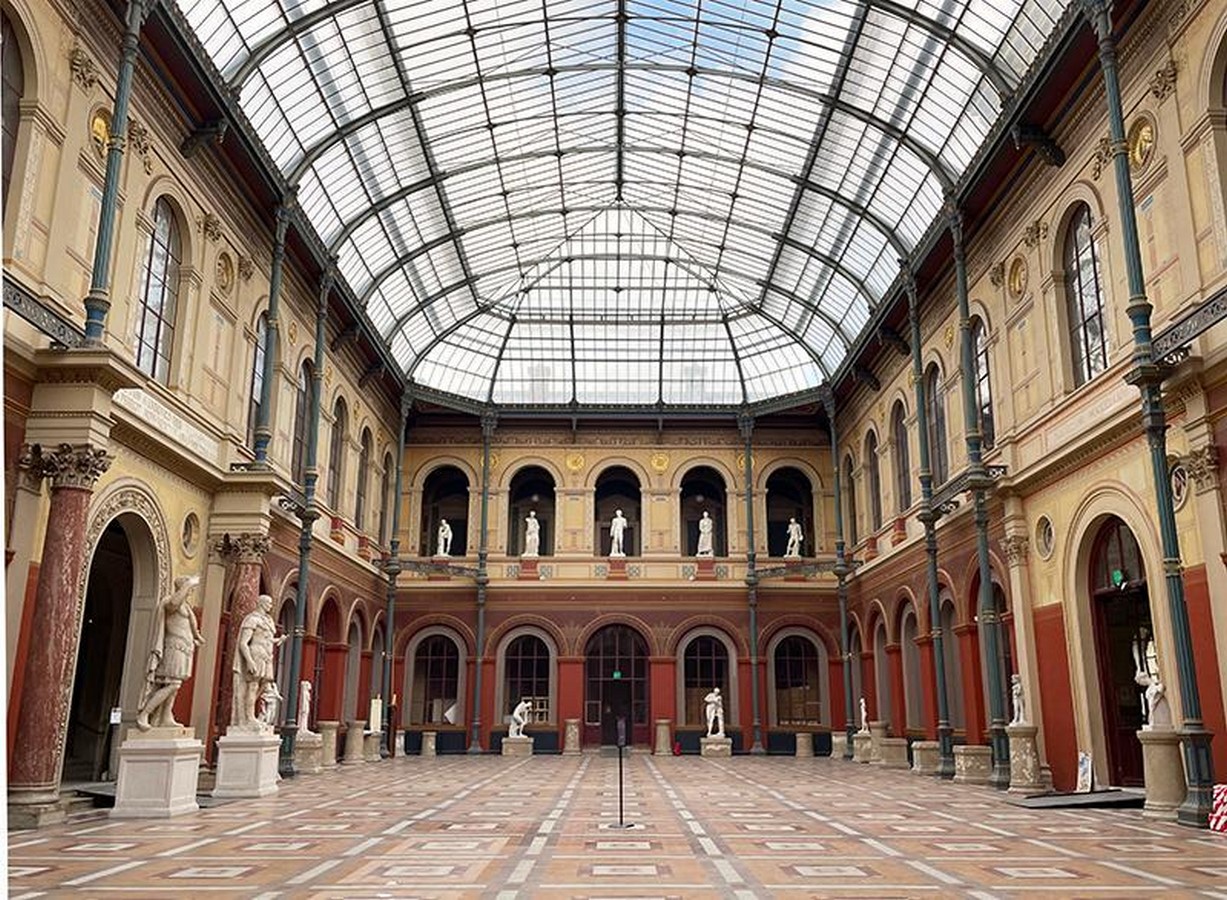
At the start of the 20th century, architectural education was still rooted in classical traditions, largely focused on teaching students through apprenticeships and formal academic institutions. Schools such as the École des Beaux-Arts in Paris emphasized the study of classical orders, proportions, and architectural history. The curriculum was highly theoretical and heavily reliant on drawing and design as forms of artistic expression. This approach focused on training architects as artists and creators of grand buildings, often for elite patrons.
Influence on Buildings: This traditional training produced iconic structures emphasizing monumentality, symmetry, and classical forms. Examples of such architecture include Beaux-Arts-style government buildings, museums, and banks. The education of architects in the early 20th century resulted in buildings that were grand, ornate, and symbolic of cultural values, often reflecting social hierarchies and political power.
Rise of Modernism and the Bauhaus Movement
The 1920s and 1930s brought a dramatic shift in architectural thinking with the advent of modernism, which rejected historical styles in favour of simplicity, functionality, and the use of new materials like steel, glass, and concrete. The Bauhaus school in Germany played a pivotal role in reshaping architectural education by integrating design and industrial production.
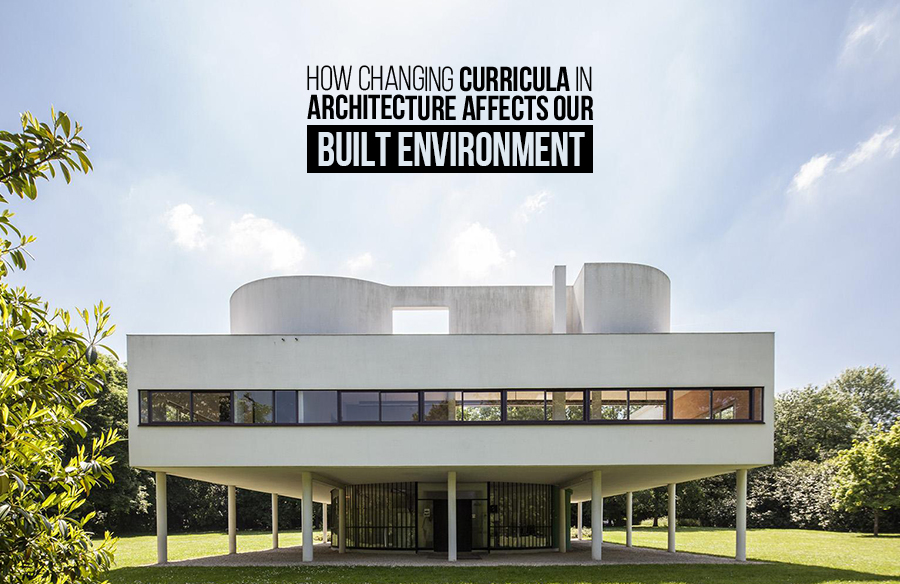
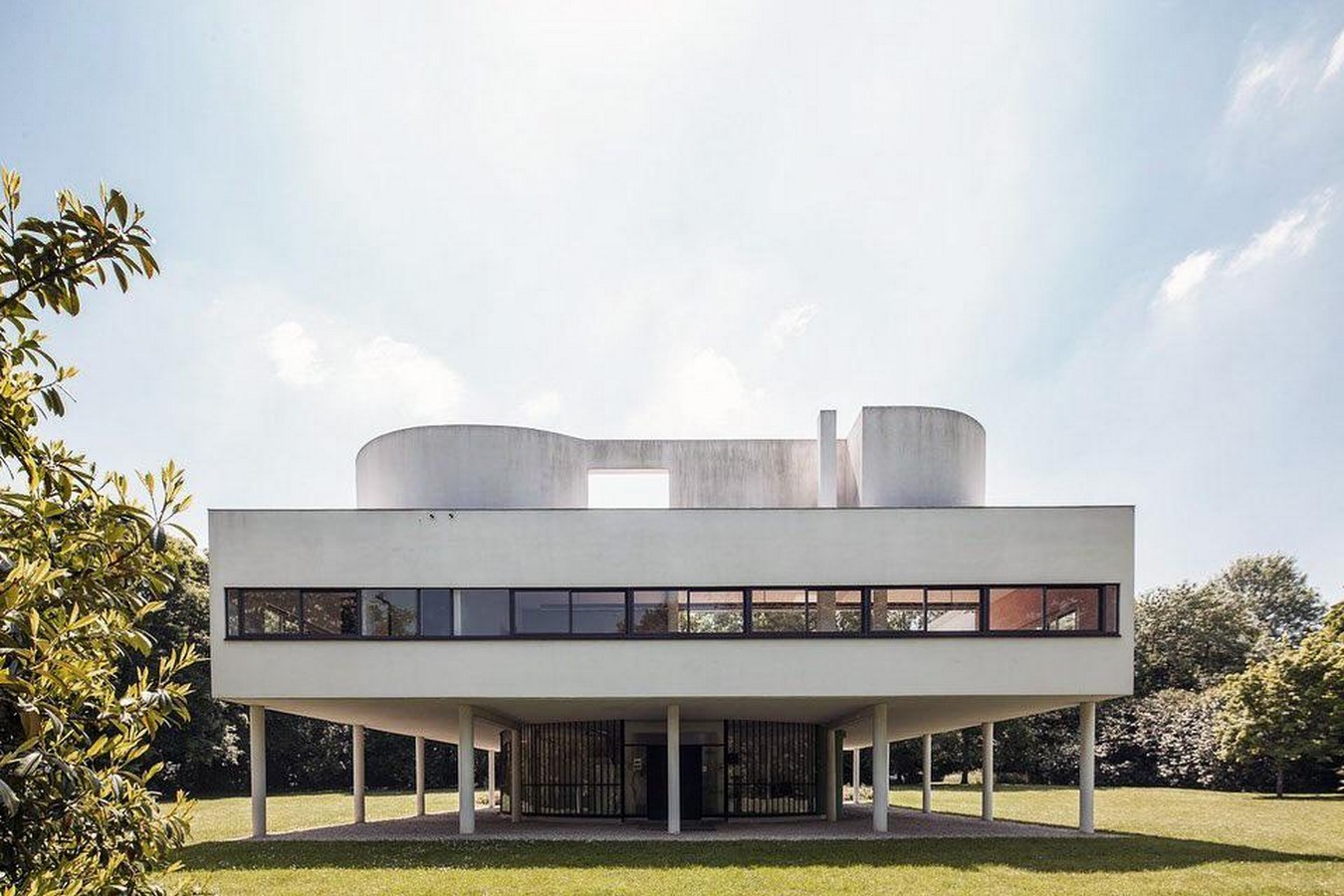
Influence on Buildings: Architects trained in the modernist approach began to design buildings characterized by clean lines, open spaces, and a focus on functionality over ornamentation. The International Style became widespread, seen in buildings like Le Corbusier’s Villa Savoye (1931) and the Bauhaus School itself (1925). These structures represented a break from tradition, with flat roofs, pilotis, open floor plans, and large windows that allowed for more natural light. Modernist buildings emphasized a sense of universality, with less concern for regionalism and more focus on technological progress.
Mid-20th Century: Postwar Expansion and the Emergence of New Techniques
In the aftermath of World War II, there was an expansion of architectural education and practice, driven by the need for reconstruction and rapid urbanization. New technologies, such as air conditioning, steel-frame construction, and prefabricated materials, became widespread. Architectural education began to integrate engineering principles, especially as the complexity of buildings and urban infrastructure grew.
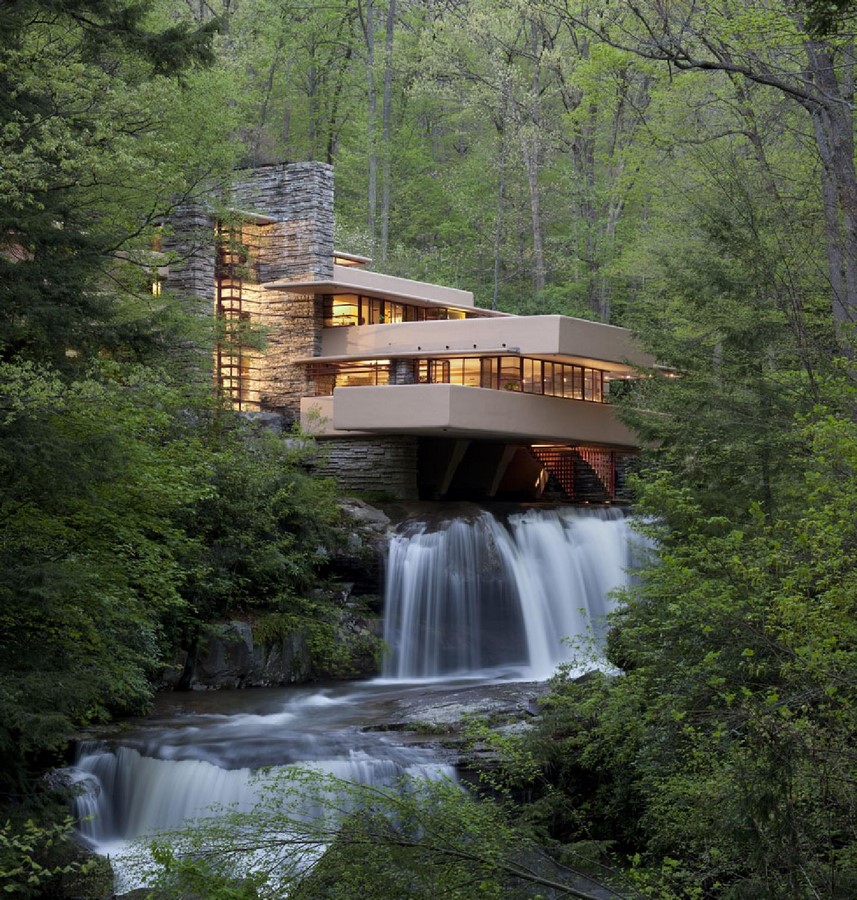
Influence on Buildings: The introduction of new materials and construction techniques allowed architects to create taller buildings, larger spans, and more complex forms. Skyscrapers became a symbol of modernity, particularly in cities like New York, Chicago, and Tokyo. The influence of architects like Mies van der Rohe and Frank Lloyd Wright, who experimented with open floor plans and minimalistic design, continued to shape the skylines with buildings such as the Seagram Building (1958) and Fallingwater (1935). These innovations resulted in more functional and efficient buildings, though still maintaining modernist principles of simplicity and rationality.
Postmodernism
By the 1970s and 1980s, architectural education began to shift from the austere modernism of the early 20th century to a more diverse set of styles under the umbrella of postmodernism. Postmodern architecture rejected the stark simplicity of modernism and reintroduced ornamentation, historical references, and a sense of playfulness. Architects like Robert Venturi, Michael Graves, and Frank Gehry introduced new approaches to design, with an emphasis on context, symbolism, and eclecticism.
Influence on Buildings: Postmodernism influenced architecture to embrace diversity in style and form. Buildings such as the Piazza d’Italia in New Orleans (1978) and the AT&T Building in New York (1984) introduced decorative elements, curves, and fragmented forms. These buildings were often more expressive and symbolic than their modernist predecessors, marking a departure from the functional and restrained forms of earlier decades. The focus shifted towards creating buildings that engaged with the cultural, historical, and urban context in more personal and playful ways.

Modern architecture and Sustainability
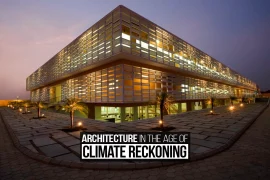
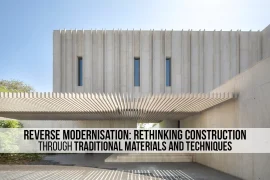
In today’s era, as environmental concerns become increasingly urgent, sustainability has become a central theme in architectural thinking. Prioritising strategies for energy efficiency, the use of sustainable materials, and the incorporation of green technologies such as solar panels and rainwater harvesting systems, make up the core of the curriculum, resulting in a higher likelihood of sustainable buildings emerging in the future. Educators are increasingly emphasizing how architecture can play a role in mitigating climate change, promoting resilience, and reducing resource consumption.
The integration of sustainability into architectural education can directly impact the built environment by producing architects who are conscious of the long-term implications of their designs. By prioritizing ecological balance, minimizing waste, and improving energy efficiency, architects can reduce the carbon footprint of buildings, contributing to a more sustainable and resilient built environment.
Advancements in technology, such as the rise of Building Information Modelling (BIM), parametric design, and 3D printing, have also significantly impacted both architectural education and practice. These technologies allow for more accurate modelling, faster construction processes, and greater precision in design. As a result, architects must not only learn these new technologies but also embrace new modes of collaboration with engineers, contractors, and other professionals.
Architectural education has undergone dramatic changes over the past century, adapting to technological advancements, societal needs, and environmental challenges. These changes have profoundly influenced the built environment, shifting from monumental, classical designs to minimalist modernism, then to expressive postmodernism, and now to sustainable, technologically sophisticated architecture.