Human civilization is a story of constant change. From a phase of hunting and gathering, settled down and farming; from farming evolved complex villages where multiple trades were carried out; and these complex settlements developed into rudimentary cities. Over the approximately 200,000-year-long history from the origin of humans, the scale and type of our cities have continued to grow and evolve both spatially and characteristically. As the world population continues to grow, the number of people migrating from rural to urban areas is rising, and more people now live in urban areas than in rural areas. A shift this large is unprecedented in the history of humanity. In fact, the number of people living in cities is expected to grow from approximately 4.4 billion today to 6.7 billion in 2050. (United Nations, 2020).
A key factor driving this change is economic growth opportunities. As the world shifts from being primarily a farming society, newer employment opportunities are rising. This makes urban areas the hotspots for newer jobs, improved earning potential, and improved infrastructure. This concentration of resources and opportunities makes cities the hub of economic activity. However, while urbanization presents both opportunities and challenges, it also simultaneously exacerbates social inequalities, urban poverty, and a host of other paradoxes accompanied by growth.

Rise of the Urban Paradox
Urbanization—people moving from rural areas to towns and cities—has long been one of the main features of economic development and has accelerated in recent decades, especially in Asia. (Rueda-Sabater, 2021). With the rise of industrialization and service sector growth, came new jobs attracting rural populations. In the present day, urban areas provide infrastructure, connectivity to other hubs, and access to the global market, as well as conducive environments to foster startups and technological growth. However, the proper functioning of a city depends on a variety of factors employing people from all socio-economic backgrounds. As cities urbanize and grow, they are inadvertently becoming more expensive, the brunt of which is borne by the urban poor. Urban centers worldwide share the bane of systematic inequality, housing shortage, and inadequate infrastructure to support the growing population. Employment opportunities go hand-in-hand with exploiting low-income workers.

Understanding the Urban Paradox
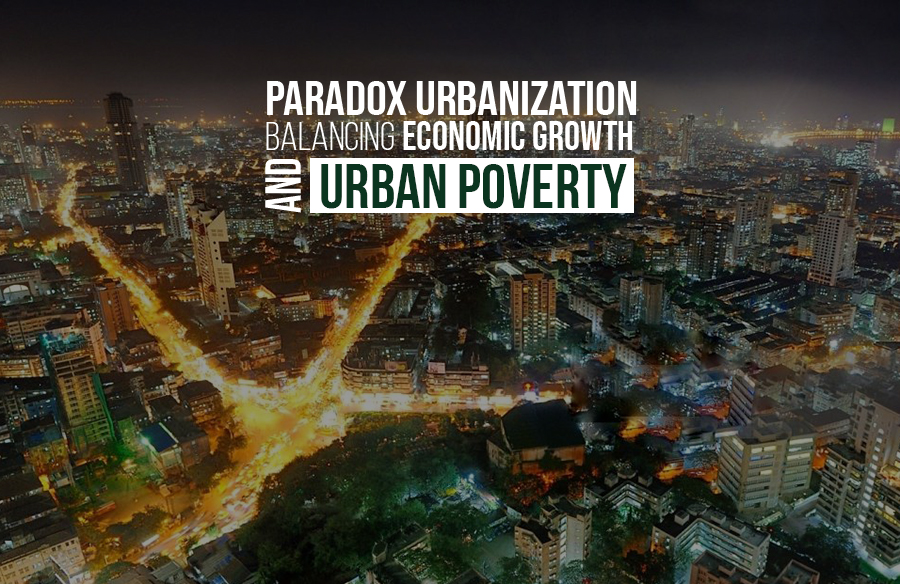
Larger cities are generally richer but more unequal than smaller cities (United Nations, 2020). The opportunities that cities bring are unevenly distributed in space, often preventing entire neighborhoods and populations from accessing health care, education, sanitation, piped water, employment opportunities, and adequate housing. The most evident example of the spatial concentration of urban poverty and disadvantage is slums. Be it the Dharavi slum of Mumbai or the ‘favelas’ of Rio De Janeiro, these modern informal settlements are marked with challenges of extreme overcrowding, poor sanitation facilities, and lack of basic amenities. Aerial images of these urban poor settlements and their proximity to affluent areas highlight the stark contrast between the ‘haves’ and the ‘have-nots’.

Even when it comes to the upper classes, urbanization and economic progress come with a caveat. Just as every coin has two sides, we see how increased reliance on technology and the Internet of Things (IoT) has brought about an invasion of data privacy. The lack of data security standards has created a rise in cybercrime, where cybercriminals can gain unauthorized access to sensitive personal and financial information. Data tracking and surveillance raises ethical concerns about consent, transparency, and monetization of personal data.
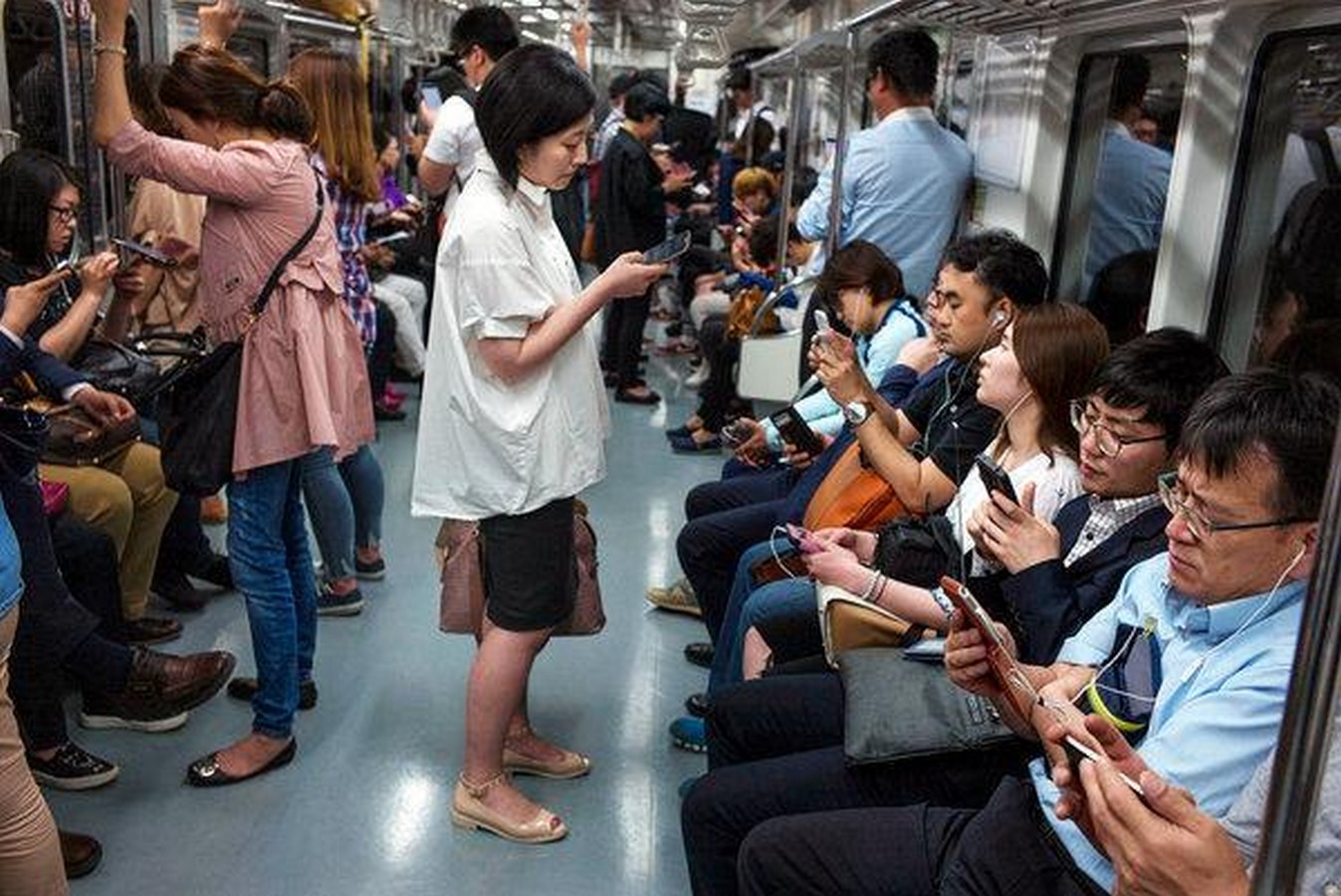
As urban centers and smart cities push for increased digital connectivity and Wi-Fi-enabled spaces, this digital connectivity often comes at the expense of physical, face-to-face interactions, raising concerns about the erosion of social cohesion. This is the digital paradox. The illusion of connectivity created by the digital world increases feelings of loneliness and social isolation. Online personas are taking precedence over real-world human connection, leading to a growing number of mental health issues.
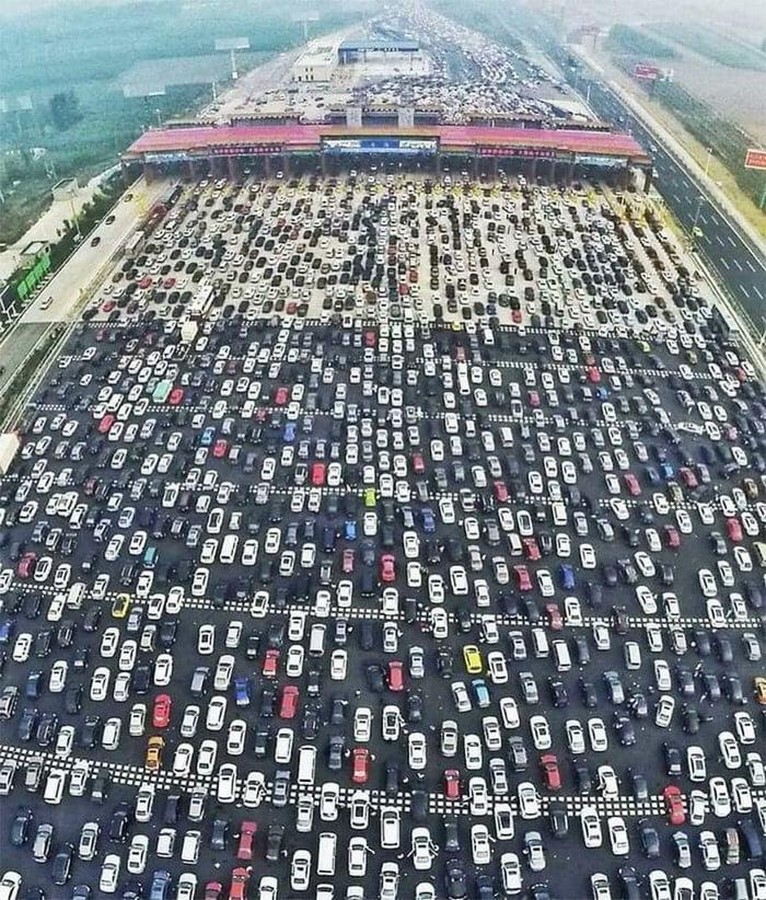
The rise of Autonomous Vehicles (AVs) and Single-Occupancy Vehicles (SOVs) in urban areas is affecting mobility patterns to create the mobility paradox. These come at the high cost of environmental degradation and energy usage. Heavy dependence on SOVs has choked road infrastructure leading to increased traffic and travel times. The parking infrastructure required to support this is causing poor urban spaces and heat-island effects in cities everywhere.
Potential Solutions and the Way Forward
The expansion of urban centers and populations is inevitable. And unless mitigation steps and policy reforms are undertaken, the gap between the rich and the poor is bound to widen and worsen the existing vulnerabilities. There are no set rules to diminish urban inequalities, however, few Governments have been able to tackle spatial, economic, and socio-cultural aspects of the urban divide and promote inclusive urbanization.
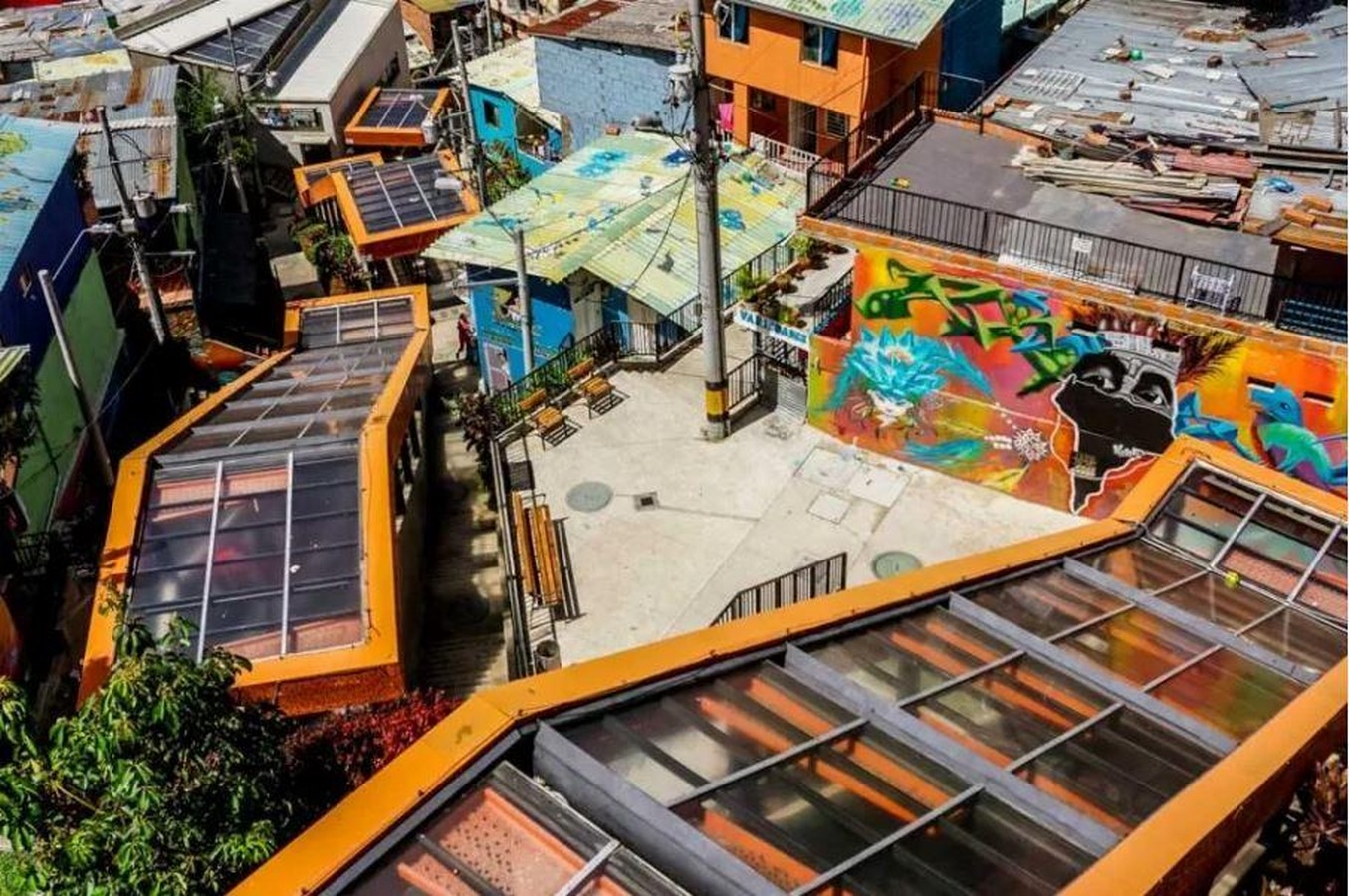
First, they have established land and property rights, with a particular focus on security of tenure for people living in poverty. Second, they have increased the supply of, and access to, affordable housing, infrastructure, and basic services and access to these services. This is essential since good commercial transport networks and access to key services like education and healthcare are critical to spatial and economic inclusion. Third, they have facilitated decent employment and education opportunities for all urban residents. And fourth, they are ensuring the participation of all stakeholders in the decision-making process including the allocation of public funds and formulation of new policies. A combination of these strategies can be seen in case studies like Medellín, Colombia through their urban renewal projects targeting slum rehabilitation.
All urban centers worldwide exhibit stark contrasts between wealth and poverty, connectivity and isolation, and efficiency and congestion. However, a renewed focus on policy reform can ensure equitable distribution of resources and prioritize human connection over blatant technological and economic growth. The path forward lies in understanding that urbanization is not merely economic prosperity, but also social prosperity that ensures inclusive and sustainable urban centers.
References:
Rueda-Sabater, E. (2021). Urbanization and Its Paradoxes. [online] Esade.edu. Available at: https://dobetter.esade.edu/en/urbanization-trends.
United Nations (2020). Urbanization: expanding opportunities, but deeper divides. [online] UN DESA | United Nations Department of Economic and Social Affairs. Available at: https://www.un.org/development/desa/en/news/social/urbanization-expanding-opportunities-but-deeper-divides.html.