Rethinking What We Call ‘Informal’
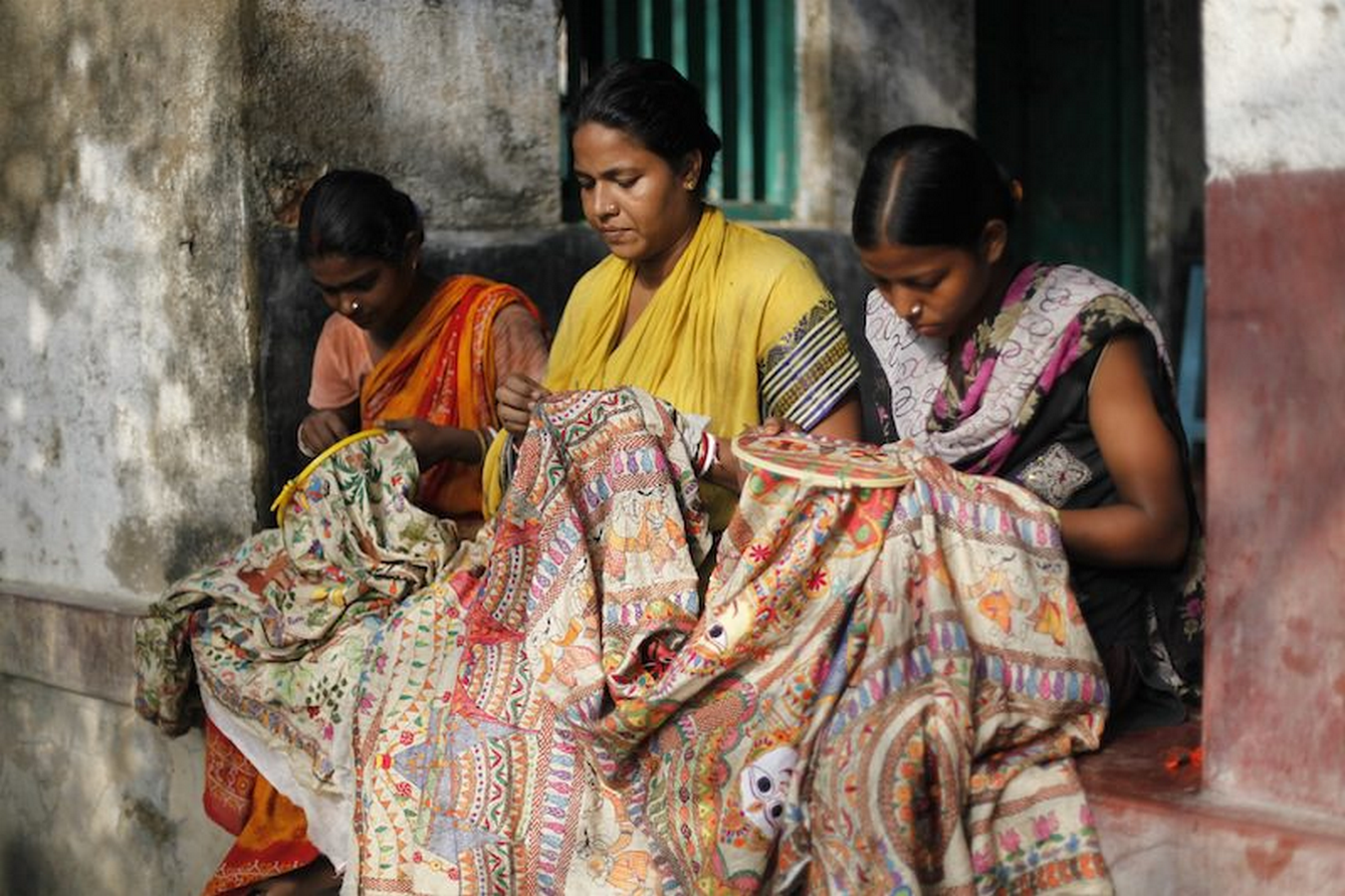
Galleries, craft studios, cultural centres, and digitally driven innovation hubs are the most visible and celebrated forms of the creative economy in policy and media. Yet, a large part of the creative economy functions quietly in the background through craft clusters, small workshops, and household-based production.
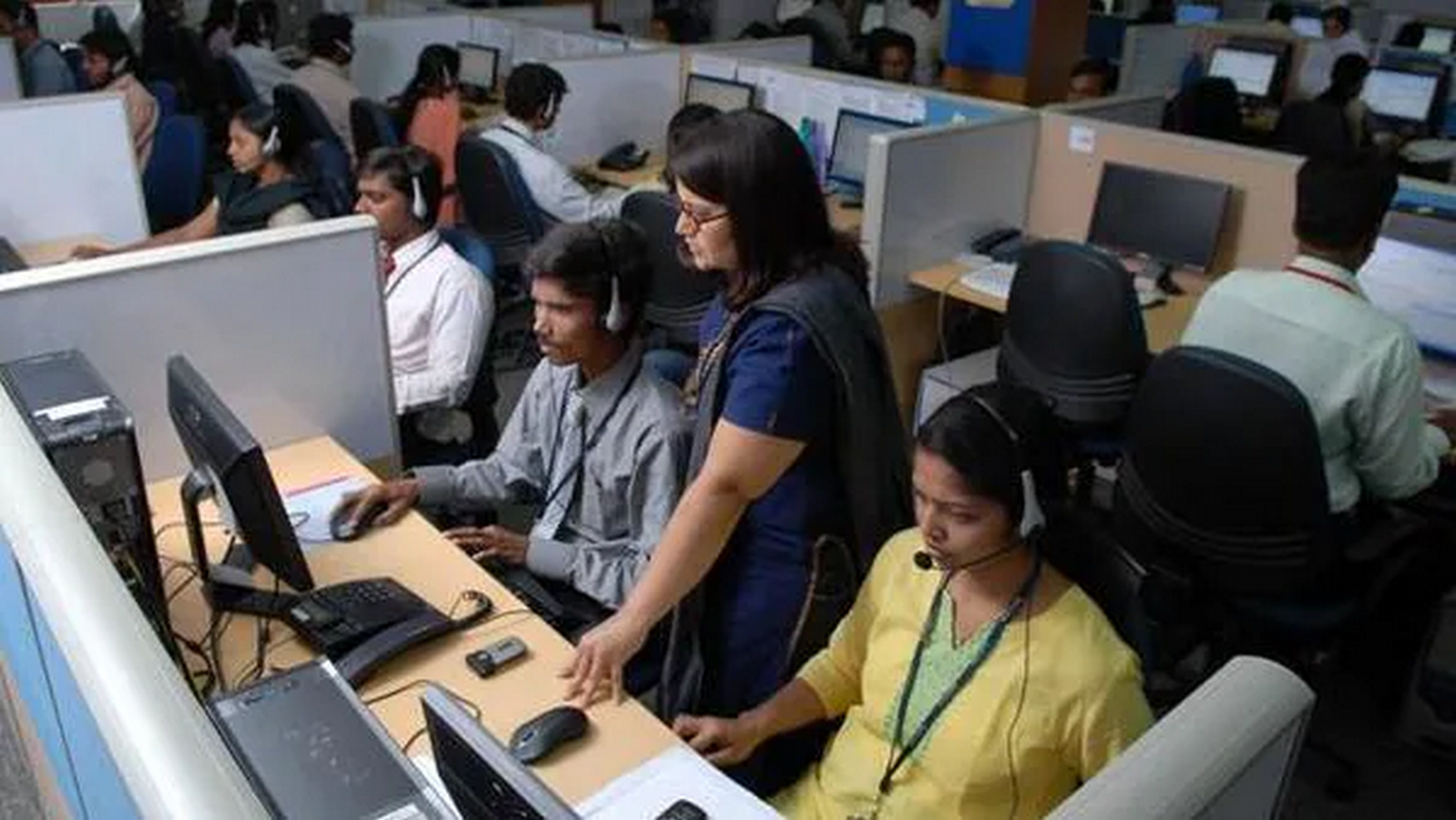
These systems are often labelled as ‘informal’, a word associated with marginality, lack of organisation or absence of structure. Is it really fair to term it so? Isn’t it a deeply structured, economically productive and spatially organised system, one that has shaped cities and settlements for centuries?
This article argues that craft-based economies are not peripheral to urban systems; they operate as critical infrastructure. They organise spaces, livelihoods, resources and community networks.
Creative Economy
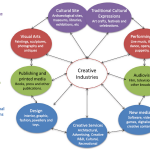
The creative economy is a horizontal, evolving concept based on creative assets that can potentially generate economic growth and development. The UNCTAD classifies the creative industry into Heritage: cultural sites and traditional cultural expressions; Art: visual arts and performing arts; Media: publishing and printing media, audiovisual; Functional creations: design, creative services and new media.
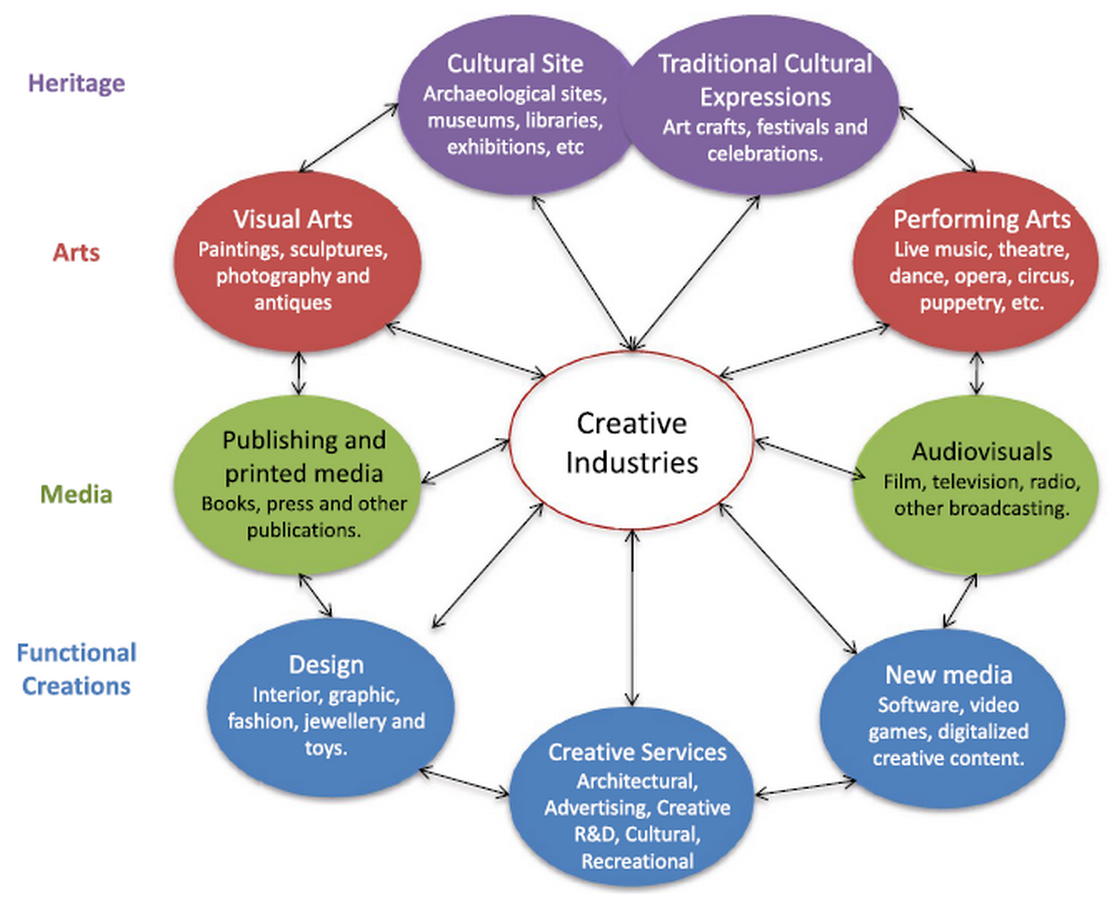
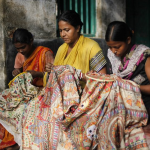
However, in most parts of the world, creative production does not primarily occur in studios or offices but rather in homes, courtyards and neighbourhood workshops.
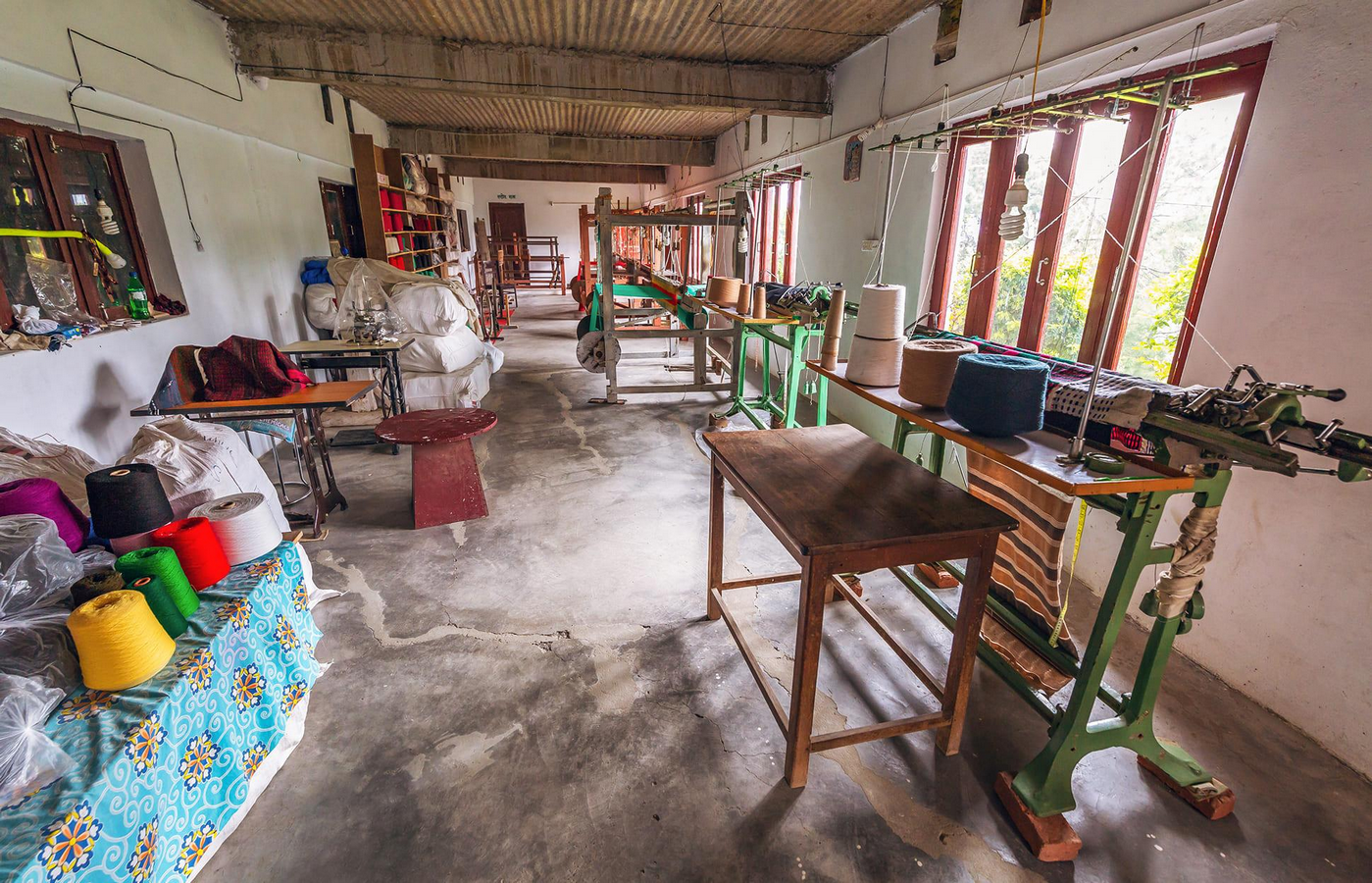
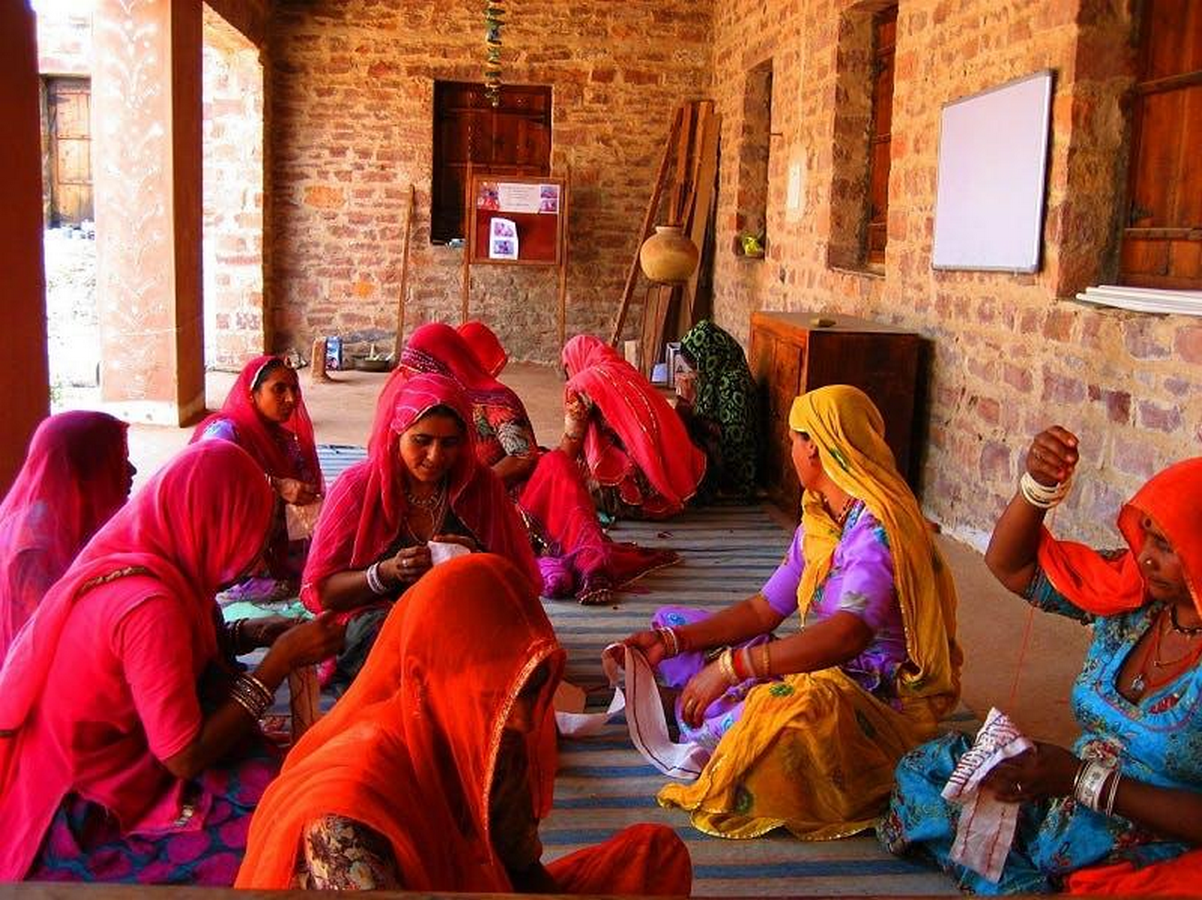
In most cases, where craft traditions are deeply embedded in everyday life, they are intertwined within domestic life, spatial organisation and community networks. In such cases, it is not a distinct ‘industry’ but a way of living and sustaining communities.
Craft As Urban Infrastructure
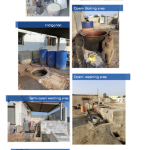
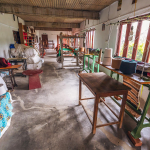
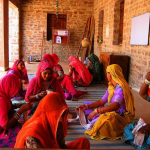
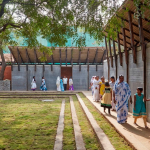
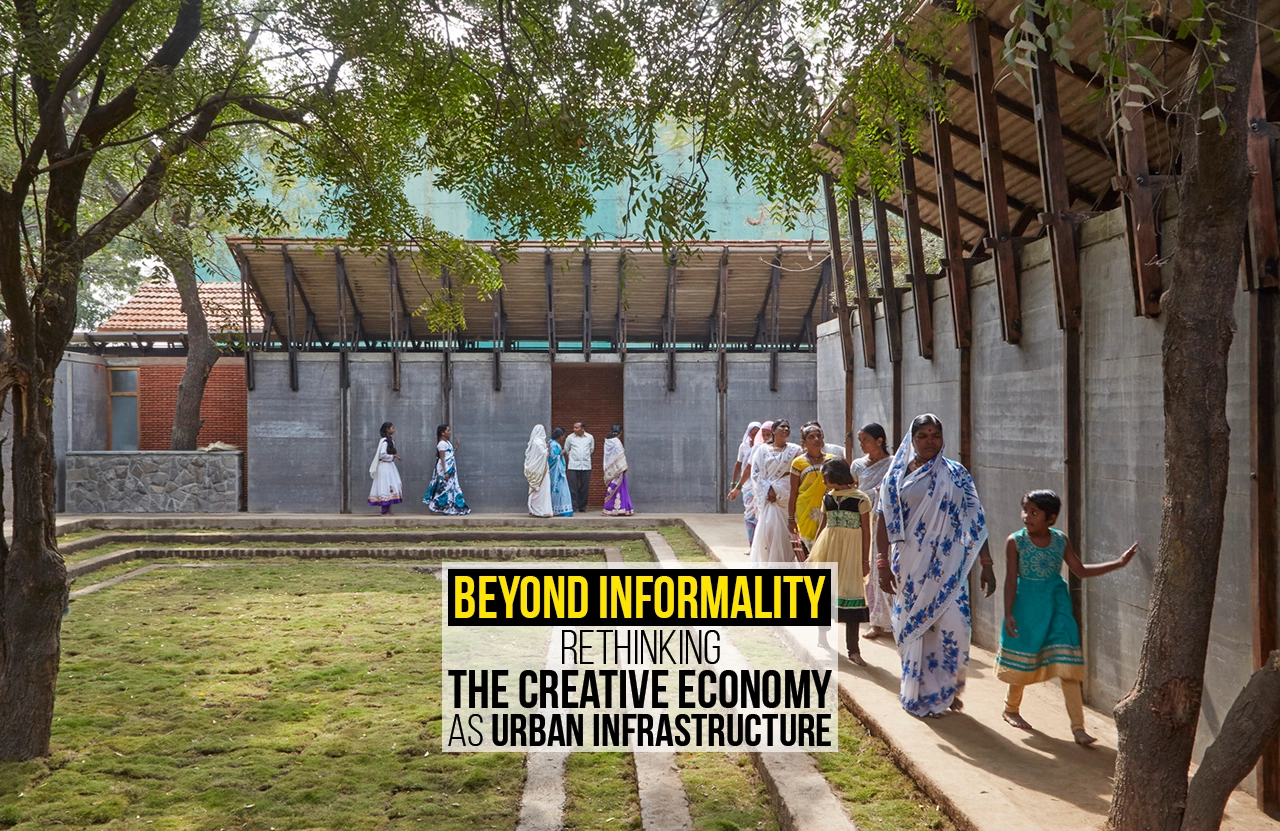
Taking a case example of Ajrakhpur, Kutch, Gujarat, where traditional printing and natural dyeing practices shape the entire settlement structure.
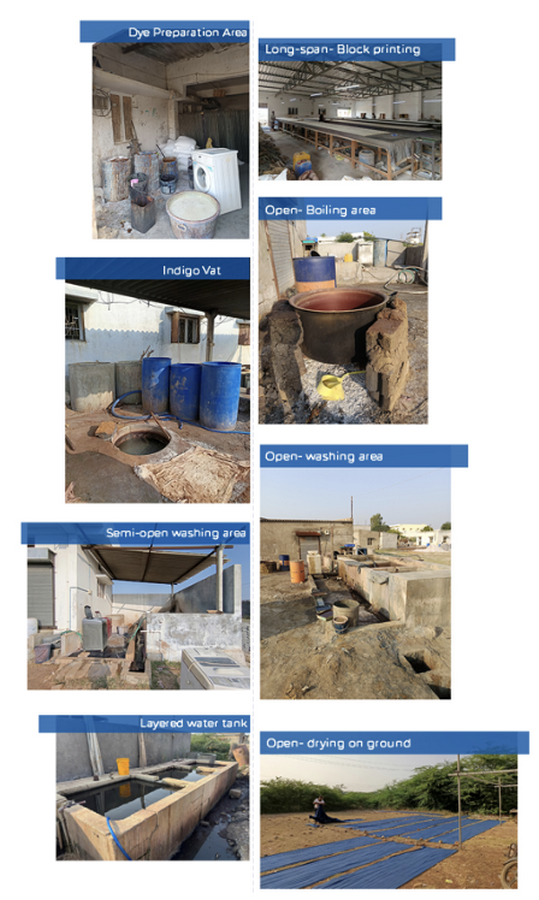
Post 2001 earthquake of Kutch, the craft helped and shaped the new settlement. Here, craft is not just an economic activity; it actively structures the environment.
- Water infrastructure exists to support washing and dyeing processes.
- Courtyards and open areas serve as drying spaces
- Streets accommodate the movement of materials and finished goods
- Homes function as hybrid spaces for both living and production
The spatial layout that grew organically over time reflects the production cycles, seasonal variations, social network and working patterns. What appears to be a cultural practice is in fact a complex, spatially embedded system that shapes land use, water management, and social organisation.
Why Is It Called ‘Informal’?
Why do we label craft economies as informal when they are structured and productive?
The answer lies not in the absence of organisation but in the way planning systems classify economic activities. Craft-based production often
- Operates from homes or small workshops rather than formal industrial zones
- Relies on the community networks rather than corporate structures
- Blends domestic and economic functions in the same space
Such systems do not fit into the conventional zoning categories and hence are treated as temporary, marginal or unplanned even though they existed for generations.
But this raises an interesting question:
If an activity sustains thousands of livelihoods, organises spaces, and supports local economies, should we call it informal?
When Development Disrupts Systems
Urban redevelopment or ‘upliftment’ projects often fail to recognise craft economies as an integral system. This leads to interventions that only work at the surface layer and unintentionally disrupt them.
When housing and production spaces are separated through rigid zoning to account for production needs such as water, sunlight, organised spaces or communal spaces, craft struggles to survive.
The consequences are far beyond economics. It affects:
- Intergenerational knowledge transfer
- Social network built around shared resources
- Women’s participation in home-based economies
- Local supply chains and markets
The result is not just loss of income, but erosion of cultural and spatial continuity.
Recognising Systemic Value
Craft is often celebrated as heritage, tradition or cultural identity. While this recognition is valuable, it can unintentionally frame craft as something to be preserved rather than something that is actively evolving and contributing to contemporary economies.
Viewing craft primarily as heritage risks reducing it to aesthetics or nostalgia. In contrast, recognising craft as infrastructure can often overlook the intangible yet important layers. Hence, it is important to develop a balanced understanding.
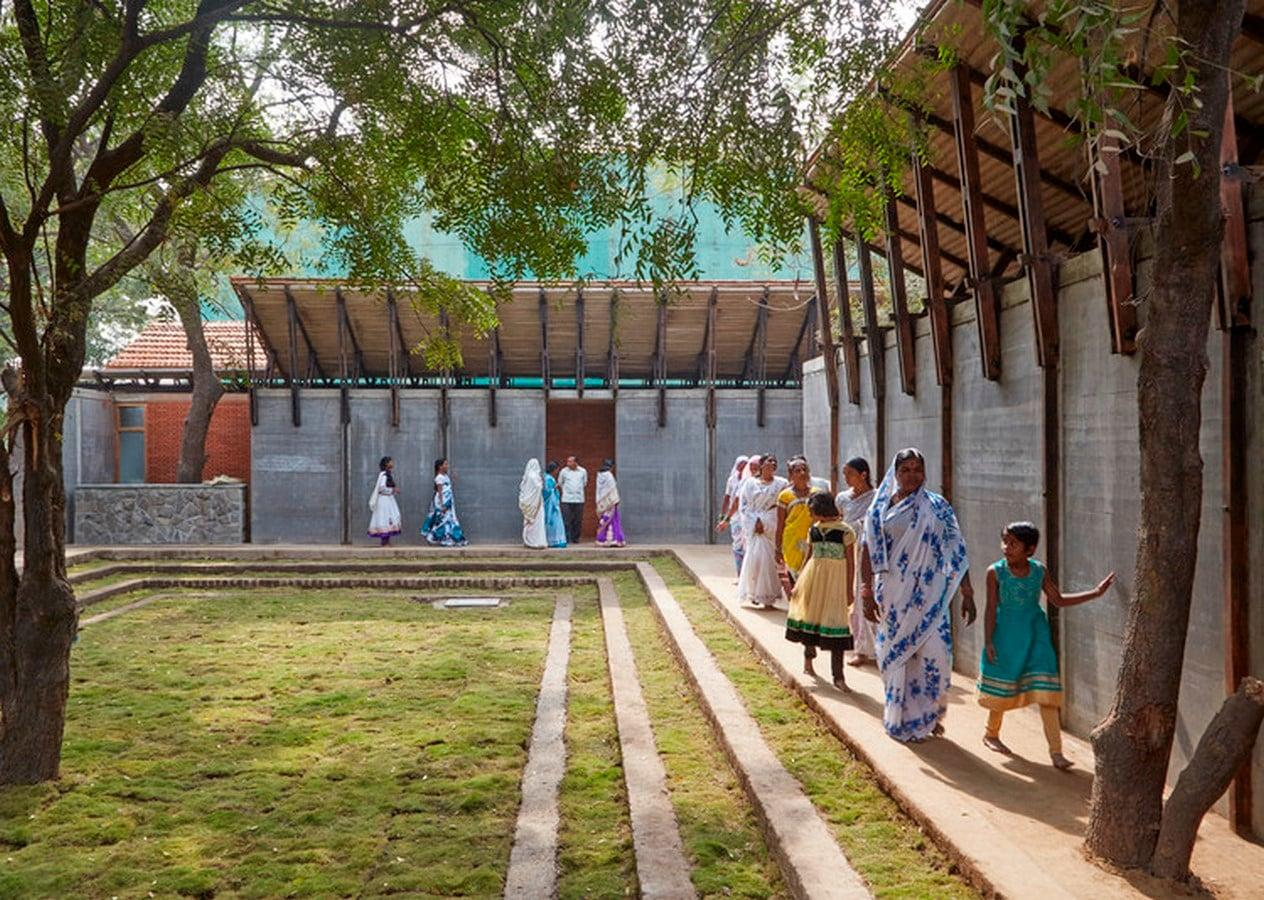
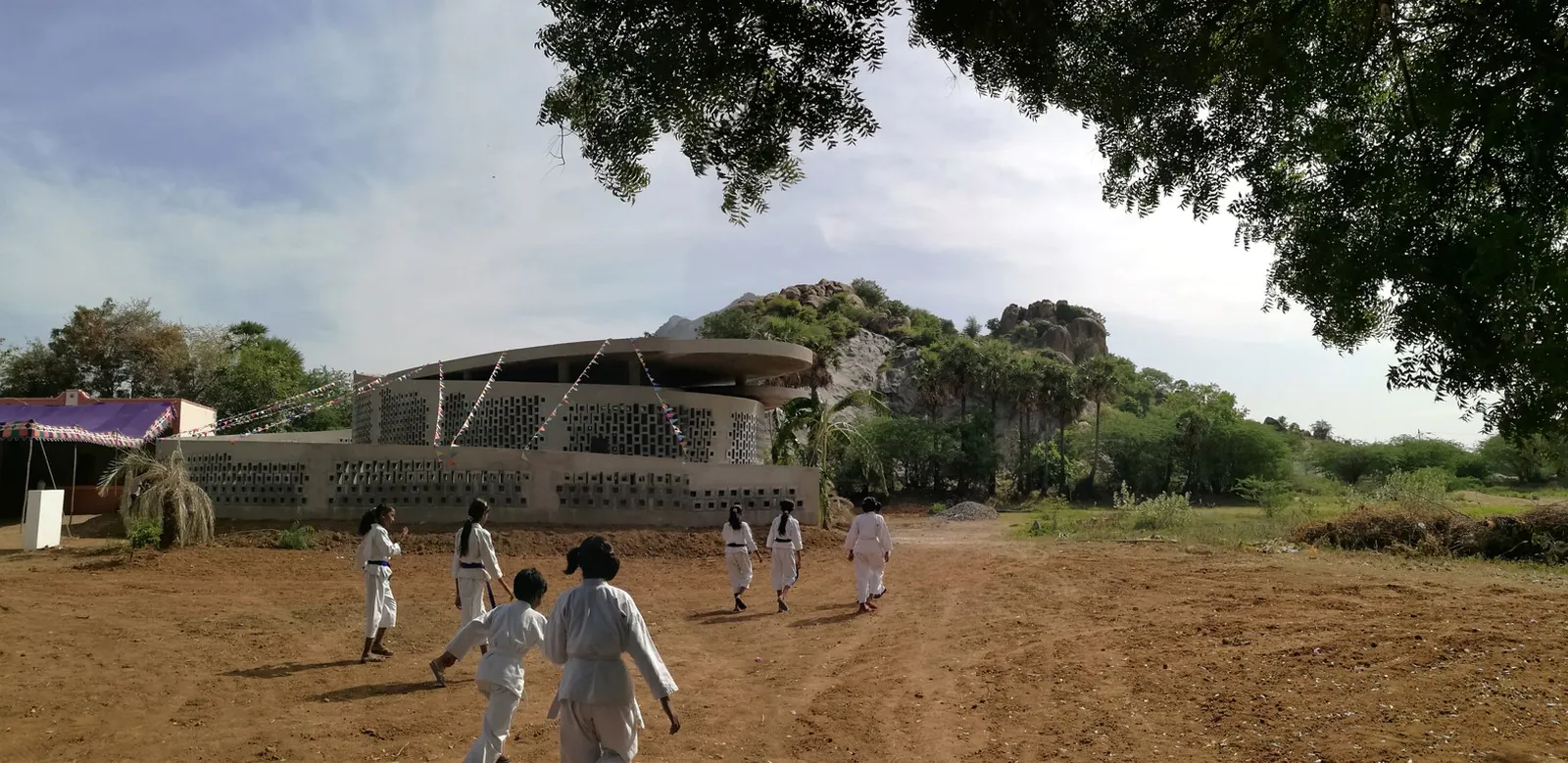
Today, when we plan for creative economies, we must not romanticise traditional practices; instead, we must call for frameworks that support hybrid live-work environments, provide access to shared infrastructures such as water and waste systems, help sustain workplaces in their natural context, and enable gradual adaptation rather than abrupt displacement.
Such approaches recognise that creative economies are not supplementary to urban systems; they are functional components of them.
The Broader Question
Creative economies operate quietly and are deeply embedded in everyday life. What we often classify as informal may, in fact, be some of the most resilient and adaptive systems we have!
Craft systems have evolved, shaped settlements, economies and the social fabric of the geography they sustain in. The craft shapes the place, and place shapes the craft. When we understand this at deeper layers, we move from asking – how to preserve craft? To a deeper question- How to plan with craft?
References:
UNCTAD (2010) Creative Economy Report 2010: Creative Economy – A Feasible Development Option. Geneva: United Nations. Available at: https://unctad.org/system/files/official-document/ditctab20103_en.pdf (Accessed: 10 April 2026).
UNCTAD (2018) Creative Economy Outlook: Trends in International Trade in Creative Industries. Geneva: United Nations. Available at: https://unctad.org/publication/creative-economy-outlook (Accessed: 10 April 2026).
UNESCO (2013) Creative Economy Report 2013: Widening Local Development Pathways. Paris: UNESCO. Available at: https://unesdoc.unesco.org (Accessed: 10 April 2026).
Jaitly, J. (2012). Craft Traditions of India. New Delhi: Ministry of Information and Broadcasting.
Scrase, T.J. (2003) ‘Precarious production: Globalisation and artisan labour in the third world’, Third World Quarterly, 24(3), pp. 449–461.
Ministry of Textiles, Government of India (2022) Annual Report 2021–22. New Delhi: Government of India. Available at: https://texmin.nic.in (Accessed: 10 April 2026).
India Brand Equity Foundation (IBEF) (2023) Textiles and Apparel Industry in India. Available at: https://www.ibef.org/industry/textiles.aspx (Accessed: 10 April 2026).