Architecture, as a manifestation of the people’s culture, traditions, and values, in India, the evolution of architecture has been dramatically influenced by diverse and complex communities, each offering their own distinct heritage and aesthetic sensibilities. Ever since time immemorial, the relationship of Indian communities and architecture is an ancient one, based on cultural, social, economic, and religious contexts. India’s history extends over thousands of years, beginning from ancient temples and forts up to the bustle of contemporary urban centers; architecture in India speaks of the people, their beliefs, and their collective identity.
This article investigates how Indian communities have shaped styles and practices of architecture by looking into historical development, cultural influences, social factors, and contemporary architectural trends.
Historical Influence: The Foundations of Indian Architecture
Indian architecture dates thousands of years into the past. Each period of time has built upon that base to make what we see in architecture today. Ancient Indian communities left behind such monumental structures reflecting their social, religious, and political ideals.
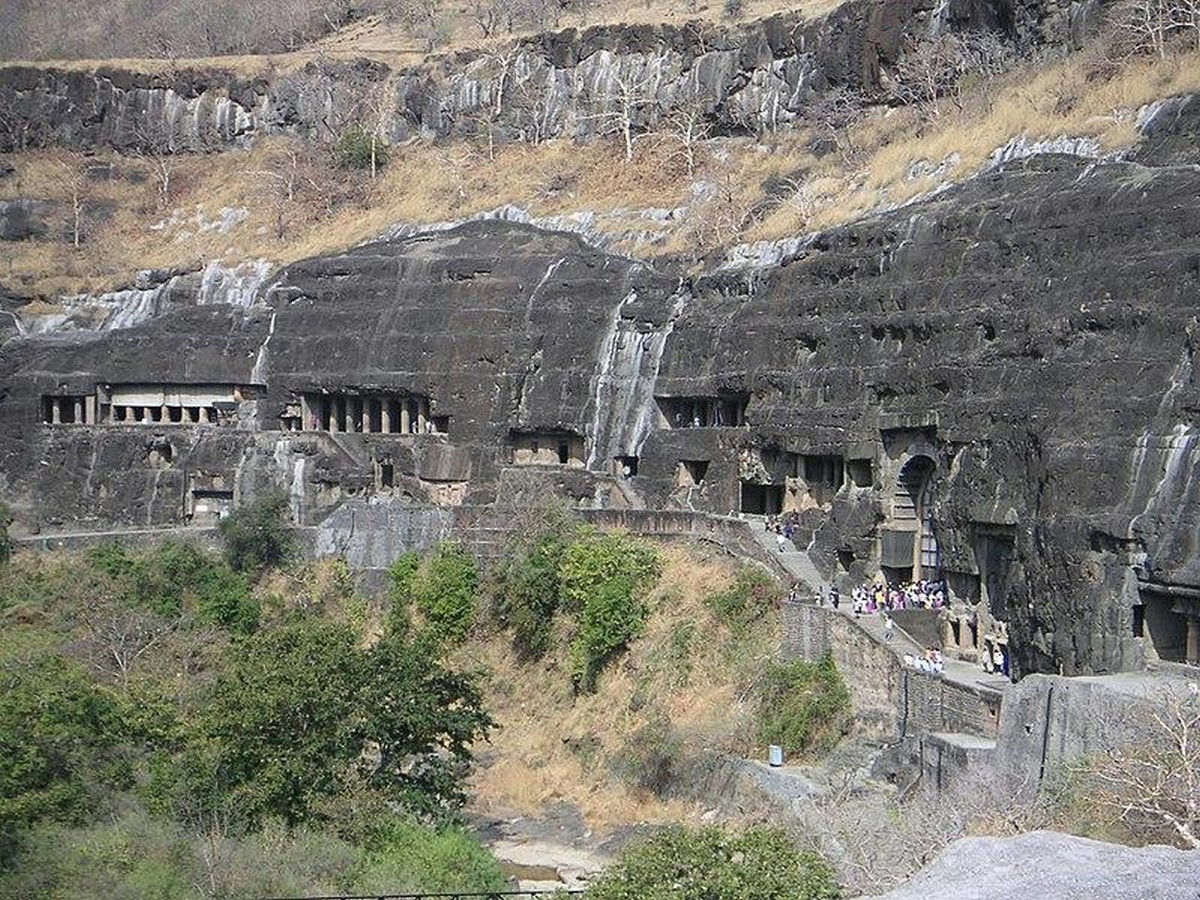
One of the most important early influences on Indian architecture was religion. The development of Hinduism, Buddhism, Jainism, and later Islam formed architectural styles and forms. The ancient temples constructed in India such as rock-cut caves of Ajanta and Ellora and intricately carved temples of Khajuraho reflected both the divine and the cosmos that had to mirror the religious values of the community constructing it. For example, Hindu temples convey the belief of Indian people about connectivity between the transcendental and physical world. Carvings, spires, and shrines are devised with cosmic balance and worship.
Similar is the case of Buddhist architecture, which in its stupa and monasteries, like Sanchi and Nalanda, has shown a strong sense of enlightenment and peaceful meditation of the community. Indian temple architecture had its roots in centuries-old structures in cities like Bhubaneswar and Puri, and it continues to be an integral part of architectural creation in contemporary India.
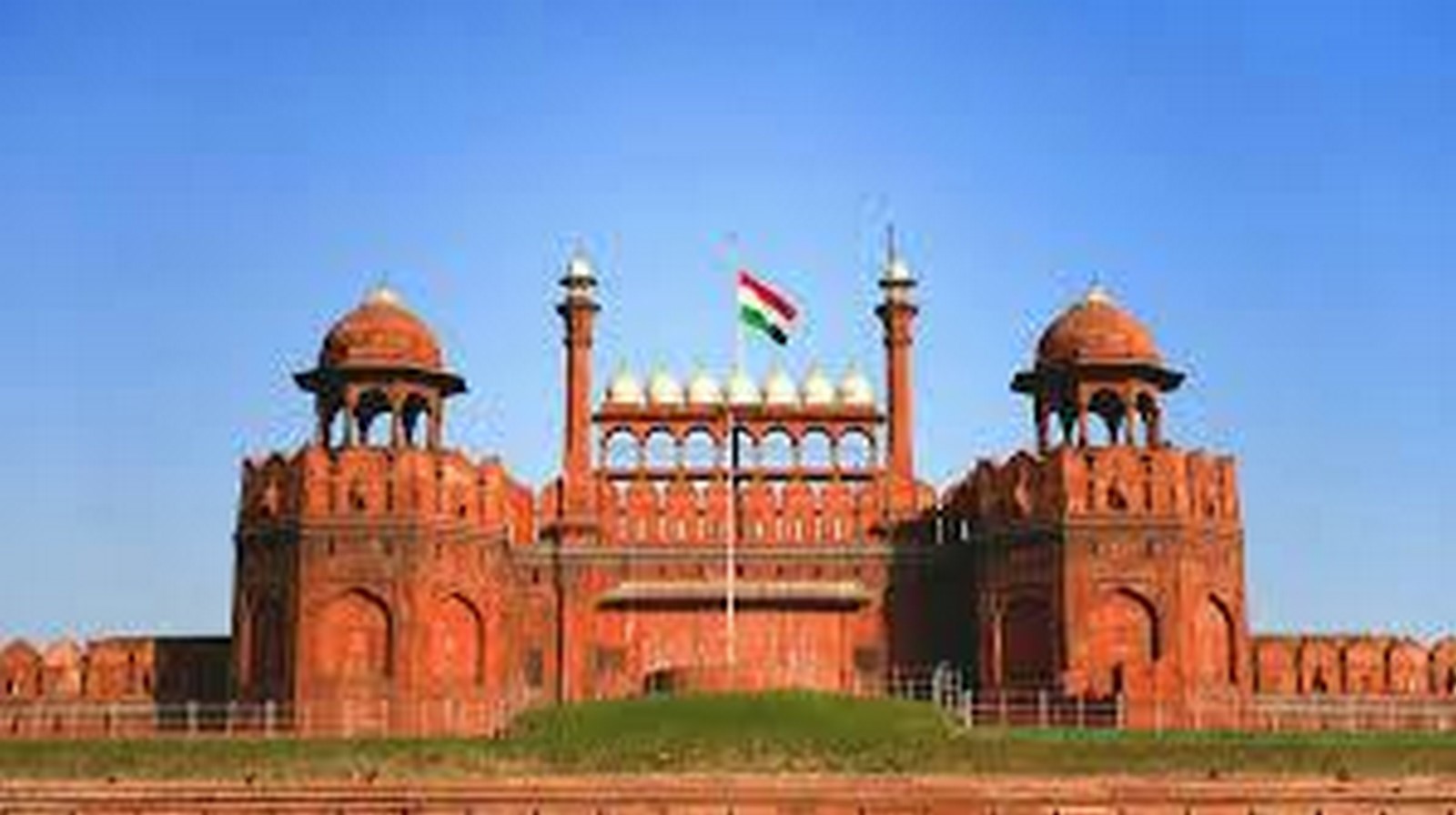
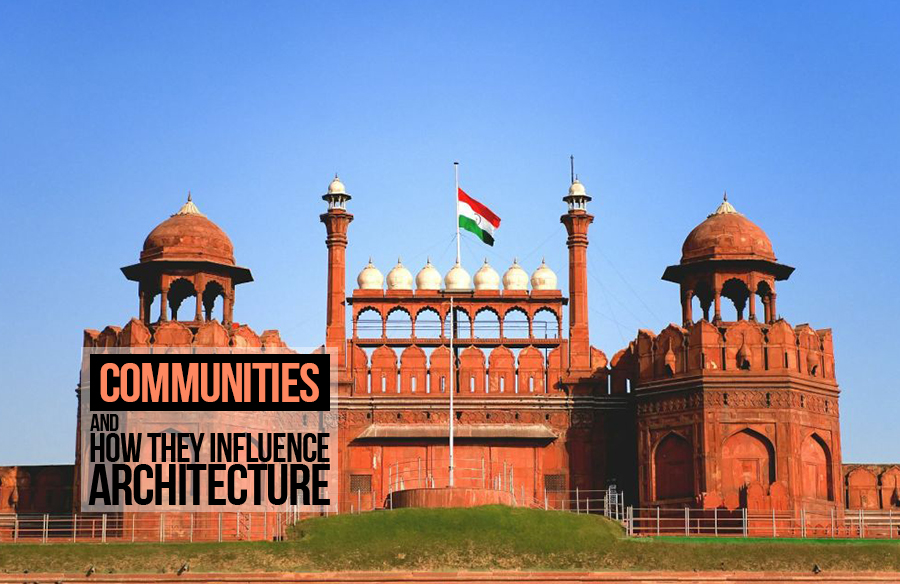
With the rise of Islamic architecture came a new shift in the medieval period. In the period of the Islamic societies in India, designs like arched structures, domed top, minaret, and courtyards have been introduced. Best examples can be seen in the forms of Qutb Minar in Delhi, Red Fort in Agra, and Taj Mahal. These are the monuments that have been produced during the Mughal dynasty that encapsulate pride and majesty of the emperor and the syncretism that rests between Indian and Islamic traditions of architecture.
Cultural Impact on Indian Architecture
Indian architecture has always contained a mix of cultural influences due to the immensity of diversities the country presents. They have been mostly influenced by the diversity of communities and subcultures in the subcontinent from antiquity to this modern period. It adopted local materials, construction techniques, regional aesthetic traditions, and developed style in different parts of India.
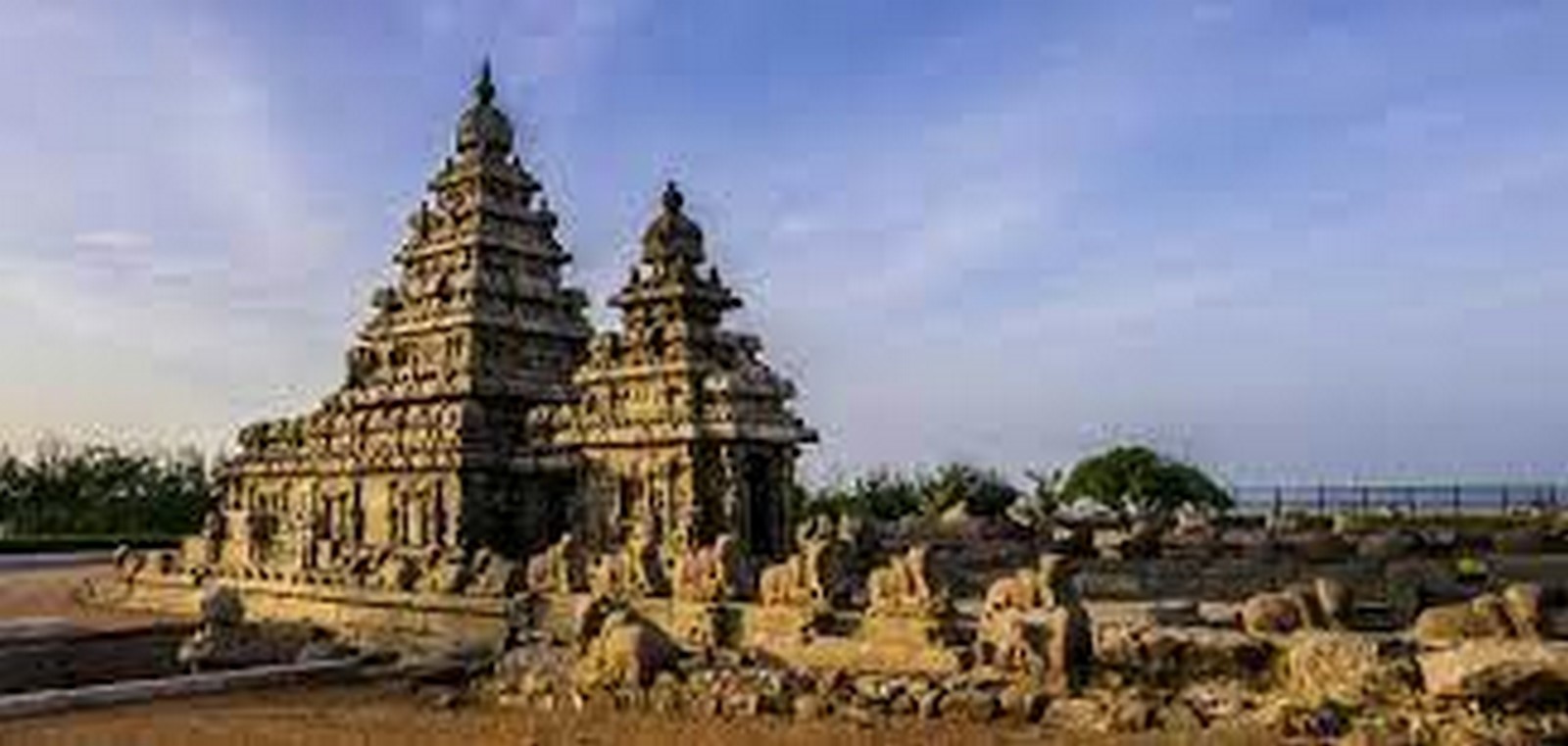
The southern states of India are a prime example of how local communities have shaped architectural design, with the towering gopurams (gateway towers) and intricately detailed stone carvings of the Dravidian style. The Meenakshi Temple in Madurai and the Brihadeeswarar Temple in Thanjavur are marvels of Dravidian architecture, reflecting both the religious devotion of the community and the technical mastery of local artisans.
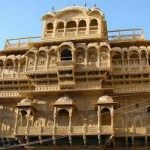
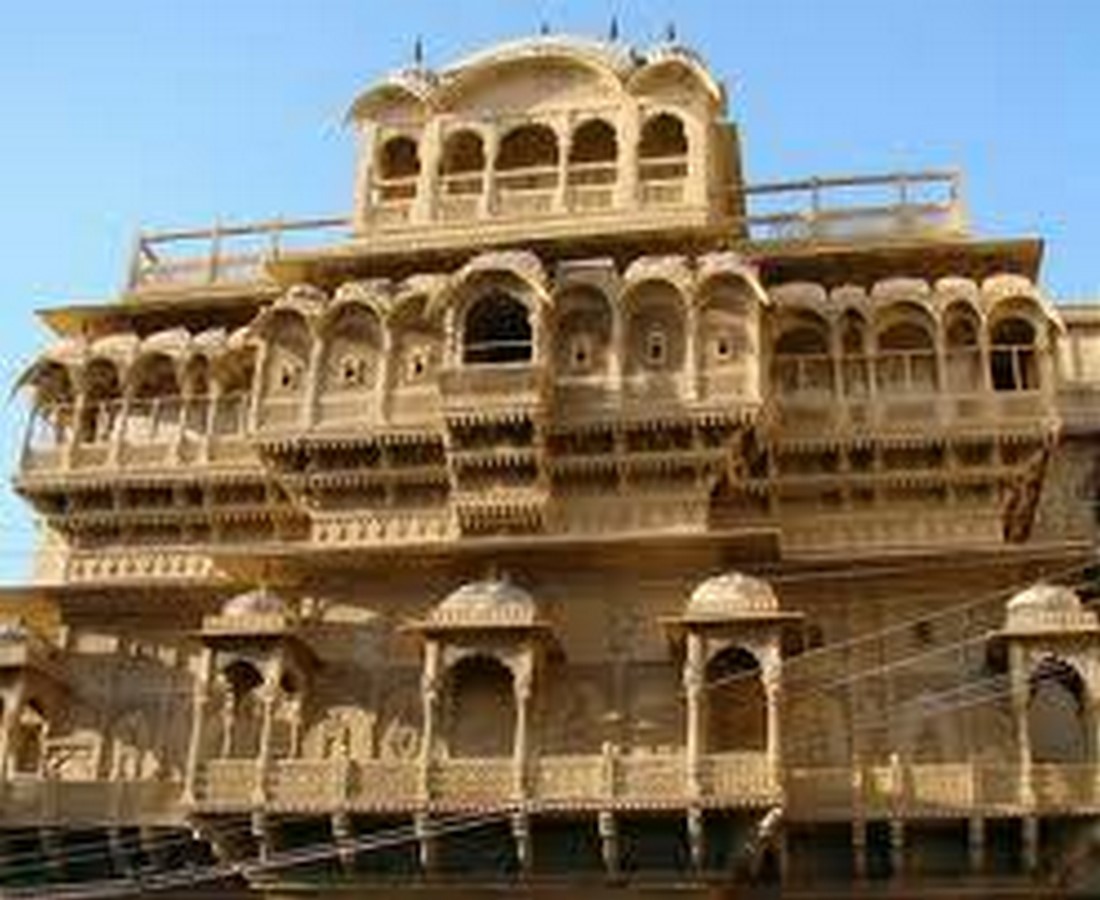
The style of Indo-Aryans has flourished in the northern parts, which has been influenced by climate, geography, and the local customs prevailing there. Architectural heritage in Rajasthan represents a melting pot of influences from Hindu, Jain, and Islamic traditions. The havelis and forts of Rajasthan can be characterized in ornate facades, intricate carvings, and courtyards built with locally available sandstone and marble, just like Jaisalmer and Jaipur. Thus, using these materials for building and construction reflects the specialties of culture and economy in that region; community people adapted to the architecture according to the rough desert climate.
In coastal areas like Goa, one can experience the influence of Portuguese colonizing power through church architecture, villa architecture, and other structures of public edifices. For example, in old Goa, buildings such as the Basilica of Bom Jesus show adaptation of European styles of baroque in the tropic climate with indigenous materials available for use. Equally so in the eastern provinces, colonial influences are assimilated with Bengali native tastes creating a totally novel look.
Social Dynamics and Architecture
Indian social structure has played a very significant role in the built environment throughout history. Though officially abolished, the caste system remains an influential part of the way space is organized and who is allowed access to which areas.
The most evident architectural response to social stratification was in the form of temple and public space design. In many traditional temples, there were specific areas for priests and worshippers, and the inner sanctum was only accessible to a few people, usually from the higher castes. This physical division of the community further reflected social hierarchies. Likewise, homes built in rural areas were constructed to reflect the social status of their inhabitants, where wealthier families lived in bigger, more ornate houses and lower castes in smaller, more modest abodes.
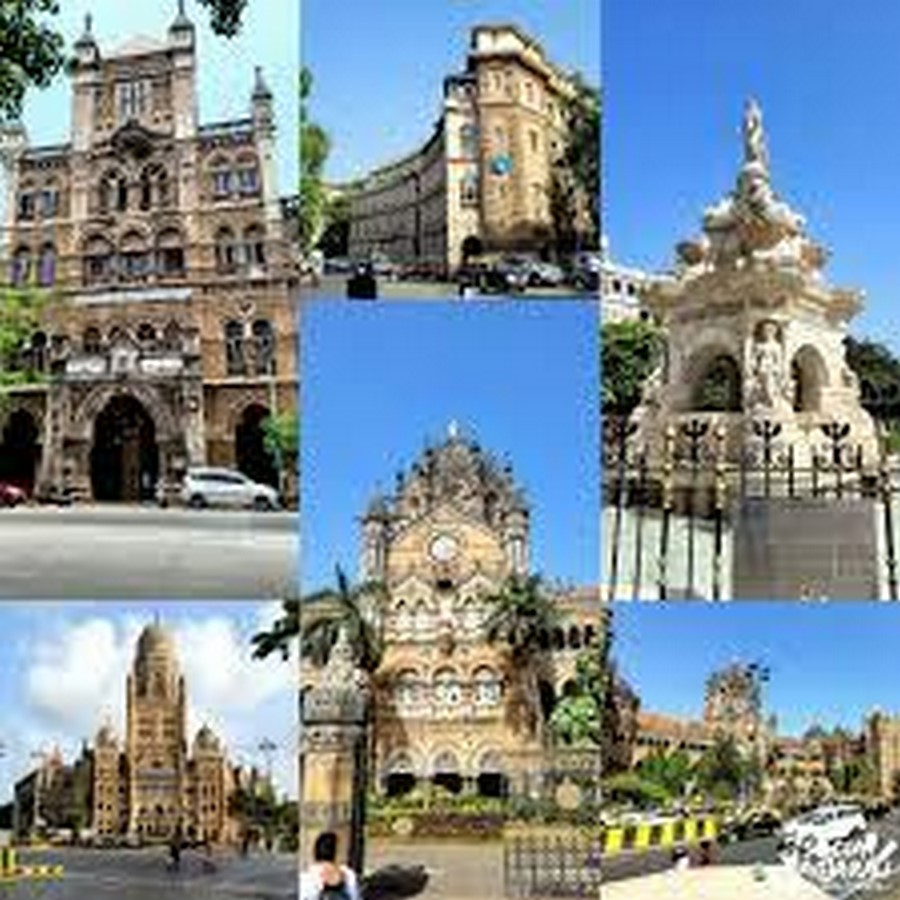
In the cities, social factors shape the form of neighborhoods and housing. Cities like Kolkata, once known as Calcutta, and Mumbai, once known as Bombay, were designed with well-defined differences between the upper-class and the working-class zones. Today, India still has vast contrasts within itself. It ranges from the modern high-end developments boasting all the modern amenities and luxuries in designs to marginalized communities living under slum or overcrowded conditions. This division remains a direct consequence of historical social dynamics and continues to influence the urban planning and design of today’s cities.
The Role of Indian Architecture in Modern Urban Development
In the present era of India, especially in developing cities, the community plays an important role in designing architecture. For example, spreading cities like Bengaluru, Mumbai, Delhi, or Chennai tell how the architecture shows changes in needs and aspirations of the community.
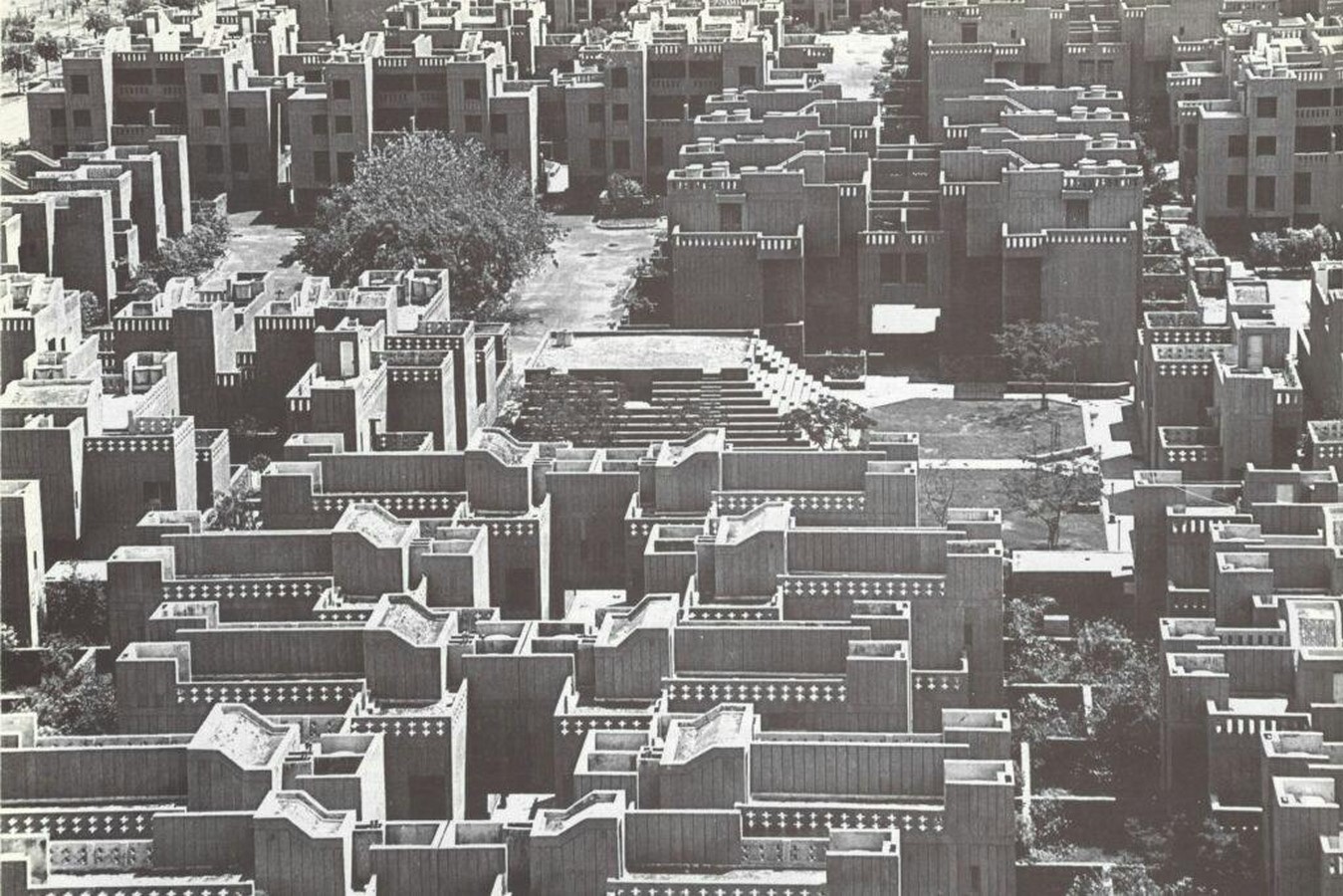
Modern Indian architecture is a synthesis of international trends and regional influences that result in a style that is neither international nor local but responsive to both the global and indigenous context. For instance, in highly urbanized cities, there is a growing demand for green architecture as an architectural response to increasingly pressing concerns of environmental sustainability. Communities now expect that their designs will be able to reflect the increased demand and awareness on how to minimize the effects of pollution in cities by features such as energy-saving building materials, the installation of solar panels, and rainwater harvesting systems installed in homes and office buildings.
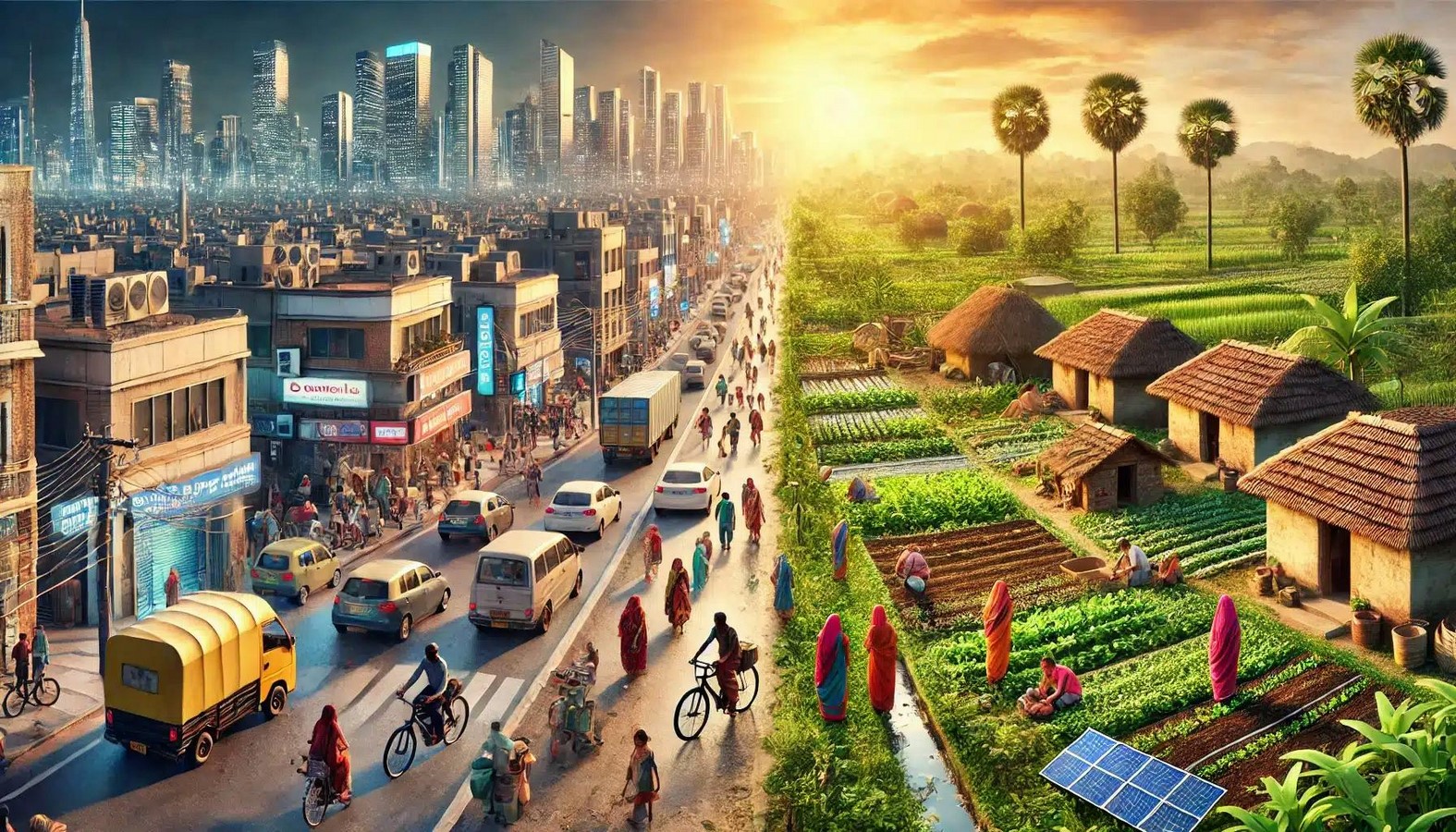
Moreover, rural-to-urban migration increases population in the metropolis leading to the establishment of informal settlements or slums, which leads the architects to try innovative methods and solutions for housing solutions that will cater to needs regarding functionality as well as appropriateness according to the local cultures. Thus, affordable housing programs and redevelopment processes are critical features of current practice in modern architectural design with growing urban populace across India.
Architecture as an expression of Indian identity
Indian architecture is not just the building of structures but reflects the collective identity of the communities building and dwelling within them. Whether it is the magnificent forts and palaces of Rajasthan, temples and mosques of Tamil Nadu and Uttar Pradesh, or the colonial bungalows of urban regions, Indian architecture stands as a symbol of the country’s rich cultural heritage, its religious diversity, and its constantly changing social structure.
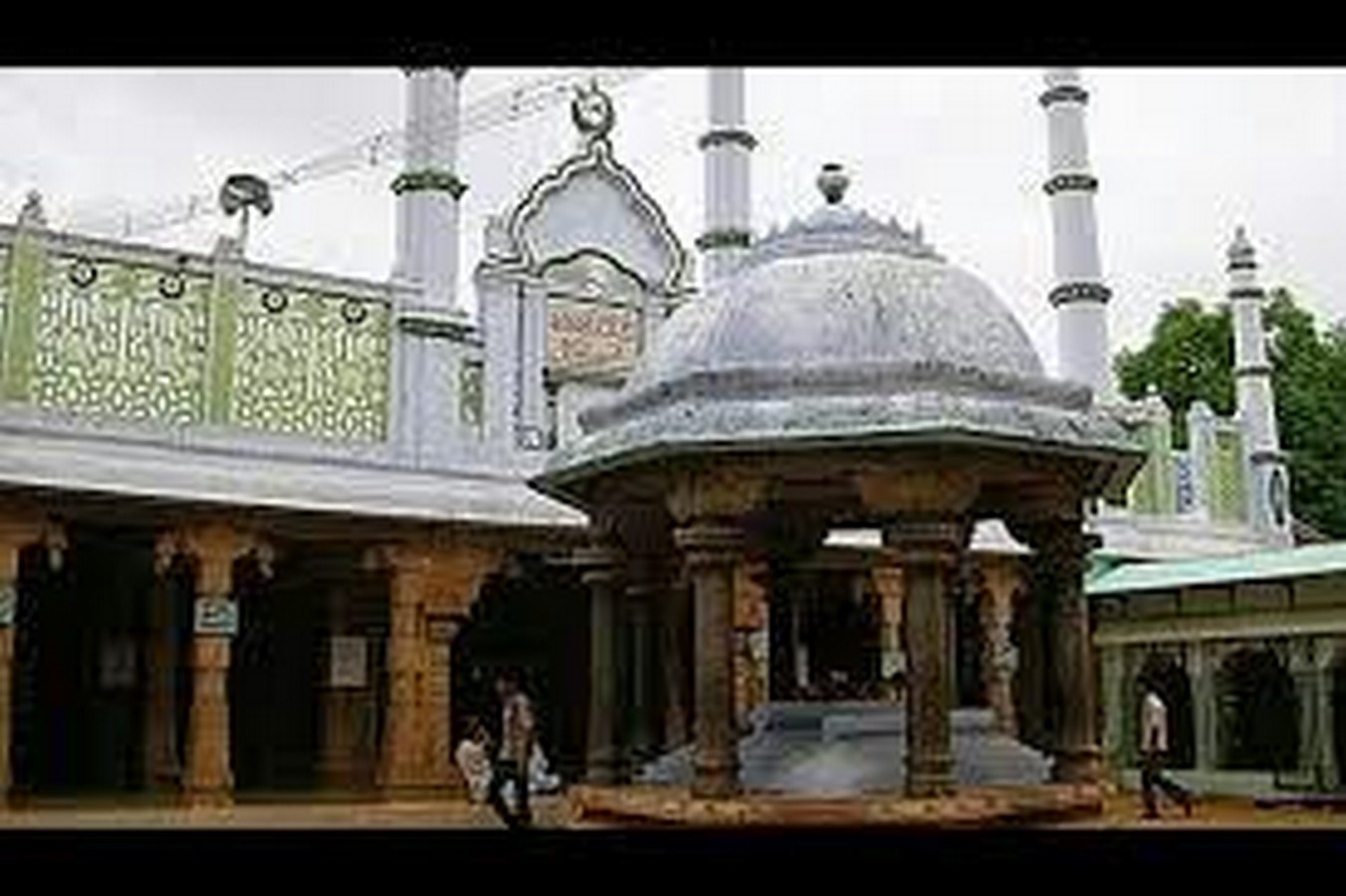
In recent times, there is renewed interest in traditional Indian architectural forms. Communities throughout the country have started valuing indigenous craftsmanship and local materials more than traditional construction methods. It can well be noted that reviving interest in vernacular architecture speaks of mud in rural homes with thatch; or it also includes restoration projects on old, historic temples, and monuments-thus highlighting increasing consciousness towards retaining India’s legacy of architectural monuments with adaptations into contemporary needs.
India has always found it very easy to interlink its community to its very own architectural marvels. Architecture in India, ranging from the grand temples of antiquity to the modern skyscrapers of today, is a reflection of diverse cultures, religions, and social dynamics of its people. Communities continue to shape the built environment responding to both the historical traditions of the past and the challenges of their time. The betterment of India would still depend upon the ability of architects to make a statement in the form of community identity.