Urban experience usually revolves around identifiable architectural monuments, infrastructure, the skyline, and the designed urban environment. Other elements of urban experience rarely attract much attention: alleys, laundry, modest apartments, corridors, improvised workplaces, rooftops, and local markets. In her 2010/2011 film ‘Dhobi Ghat,’ Kiran Rao presents a cinematic portrayal of Mumbai through four interwoven biographies. Rather than serving as mere background to human interaction, the city in the film actively shapes interpersonal relations, ambitions, and memories. In this essay, the movie will be analysed through the intersection of architecture, urbanism, and everyday life. Attention will be paid to the architecture of labour, domesticity, streets, thresholds, social interactions and the sensory experience of light, rain, sounds, materials and motion. Drawing on ideas from Henri Lefebvre, Michel de Certeau, Jane Jacobs, Jan Gehl, and Doreen Massey, the paper will interpret the film’s spatial narrative as an embodiment of the social production of urban space. As such, it will be argued that ‘Dhobi Ghat’ reveals architecture that is otherwise overlooked – the architecture created by occupation, habituation and human presence.
1. Introduction: Seeing the City Beyond Its Architecture
Cities are often presented through their most well-known visual representation: a skyline, a landmark, a port, a business area, or even an important public building. In doing so, the city’s identity is defined visually through its image and framed within broader cultural and economic narratives. Yet living in a city goes beyond these monumental settings. It is shaped by interactions with streets, neighbourhoods, workplaces, private domestic space, transport systems, and public spaces through everyday activities: travelling to work, getting clothes, shopping for groceries, waiting, watching, remembering, and going home.
Dhobi Ghat (2010/2011) by Kiran Rao gives a particularly poignant cinematic portrayal of this side of urban experience. Set in Mumbai, the film follows four characters as they cross paths through encounters, observations, and mediated relationships. Shai, who is a banker and photographer, finds the city fascinating through her camera. Arun, who is a painter, lives a life of relative seclusion from the rest of the world. Munna is a laundryman and an aspiring actor. Yasmin, whose appearance can only be found in videos, presents an intimate story about domesticity and displacement. This film does not offer a typical story of dramatic encounters. Instead, it shows the complexities of the city where people can live in geographical closeness but not in the same social or emotional space.
The film’s relevance to architecture is evident in how the characters’ lives unfold within specific spatial contexts. The camera cuts from apartments, workplaces, streets, marketplaces, the waterfront, and dense residential neighbourhoods. Such spaces are not mere backdrops. They shape how the characters move, relate to each other, and observe and understand their relationships.
Rao’s intention to emphasise Mumbai is clear through his location-based setting. Reports on the making of the movie indicate it was shot in real locations in Mumbai, such as Mohammed Ali Road, Mahalaxmi Dhobi Ghat, Marine Drive, and other well-known places in the city, rather than primarily on artificial sets (The Times of India, 2010). The director has also commented that Mumbai is a crucial element of the film, suggesting it serves as a character in its own right (India Today, 2010).
This perspective begs another crucial architectural question: what comprises the architecture of a city? Is it just about the designed and built physical world, or is there more to it? Another aspect is the practice of space through which residents constantly construct, inhabit, and transform their surroundings.
Henri Lefebvre’s interpretation of space helps. In The Production of Space, Lefebvre (1991) argues that space should be understood as socially generated. Space can be described through spatial practices, representations of space, and experiences of space. Thus, from this viewpoint, the street is not just a physical route, and the room is not merely a physical enclosure. They have their own meaning because people inhabit and use them in everyday life.
This essay interprets the film Dhobi Ghat from this viewpoint. Unlike the common approach of analysing films as an inventory of architectural details in particular cities, this essay focuses on how ordinary architecture embodies labour, memory, identity, and social relations.
2. The City as a Narrative Presence: Four Lives, Multiple Urban Realities
Dhobi Ghat has a fragmented narrative structure. There is no one common experience of the city depicted by the four main characters of the film. They live in different parts of the city and thus show how Mumbai is experienced in complex, inconsistent ways.
For Shai, Mumbai is something to observe. Her photography lets her see it from various angles and capture the city’s visual complexity. By wandering through different neighbourhoods of Mumbai, she lets the viewer get acquainted with places that do not fit any character’s usual routine. Nevertheless, photography creates distance between the observer and the observed. It allows us to record a person or a place, but it cannot necessarily convey the complexity of the life presented.
Mumbai plays a different role for Arun, who experiences it personally. His apartment and studio are integral parts of the hero’s personal world.
Munna has a different connection to urban space. As a laundryman, he is required to traverse several neighbourhoods as well as the domestic spaces of various social classes. He moves into spaces that are not his own to offer his services, connecting households to a larger network of work in the informal urban economic system.
Yasmin’s video diary adds another layer of spatial reality. Through her videos, we glimpse her domestic life and memories, giving us a mediated account of the city as a private place. The story also shows that domestic space is not always comfortable or familiar. It can also involve emotional conflict.
The different spatial realities presented in the film thus highlight its basic spatial condition. Mumbai is not a single city shared by everyone in the same way. It is a combination of different urban spaces.
Machado & Jana (2023) look at Dhobi Ghat from a similar perspective. They consider the movie a cinematic depiction of the megacity as an active, multi-layered entity. This approach matters because it treats cinematic space as a way to understand the contradictions of city space and society, rather than merely a narrative backdrop.
The importance of this perspective can be explained by Massey’s (2005) view of space as a relational concept that is constantly being created through processes of interaction. The place is not an isolated entity with stable meaning. It is created through the connections, movements and histories that link it to other places and people. So, in the case of Dhobi Ghat, although the laundry, the apartment, the street, and the artist’s studio are physically separate, interactions, transportation, and image exchange make them part of one urban space.
Hence, the movie depicts Dhobi Ghat as a city of simultaneity. Different lives unfold in the same time period, yet without awareness of each other. Proximity doesn’t mean social closeness.
3. Mumbai Beyond the Monumental: The Architecture of the Ordinary
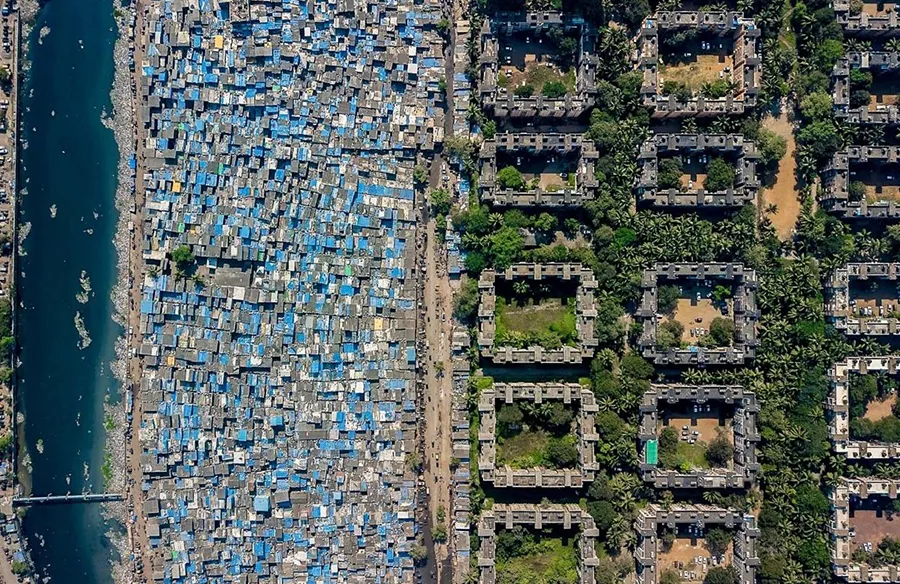
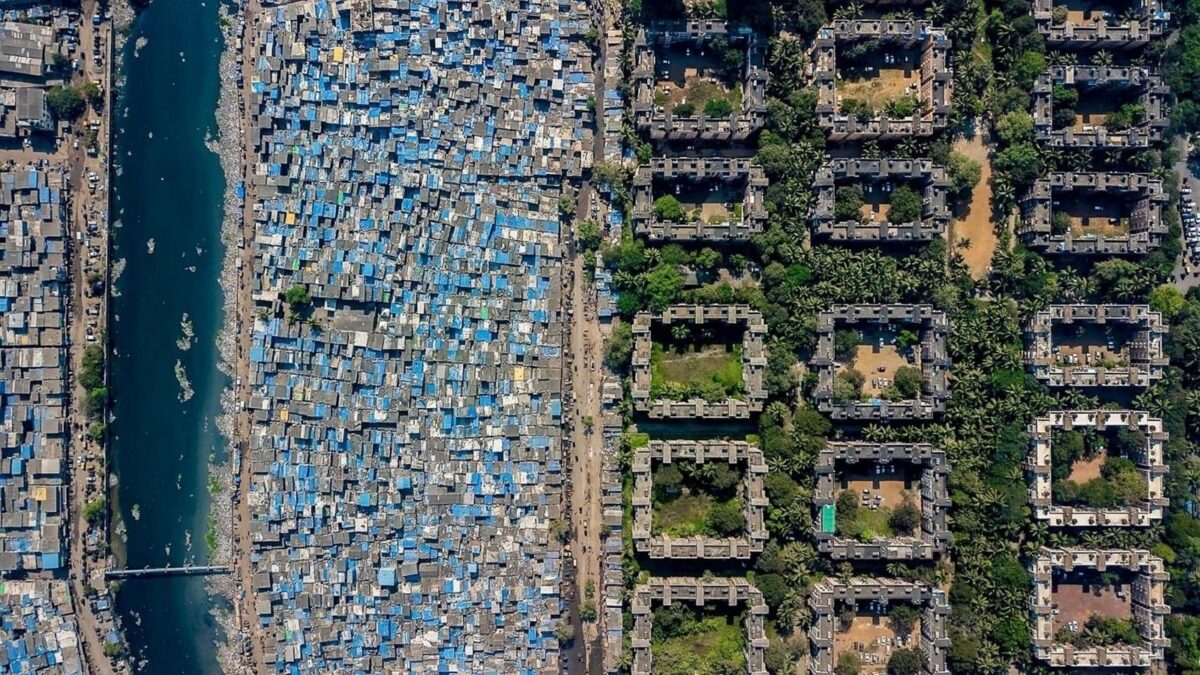
Mumbai’s architectural identity is often associated with colonial-era structures, skyscrapers, business areas, waterfronts, and the city’s transport networks. These are key aspects for analysing the city’s growth, but they cannot fully explain how the city functions as an urban setting.
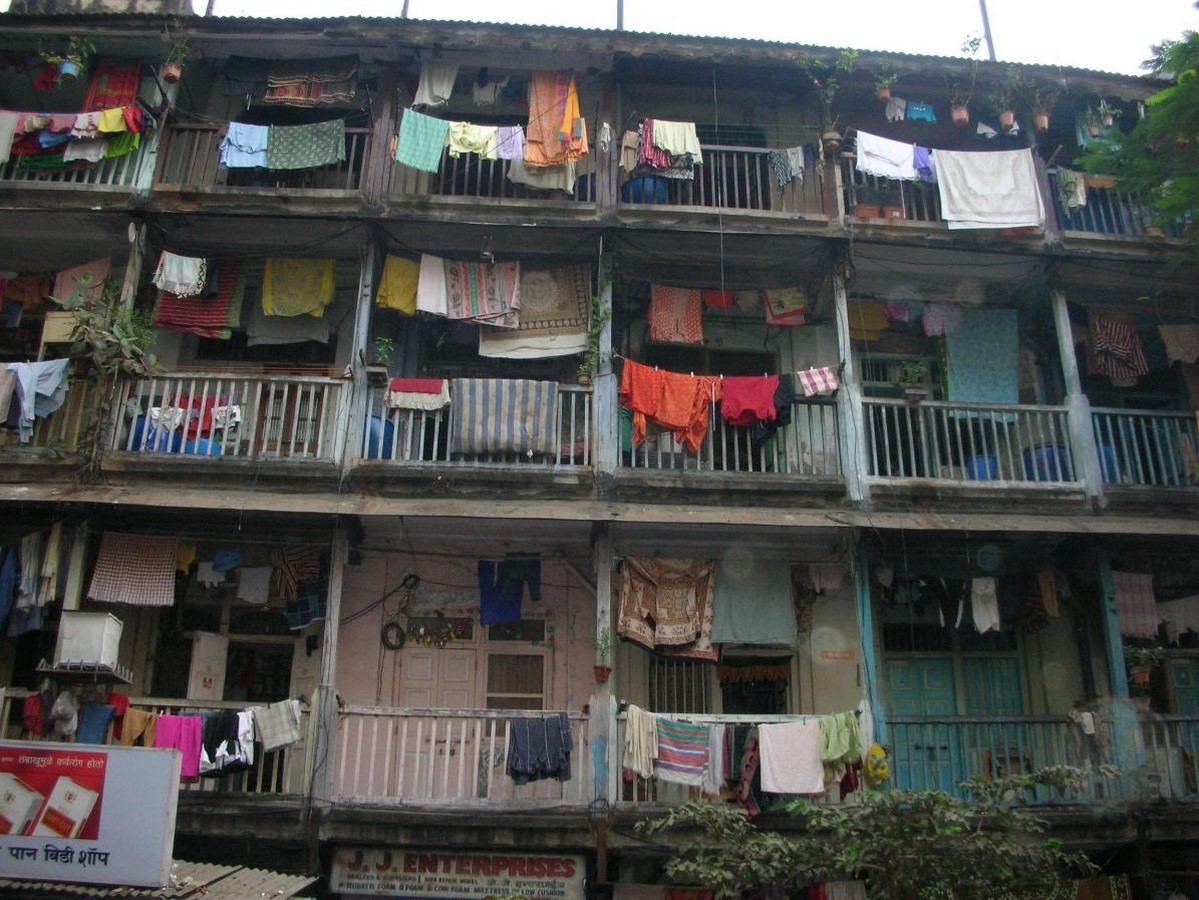
In contrast, Dhobi Ghat directs attention to the forgotten aspects of urban life. The spatial world here is constituted of workplaces, streets, inside residences, marketplaces, old buildings and in-between spaces. These locations matter not because they are architecturally unique, but because they are integral parts of urban life.
In this way, the movie’s use of these locations enables the city to preserve its physical and social complexity. Streets are not seen as homogeneous environments designed for a single purpose. Rather, they are viewed as settings shaped by various activities, occupations, and levels of accessibility. Buildings are also perceived within their lived context, and not as pure architecture.
This approach rejects defining urban quality by factors such as visual organisation, grandeur of scale, or formalism. A small flat can have high emotional value, and a bustling street can support social and economic activities beyond transport. While laundry may seem trivial in architectural terms, it supports an enormous network of social and labour functions in urban space.
This concept is supported by Lefebvre’s (1991) theory of the urban environment. Space has several layers, including a physical layer. However, space also carries other layers of meaning shaped by social practices and experiences. Thus, any discussion of the importance of space from an architectural perspective needs to be incorporated into how it is used.
Thus, an ordinary city is not an unfinished plan of the planned city. This type of city is an urban environment of its own right. The organisation of this environment may be informal and constantly negotiated, but it still plays an important role in the city’s life.
Another way this argument connects to Jacobs’s (1961) thinking on street life and neighbourhoods is that she challenged traditional planning that viewed the city as functional zones and a design problem. Rather, she advocated a perspective that recognises the complexity and diversity of urban life. Although Jacobs worked in a different cultural context than the film’s setting, her interest in the interaction between urban form and everyday life offers a framework for interpreting the film.
One strength of Dhobi Ghat is that it does not treat every scene as visually spectacular. The city is revealed through small pieces and everyday moments, allowing the viewer to realise that urban identity does not have to lie in the city’s most visually striking buildings.
4. Architecture of Labour: The Laundry as Urban Infrastructure
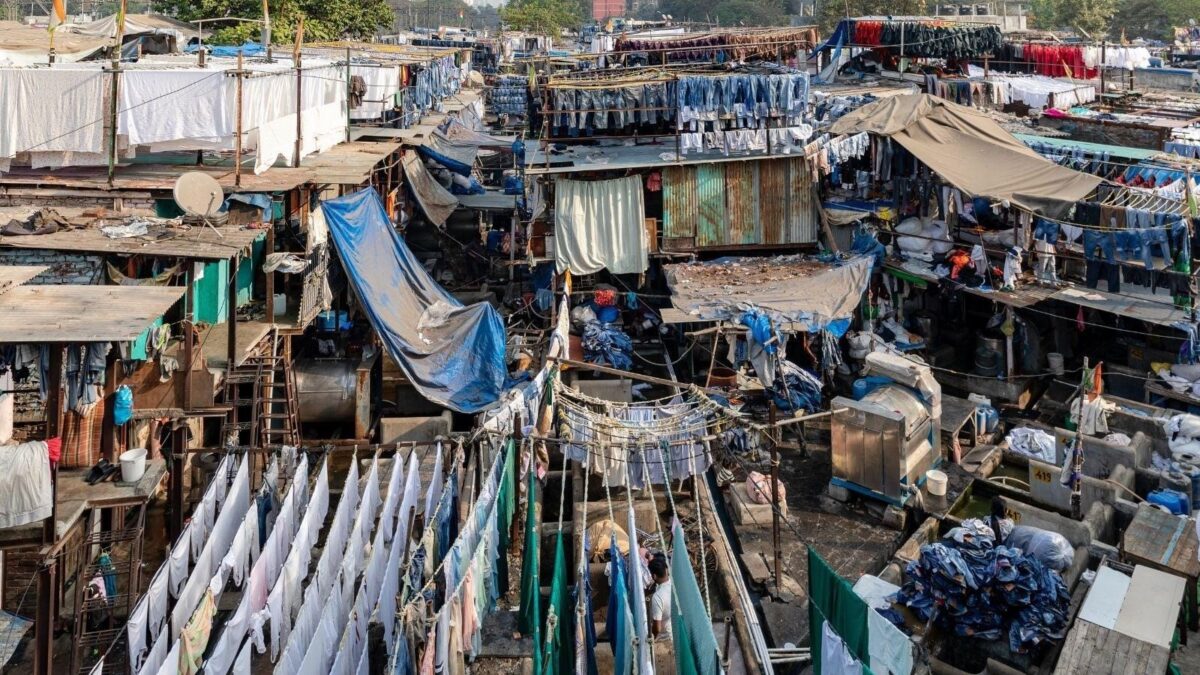
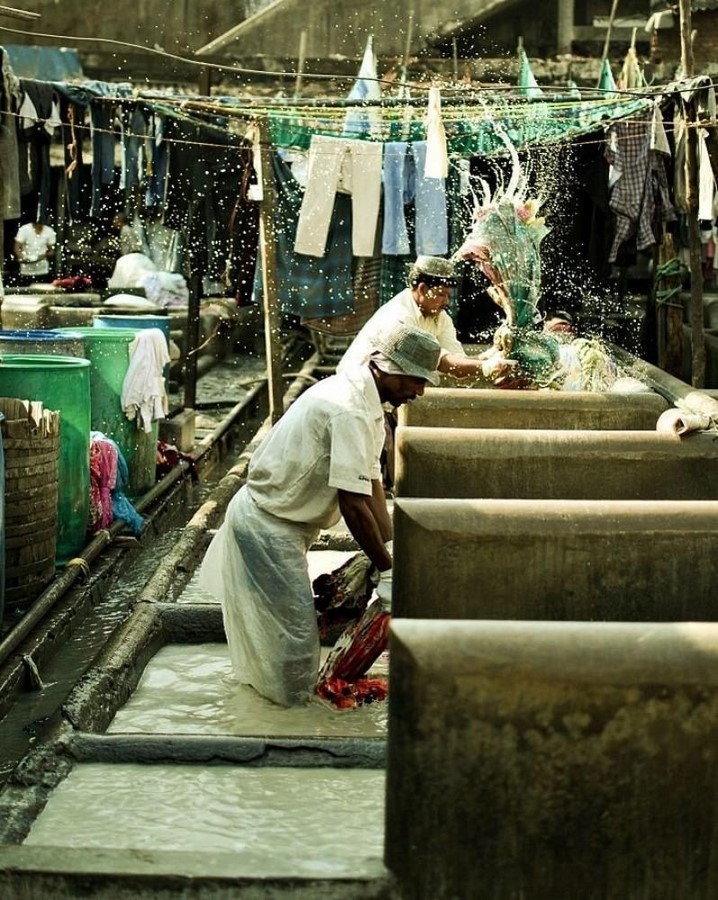
One of the film’s most prominent spatial elements is the dhobi ghat. The laundry space is not just a workspace. It is a complex system of labour, movement, transaction, and service that links homes across the city.
While it seems like a domestic and personal activity, the process involves a complex network of labour, transport, water, laundromat, drying area, and delivery mechanisms. In this sense, laundry becomes part of the city’s infrastructure.
This becomes clear through Munna’s character. His work takes him across various social spaces, where he collects and delivers clothes and navigates the spatial boundaries of homes belonging to people from diverse economic backgrounds.
When we talk about architecture, we inevitably think of buildings that serve definite functions such as dwelling, business, education, governance, or leisure. Nonetheless, the labour spaces at Dhobi Ghat can help extend the concept of architecture beyond buildings that serve the above-stated purposes.
Namely, urban infrastructure comprises the spaces and networks that provide regular services.
What makes the laundry noteworthy is that it combines physically active work performed collectively in a regular, repetitive manner. Washing, sorting, drying, folding, and transporting clothes create a series of spatial practices. These practices presuppose the organisation of surfaces, water, paths, and shared workplaces. Thus, the organisation of space and labour are intimately connected.
Within Lefebvre’s conceptual framework, the laundry can be considered a socially constructed space. It implies not only the physical environment shaped by workers’ repetitive actions, service needs, and the circulation of materials, but also the relations and knowledge embedded in its daily functioning.
Munna’s character also highlights the invisibility of service workers as social actors. Their labour is crucial to the city’s functioning, but the spaces where they work may be invisible in mainstream architecture. The worker becomes visible if they are needed but, at the same time, stays invisible within the stories that are told by the city.
To interpret invisible architecture, we must recognise that the city relies on many kinds of labour that are spatially organised but formally invisible. In the case of laundry, for example, it becomes clear that there is more to the issue than meets the eye.
It is important to distinguish between the representation of labour through images and the reality of workers’ lives. Watching a workplace through a camera does not mean seeing all its complexities.
Dhobi Ghat is not just a place; it’s a social and spatial network that connects the home and the city at large.
5. Domesticity and the Architecture of Belonging
While the laundry is a site of collective labour, the apartment is the architectural form of personal daily life. The domestic interiors in Dhobi Ghat are related to the emotional states, past, and the relationship of the characters with the city.
Arun’s apartment is especially interesting. It is both a living space and a place where art is practised. The interior supports personal routines, loneliness, and painting practice. It maintains a certain selectivity in relation to the city. It provides isolation from Mumbai’s bustling atmosphere while remaining within it.
It is significant because the domestic space is not just a closed private one. It connects to the city through windows, visual perceptions, sounds, movement, and personal contact.
The domestic interior may also be seen as a spatial representation of one’s identity. Objects, furnishings, art pieces, materials, and designs create a room’s ambience. These can express personal history and preferences more effectively than explanation.
Rapoport’s (1969) House Form and Culture remains relevant because he explains that cultural values, social behaviour, and ways of life shape the domestic environment, not just physical needs. In other words, house design is not just a technical matter. It reflects how individuals view privacy, family, comfort, and identity.
Yasmin’s personal experiences, recorded in her video diaries, offer a different angle on the current discussion. Yasmin’s video diary presents a personal experience of the domestic environment that is moulded by her memories and emotions. The distinction between the visible and the remembered is important. A room may appear ordinary to an external observer but hold a complex emotional significance for the person who inhabits it. Architecture is therefore experienced not only through dimensions, materials and spatial arrangements, but also through memory and association.
The difference between the scene and the remembered matters. A room may be mundane to a passer-by but have a complicated emotional connection for the person who lives in it. Thus, architecture must be experienced not only through physical measurements, materials, and organisation of space but also through memory and association.
This aligns with Bachelard (1994), who examines the connections between domestic space, imagination, and memory. Viewing the house as a personalised place makes it possible to interpret the emotional aspects of the interior spaces depicted in the movie.
Dhobi Ghat also presents a variety of access, comfort, and control in its domestic spaces. Not everyone can inhabit a room privately, own a separate home, or customise the interior design to their liking. Hence, domestic architecture connects to economic status and social opportunity.
The movie does not need to explain this point. These aspects become evident through comparisons of spaces and the ways people inhabit them.
An analysis of the film suggests that having a place does not mean simply possessing a building. Instead, it means developing familiarity with it, being attached to it, and having an opportunity to make it one’s own.
6. Streets, Thresholds and the Social Life of Space
One key location that makes the city visible in Dhobi Ghat is the street. It can be seen not only as the site of transit and activity but also as a place of observation and encounter. Unlike the controlled setting of the domestic interior, the street is open to different activities and changes.
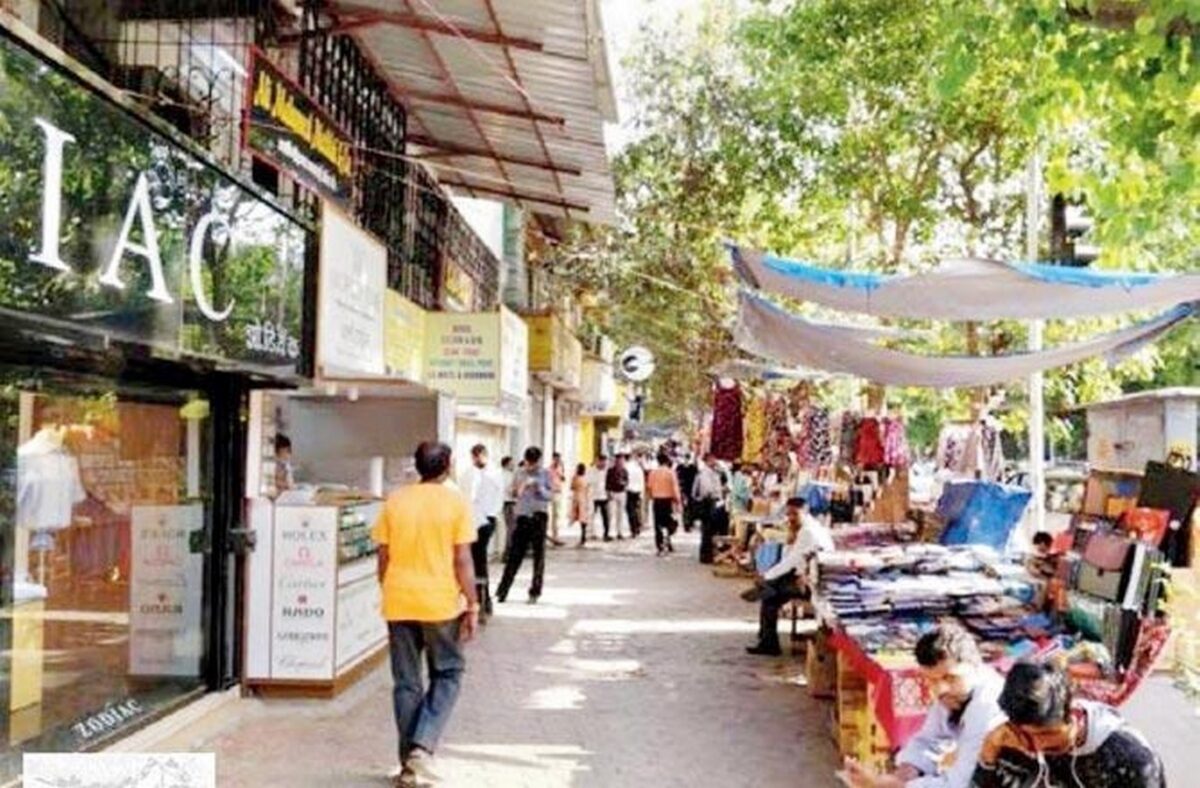
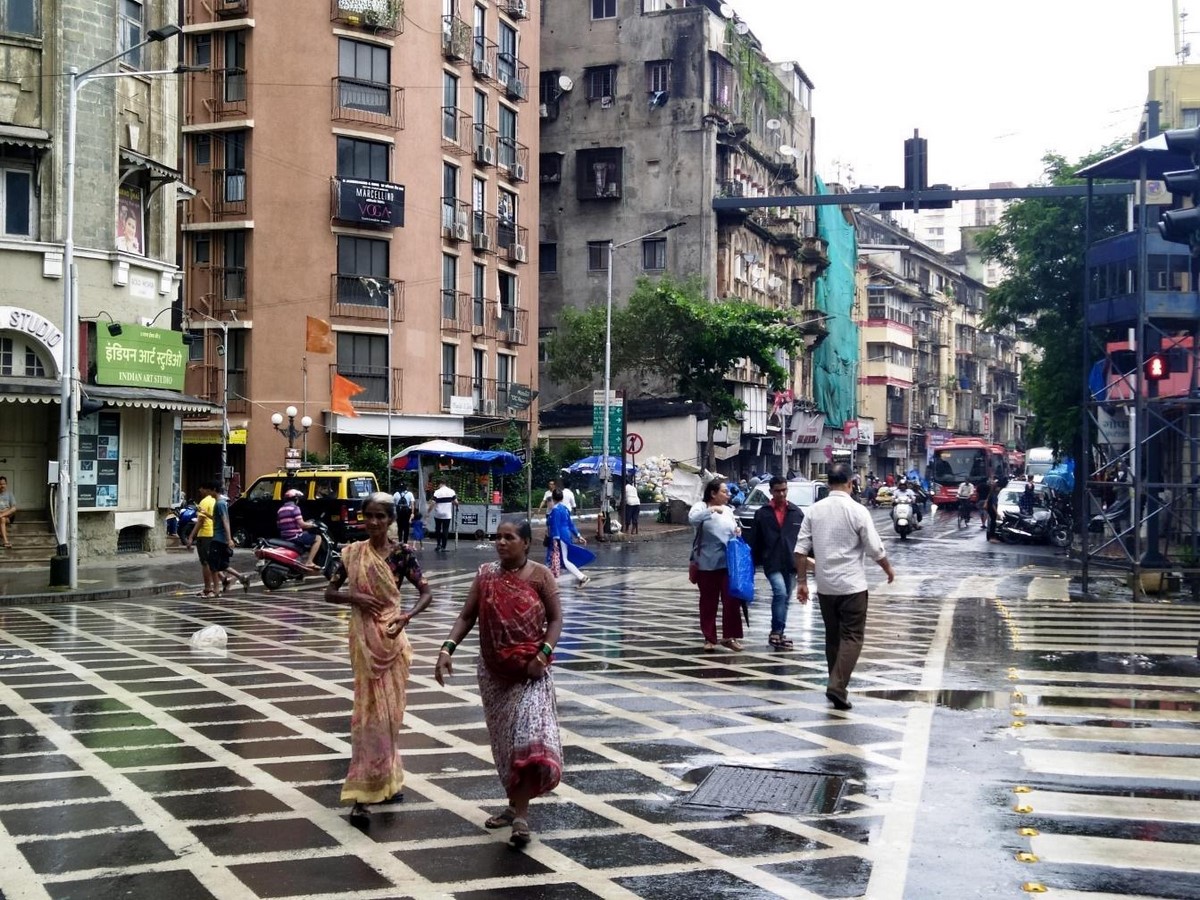
The urban locations in the film reveal that streets cannot be viewed merely as channels of transit. Rather, they are social spaces where people negotiate their presence, meet others, and carry out daily activities. The essence of streets comes from the interaction among buildings, entrances, shops, workplaces, pedestrians, and the activities that take place along them.
Jacobs (1961) stressed the role of lively streets and the connection between buildings and public life. She argued that a variety of activities and the constant presence of people make an urban neighbourhood feel alive and safe. Even though Mumbai’s reality is quite different from the American cities Jacobs was writing about, it can provide a good starting point to look at the social side of the streets in the film.
Gehl (2011), in a similar vein, emphasises life between buildings. The author contends that the quality of the public space environment must be considered in terms of the possibilities of walking, standing, sitting, looking, and interacting that it offers. In other words, the space between buildings is central to urban design rather than being residual.
From this perspective, the streets in Dhobi Ghat can be understood differently. The value of the streets is not just confined to their geometry or size. It is the activities they facilitate and the relations they make possible.
One key element of urban space is the threshold. Thresholds emerge where different spatial situations come together. They are inside-outside, public-private, domestic-commercial, formal-informal interfaces. These thresholds may include a doorway, balcony, window, entrance, passage, shopfront, or transition zone.
These areas can be physically small but socially important. They provide degrees of visibility, interaction, and separation. For instance, a door may link a private house to the street, while a storefront may turn the building’s facade into a zone of exchange. Windows may offer opportunities for observation without physical involvement.
The analysis of such areas can be facilitated by de Certeau’s (1984) view of everyday spatial practices. According to him, people create and transform urban space through movement and actions. Thus, walking and moving around the city is not only an adaptation to the already built urban space; it is also how people give it meaning.
This idea is seen in Munna’s movement through different neighbourhoods. It connects different social environments through daily movement and service. Shai’s movement is more about observing and taking photographs. In this way, the same street can be perceived differently by different people.
The movie also highlights the unequal nature of urban accessibility. Not all characters experience freedom, security, and control in urban areas the same way. Some people enter urban areas for work, some for home, and others to observe.
Urban streets are not neutral public spaces but spaces of social relations and unequal access.
7. Sensory Landscapes: Light, Rain, Sound and Materiality
Architectural analysis can be based on visual qualities, including form, scale, proportion, colour, and composition. However, the experience of place depends not only on sight but also on sound, smell, touch, temperature, humidity, movement, and memory.
The film Dhobi Ghat offers an opportunity to analyse Mumbai as a place through its sensory landscape. The city’s urban atmosphere is created through a combination of rain, water, crowded streets, workplaces, interiors, and changing conditions. Together, these factors help the viewer understand place regardless of its architectural description.
In particular, the monsoon season is central to the film’s visual identity. Rain changes the appearance of streets, surfaces and buildings. It affects lighting, movement, and visibility; creates reflections; and changes how humans interact with their environment. The city is not just a static physical setting but an experience of changing atmospheric conditions.
The lighting helps create the film’s spatial atmosphere. The contrast between interior and exterior environments, and between natural light and changing street conditions, helps create different emotional tones in these places. The domestic interior may feel closed-in and introspective, while the outside environment is an unpredictable urban landscape.
Materiality is just as vital as well. The material surfaces of buildings, streets, and workspaces speak to the impact of use, ageing, and occupancy. Deteriorated surfaces and everyday materials can tell a story about time and daily activity. This matters because such a presentation does not contribute to portraying the city as a visual spectacle.
Atmosphere may also extend to the sense of hearing. Sounds in an urban environment include traffic, speech, work, motion, machinery, music and sounds from home life. This creates an atmosphere that becomes part of a place’s identity.
Sound and music from the film, including the soundtrack by Gustavo Santaolalla, become part of the film’s atmosphere. Sound does not merely complement the visuals. It helps create rhythm, emotional distance, and continuity across different environments.
This sensory reading of the film connects with Pallasmaa’s (2012) view that all human senses, not vision alone, are essential to understanding architecture.
This view is especially relevant to the depiction of the average urban setting in Dhobi Ghat. Laundry can be defined not only visually but also through water, motion, physical labour, humidity, and the sounds of work. The street is experienced through atmosphere, smell, textures, and changing conditions. Interior space can be memorised through light, familiar items, and sounds from the street.
Thus, the film promotes a broad experience of the architectural setting. The city is not only seen but also felt and inhabited.
8. Cinematography and the Architectural Language of the Film
As far as architecture and its cinematic language are concerned, the idea of Dhobi Ghat cannot be separated from the cinematographic techniques being used. The point is that the camera defines how the city is perceived, which spaces are shown, and how relationships between people and the urban landscape are depicted.
Thus, cinematography goes beyond filming particular locations. It becomes a means of constructing spatial knowledge.
Tushar Kanti Ray’s technique is one element that makes the film observational. Filming on location helps preserve the complexity of the urban environment and its materiality. The camera sees the city through the existing condition of the urban fabric rather than through the artificially created cinematic environment. From the production details, Tushar Kanti Ray is the director of photography, while Manisha Khandelwal is the production designer (Aamir Khan Productions, n.d.).
This is also crucial in architecture. Each image includes some elements, while others are excluded. For example, a photo can show the street’s physical appearance but exclude the economic relations that sustain it. A view of a building can show its shape, but it will not show us the experience of its residents.
This feature is highly important for the movie, as its characters see Mumbai from different social positions. Therefore, each perception will be partial and will not describe the whole city.
This situation connects to Massey’s (2005) concept of space as multiple and relational. The city cannot be viewed from a single complete point of view, because no such point exists.
The movie’s fragmented structure emphasises this approach to the city. It does not present Mumbai as a single visual composition; instead, it shows different spatial and emotional situations.
Moreover, the use of real urban settings adds to the film’s documentary nature. But it is essential to understand that the camera does not capture reality as is. The choice of settings, the framing of images, the editing process, lighting, and sound – all contribute to the final product.
Thus, Dhobi Ghat must not be considered a comprehensive documentation of the urban reality in Mumbai. The film offers its own cinematic interpretation of the city. The film’s architectural significance lies in its questions about urban reality.
9. Memory, Images and the Architecture of Absence
One of the most interesting aspects of the space explored in the film is its connection to memory and recorded images. Yasmin’s video diaries and Shai’s photographs are used in different ways to remember and interpret the experience of being in the city.
Photographic and video images tend to record what exists in front of the camera. At the same time, images also become containers for memory by preserving certain moments, spaces, and relations, making the experience possible after the event is gone.
In Dhobi Ghat, recorded images become the tool through which one can get into another person’s life. One can see another life and get involved in it, getting close to another person in terms of space and emotions. A person can access another world through an image without being there.
This brings in place attachment. According to Relph (1976), place is intimately tied to human experience, identity, and a sense of belonging. What makes a place meaningful is the human connection to it and not its physical qualities.
In Yasmin’s case, the spaces she describes have meaning because of the memories that they contain, which are linked to her personal experience. The same applies to Shai; the spaces she comes across gain meaning because of the images and experiences they evoke for her.
The film also addresses representation. While an image can capture an experience in a snapshot of time, it fails to capture the full living essence of that experience. The camera captures the visual environment without capturing its social intricacies.
This becomes especially significant when considering the representation of working-class space. It can become aesthetically pleasing without much regard for the economic and social situations of those who inhabit it.
A critical analysis of architecture must differentiate between looking at a place and understanding it. The former might create a picture; the latter involves people, practices, and history.
Thus, the movie’s approach to memory enriches the concept of architecture. While buildings and roads are tangible objects, they are also sites where memories are created, preserved and even lost.
10. A Critical Reading: Whose City Becomes Visible?
Despite Dhobi Ghat’s useful portrayal of Mumbai’s everyday environment, we must consider the limitations of its perspective. The film offers a close cinematic interpretation of the city, but it does not claim to portray all sides of Mumbai’s urban life.
The story is told through the stories of four chosen characters who have different social positions. This gives us a chance to see how complicated life in an urban environment can be. Still, their stories cannot be considered a universal description of all the city’s social groups.
Moreover, the movie’s portrayal of working-class environments touches on the connection between observation and engagement. Shai’s photographic interests help reveal some sides of the city, but taking pictures of a place does not mean understanding its social conditions.
This paradox holds significance in the study of architecture and urban spaces. Documenting informal settlements, work sites, and even neighbourhood streets might help acknowledge their existence; however, it can also reduce a complex environment to its physical representation. This is where the researcher or observer has to keep the difference between representation and reality in mind.
Research conducted by Anjaria (2011), who studies the process of negotiating for urban space in Mumbai, is relevant to the current discussion. It shows that using and occupying urban space involves day-to-day negotiations among citizens, workers, and different authorities. Everyday urban environments are shaped not only by formal planning, but also by informal use.
One can interpret Munna’s representation in terms of the topic discussed. His presence in urban space highlights the role of service labour and spatial ties that make it possible. On the other hand, his ambitions and relations show that one cannot describe workers only in terms of their functions. Workers are real people with individual aspirations and emotions.
Another equally important problem concerns the aestheticisation of poverty in the city. The visual depiction of overcrowded neighbourhoods, old buildings, and working environments might produce a beautiful image of urbanity. Nevertheless, the beauty of the picture says nothing about social justice and quality of life.
What makes the film’s architecture valuable is not the aestheticisation of informality and deprivation, but the encouragement to see the social mechanisms hidden behind everyday spaces and to ask why some kinds of labour and occupations are peripheral to mainstream urban discourse.
Another important point is that the city cannot be seen through only one architectural language. Mumbai is both a city of aspirations and limitations, visibility and invisibility, movement and exclusion.
11. Lessons for Architecture and Urban Design: Recognising the Everyday City
Dhobi Ghat’s architectural value is not confined to film criticism. It offers lessons relevant to how architects, urbanists, and urban planners understand and interact with cities.
First, the film highlights the need to investigate everyday spaces. Urban analysis tends to concentrate on main streets, landmark buildings, and public infrastructure. These are essential; however, they do not fully define urban life. Neighbourhood streets, workplaces, entrances to dwellings, and common spaces should be acknowledged as important elements of urbanism.
Second, it shows that architecture is inseparable from social practices. One cannot define what a laundry, a street, or an apartment is by measurements alone. The meaning of each of these places emerges from the activities and relationships that happen there. Design interventions that do not account for these practices will disrupt the system itself.
Third, it emphasises the connection between labour and urban infrastructure. The city’s operation depends on many different services, many of which operate in places where architecture pays them little attention. Urban design must therefore consider workers’ spatial requirements, including access, water, sanitation, circulation, storage, and safe working conditions.
Fourthly, it stresses the need to focus on transitional spaces. The boundaries between public and private spaces are not always clear-cut. Entryways, balconies, storefronts, corridors and edges allow interaction and observation. These areas often facilitate modes of social engagement which cannot be created through formal public space planning alone.
Fifthly, the film inspires sensory methods of analysing urban environments. Sight, sound, smell, touch, weather and movement all form part of an environment’s character. However, these aspects are often ignored when urban environments are evaluated through visual and quantifiable measures. A more holistic method would account for how a place is perceived through our senses and how those perceptions shape our memories and connections.
Lastly, the film illustrates how urban identity is produced through continuity. What defines a neighbourhood does not come down to architecture and age alone. A neighbourhood is also shaped by the practices, relationships, and occupations that occur in it. Renewal of urban areas should therefore consider how physical regeneration can enhance continuity within the area.
This is not to say that all informal and commonplace spaces should stay the same. Instead, transformation must be based on an appreciation of the people and processes that imbue spaces with meaning.
Designers must recognise the importance of spaces that may not fit into established architectural categories. This involves moving away from seeing cities as composed of physical objects and toward seeing them as systems of relationships.
12. The Architecture That Lives Between Buildings
It does not mean that all informal and ordinary spaces must remain the same. It means that any transformation must be rooted in an understanding of the processes and people who give spaces their meanings.
Designers must recognise the significance of spaces that do not fit into architectural categories. It requires designers to abandon the notion of the city as a collection of objects in favour of the notion of the city as a system of relationships. However, its representation must also be read critically. The visual recording of a neighbourhood does not necessarily reveal the conditions of those who inhabit it. Recognising ordinary spaces must therefore be accompanied by an understanding of labour, inequality, access, and the right to participate in the production of urban life.
Ultimately, Dhobi Ghat challenges the conventional idea that architecture is defined primarily by buildings and designed objects. It suggests that the city is continuously produced through relationships among people, places, and practices. Its most meaningful architecture may not always be formally designed or visually celebrated, but the architecture that supports everyday existence.
What is possibly the most significant lesson that can be learned from this movie is that cities are not just places where life takes place. Cities are always made anew by the life that goes on within them. Mumbai‘s invisible architecture lives in the daily activities of its people, in their memories, in the city’s streets, and in the meetings that bring separate worlds together.
References:
Aamir Khan Productions. (n.d.). Dhobi Ghat. https://akpfilms.com/films/dhobi-ghat/
Anjaria, J. S. (2011). Ordinary states: Everyday corruption and the politics of space in Mumbai. American Ethnologist, 38(1), 58–72. https://doi.org/10.1111/j.1548-1425.2010.01292.x
Bachelard, G. (1994). The poetics of space (M. Jolas, Trans.). Beacon Press. (Original work published 1958)
Baliga, A. (2021, November 23). Mumbai. In Oxford bibliographies in urban studies. Oxford University Press. https://doi.org/10.1093/obo/9780190922481-0050
de Certeau, M. (1984). The practice of everyday life (S. Rendall, Trans.). University of California Press.
Gehl, J. (2011). Life between buildings: Using public space (6th ed.). Island Press.
India Today. (2010, November 17). ‘Dhobi Ghat’ is about Mumbai and its people: Kiran Rao. https://www.indiatoday.in/movies/bollywood/story/dhobi-ghat-is-about-mumbai-and-its-people-kiran-rao-85605-2010-11-14
Jacobs, J. (1961). The Death and Life of Great American Cities. Random House.
Lefebvre, H. (1991). The production of space (Trans. D. Nicholson-Smith). Blackwell. (Original publication, 1974)
Machado, G., & Jana, U. (2023). The city in film: Reading Dhobi Ghat and Island City as cinematic representations of Mumbai. Journal of Urban Cultural Studies, 10(2), 269–283. https://doi.org/10.1386/jucs_00074_1
Massey, D. (2005). For space. SAGE Publications.
Mehta, V. (2019). Streets and social life in cities: A taxonomy of sociability. Urban Design International, 24, 16–37. https://doi.org/10.1057/s41289-018-0069-9
Pallasmaa, J. (2012). The eyes of the skin: Architecture and the senses (3rd ed.). John Wiley & Sons.
Rapoport, A. (1969). House form and culture. Prentice-Hall.
Relph, E. (1976). Place and placelessness. Pion.
The Times of India. (2010, November 30). No sets for Dhobi Ghat: Kiran Rao. https://timesofindia.indiatimes.com/entertainment/hindi/bollywood/news/no-sets-for-dhobi-ghat-kiran-rao/articleshow/7016240.cms
Rao, K. (Director). (2011). Dhobi Ghat [Film]. Aamir Khan Productions.
Nicholas (Nichalp), 2007. Reproduced from Wikimedia Commons under the Creative Commons Attribution-ShareAlike 2.5 India licence. https://commons.wikimedia.org/wiki/File:Dhobi-Ghat-Mumbai.JPG
Siddhartha Kandoi, 2012. Reproduced from Wikimedia Commons under the Creative Commons Attribution-ShareAlike 3.0 licence. https://commons.wikimedia.org/wiki/File:Dhobi_ghat_Mumbai.jpg
Anuradha Sengupta, 2009. Reproduced from Wikimedia Commons under the Creative Commons Attribution 2.0 licence. https://commons.wikimedia.org/wiki/File:Chawls_on_Gokhale_Road,_Mumbai.jpg
Radosław Botev, 2023. Reproduced from Wikimedia Commons under the Creative Commons Attribution 3.0 Poland licence. https://commons.wikimedia.org/wiki/File:Kalbadevi,_Mumbai_(3).jpg
Priyaflorenceshah, 2018. Reproduced from Wikimedia Commons under the Creative Commons Attribution-ShareAlike 4.0 International licence. https://commons.wikimedia.org/wiki/File:Slums_of_Mumbai_from_the_air.jpg