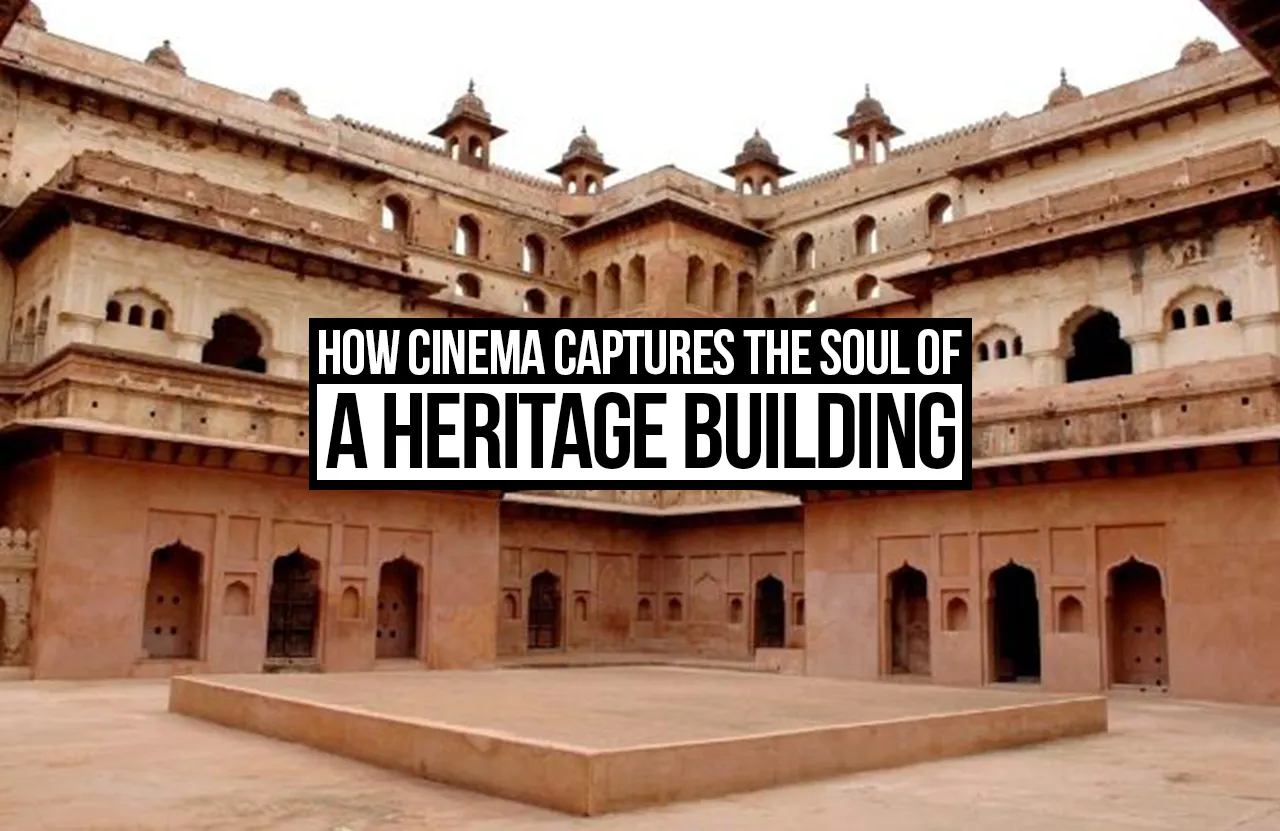
Heritage buildings are more than structures made of stone, brick and timber; they are repositories of memories, traditions and cultural identities. While architectural conservation protects their physical existence, cinema offers another way of preserving their stories. Through carefully composed frames, lighting, movement and sound, Cinema transforms historic spaces into meaningful storytelling environments. A weathered façade, an intricate staircase or a quiet courtyard can communicate emotions that words alone cannot express. By bringing these spaces to audiences across generations, cinema creates a connection between architecture, history and collective memory.
Architecture as a Silent Character in Cinema
Architecture often performs a role beyond providing a setting for a film. A heritage building can become a silent character, influencing the atmosphere, emotions and progression of a narrative. Its spatial arrangement, proportions, textures and architectural details contribute to the visual language of storytelling.
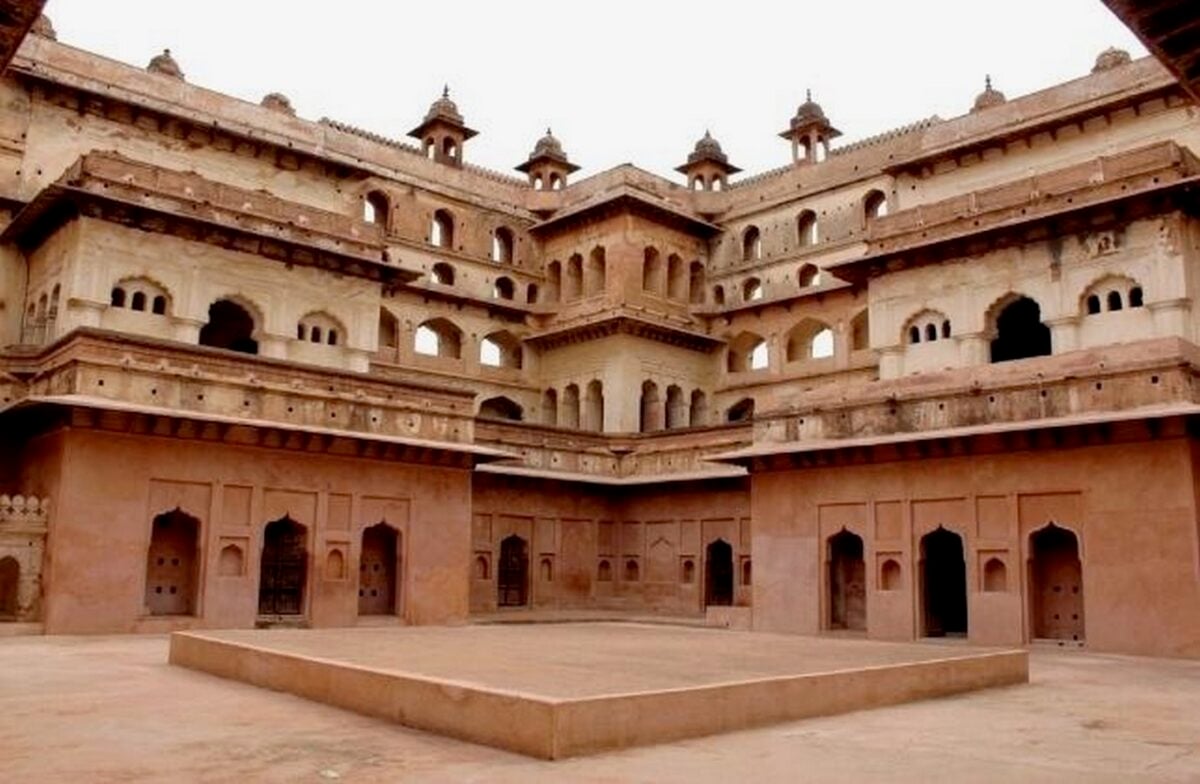
Unlike temporary film sets, historic buildings carry the marks of their past. Weathered walls, traditional columns, carved wooden doors, arched openings and courtyards reflect the craftsmanship and social practices of earlier periods. Cinema captures these elements through camera angles and carefully selected compositions, allowing architectural details to communicate without dialogue.
For instance, expansive palace courtyards can establish grandeur and authority, while narrow corridors and enclosed staircases can create suspense or intimacy. The architectural character of a building therefore becomes closely connected to the emotional identity of the story. Cinema gives these spaces a renewed purpose by allowing audiences to experience architecture through narratives rather than simply observing it as a physical structure.
The Language of Light, Shadow and Space
One of the most powerful ways cinema captures the character of a heritage building is through its treatment of light and shadow. Traditional architecture frequently incorporates elements such as courtyards, verandahs, jaalis, skylights and deep openings, which create changing patterns of natural illumination throughout the day.
Cinematographers use these architectural features to establish mood and visual depth. Sunlight filtering through a traditional lattice screen can create a sense of nostalgia, while dimly illuminated corridors can communicate mystery and uncertainty. Similarly, the contrast between illuminated courtyards and shaded interiors highlights the relationship between built form and the surrounding environment.
Camera movement also influences how a building is experienced. A slow tracking shot through a corridor reveals its length and spatial rhythm, while a wide-angle frame communicates the scale of a courtyard. Through these techniques, Cinema translates architectural qualities into an emotional visual experience, making the audience more aware of the relationship between space, light and human activity.
Heritage Buildings as Living Film Locations
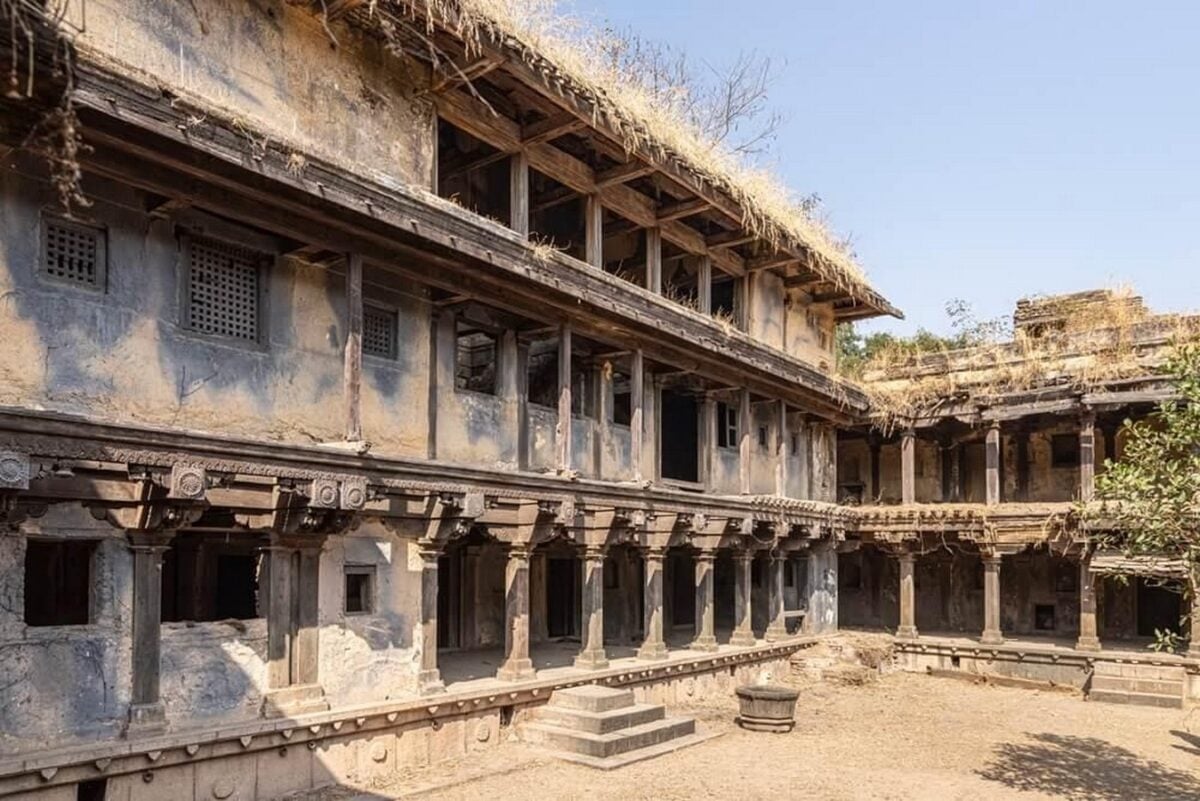
Historic buildings offer filmmakers an authenticity that newly constructed sets often struggle to reproduce. Their original materials, architectural proportions, spatial relationships and surrounding landscapes provide a distinctive visual identity. When these buildings become film locations, they are introduced to audiences who may otherwise have little knowledge of their historical or architectural importance.
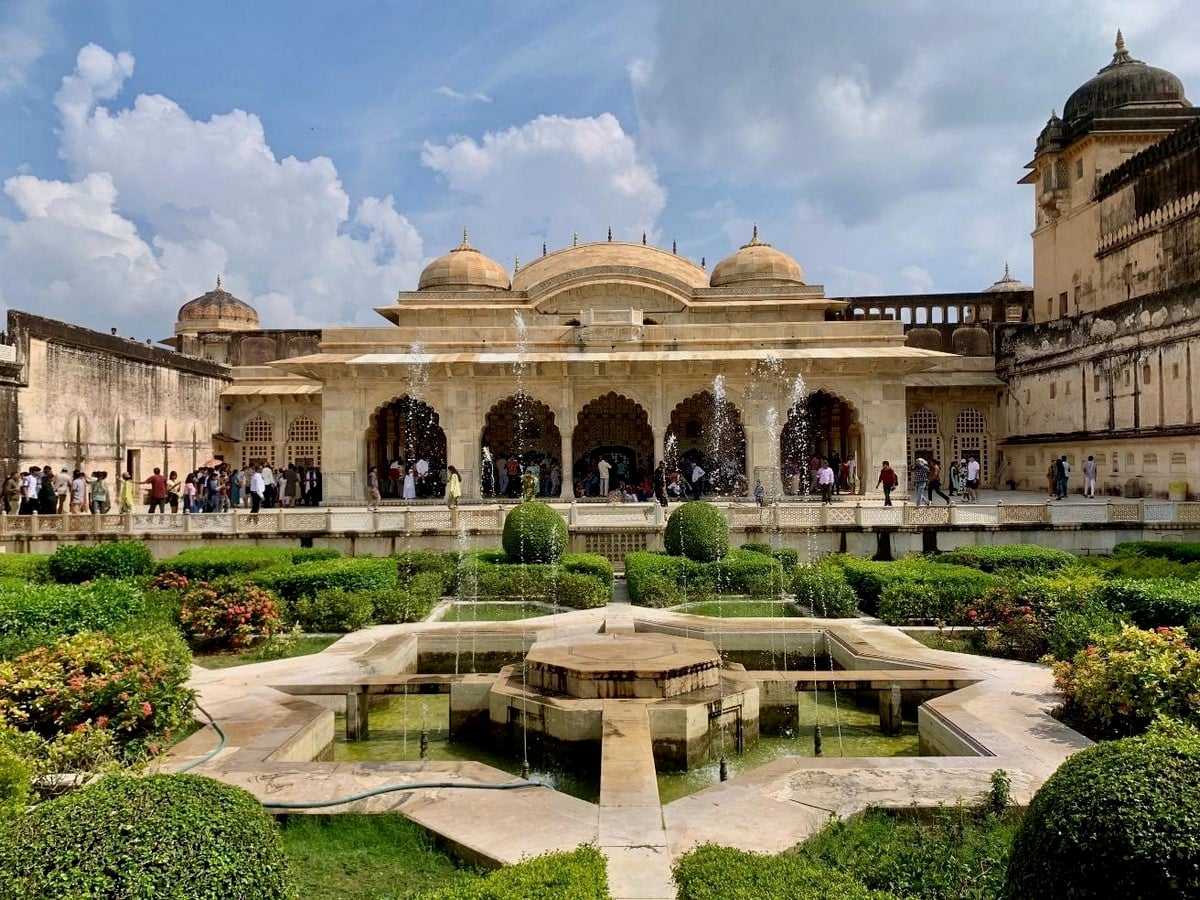
Indian cinema provides several examples of this relationship. In Tumbbad (2018), Purandare Wada in Pune contributes significantly to the film’s atmosphere. Its aged wooden elements, enclosed courtyards and weathered surfaces reinforce the narrative’s themes of family, greed and decay. Similarly, Amber Fort in Jaipur has appeared in historical productions such as Jodhaa Akbar and Bajirao Mastani, where its grand courtyards and ornate architectural details help establish the visual character of royal settings.
When a Building Becomes Part of Collective Memory
The relationship between cinema and heritage extends beyond the duration of a film. When audiences associate a particular building with a memorable scene or character, the building acquires an additional layer of cultural meaning. People begin recognising spaces through their cinematic appearances, sometimes developing an emotional connection with places they have never physically visited.
A significant example is the College of Agriculture in Pune, which gained increased attention as a filming location following its appearance in Munna Bhai M.B.B.S.. Research published in Built Heritage examines how its cinematic identity influenced the way students, staff, tourists and other stakeholders understood the building’s historical significance. This demonstrates how Cinema can contribute to the evolving identity of an existing heritage structure. However, this relationship also presents a challenge. The popularity of a film location can sometimes overshadow the original history, architectural significance and social value of the building. Its identity may become strongly associated with fictional characters rather than the communities and historical events that shaped it. Therefore, cinematic recognition needs to complement, rather than replace, historical interpretation.
The Influence of Cinematic Representation on Heritage Tourism
Cinema has considerable influence on how people discover and experience historic destinations. A location featured in a popular film can attract visitors who wish to experience the same surroundings seen on screen. This creates opportunities for heritage tourism, local businesses and cultural awareness.
For example, the forts and palaces of Rajasthan have gained visibility through historical films that showcase their architectural grandeur. Their expansive courtyards, decorative façades, intricate stonework and traditional landscapes become visual attractions for audiences. Film-related tourism encourages visitors to explore these places beyond their cinematic associations and discover their architectural and cultural significance.
Nevertheless, increased visitor numbers can place pressure on fragile heritage structures. Uncontrolled movement, inappropriate photography equipment, temporary installations and modifications for filming may affect original materials and architectural elements. Responsible film production must therefore consider visitor management, site protection and conservation requirements. Cinema can promote heritage tourism effectively when its commercial and creative opportunities are balanced with long-term conservation.
Cinema as a Medium of Architectural Documentation
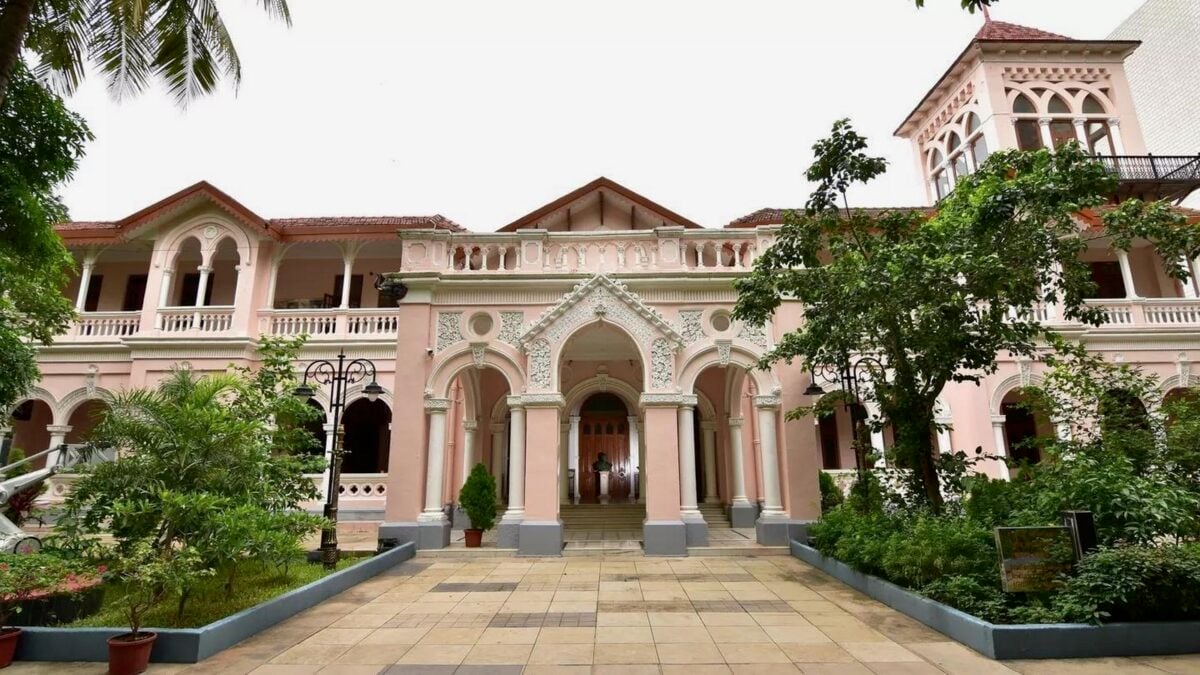
Beyond storytelling and tourism, cinema can serve as a valuable visual documentation medium. Films record architectural elements, surrounding environments, everyday activities and spatial relationships that may change or disappear over time. Moving images can capture not only the physical appearance of a building but also how people occupy and interact with it.
Unlike conventional architectural photographs, which generally document a fixed viewpoint, cinematic sequences can record transitions between spaces, the movement of people, changing daylight conditions and the relationship between interiors and exteriors. These recordings may become useful references for understanding the building’s historical condition and its cultural context.
India’s National Film Heritage Mission, launched in 2015, focuses on preserving, digitising and restoring cinematic works. Such initiatives demonstrate the importance of safeguarding film as a cultural record. The National Museum of Indian Cinema in Mumbai also occupies the restored nineteenth-century Gulshan Mahal, bringing together architectural and cinematic heritage within one cultural institution.
However, cinema should not be considered a substitute for professional architectural documentation. Films may use selective framing, artificial lighting, visual effects and reconstructed settings. Their contribution is strongest when considered alongside measured drawings, archival photographs, historical records and conservation studies.
The Responsibility of Filmmakers Towards Heritage Conservation
Although cinema can increase public appreciation of heritage buildings, filming within historic structures requires sensitivity and responsibility. Heritage buildings are often vulnerable to physical damage caused by heavy equipment, artificial lighting, temporary structures and large production crews. Even minor alterations can affect original finishes, decorative elements and historic materials.
Filmmakers, production designers and location managers must therefore coordinate with conservation professionals before using heritage properties. Appropriate permissions, restricted access to sensitive areas, protective flooring and controlled equipment movement can help minimise damage. The original architectural character should remain intact, even when a building is temporarily adapted to meet cinematic requirements.
A responsible cinematic approach also involves representing heritage with historical accuracy. Architectural elements should not be presented without context or altered solely to create visual spectacle. By respecting the building’s original identity, cinema can become an effective medium for cultural appreciation and conservation awareness.
Preserving the Soul of Architecture Through Cinema
A heritage building carries multiple identities: its historical identity, architectural character, social significance and the memories associated with its occupants. Cinema brings these identities together through visual storytelling. It allows audiences to experience the atmosphere of historic spaces, understand their architectural richness and develop an emotional connection with places across geographical boundaries.
The relationship between architecture and cinema is therefore more than a creative association. It creates an opportunity to make heritage relevant to contemporary audiences while encouraging interest in its preservation. When supported by responsible filming practices and accurate historical representation, cinema can extend the life of architectural memories beyond the physical boundaries of a building.
Ultimately, a heritage building may stand for centuries, but its stories need ways to reach new generations. Cinema provides that connection by transforming architecture from a static physical structure into a living experience of history, culture and human emotion.