Every city has a story. The storyteller of a city is its streets, its buildings. These streets and buildings remain in people’s minds even after leaving; these memories are created by the visual character of these places. Imagine returning to these places and feeling there is something different, there is something off; maybe the place has grown more functional, more modernised, but lost the part that once made it more unique, more belonging. This raises a deeper question about the direction of development; are cities losing visual diversity and its colour?
The Colours We Left Behind
Have you ever suddenly stopped while walking down a street? What makes you stop like that? Sometimes it’s just an old house. People might be walking down the road, notice an old building, and suddenly start thinking about their childhood. They start wondering who used to live in that house, what their lives were like, and what kind of memories those walls hold.
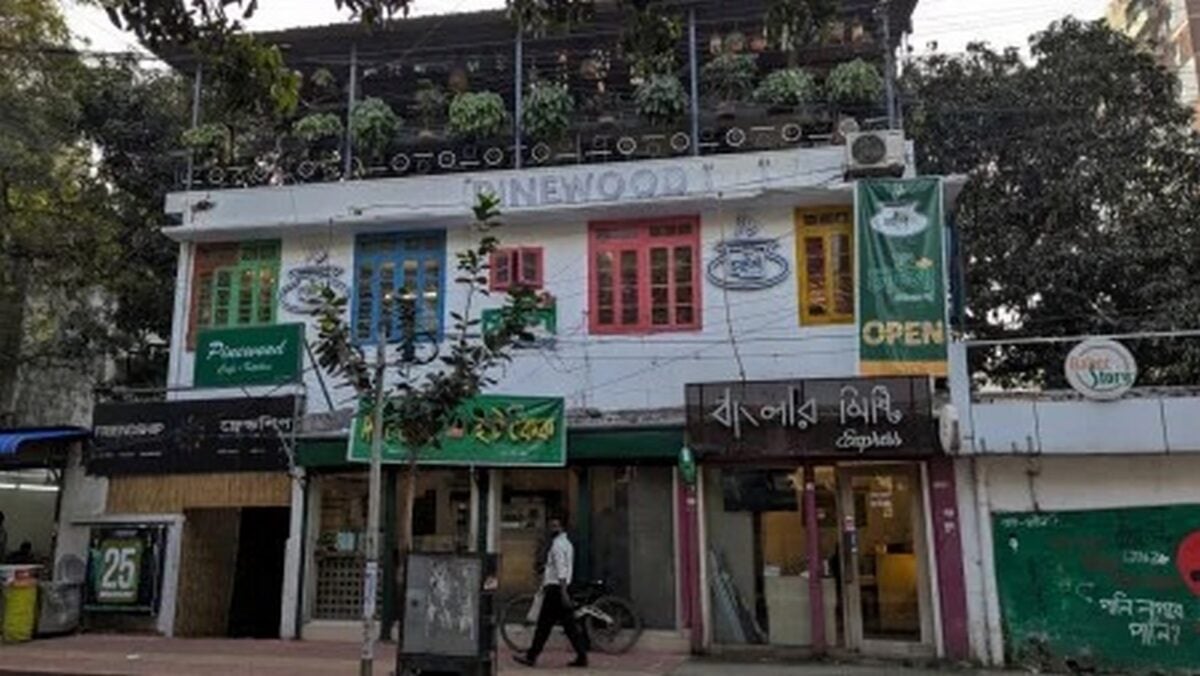
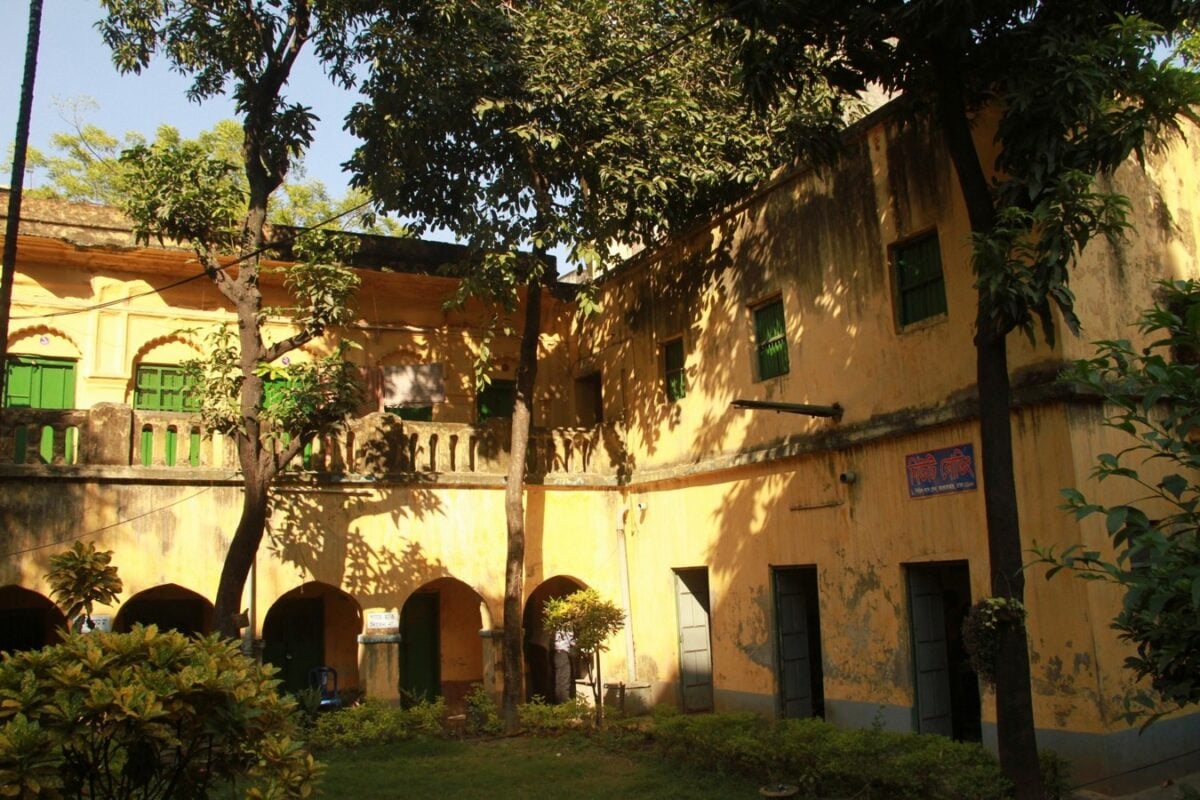
Those long verandas, decorative colourful windows, and faded colours of old houses somehow take people back to another time. Even today, there’s something about these old architectural styles that makes people feel connected to the past, visual diversity in architecture.
Where did the soul go?
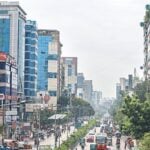
What do people observe when they go around their cities these days? Standing side by side are enormous buildings with small balconies where individuals keep their possessions or hang their clothing. Perhaps some folks still converse with their families while sitting on those balconies at night. The colours and details that are known are slowly going away. Cities are becoming a mix of steel, glass, and grey concrete blocks with black and white patterns on them. Even cafes and restaurants appear to have the same style. Everywhere you see are concrete walls, pleasant lighting, muted colours, and simple interiors. There are times when it looks like everything on social media is staged to look good.
When Every Building Starts Looking the Same
Most of these buildings look so minimalistic. Even though they are used for different purposes, they often look a lot similar to one another. They don’t feel much connection to the location or its past;
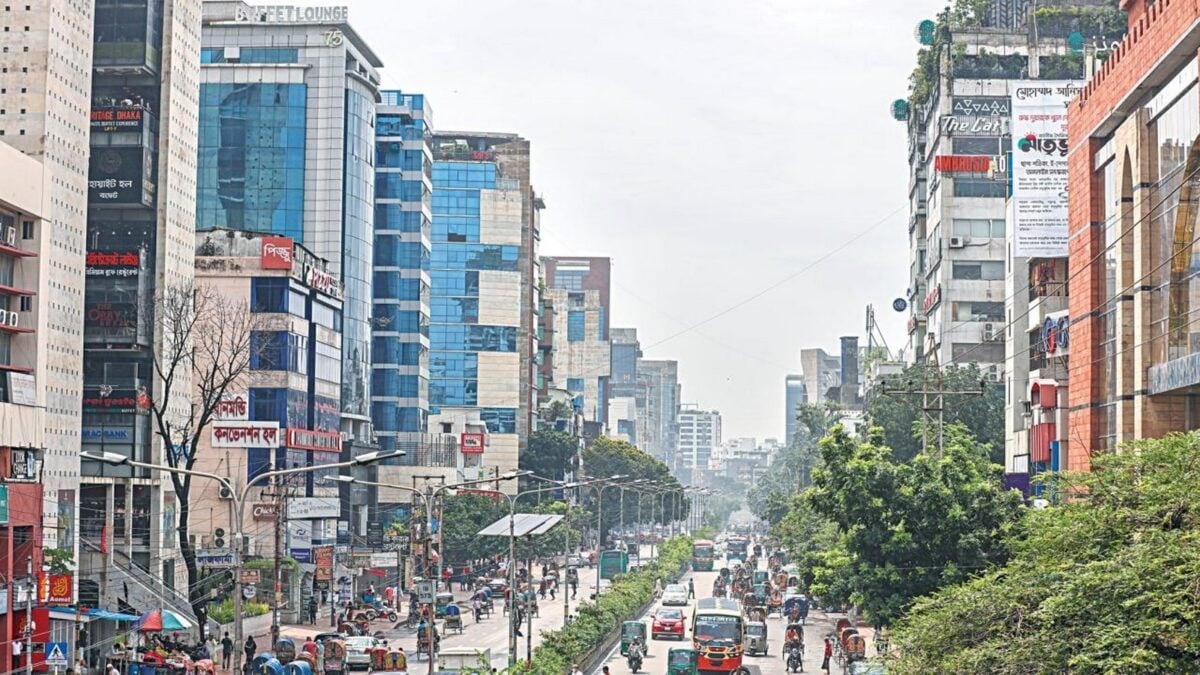
there is no significant visual diversity in the architecture. And here’s something to consider: cities all across the world are beginning to resemble one another. Many buildings adhere to the same worldwide design trends rather than preserving the distinctive character of the locations where they are constructed. Corporate branding, minimalism, and the desire to have a particular modern appearance are all factors that have contributed to this transition. The most significant change, though, is happening in architecture. If people look back at the colourful buildings of the past, the difference is pretty clear.
New Buildings, Missing Stories
It is not necessarily architects who fail a space; it’s about how architecture and design sometimes don’t respond to human needs. People can be affected by a space after the design is completed. Human behaviour can be different. Designers can’t predict all people’s responses. These days, buildings are quite sturdy and glassy, yet they still work during the day, which is very important for wellness. Daylight is very important for wellness. It must be sensible to decide where to place design elements and how to relate them to the views. It makes sense to put glass if you have a pleasant view, and to put it at the top to let daylight in. But it doesn’t make much sense to place the glass at the bottom, where there is no view, and it can only let in a little light. It’s not only about glass, but also the design elements and where to put it. Architecture and design should always question: Is this built space inhabited by people?
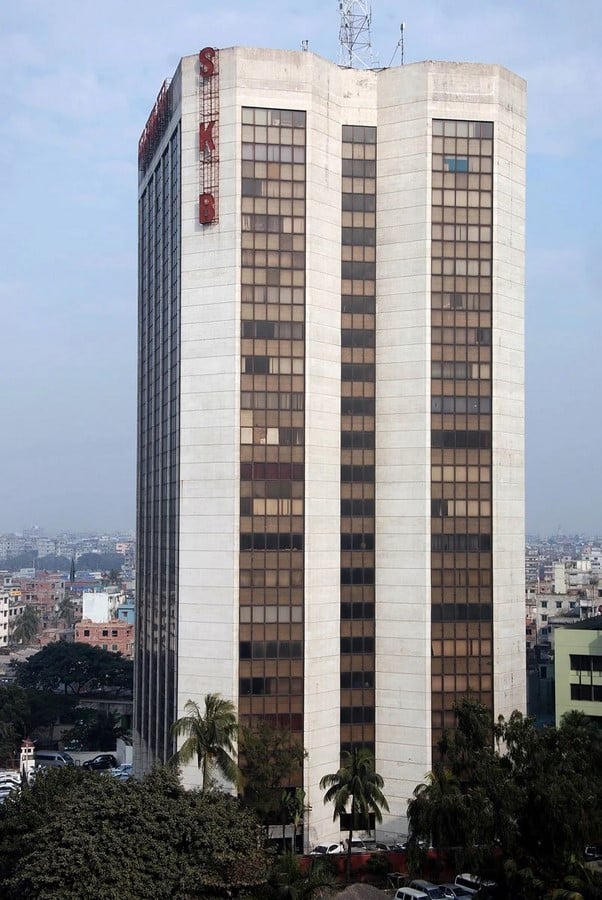
Modern architecture has definitely changed how cities look from above. Adding this style to buildings has made them more useful and reduced their construction costs. But it also makes cities look more alike and reduces visual diversity in architecture. Most designs people see today aren’t structured that way. Tall, expressionless, cold towers of concrete, steel, and glass stand in business zones, while boxy and grey houses occupy most of our residential areas.
Between Nostalgia and Modernity
So, why is colour disappearing from our cities? Is it because of globalisation, the way companies want their spaces to look, or simply because minimalism has become so popular? It could be a mix of all of these things.
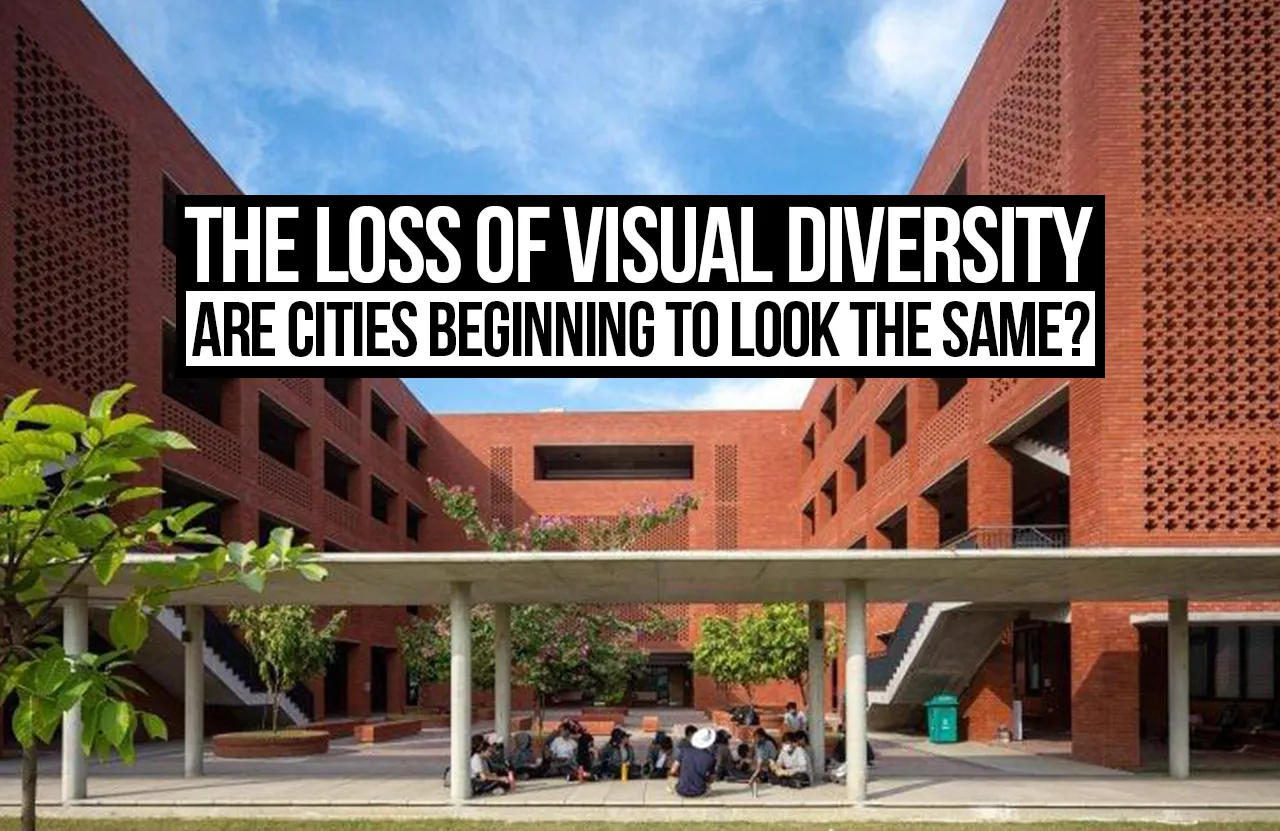
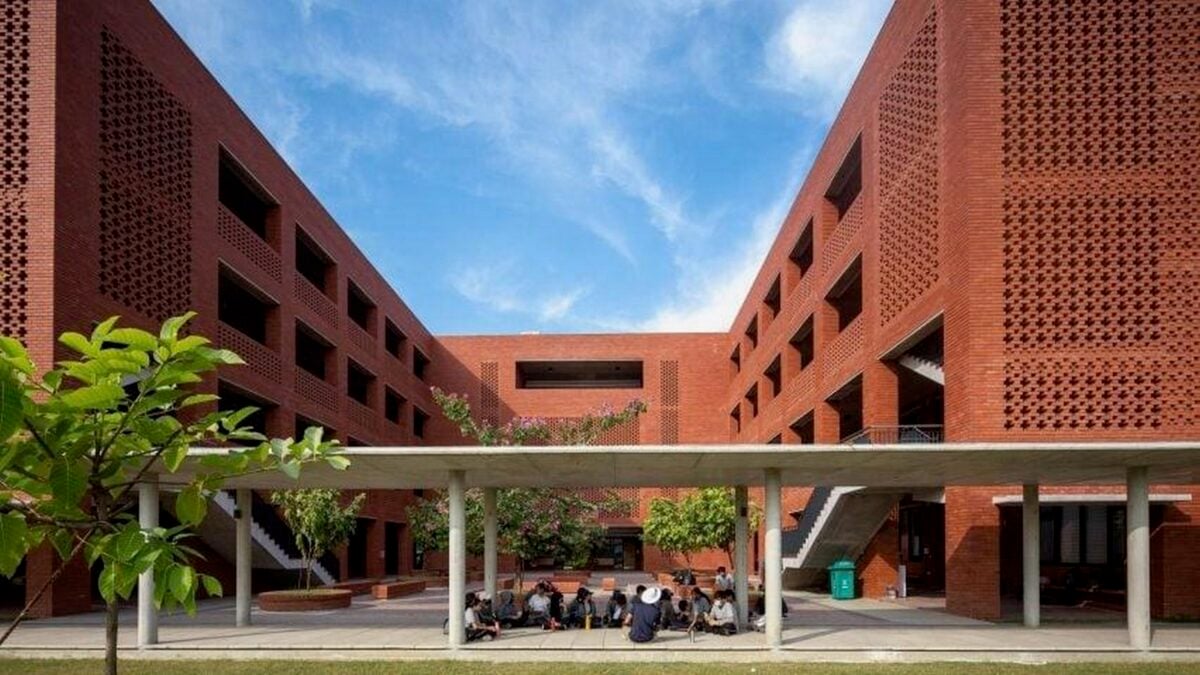
Of course, everyone has their own tastes. Some people prefer simple colours and shapes because they are easier on the eyes. That’s fine to do. Do these colours really make people happier, though? When almost the whole city looks the same, what does that mean? Many cities used to have unique cultural differences. Are those differences being lost over time? How is one city different from another if all of them follow the same style? No matter the reason, we may be losing something along the way. As streets grow increasingly monochrome, people are losing the cultural depth, personal experiences, and emotional connections. The new Aga Khan Academy shows how contextual architecture is also rooted in Bangladeshi architecture. It is a symbol not only of the glass used in concrete buildings; contextual architecture is also happening between nostalgia and modernity.
A City That Looks Right but Feels Different
As cities continue to grow, developers often pull down old buildings and replace them with new ones. New designs use modern elements like steel, glass, and concrete. Since these materials often come in grey, black, and other neutral shades, they have gradually come to dominate the look of our cities.
What happens to people’s impression of a place when it no longer appears or feels like an exceptional location? This is perhaps the most crucial question that has to be asked. The lack of colour in cities changes more than just how buildings look. It can also affect how people feel as they walk through them and how attached they are to their spaces.
In the past, this type of building was used to show people what wealth looked like. It was not loud or tall, but it was deeply rooted in detail and design. Every window represented a different aspect of life, and every balcony fulfilled a certain purpose. Buildings were built so that people felt like they belonged. There was beauty in waiting and elegance in being quiet. These areas are no longer needed as the city grows. Modernisation brought about the progress that was promised, but it also took away the closeness of places like these somewhere along the way. Even though these walls are old, their stories will never end. In the end, visual diversity in architecture can affect people’s emotions and well-being, and definitely build their sense of belonging in spaces.
References:
Maqbool, S. (n.d.). Is modern architecture causing the homogenization of cities? [online] youlinmagazine. Available at: https://www.youlinmagazine.com/article/is-modern-architecture-causing-the-homogenization-of-cities/2550ss
Minimalism took over—But was it worth losing colour? (2026). The Daily Star. https://www.thedailystar.net/life-living/news/minimalism-took-over-was-it-worth-losing-colour-4083906
Hsiao, E. (2024, March 13). Why is the world losing color? Medium. https://uxdesign.cc/why-is-the-world-losing-color-56f740f465d4
Andre Yapto B.Arch. (2026, May 14). When the world lost its color. Medium. https://medium.com/@andreyapto/when-the-world-lost-its-color-ba154fb8a23e
Why is color disappearing from modern urban architecture? | Joshua Thannickal Architects. (2025). Joshua Thannickal Architects. https://www.joshuathannickalarchitects.com/why-is-color-disappearing-from-modern-ur