Beyond the Perfect Photograph
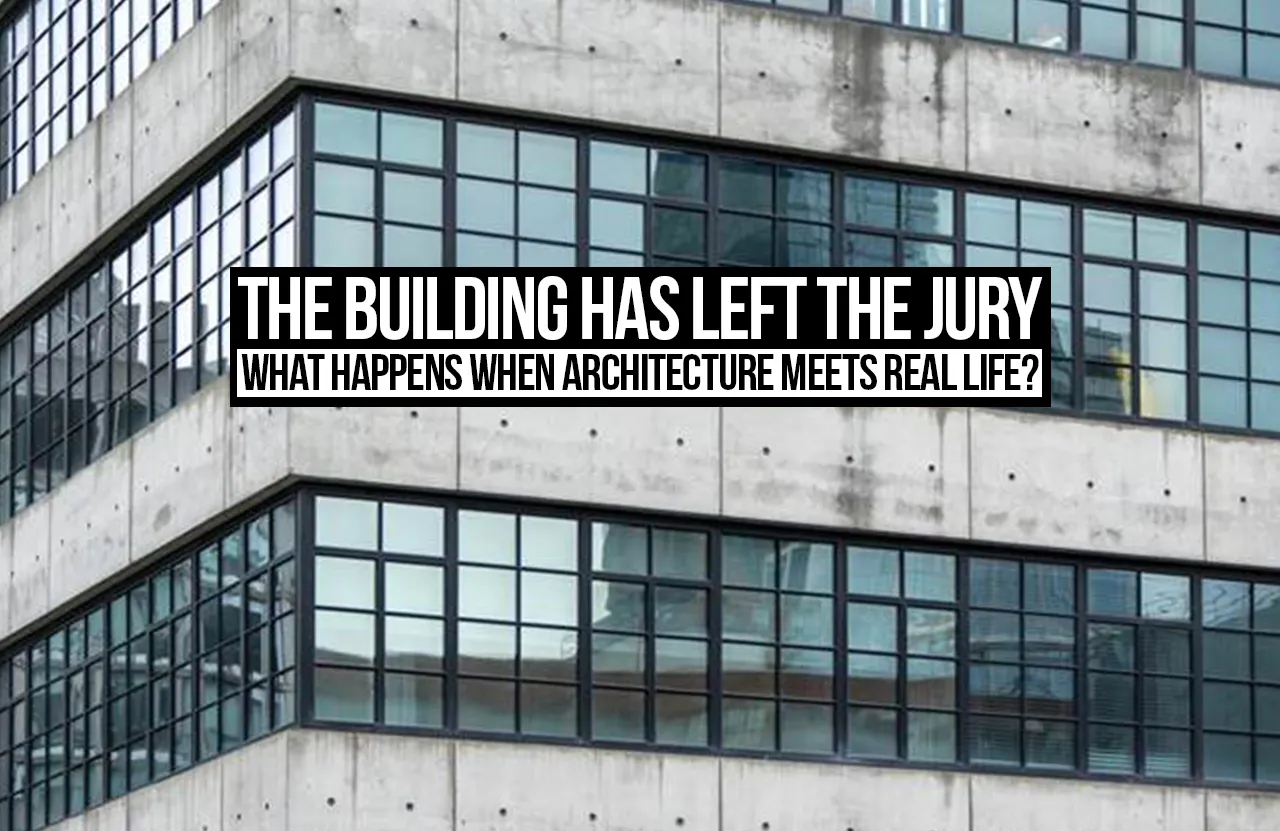
A building can win awards and impress architectural juries, but still disappoint the people who use it. A staircase can be sculpted into a masterpiece that causes discomfort to whoever attempts to use it, while a landscaped courtyard might be left untouched despite its aesthetic appeal. Architectural Criticism must go beyond a photograph of design presentation, as the real test of a building only begins once it has been occupied by people living their everyday lives.

Beyond the Presentation
Architectural education encourages the use of drawings, models, diagrams and renders, as a means to present and communicate design elements. Whilst these are important, there is the danger of a restricted understanding, as a finished image rarely depicts characteristics during peak times, the natural degradation of materials or how its spaces are accessible or comfortable.
Architectural Criticism must then focus on the discrepancies between presentation and reality and assess a building not just as a visual entity, but as an environment and space that continues to exist long after its photographs have been published.

When the Architect Is No Longer There
Architect Prem Chandavarkar‘s A Manifesto on Architectural Criticism (ArchitectureLive, November 2025) notes the importance of assessing projects beyond the explanations of their architects (Chandavarkar, 2025).
During a design jury, an architect can explain every design choice, but it is up to the occupants to determine if the building will be a success. A thoughtfully placed window can cause glare, while a logically planned corridor can confuse anyone who attempts to use it.
The intentions of the architect should be noted, but it cannot be the sole design factor for Architectural Criticism, which must weigh the intended vs. actual outcomes as well as what people experience.
Beauty Is Not the Only Measure
Aesthetics, proportion, materials and light are important aspects of architectural quality, but an impressive building can fail to be energy efficient, sustainable or maintainable, while a humble structure can make the best use of its locale and have an exceptional impact on the environment. Architectural Criticism must take a holistic approach that weighs functionality, accessibility, environmental sustainability and its relationship with the surrounding context, as an alternative to just the beauty that can be captured with a photograph. The best building is not necessarily the one which looks the best, but the one that continues to serve its occupants for years to come.
The User as a Critic
Architectural critics and design juries are not the only people who can form an opinion about buildings. The people who will occupy a hospital can dictate how healthcare spaces are assessed, depending on whether they are comfortable and private, while the students of a school will judge a classroom based on lighting, noise levels and temperature. The building’s users can highlight aspects that cannot be conveyed with drawings or photographs, while post-occupancy evaluations (POEs), interviews and accessibility assessments can help determine if a building fulfils its purpose. Architectural Criticism must be informed by the people who occupy the spaces that are discussed.
The Importance of Maintenance
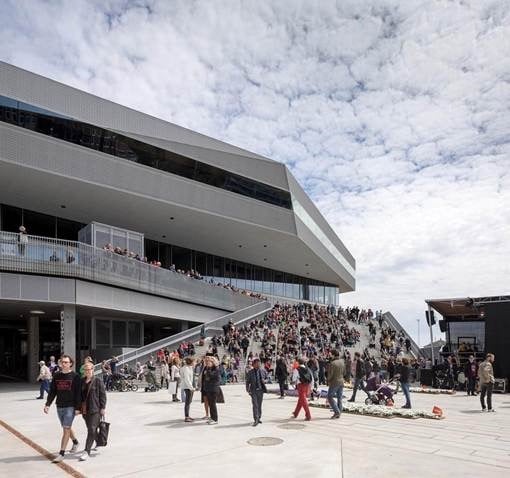
A building’s opening day is often the most pristine period of its life, as materials begin to degrade, equipment fails, and maintenance budgets are strained. Architectural Criticism must consider these aspects, as design choices that looked great can be costly to maintain, and Architectural Criticism must consider the ability of a building to evolve over time, rather than just its introductory appearance.
Who Benefits From Architecture?
A building can satisfy its client, but negatively impact the people in the surrounding area. A development can improve its locale, but create restrictive areas that deny access to other people, and a cultural institution can have a welcoming front-of-house but be inaccessible to some of its visitors. Architectural Criticism must then consider who benefits from architecture and who might be negatively impacted, as well as how a building interacts with its environment. Architecture exists in social, economic and political contexts, which makes these questions vital considerations in Architectural Criticism.

Beyond the Architect’s Reputation
Celebrated figures in the field can be lauded before their buildings have even been experienced by people, and the work of lesser-known architects can be overlooked despite producing quality work. As mentioned in Chandavarkar’s discussion of architectural criticism, the profession needs to ensure that Architectural Criticism looks beyond the reputations of names and weighs the evidence in order to fairly assess the design, impact and implications of buildings, rather than simply bolstering egos.
Conclusion: The Building Must Have the Final Word
Architecture is often applauded when a building is finished and photographed, but this is only the beginning, as the years that follow are when the building interacts with people, its environment, maintenance and changing needs. Architectural Criticism must focus on these factors, as well as the design intentions of architects, without worshipping them blindly, aesthetic qualities without pretending they are more important than other considerations and the impact on the world. The true test for architecture is not if it impresses when first unveiled, but if it continues to deserve its place in the world once the architect has left the jury.
References:
Chandavarkar, P. (2025). A Manifesto on Architectural Criticism. ArchitectureLive, 11 November.
Available at: https://architecture.live/manifesto-architecture-criticism-chandavarkar/
Singh, R.B. (2020). Off The Cuff: Have We Lost Our Vista? — Interim Thoughts on A Work In Progress. ArchitectureLive. Available at: https://architecture.live/off-the-cuff-have-we-lost-our-vista-rahoul-b-singh/