The history of the motor car is not simply a story of mechanical invention. As automobiles evolved from practical machines into symbols of freedom, status, and personal expression, certain manufacturers began to distinguish themselves through design and craftsmanship. Among them, Aston Martin emerged as a name associated with elegance, performance, and the understated character of British luxury.
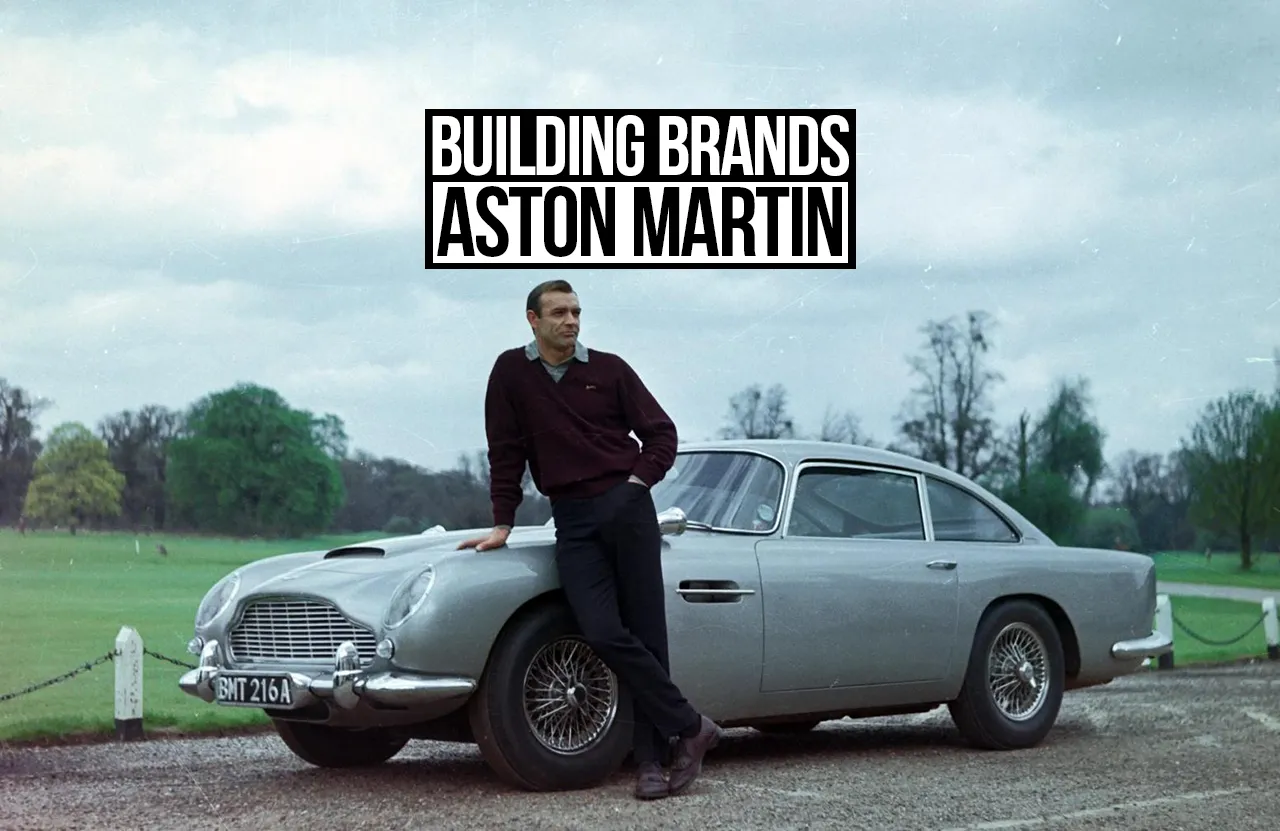
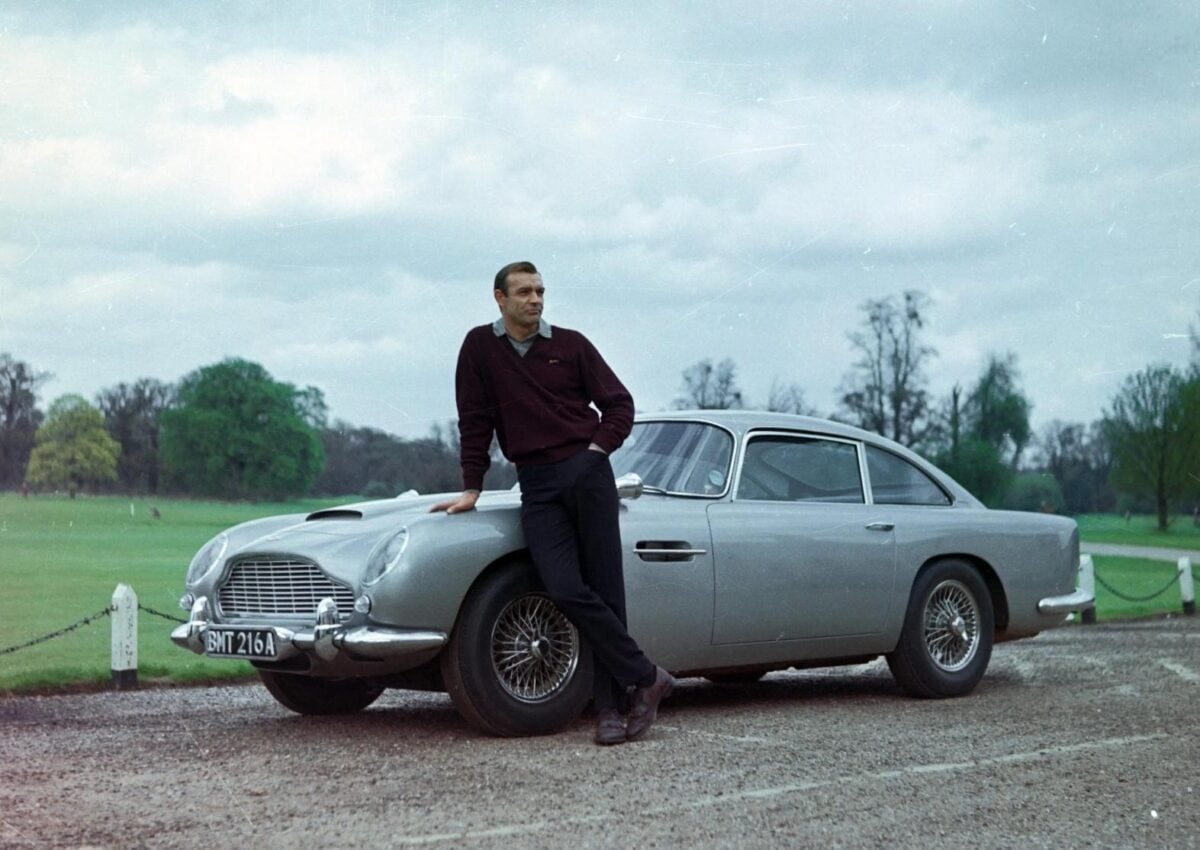
Founded in London in 1913 by Lionel Martin and Robert Bamford, Aston Martin began its journey when the automobile industry was still developing. Over the decades, the company built its identity around sporting performance, distinctive proportions, and carefully crafted vehicles. Its cars became recognised not merely for their engineering but also for the experience and exclusivity they represented. The association with James Bond, particularly through the iconic DB5, further carried the brand beyond the automotive world and into popular culture.
Yet the journey of Aston Martin has never been defined by glamour alone. Behind its carefully maintained image lies a history of financial difficulties, ownership changes, and repeated efforts to establish lasting commercial stability. This contrast makes the brand an interesting study in business and design. It demonstrates how a strong identity can endure even when the company behind it faces uncertainty, while raising an important question: how can a manufacturer preserve its heritage and desirability while adapting to an industry that continues to change?
From Racing Heritage to Global Desirability
In the early years of the automobile industry, racing offered manufacturers a way to demonstrate engineering ability while attracting public attention. For Aston Martin, motorsport became an important part of its identity, linking performance on the track with the promise of performance on the road. The company’s participation in competitive racing helped establish its sporting character, even as financial limitations often restricted its ambitions.
A major turning point came in 1947, when industrialist David Brown acquired the company. Under his ownership, Aston Martin entered a period that produced some of its most recognisable cars. The DB name, taken from Brown’s initials, became associated with a distinctive blend of performance and refinement. Models such as the DB2 and DB4 helped shape the brand’s design language, while the DBR1 achieved a significant motorsport success by winning the 24 Hours of Le Mans in 1959. Racing victories gave the company credibility beyond appearance alone.
However, engineering achievements were only one part of Aston Martin’s growing reputation. The launch of the DB5 in 1963, followed by its appearance in the James Bond film Goldfinger in 1964, connected the car with a fictional world of sophistication, adventure, and technological ingenuity. The association proved remarkably durable. Rather than relying solely on conventional advertising, the brand became part of a cultural story that audiences already admired.
This combination of motorsport, design, and popular culture helped Aston Martin occupy a distinctive position in the luxury market. Its appeal depended not on producing cars for everyone, but on creating something that felt rare and recognisable. Yet exclusivity also placed limits on production and potential revenue. The challenge was to turn the prestige generated by racing and cultural recognition into a business capable of supporting its ambitions, a challenge that would continue to shape the company’s future.
The Cost of Building an Icon
The prestige that Aston Martin had accumulated through racing and popular culture did not guarantee financial security. Producing luxury sports cars required substantial investment in engineering, manufacturing, and design, while the company’s relatively specialised market limited the scale of production. Maintaining exclusivity was central to its identity, but sustaining the business behind that identity proved considerably more difficult.
In 1987, Ford acquired a stake in Aston Martin and later took full ownership. Ford’s involvement brought access to greater resources, manufacturing expertise, and technology, helping the British marque develop new models. However, the company remained a relatively small player within the wider automotive industry. In 2007, Ford sold Aston Martin to an investment consortium, beginning another chapter of ownership changes and attempts to strengthen its financial position.
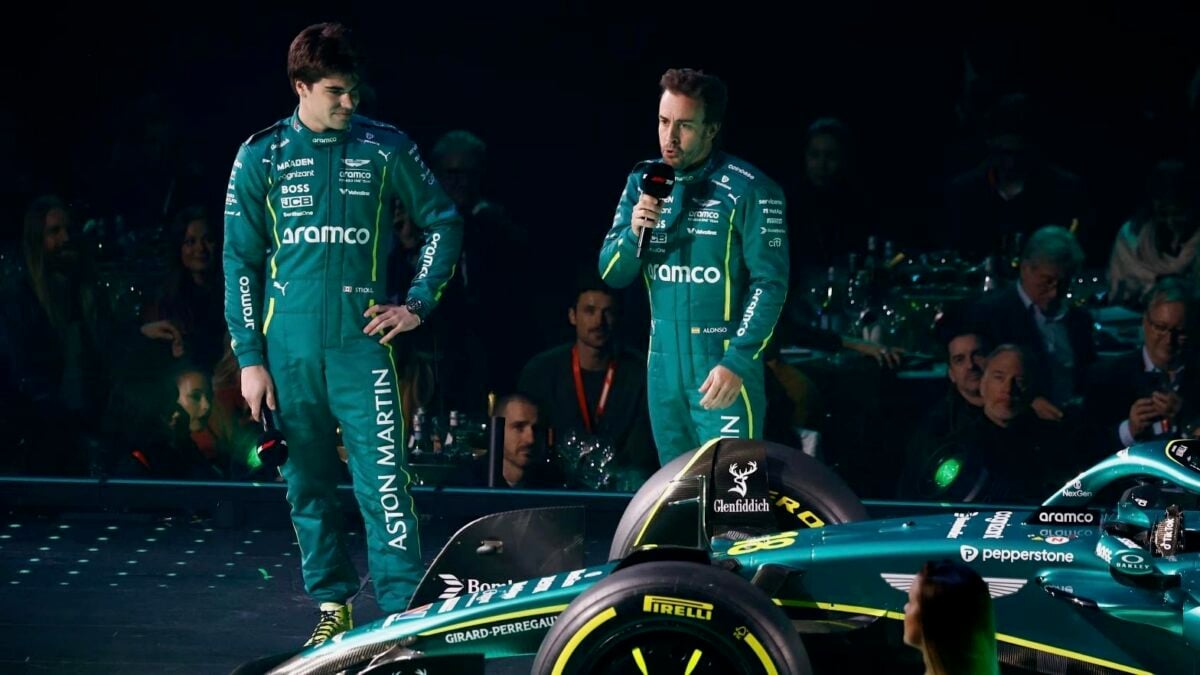
The company’s public listing in 2018 offered an opportunity to raise capital and support its ambitions for growth. However, the pressures of developing new vehicles, managing debt, and responding to market conditions continued. In 2020, a consortium led by Canadian businessman Lawrence Stroll invested in the company, with Stroll becoming executive chairman. The investment also accompanied Aston Martin’s return to Formula One under its own brand identity.
These changes reveal a recurring tension in Aston Martin’s history. Its reputation consistently attracted investors, yet translating brand prestige into dependable financial performance remained challenging. The company’s more recent results demonstrate that the problem has not disappeared. For 2025, Aston Martin Lagonda reported an operating loss of £259.2 million and net debt of approximately £1.38 billion.
Reinventing the Brand for a Changing Market
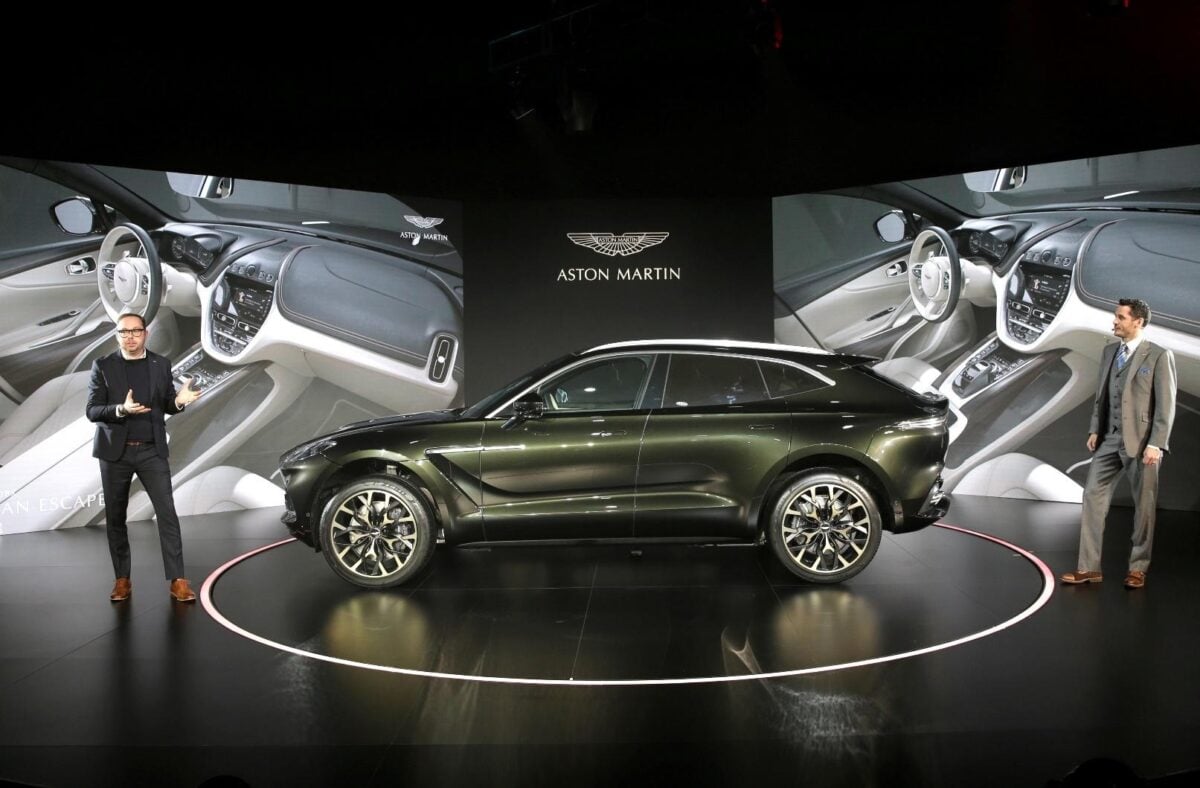
For a luxury carmaker, preserving heritage does not mean remaining unchanged. Customer expectations evolve, competitors introduce new technologies, and market preferences shift. Aston Martin faced this challenge as luxury buyers increasingly embraced SUVs, a category once considered distant from the traditional sports car identity.
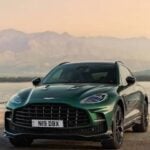
The introduction of the DBX in 2020 marked a significant move beyond the company’s established range. By combining performance with greater space and everyday practicality, Aston Martin entered a segment that had become important to luxury manufacturers such as Porsche, Bentley, and Lamborghini. The DBX allowed the brand to appeal to customers who wanted the prestige and design of a luxury sports car without sacrificing versatility. It represented a commercial decision to broaden the customer base while retaining the company’s emphasis on performance and craftsmanship.
Brand visibility also became central to this repositioning. Aston Martin’s return to Formula One in 2021 placed its name before a global audience and connected the road-car business with the excitement of elite motorsport. The sport’s growing international reach, digital coverage, and younger audiences offered opportunities to renew the brand’s relevance. However, racing visibility alone cannot guarantee vehicle sales or profitability. Its value depends on whether audiences connect the sporting identity with the products themselves.
The challenge is finding the right balance. Expanding into new segments can increase sales opportunities, yet excessive diversification risks weakening the exclusivity that distinguishes a luxury brand. For Aston Martin, successful reinvention depends on ensuring that every new product and public-facing initiative strengthens, rather than dilutes, the identity built over more than a century.
Balancing Tradition, Technology and Sustainability
The next challenge for Aston Martin lies in adapting to an automotive industry increasingly shaped by electrification, stricter emissions requirements, and advances in digital technology. Luxury customers still value performance, craftsmanship, and exclusivity, but these qualities must now coexist with changing expectations about efficiency and environmental responsibility.
Hybrid models offer one route forward. By combining combustion engines with electric power, manufacturers can deliver strong performance while improving efficiency under suitable driving conditions. For Aston Martin, this approach creates an opportunity to explore new technologies without immediately abandoning the engine character that has long formed part of its identity. However, advanced powertrains also increase engineering costs, making it important to balance innovation with commercial viability.
Sustainability extends beyond the vehicle itself. Material sourcing, manufacturing processes, energy consumption, and the durability of products all influence a company’s environmental impact. Customers may admire a brand’s environmental commitments, but those commitments carry greater weight when supported by measurable progress rather than marketing alone.
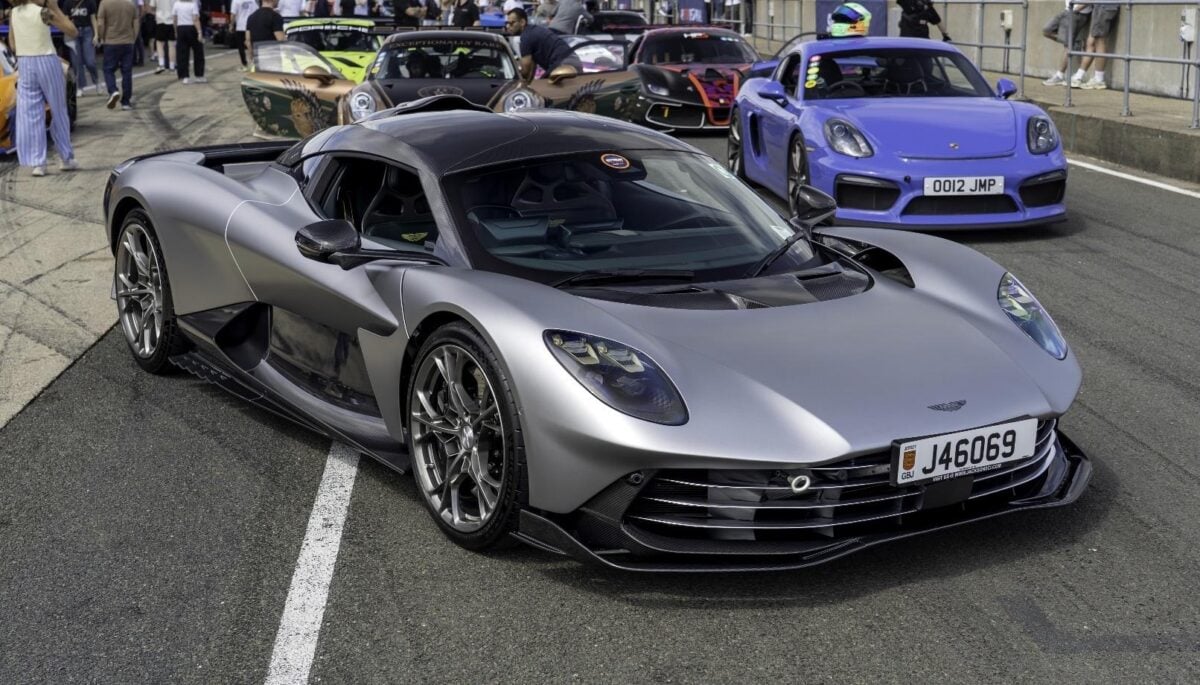
Aston Martin’s Valhalla, its first mid-engined plug-in hybrid supercar, represents a significant step in this transition. Customer deliveries began in late 2025, demonstrating that electrification is becoming part of the company’s product strategy rather than remaining a distant ambition (Aston Martin Lagonda, 2026). Its longer-term success will depend on whether technological progress can strengthen the driving experience while supporting the financial stability needed to sustain the brand.
The Challenge of Sustaining Success
The history of Aston Martin demonstrates that building a desirable brand and sustaining a successful business are two different achievements. Its racing heritage, distinctive design, and cultural recognition have helped preserve its appeal through decades of uncertainty. Yet financial resilience requires more than reputation. It depends on disciplined investment, products that respond to changing expectations, and innovation that remains consistent with the brand’s identity.
As the automotive industry evolves, Aston Martin must protect the qualities that make it distinctive while adapting to new technologies and customer priorities. Its future will depend on whether it can turn enduring admiration into lasting commercial success. The challenge is not simply to create another celebrated car, but to build a business capable of supporting that ambition across changing markets and generations. For a marque shaped by elegance and performance, lasting success will ultimately depend on making its heritage a foundation for progress, rather than a substitute for it.
Aston Martin (n.d.) ‘About us’. Available at: https://www.astonmartin.com/en/corporate/about-us
Aston Martin (n.d.) ‘113 years in the making’. Available at: https://www.astonmartin.com/en/our-world/113-years-in-the-making
Aston Martin (n.d.) ‘Sustainability reports and performance data’. Available at: https://www.astonmartin.com/en/corporate/sustainability/sustainability-reports
Aston Martin Lagonda Global Holdings plc (2026) Annual report and accounts 2025. Available at: https://www.astonmartin.com/en/corporate/investors/annual-report
Formula 1 (2021) ‘Aston Martin and Mercedes-AMG become official safety and medical cars of Formula 1 in new partnership’. Available at: https://corp.formula1.com/aston-martin-and-mercedes-amg-become-official-safety-and-medical-cars-of-formula-1-in-new-partnership/