The world is evolving with new trends, innovations, and new materials. When talking about designing a single project, be it a house, the market follows trends, and what the market wants right now is evolution with every trend. Going after Italian marble, concrete-finished buildings, and many such concepts has replaced the demand for building with context to the climate and local environment and surroundings.
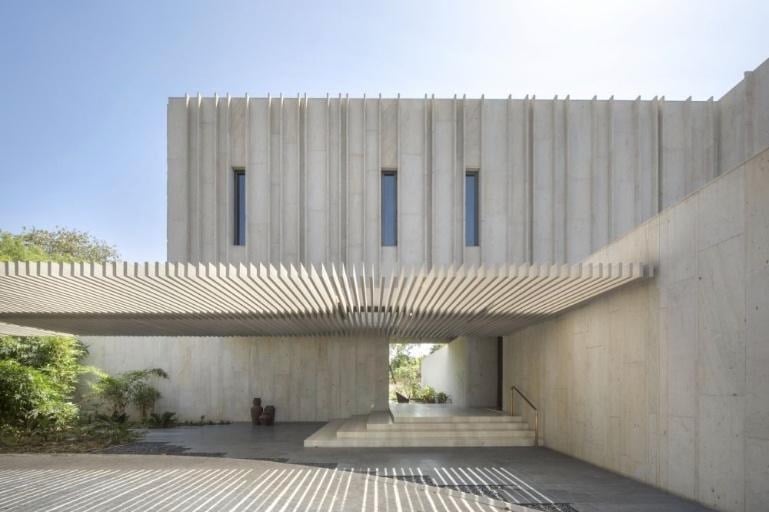
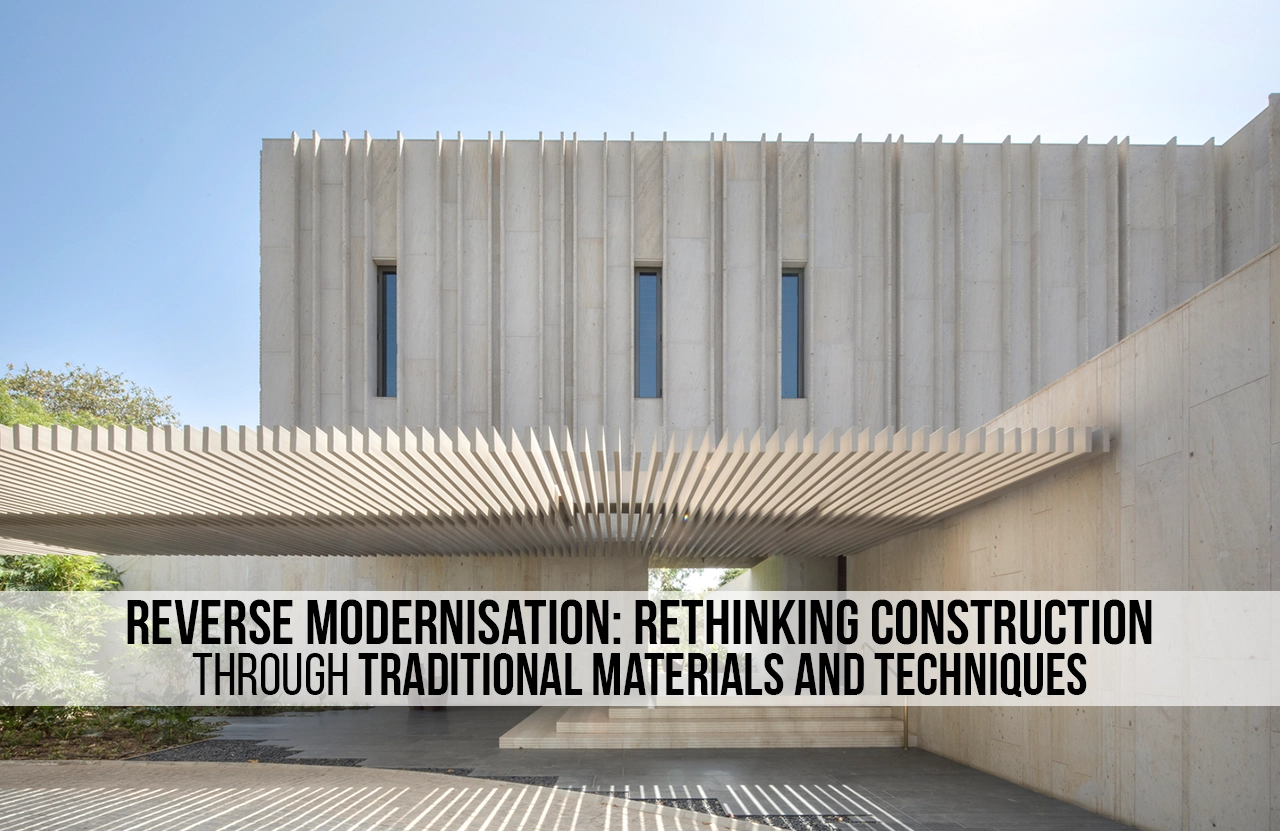
Modern architecture often takes pride in steel, glass, and concrete – a shadow behind aesthetic, luxury, and minimalism. Yet, beneath the gleaming skylines lies a paradox: the very materials that symbolize and hide behind this shadow are among the resource–intensive, carbon-heavy, and ecologically disruptive. As global warming brews deeper and deeper, climate change accelerates, and cities grapple with sustainability, a new movement, more of a revival, valued construction is emerging: Reverse Modernisation. This is not a rejection of innovation, but rather a purposeful rethinking of the way buildings are constructed—going back to traditional materials and methods which previously stood for resilience, culture, and harmony with nature.
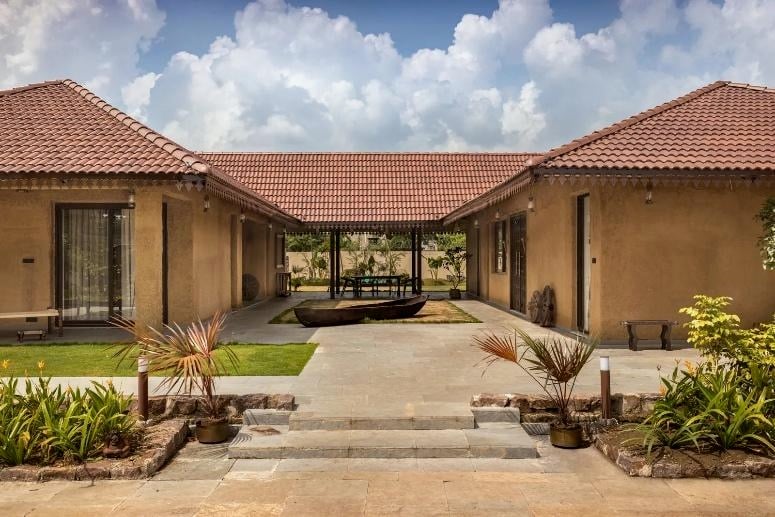
For centuries, communities across the world have built with what was locally available – mud, bamboo, stone, lime, timber. Whether it’s mud houses in Rajasthan, which kept interiors cool in scorching summers and warm at night. It is not merely the building material, but the paint as well, which influences the living quality of a space within its natural capabilities.
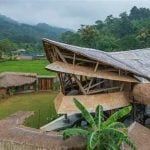
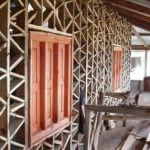
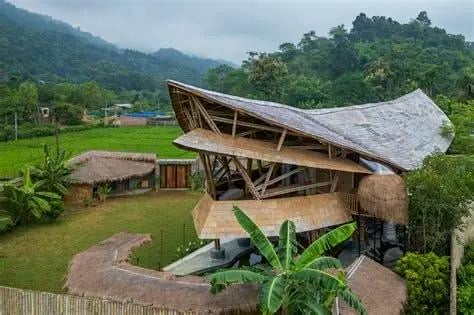
Bamboo structures in Assam flexed with floods and earthquakes, offering resilience. Being lightweight and using cross-bracing helps the structure to maintain stability and ensures the structure remains intact.
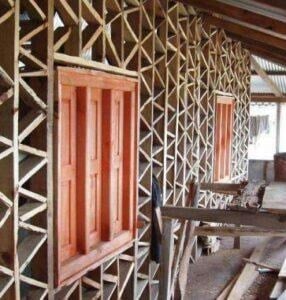
Moreover, one of the ancient techniques is still not taking its rightful popularity – Dhajji Dewari. Mostly built structures with this technique tend to remain as stable and resilient towards seismic activity.
Stone temples in South India are a testament to centuries of weathering monsoons and heat. And let’s not talk about the creative thinking and engineering solutions behind them. They are just remarkable to even look at. Despite their appearance, the engineering solutions have come a long way.
Traditional construction was not about speed or spectacle; it was about continuity with the environment. Coming back to modernisation, reversing the same concept asks us to rediscover this wisdom.
Why Reverse Modernisation Matters
- Ecological responsibility and restoring for the future: Talking about the building materials in an ecosystem, cement flickers through the mind, and the facts suggest cement production alone contributes nearly 8% of global carbon dioxide emissions. On the other hand, lime mortar or mud plaster has a fraction of the footprint, which ultimately holds the restoration of eco–life.
- Cultural Continuity: Architecture is identity: Traditional techniques carry stories of communities, the resilience they brought over for lesson to be carried on, rituals, and craftsmanship. To abandon them entirely is to erase the cultural memory and the loss of learned lessons of disasters, as you never know what nature truly holds for us.
- Resilience and Adaptability: Traditional materials undoubtedly outperform modern ones in disaster contexts. For example: Bamboo bends without breaking in earthquakes and stabilizes the structure; mud walls breathe and extend the shelf life of the structure and reduce heat stress, whereas the paint suffocates the walls.
Case studies of Revival: where the tradition meets modern needs.
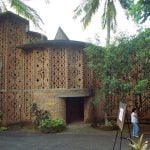
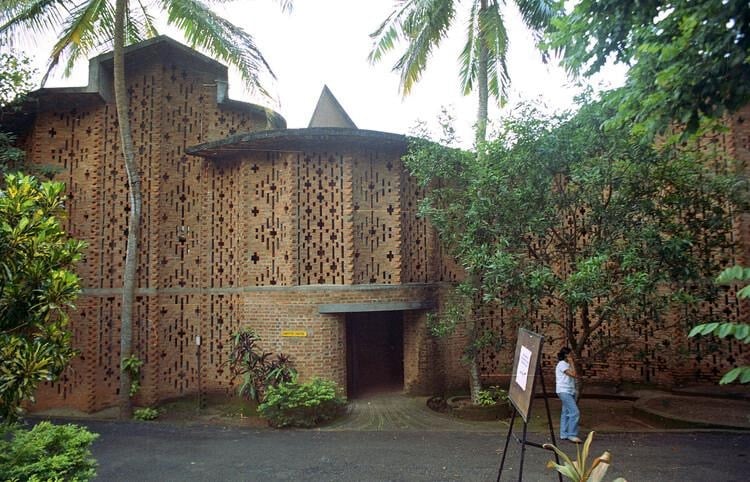
- Laurie Baker’s Architecture in Kerala, who is also known as the Gandhi of Architecture. He brought back low – cost housing using brick jalis, mud, and lime, reviving the traditional roots.
- Auroville Earth Institute used stabilized earth blocks (CSEB), blending mud construction with modern engineering.
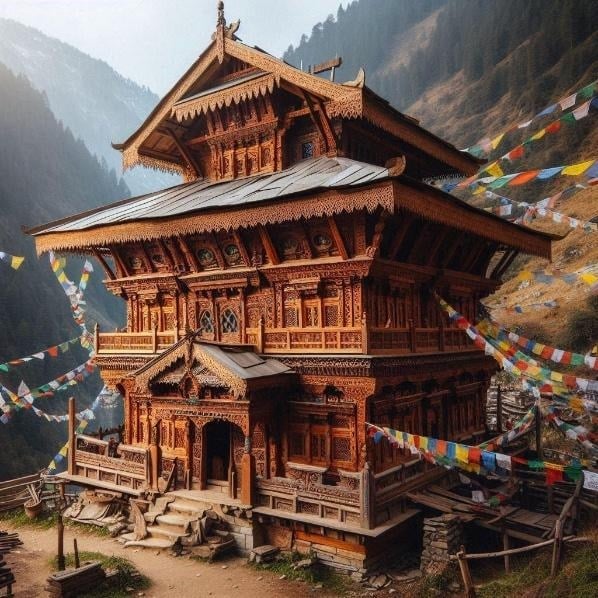
- Kath Kuni architecture in Himachal Pradesh is being revived for its salient construction technique using timber and stone, evidently used in Himalayan villages.
Challenges towards Reverse Modernisation
- Perception: In the world of luxury and status, traditional materials are often looked upon in contrast. But less we know that traditional materials are regarded as one of the responsive to the harshness of climate, and talking about luxury, it’s all about the usage and the type of materials we use.
- Urban Scale: Increasing population and scarcity of land have led to an increase in vertical towers, where adapting with mud and bamboo is quite difficult to handle. But with rising innovations, that day is not far when sustainability outgrows the carbon footprint.
- Policy Codes: A need for change is essential to protect the essence and culture of building materials and techniques in a world where they privilege cement and steel.
- Skill Loss: Over the past decades, the rise of modernist building materials has outgrown craftsmanship skilled in lime plaster or bamboo joinery. Reviving them might take time, money, and capital, but it’s all worth it.
- Hence, Reverse modernisation is not regression. It is a conscious act of remembering, reviving, and reimagining. By rethinking construction through traditional materials and techniques, we can build cities that are ecologically responsible, culturally rich, and resilient to climate change.