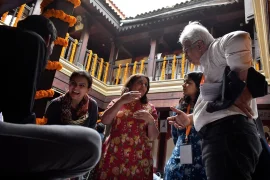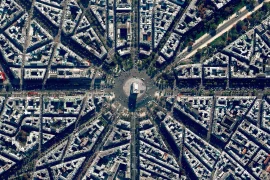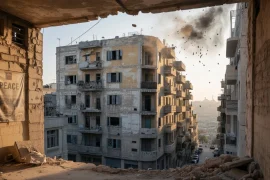
Architecture is believed to be one of the most effective means of influencing people’s thoughts to support an unstated revolution. In a film or television series, architecture has a significant amount of influence over the audience. A movie’s complete visual aesthetic governed by the architecture used as its background has the power to both enhance the narrative and detract from the viewer’s overall experience. For this article, I picked the movie “Mumbai Diaries ( Dhobi Ghat)”.
The Plot
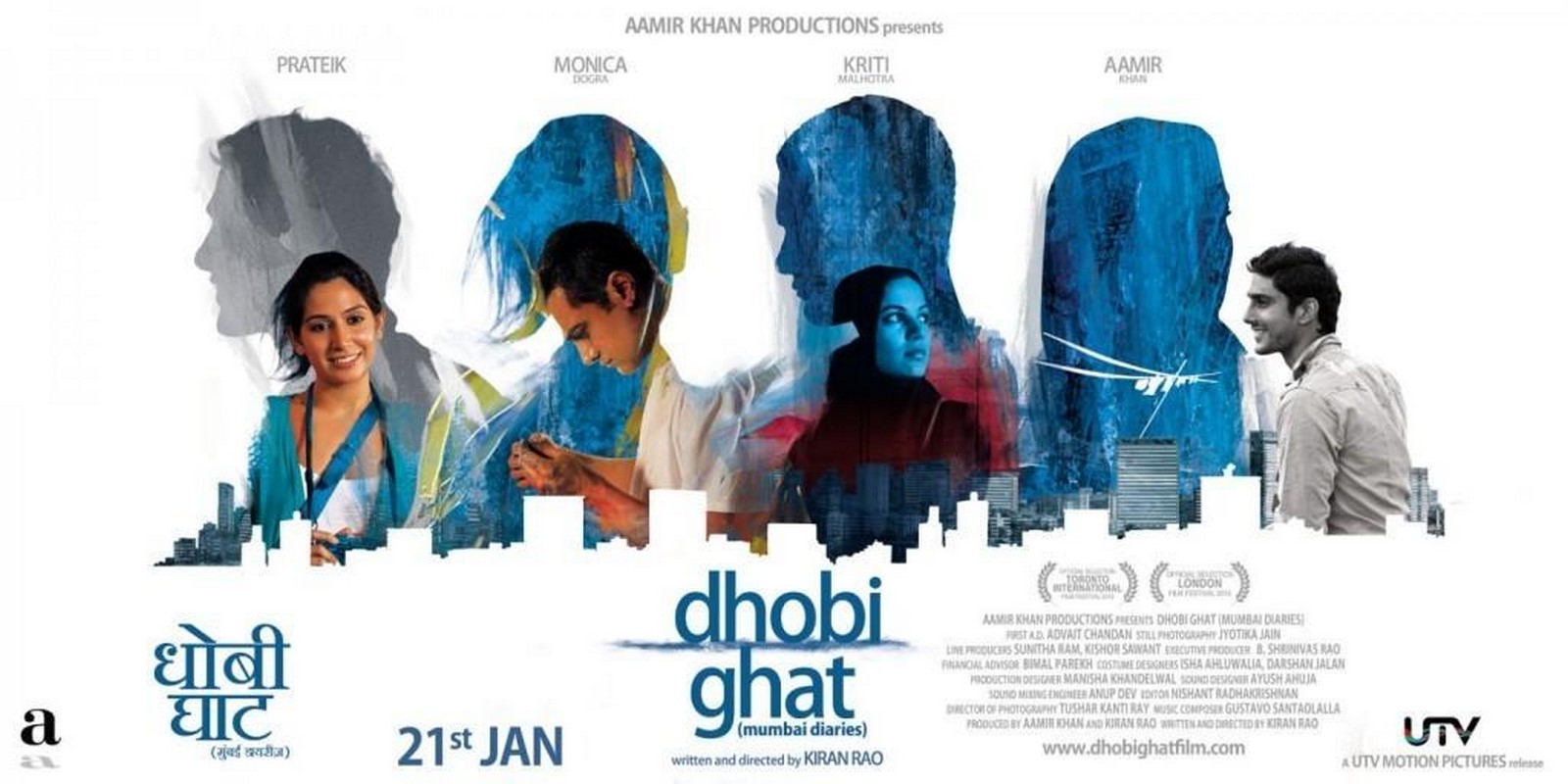
Dhobi Ghat, a movie released internationally as Mumbai Diaries and Bombay Diaries is a movie that unfolds various realities of the city of dreams-Mumbai through the intersections of four different people. This movie directed by Kiran Rao is a movie about- four distinct people’s lives in Mumbai that become intertwined through fate and circumstance: Shai, an investment banker with a fondness for photography, Arun, a solitary painter, Munna, a “dhobi” who dreams of becoming an actor, and Yasmin, who is filming a video with her camcorder for her brother, who has never been to Mumbai. The movie shows how having each other around alters their lives. Is it going to be better or worse?
The metropolis creeps into their life as they are sucked into interesting connections. Their experience is depicted in fragments through paintings, black-and-white images, and a video journal, which together provide a powerful picture of Mumbai and its residents.
The Characterization
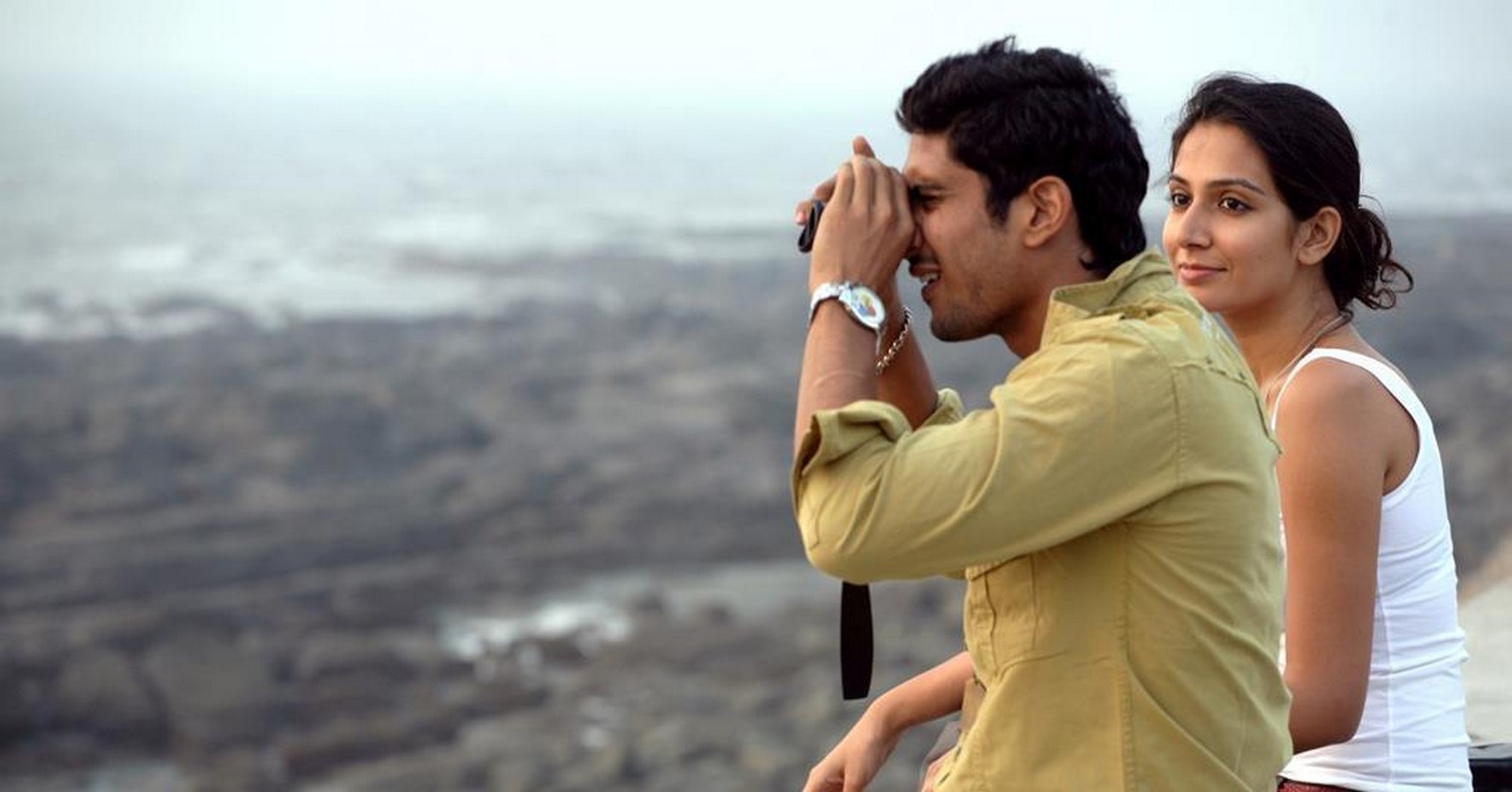
Shai, a banker from New York, goes to Bombay for some photography. The first person she meets is Arun, a reclusive artist whose much taller wife divorced him and moved to Australia with their son. She realizes they are not meant to be together after spending the night together, but she can’t get him from her thoughts. After that, Arun moves, and she learns of his new address via her Dhobi. Zohaib then hires a room across from Arun’s building and begins to surreptitiously photograph him. She makes Zohaib a friend, goes to the movies and dines out with him, and even helps him build his Bollywood acting career by putting together a portfolio. Things take a turn for the worst when Zohaib learns that she likes Arun, who is lost in viewing footage from a previous renter named Yasmin Noor; Salim, Zohaib’s brother, is slain; and Shai unintentionally learns about Zohaib’s nighttime employment.
Arun watches Yasmin’s last video. Since the last recording, when she disclosed finding out that her husband was having an extramarital affair, her tone has significantly shifted. She makes it quite clear that she plans to terminate her life. Arun leaves the flat and moves into a new one, shaken by the possibility that Yasmin hung herself in that very room. When Munna gets home, he discovers that his brother has died. After moving to a new flat with his family, Munna goes to see his brother’s friend in the film business to present him with his portfolio.
Arun looks at the finished painting he has been working on. Yasmin is highlighted prominently along with additional items that she had abandoned. Munna attempts to run away from Shai again shortly after he discovers her, but she catches up with him. She questions Arun’s whereabouts and insists on their relationship. Munna lies to her, still heartbroken, and they quickly say goodbye before Shai departs. A little while later, Munna decides to chase Shai’s automobile through the traffic, changing his mind. When Munna gets up to the automobile and tells Shai Arun his new address, the movie comes to a close. There are many great underclass heroes in Dhobi Ghat, which is always equal parts heart and schmaltz, but it ends with a fascinating ambiguity.
How Architecture influences the movies
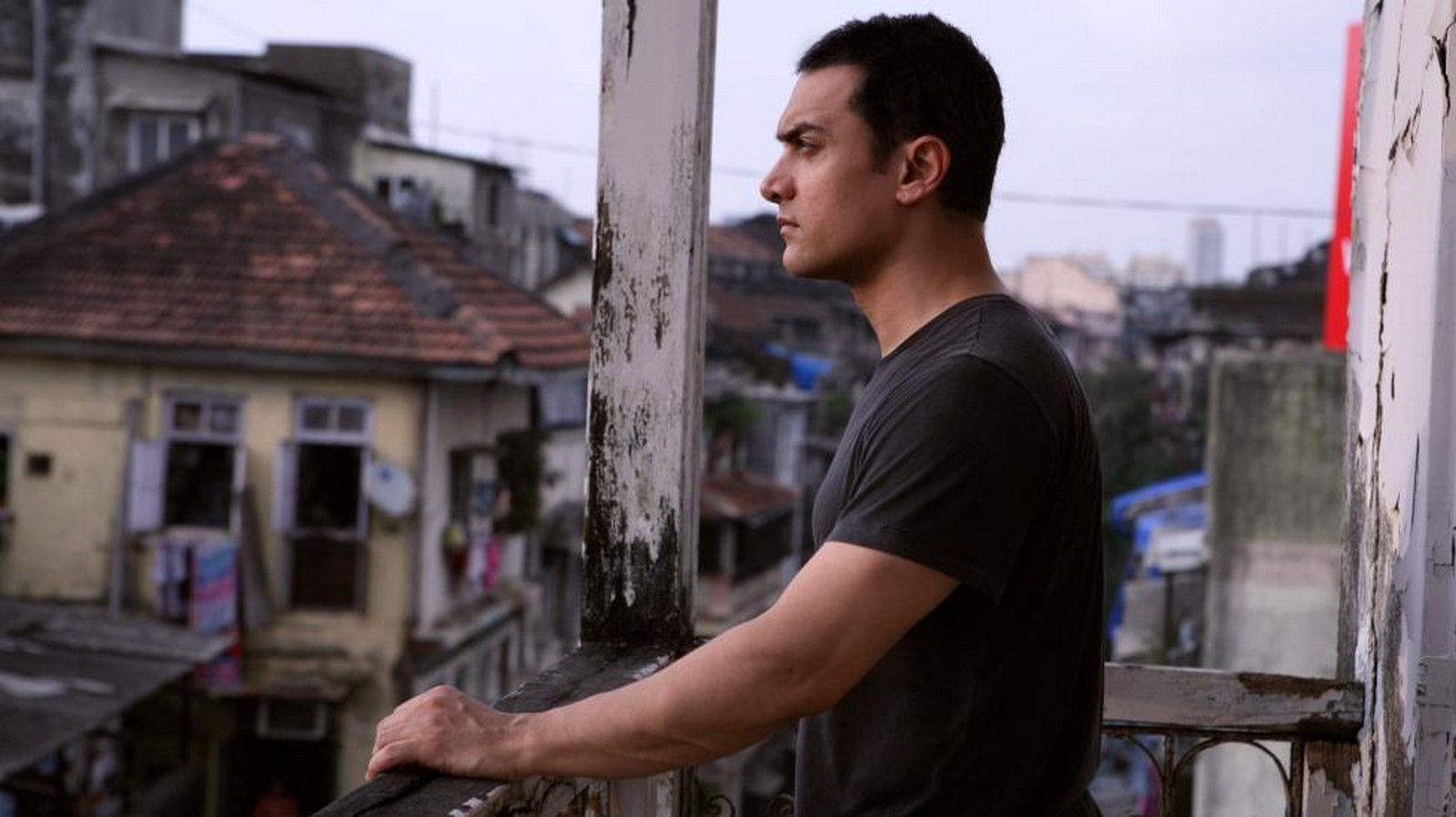
The focal point of this movie is Bombay. Unaware of how each influences the other on a daily basis, it’s perhaps the only city in the world where so many different classes come together to form a single river of tragedies, beauty, or hope. Throughout the film, the filmmaker employed architecture as a key metaphor to represent class distinctions in the city.
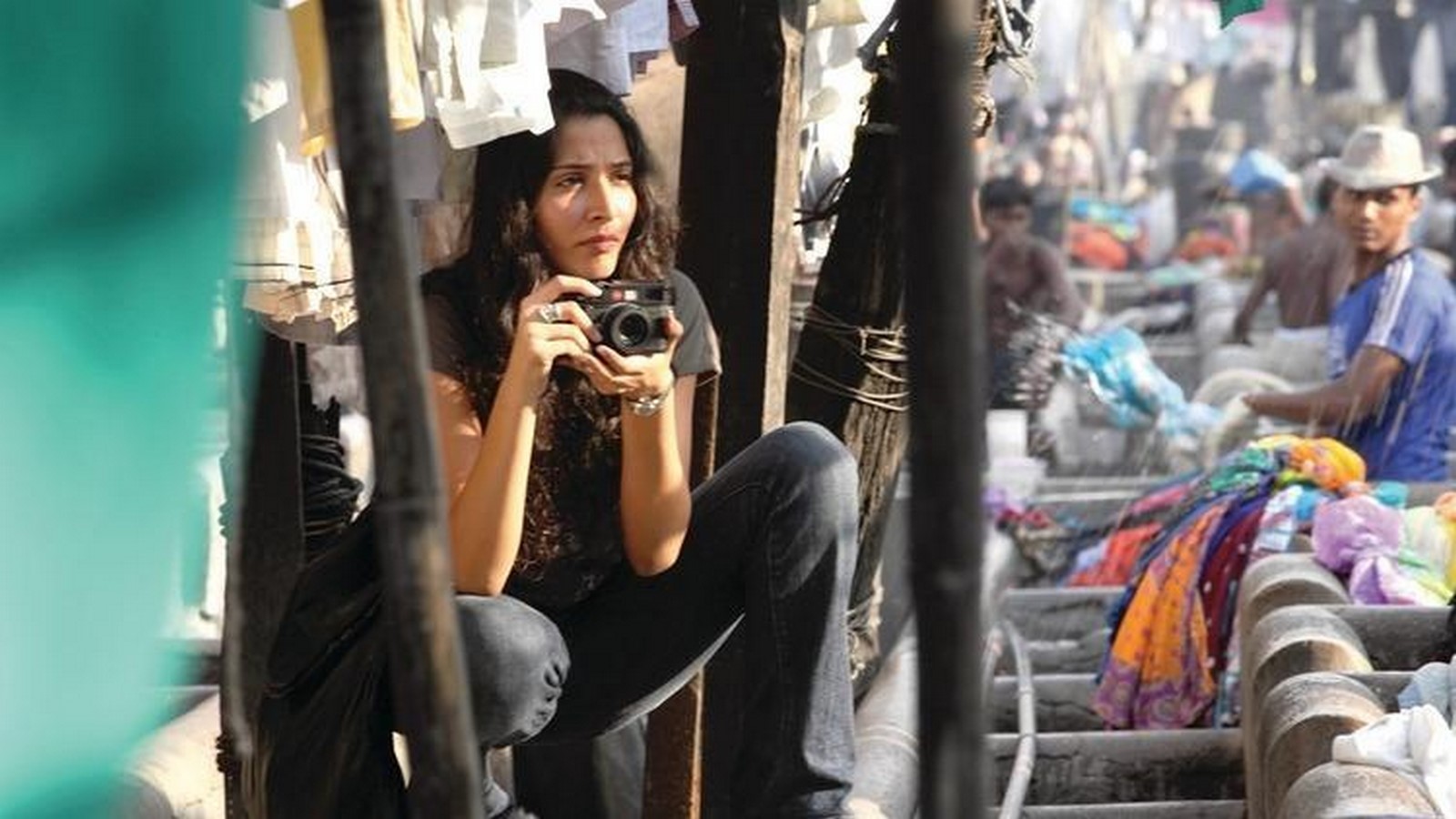
The film was shot in many locations within Mumbai, including Mohammed Ali markets, Worli‘s seafront bungalows, Dhobi Ghat in Mahalaxmi, Chowpatty, and Marine Drive. No sets were built specifically for the filming of the movie. This highlights how the city’s existing scapes have been used to govern its current condition. The different locations set a visual background for the viewers on which the characters are carefully crafted. The four prominent settings for the four different characters highlight the varied fabrics of the city and the collision of their lives shows how the city continues to exist with its complexities. Dhobi Ghat is as vibrant and raw as the city’s architecture, with a clever appeal that overrides its flashy exterior.
References:
- Mumbai Diaries (2010) – Plot – IMDB. (n.d.). IMDb. https://www.imdb.com/title/tt1433810/plotsummary/
- Taylor, E. (2011, January 20). “Mumbai Diaries”: old and new, colliding in the city. NPR. https://www.npr.org/2011/01/21/133055615/mumbai-diaries-old-and-new-colliding-in-the-city