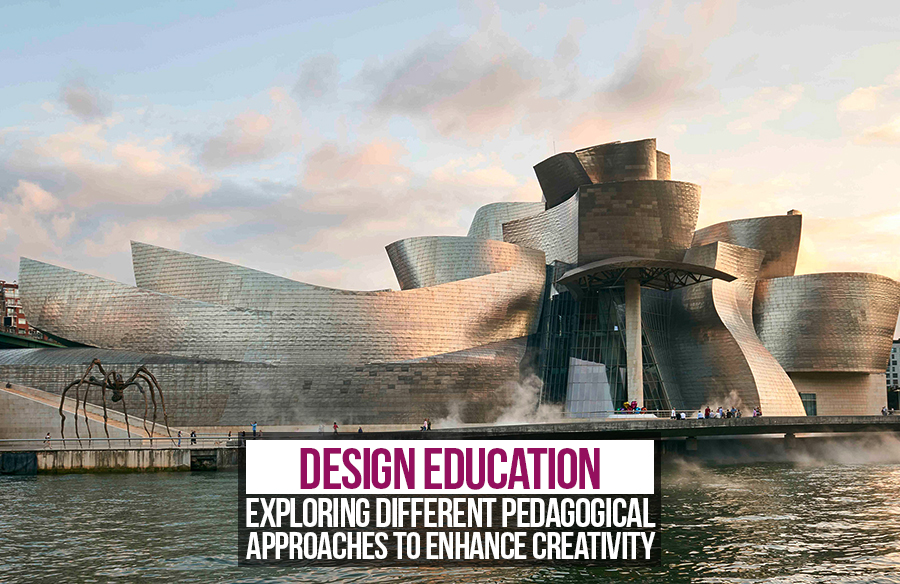
Architects and other design professionals create built environments that impact human existence. As a result of “globalisation,” teaching architecture and design students to be critical thinkers and analysts in order to prepare them for the demands of a world that is changing quickly has resulted in many new developments and challenges. Every country in the world has a rich architectural history and legacy, which allows students to interact with the built environment and understand the problems and solutions that were solved in the past and are still employed by brilliant people today. Making a proposal for a new method of teaching architectural design and starting a conversation about relevant pedagogies and teaching architectural design are the goals. (Essa, 2017)
How can one define Architecture? (Essa 2017)
The following are definitions of the masters:. Le Corbusier in 1923 defined architecture as follows: Architecture is masterful, right, and a wonderful play of masses gathered in light. Louis Kahn defined it as: You have to follow nature’s rules and use brick, construction methods, and engineering. However, at the end, while a building becomes a part of the living, it recalls its immeasurable qualities, and its existence’s spirit takes over. One can finally summarise the definition of architecture as: building + art = architecture. An architect is a person who is trained and experienced in designing and constructing buildings.
Pedagogy in Architectural Education (Fidanci, 2021):
The teaching strategies used to impart knowledge and skills to students are referred to as pedagogy. Regarding education in architecture, we can state that it is a more comprehensive framework in which education occurs.
Information is transferred from one person to another through the power of teaching. Since learning is a two-way process that requires empathy from both the teacher and the student, the architecture must promote empathy and communication between the two.
Why is Architectural Education Important? (Essa, 2017)
Architecture education has a major impact on the built environment of the future. Students who complete this programme will have a strong basis for creative expression, as well as a distinct design language and an acute aesthetic sense. In addition to fostering creativity, an architectural education equips students with the technical and practical know-how needed to translate their paper designs into reality. By learning about technological advancements and other skills necessary for project execution, research and innovation empower students to elevate their designs to a higher level.
From Masterclasses to Experimentation: A Journey Through Architectural Education (Essa, 2017)
Classical Roots: The Ecole des Beaux-Arts (Paris) (Wozniak, 2016)
The Ecole, private ateliers, the Salon, and café culture were the four primary components of Paris’s Beaux Art era. The Grand Prix de Rome, a competition in which the winner would receive a full scholarship to study in Rome, was the culmination of the rigorous, classical study of painting and architecture known as the Ecole. Students would work directly with masters in the private ateliers. The public would be able to view the best pieces chosen by a jury at the yearly Paris Salon. Talking about design over a cup of coffee, the cafe life was an unofficial continuation of the Ecole and ateliers.
Beyond Craft: The Bauhaus Experiment (Germany)
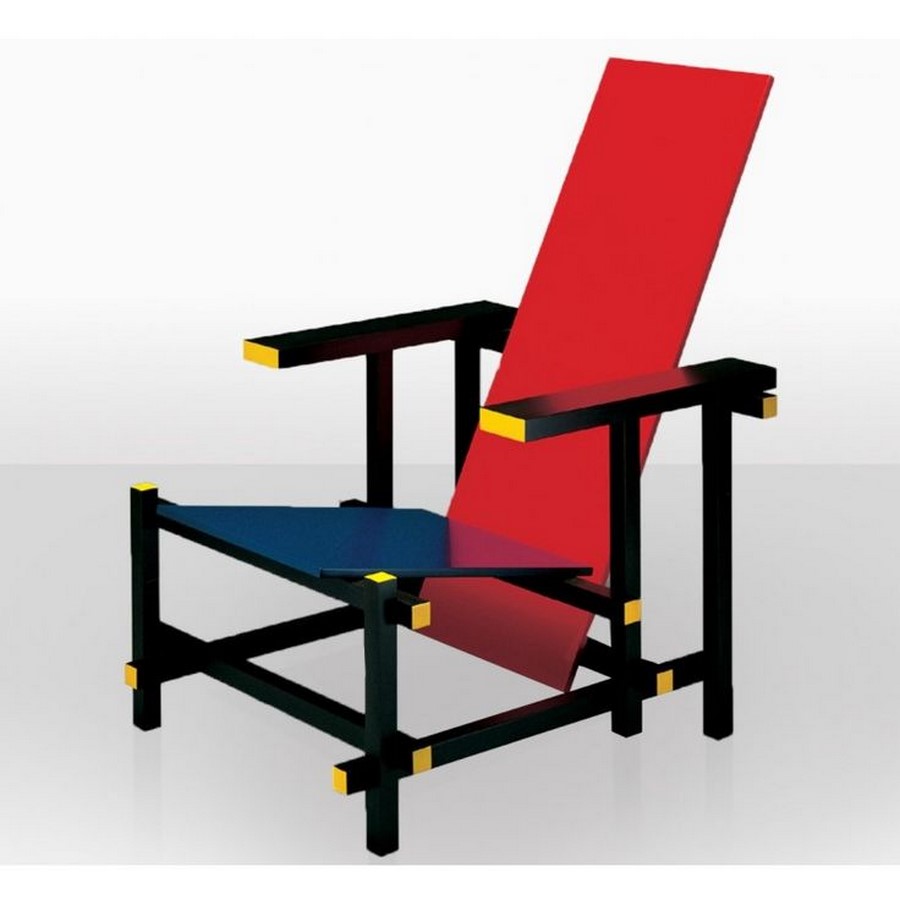
Established by Walter Gropius, this school sought to establish a new connection between human psychology and perspectives and materials, design, and industrial technology with visual elements or features. The pedagogy goes beyond the Bauhaus approach of fusing craft, art, and technology to address the broader, multidisciplinary context of design. Along with design and technology, other subjects like psychology, sociology, economics, politics, and other ways of thinking were also included.
In an effort to enhance students’ visual thinking skills, the product design department gradually expanded its specialisations to include information, industrialised buildings, visual communication, and filmmaking. Here, the goal was to give students the abilities that would support the coordination of the hand, eye, and brain to develop the process of creating and animating an image or vision in the brain. This image or vision would then be transferred to the design through applications that would enhance visible perception, visible language, and visible expression. Another goal was to support the student’s brain and expand their comprehension abilities while also enabling them to open up to new experiences. The major highlight of the Bauhaus pedagogy was to focus on experimenting with abstract forms.

Bridging Theory and Practice: The Ulm Model (Germany)
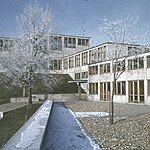
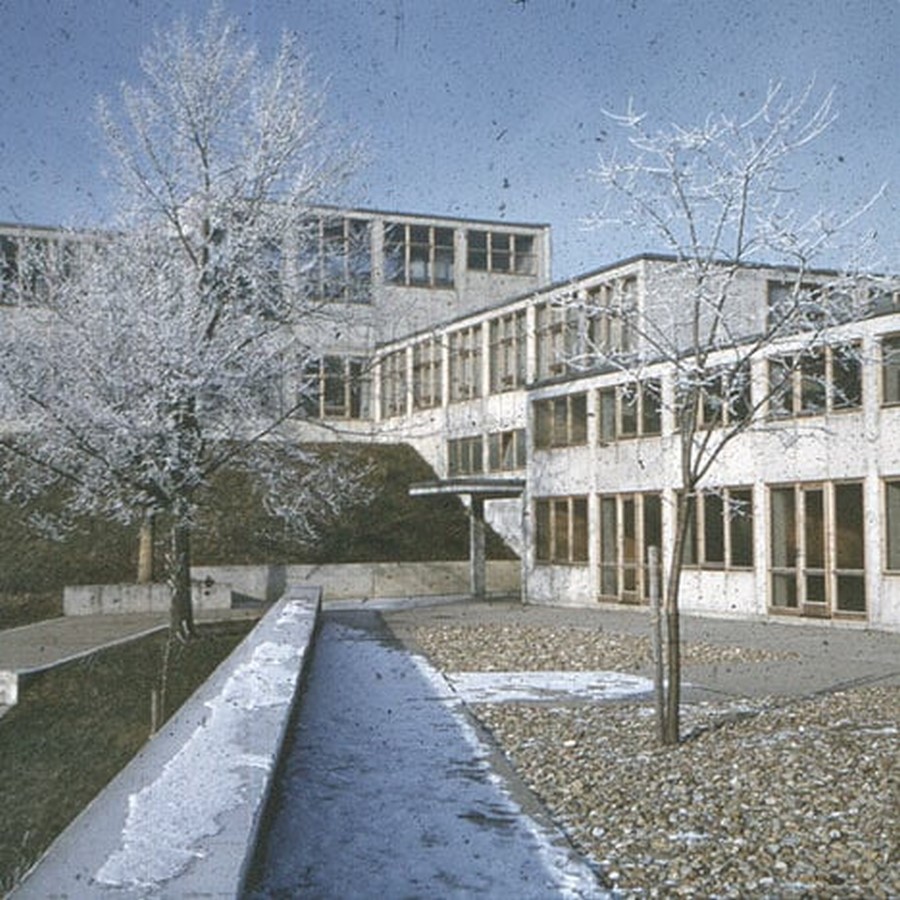
The Bauhaus closed its doors in 1933 as a result of pressure from the Nazis and the Second World War. The new industrial design school in Ulm, Germany, Volkshochschule Ulm, took its place. Max Bill founded the Hochschule für Gestaltung (HfG, or “School of Design”), which carried on the Bauhaus ideology after his departure in 1957. Science and society became the school’s primary areas of study after Tomás Maldonado changed its emphasis from visual arts and aesthetics. Thus, the “Ulm Model” was born. One of the pedagogical strategies was to establish public relations with businesses like Otl Aicher, which introduced design development models to close the knowledge gap between training and research.
Modernism’s Logic vs. Postmodernism’s Fluidity
Modernism
The curriculum was designed with modernism as its guiding philosophy and was functionally organised with distinct specialisations. The roots of modernism can be found in a predominantly industrial society that values in charge individuals who do not have much to say about what they are doing. Identifies four elements—goals, experiments, methods, and estimation—that together constitute such a curriculum and are arranged logically and sequentially. This means that there are issues surrounding this sample, even though it appears to have been well-planned and thought out. Furthermore, because it is a common sample, its simple quality limited its usefulness to covering a few unfavourable aspects of the curriculum development process.
Post Modernism
Many factors have been identified as contributing to the post-modernist curriculum. Design choices are influenced by a variety of fluid, emergent, chaotic, and other factors that modify the principles of unity and the capacity for prophecy. Modernists valued intelligence, quantifiable certainty, and efficiency; postmodernists, on the other hand, valued efficiency as well as emotions, problems, and doubts. This distinguishes postmodernism from modernism, which was monotonous, and positions it as interactive, fluid, and organic.
The design pedagogy places emphasis on improving the final design by providing a wealth of challenges, heuristics, and variety. Additionally, the classroom setting must enable students to investigate a range of options. In order to foster a culture of constructive dialogue between educators and students, the curriculum must be supported. Rather than attempting to explain everything, it ought to encourage interpretation and conversation. The curriculum needs to be designed with room for adaptation and change.
The teacher assigns each student a critique and feedback based on the design stage and solutions; a private mentor is assigned for this purpose. After discussing the criticism with their mentor, students either accept it or face it and work to make their projects better. Desk critique refers to the one-on-one feedback that occurs at the student’s desk. In front of all of their peers, teachers, and design reviewers, students present their work or design concept, stages of development, and outcomes at the jury of design events. Architects, designers, and additional studio professors in practice will serve as jury members. The students present models and drawings of their projects to the jury.
Guiding the Learning Journey: Pedagogical Strategies (Essa, 2017)
Today’s architectural education employs various methods to nurture young minds. Imagine a student receiving personalised feedback from their professor during a desk critique, discussing their design concept, and exploring potential improvements. Later, they present their final project to a panel of architects and designers in a jury, defending their choices and engaging in a lively conversation about their work. This individualised feedback and interactive learning ensure students hone their skills, learn from diverse perspectives, and develop the critical thinking necessary for a successful career.
This is just a glimpse into the fascinating history of architectural education. Each era has left its mark, shaping the way we design and build our world. By understanding these historical influences and pedagogical approaches, we can appreciate the diverse and evolving nature of this field and its continued impact on shaping our future.
History of Architectural Pedagogy in India: From Temples to Modernity (Prasad, 2016)
The temples created by artists and sculptors for the great kings of their kingdoms predate the introduction of formal architecture education in India and continue to serve as a source of inspiration. Research on vernacular architecture is still going strong in terms of regional building and design methods that were tailored to a specific location’s climate, making them more environmentally friendly even today. Modern architects such as Pattrick Geddes, Otto Koiensberger, Louis I. Kahn, Le Corbusier, and Sir Edwin Lutyens had an impact in India after the British introduced formal education pedagogy. Notable architects like B. V. Doshi, Charles Correa, Raj Rewal, and Achyut Kanvinde were among those who adopted modernist principles in the Indian context.
Contemporary Architecture Education in India
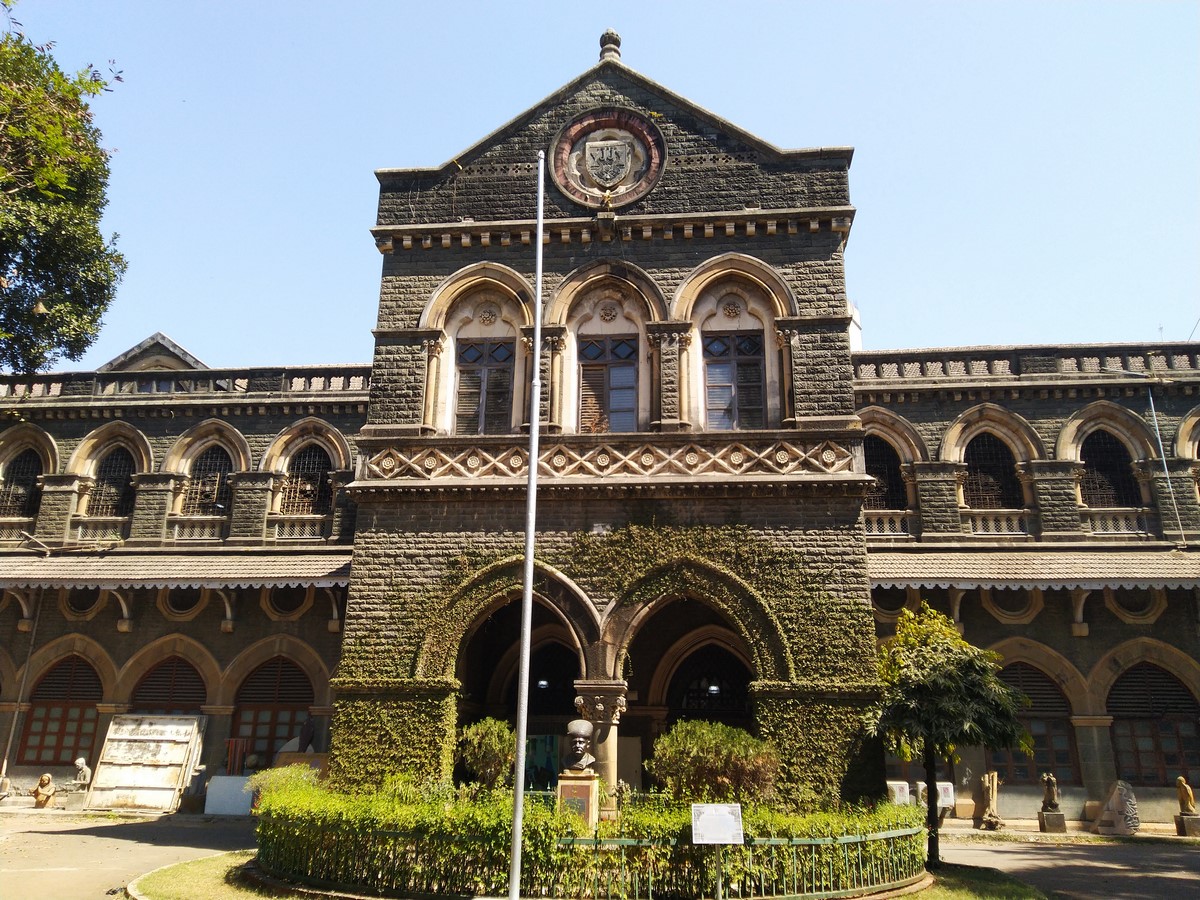
The J.J.School of Art in India opened its doors to formal architecture education in 1913, with a focus on the design and construction phases of the profession.
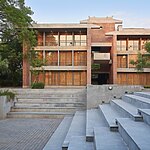
B.V. Doshi established CEPT University with the goal of teaching students the four building principles of the “Ecole des Beaux Arts” pedagogy in addition to vernacular construction technologies under the guidance of local craftsmen or artisans. It is possible to observe the fruitful collaboration between educators and students from the world’s best architecture schools, which fosters idea sharing and broadens one’s architectural perspective. The Indian Institutes of Technology have a well-developed system for coordinating such efforts.
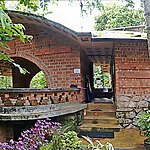
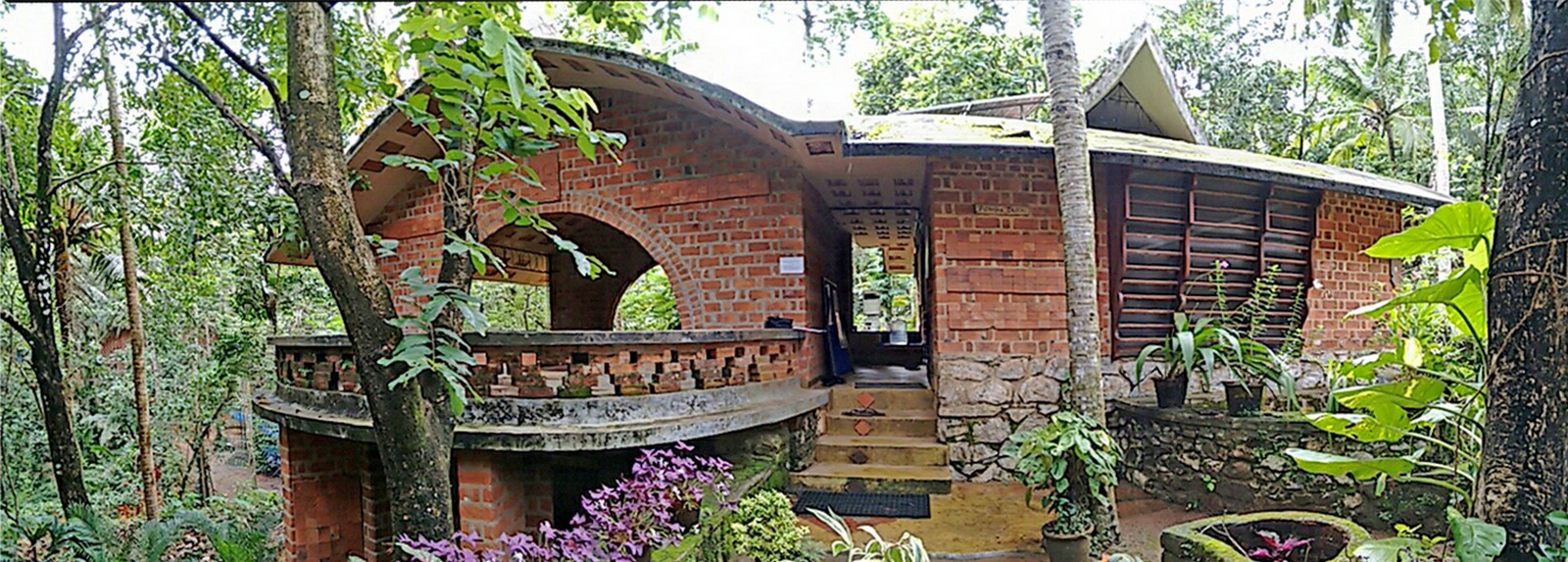
Vernacular building technologies and designs are now taught in colleges as part of the curriculum. In addition to colleges, a vast array of regional research institutes conduct research and regularly host workshops, conferences, and training centres for practitioners, instructors, and students. The majority of these institutes’ research focuses on issues related to building design and vernacular building technology. The NIY ASA, the Auroville Earth Institute, the Charles Correa Foundation, the Laurie Baker Foundation, and other organisations are a few of the names.

Architecture Pedagogy: Adapting to Technological Changes (Prasad, 2016)
Technology has played a pivotal role in architecture education, keeping the focus of the core subject, i.e., design, the same. A lot of research is being done on new pedagogical approaches to design education. One such approach is design-build, which allows one to use new technologies while also modelling them for the Indian context.
Design-build is a professional practice pedagogical model that is currently popular throughout the world because of its comprehension of contextual sensitivity. The design and construction team is what binds the various versions that are available globally, from adobe construction to 3D-printed and assembled parts. The main concerns in Indian architecture education, which is trending towards privatisation, are contextualization and BIM, as was previously mentioned. The design-build education model can be integrated with BIM in a variety of settings, ranging from futuristic or fully urban projects to vernacular architecture. Although there is already a professional model for design-build in the region, one for the urban context has not yet been created. This pedagogical model will help the students become both technologically proficient and contextually grounded.
Conclusion
The studio serves as both the primary teaching medium for architectural design education and the hub for student-teacher dialogue, or critique as it is more widely known. It is our duty to inform and educate people about their everyday surroundings. How it is set up, what can be inferred from historical and modern data, how to draw comparisons between examples, how it adapts to changing conditions and changes in habitation over time, and other topics. You could not trust a medical doctor who has no knowledge about the human body. A common-sense understanding of the environment is needed to validate our line of work. Design is an innovative discipline whose central activity is the production of something fresh and original.
References:
- Essa, H. (2017). Developing a Proposal for a Non-Traditional Pedagogical Approach to Architectural Design Education. Masters Level. Near East University
- Fidanci, E. (2023, June 30). The Future Role of Architectural Education. Illustratearch, [online]. Retrieved From: https://illustrarch.com/articles/16644-the-future-role-of-architectural-education.html#:~:text=Architectural%20education%20plays%20a%20pivotal,a%20comprehensive%20and%20specialized%20education.
- Wozniak, M. (2016, April 19). How to Improve Architectural Education: Learning (and Unlearning) From the Beaux Arts Method. Archdaily, [Online]. Retrieved From: https://www.archdaily.com/785820/how-to-improve-architectural-education-learning-and-unlearning-from-the-beaux-arts-method
- Prasad, V. (2016). Investigating the Contemporary Architecture Education Challenges in India. World Academy of Science, Engineering, and Technology International Journal of Educational and Pedagogical Sciences, Vol. 10 (3), pp. 1055–1058. Available at: https://www.researchgate.net/publication/360996593_Investigating-the-Contemporary-Architecture-Education-Challenges-in-India
Image References:
- 1_Bauhaus Movement [Photograph]_Farrell, J (2019)
- 2_Ulm School of Design. [Photograph]_Dezeen (2000)
- 3_Modern Chair [Photograph]_HansHolt (2010)
- 4_Guggenheim Museum Bilbao in Spain [Photograph]_Solly, M (2019)
- 5_CEPT University [Photograph]_CCBA Designs (2022)
- 6_JJ School of Art [Photograph]_Wikipedia (2023)
- 7_Laurie Bakers Centre [Photograph]_ Laurie Bakers Centre (2012)