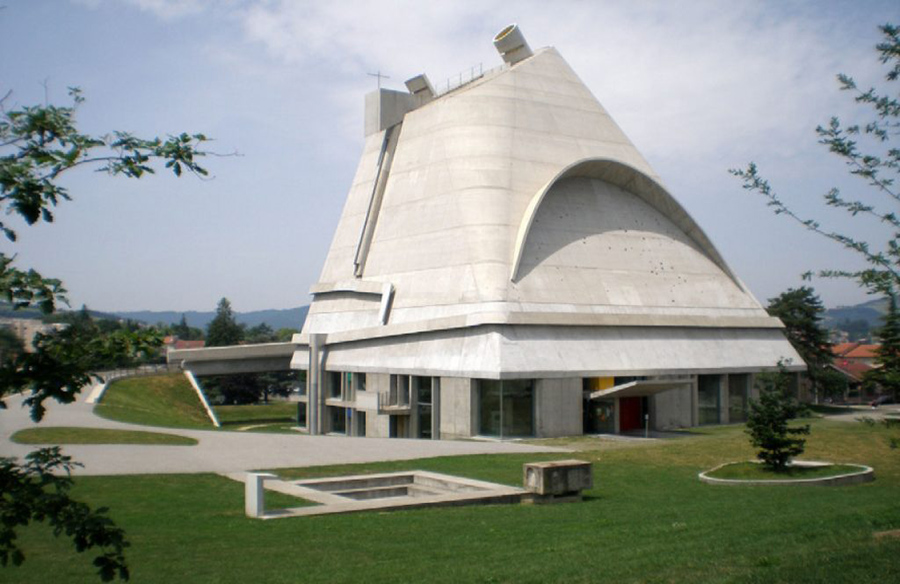
Le Corbusier’s Saint-Pierre – Best Projects of Le Corbusier
Le Corbusier’s indomitable influence on modern architecture is epitomized in the design of Saint-Pierre, a project that reflects his avant-garde approach and commitment to redefining spatial experiences. This article meticulously explores the historical context, architectural innovations, and enduring significance of Saint-Pierre, underscoring Le Corbusier’s profound impact on the architectural landscape.
Historical Context
A Visionary Response to Urban Challenges
Commissioned in the mid-20th century, Saint-Pierre was conceived as a response to the pressing urban challenges of its time. Le Corbusier, renowned for his visionary perspective on urban planning, envisioned Saint-Pierre as a model that harmonizes residential living with functional efficiency.
Architectural Innovations
1. Modular Living: The Essence of Unité d’Habitation
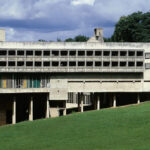
Saint-Pierre embraces the principles of Unité d’Habitation, Le Corbusier’s innovative housing concept. The project incorporates modular living spaces that prioritize functionality and efficiency. The modular units, characterized by standardized elements, offer residents a flexible and adaptable living environment, showcasing Le Corbusier’s commitment to the evolution of modern living.
2. Pilotis and Raised Ground Floor
True to Le Corbusier’s Five Points of Architecture, Saint-Pierre features pilotis, or slender columns, elevating the main living spaces. The raised ground floor allows for a seamless integration of communal and recreational areas beneath the residential units. This design choice not only optimizes space utilization but also enhances the visual and spatial dynamics of the entire structure.
3. Terrace Gardens: Nature in Urban Living
Le Corbusier’s emphasis on integrating nature into urban living is evident in Saint-Pierre’s terrace gardens. Each residential unit boasts a private terrace, providing residents with a personal outdoor space. This innovative incorporation of greenery into the urban fabric aligns with Le Corbusier’s belief that nature plays a vital role in enhancing the quality of life.
Enduring Significance
1. Influence on Modern Housing
Saint-Pierre’s enduring significance lies in its influence on modern housing design. The project set a precedent for the integration of modular living, communal spaces, and green elements within urban environments. Le Corbusier’s vision continues to inspire architects and urban planners seeking sustainable and people-centric housing solutions.
2. Residential Community Legacy
Beyond its architectural acclaim, Saint-Pierre has established a legacy as a vibrant residential community. The integration of communal facilities, educational spaces, and recreational areas fosters a sense of community among residents. The project stands as a testament to Le Corbusier’s belief in architecture’s power to shape social interactions and community life.
Statistical Insights
1. Residential Unit Configurations
Saint-Pierre comprises a variety of residential unit configurations, ranging from one-bedroom apartments to larger family units. This diversity in housing options caters to a wide demographic, reflecting Le Corbusier’s inclusive approach to urban living.
2. Communal Facilities
The project incorporates communal facilities such as recreational areas, educational spaces, and communal gardens. These shared spaces contribute to the sense of community and encourage social interactions among residents.
Visiting Saint-Pierre
An Architectural Pilgrimage
For architecture enthusiasts and urban planners, visiting Saint-Pierre offers a firsthand experience of Le Corbusier’s vision for modern living. Guided tours provide insights into the design philosophy, spatial innovations, and the enduring legacy that makes Saint-Pierre a landmark in modern urban architecture.
Conclusion
In conclusion, Saint-Pierre exemplifies Le Corbusier’s transformative approach to urban living. As we reflect on this architectural gem, it becomes clear that Saint-Pierre is not just a residential complex; it is a living testament to the enduring impact of Le Corbusier’s architectural philosophy on shaping the way we inhabit and experience urban spaces.