Le Corbusier’s Sainte Marie de la Tourette – Best Projects of Le Corbusier
Le Corbusier’s architectural mastery finds a unique expression in the Sainte Marie de la Tourette, a modernist masterpiece that transcends conventional design norms. This article delves into the profound historical context, architectural innovations, and enduring significance of Sainte Marie de la Tourette, showcasing Le Corbusier’s unparalleled contribution to the world of architecture.
Historical Context
A Spiritual Haven in Modernity
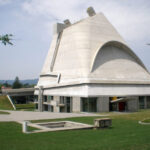
Constructed between 1956 and 1960, Sainte Marie de la Tourette is situated near Lyon, France, and serves as a Dominican priory. Le Corbusier’s vision for this architectural marvel was to create a space where modernist design seamlessly coexists with the spiritual and contemplative atmosphere of a monastery.
Architectural Innovations
1. Brutalist Aesthetic: Celebrating Raw Form
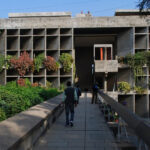
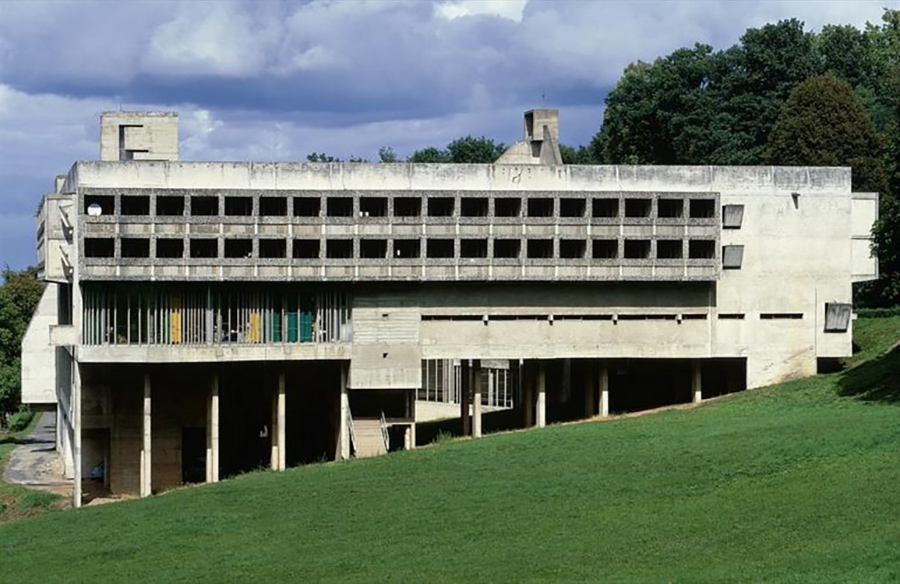
Sainte Marie de la Tourette stands as an exemplar of Brutalist architecture, a movement that embraces raw, exposed concrete as a primary design element. Le Corbusier’s use of concrete not only defines the building’s external appearance but also contributes to its structural integrity. The raw, honest expression of materials aligns with the Brutalist ethos of celebrating the essence of construction.
2. Modular Grid: Harmony in Design
A recurring theme in Le Corbusier’s work, the modular grid is prominently featured in Sainte Marie de la Tourette. The building’s layout is organized around a carefully planned grid, emphasizing proportion and order. This modular approach not only adds to the visual appeal of the structure but also reflects Le Corbusier’s commitment to a rational and harmonious design.
1. Integration of Nature: Light and Landscape
Le Corbusier recognized the importance of nature in enhancing the spiritual experience within Sainte Marie de la Tourette. Large windows and openings strategically placed throughout the building allow natural light to flood the interiors. The integration of landscape and architecture creates a dialogue between the built environment and the surrounding nature, fostering a sense of serenity.
Enduring Significance
1. UNESCO World Heritage Site
In 2016, Sainte Marie de la Tourette, along with other works by Le Corbusier, received the prestigious designation of a UNESCO World Heritage site. This recognition underscores the global significance of the priory as a cultural treasure and a testament to Le Corbusier’s enduring legacy.
2. Spiritual Retreat and Study Center
Functioning as both a spiritual retreat for the Dominican friars and a study center, Sainte Marie de la Tourette continues to fulfill its dual purpose. The building’s design promotes contemplation, offering a serene environment for prayer and reflection, while also serving as an educational space for those interested in modernist architecture.
Statistical Insights
1. Dimensions and Layout
Sainte Marie de la Tourette spans an area of approximately 17,000 square meters, encompassing living quarters, a church, a library, and communal spaces. The layout is carefully organized to balance the functional needs of a priory with the contemplative and communal aspects of monastic life.
2. Concrete Usage
Le Corbusier utilized over 11,000 cubic meters of concrete in the construction of Sainte Marie de la Tourette. The extensive use of concrete not only defines the building’s aesthetic but also contributes to its thermal mass, helping regulate the interior climate and reducing the need for additional heating.
Visiting Sainte Marie de la Tourette
A Spiritual and Architectural Pilgrimage
For architecture enthusiasts, students, and those seeking spiritual solace, visiting Sainte Marie de la Tourette offers a unique pilgrimage. Guided tours provide insights into the design philosophy, spatial innovations, and the dual functionality that makes this priory a remarkable intersection of modern architecture and spirituality.
Conclusion
In conclusion, Sainte Marie de la Tourette stands as a profound testament to Le Corbusier’s ability to merge the spiritual and the modern. As we reflect on this architectural marvel near Lyon, it becomes evident that the priory is not merely a building; it is a living synthesis of form, function, and spirituality, continuing to inspire generations of architects and seekers.