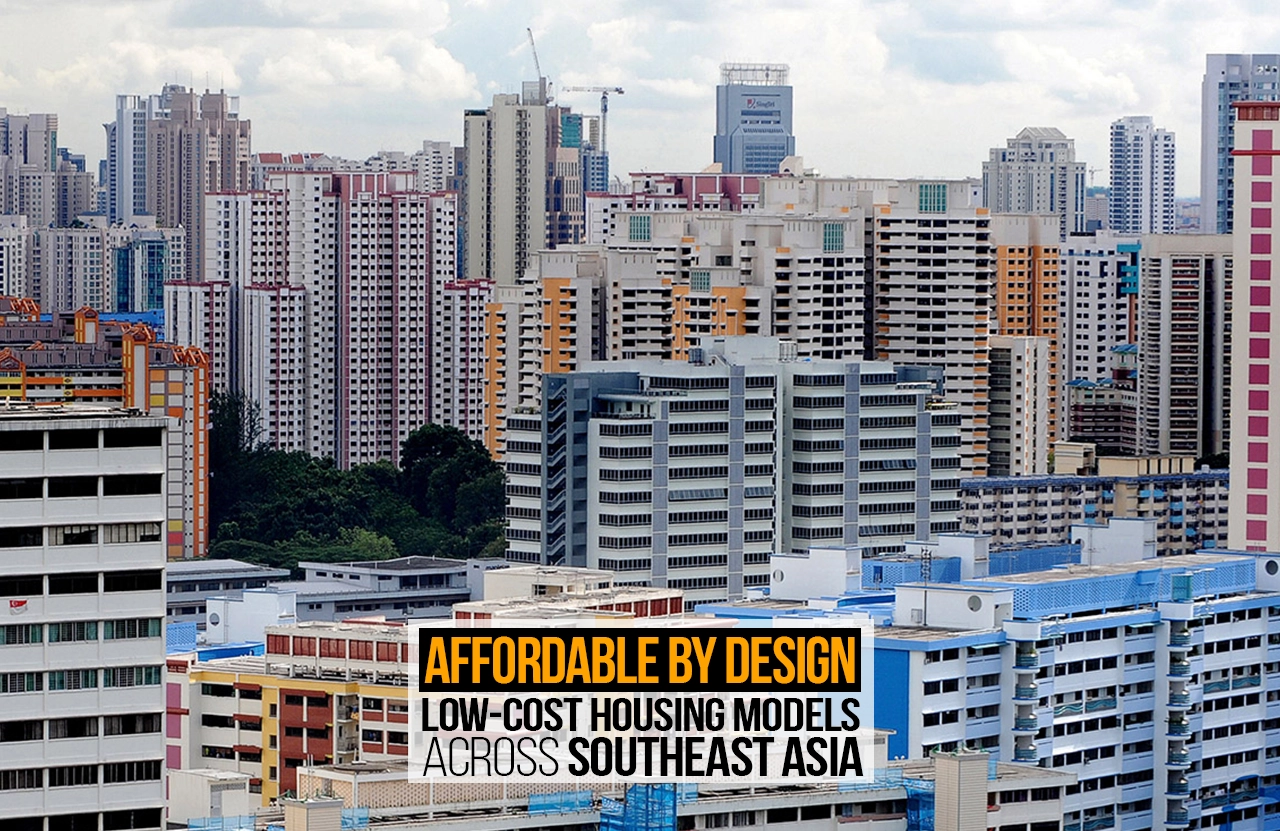
One of the most crucial human needs is a house to dwell in, with a roof on top and walls to enclose a family for proper living. Yet it’s expensive. Rapid urbanization brings the challenge of providing quality, low-cost housing. Like the rest of the world, Southeast Asia has an estimated total population of around 705 million people in 2026, with an annual population growth rate of 0.67%, according to Worldometer and World Population Review. Migration from rural to urban areas due to the attraction of primary hubs such as Jakarta, Manila, Bangkok, and Ho Chi Minh City has escalated real estate prices and informal settlement expansion; because of low household incomes, affordable housing is the need of the hour, and hence these countries are developing ways to counter the problem.
Ways to Make Housing Affordable
Using local, vernacular materials, design techniques, a good policy framework, and community-driven architectural strategies make low-cost housing models accessible across the region. With planned development policies and design strategies, one can understand the framework these Southeast Asian countries are following.
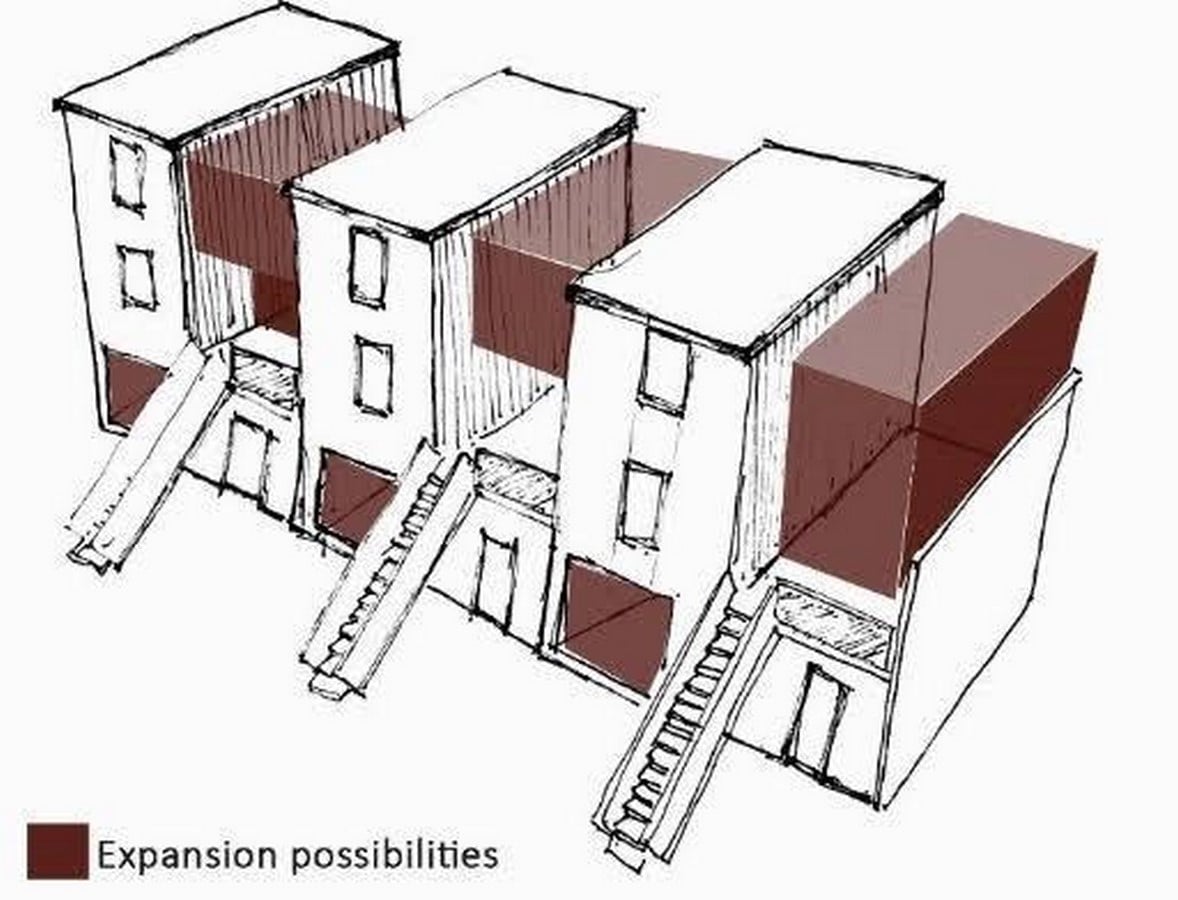
Incremental Housing
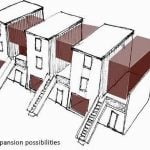
This type of housing consists of a “Half-a-house” design that allows residents to expand their homes over time as per their financial resources. The architects get to design the core of the house, including the foundation and the roof. Residents then complete the inner structure and expansions as their resources allow.
Passive Design Strategies
To reduce energy consumption and high electricity bills, designs integrate high ceilings, deep overhangs, cool, porous materials, and big windows that reduce long term operational costs for occupants.
Flexible & Micro-Layouts:
Units are planned around multi-functional spaces, allowing living areas to double as home offices, informal shopfronts (sari-sari stores or warungs), or sleeping quarters for extended family members.
Material Efficiency
For affordable housing, expensive and imported materials are replaced with cheap, local, and circular or recycled alternatives. For example, if bamboo is available near the housing project, the overall cost of the project decreases, increasing the tensile strength. Recycling plastic or agricultural wastes or utilizing fly ash are smart ways to repurpose them as a building material.
Policy, Finance, and Community Integration
For successful regional models, good policy, finances, and community involvement are necessary. Programs like Thailand’s Baan Mankong channel subsidies directly to community-managed funds, allowing residents to collectively purchase land and commission local infrastructure upgrades. Public-Private Partnerships (PPPs) are one of the ways through which government supports its people. Governments incentivize private developers to build low-cost units through density bonuses, tax concessions, or securing land tenure through legal protection and land-use certificates.
Successful Regional Models
Examining specific country initiatives highlights how different nations operationalize design, policy, and community organization at scale:
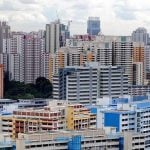
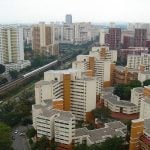
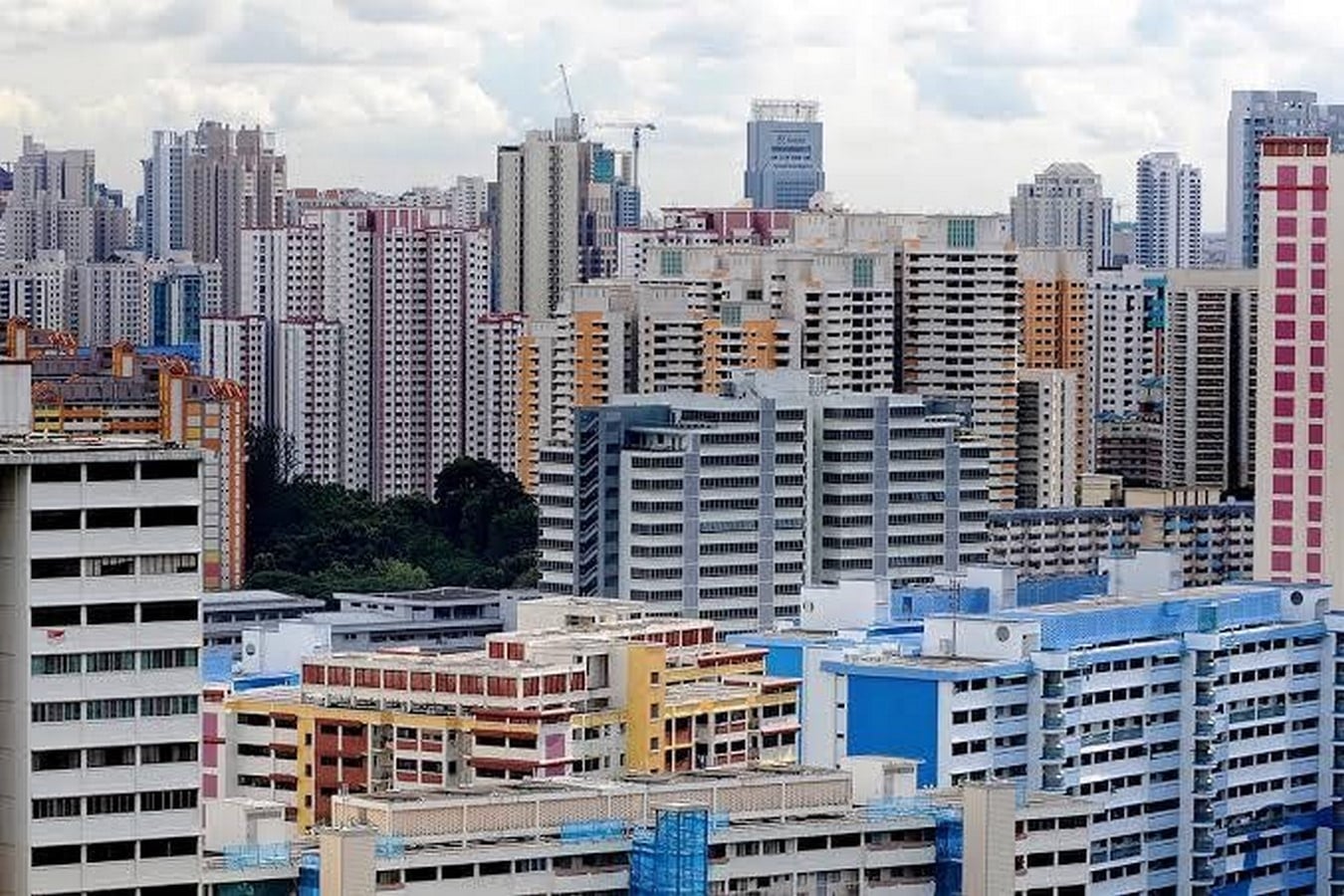
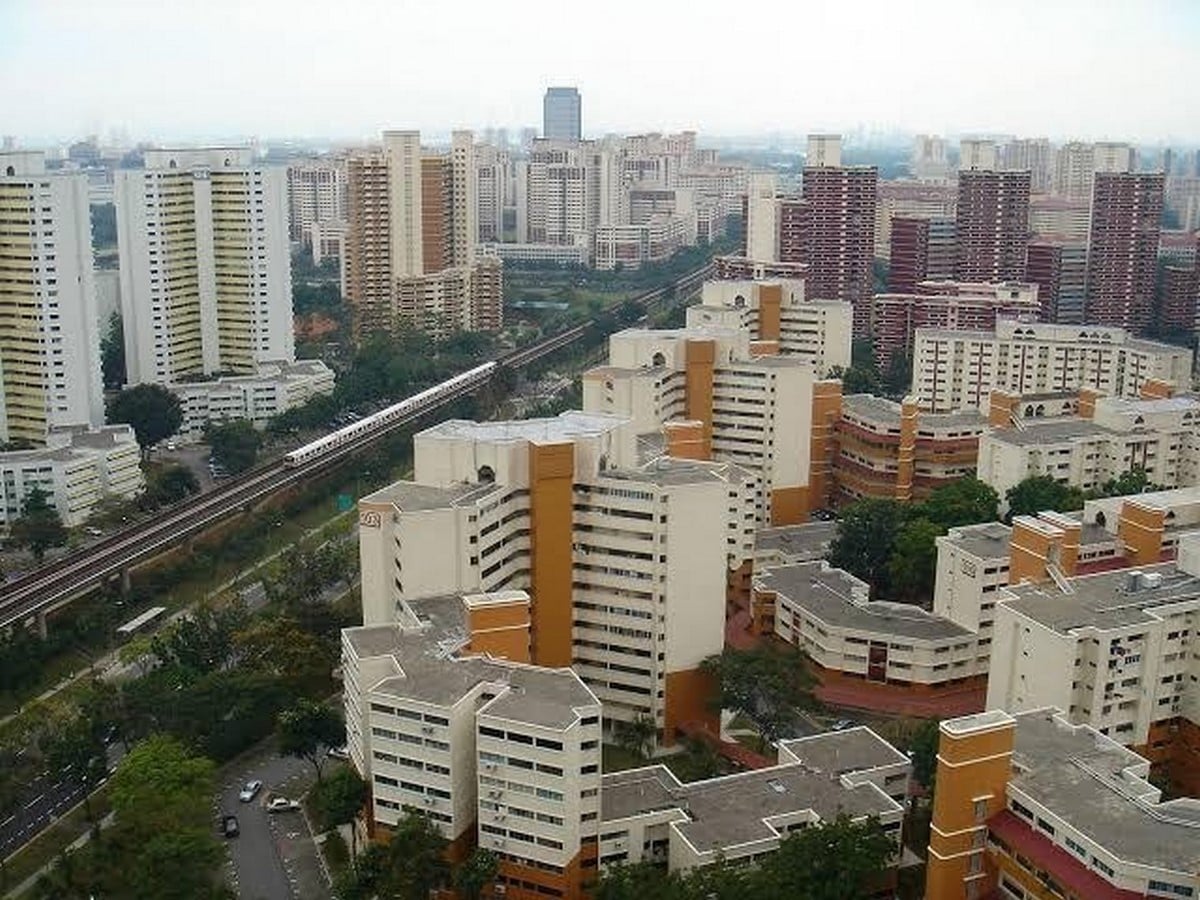
Singapore (State-Led Master Planning & HDB): This is the region’s premier public housing benchmark. Through the Housing & Development Board (HDB), over 80% of Singapore’s resident population lives in high-density, high-rise public flats. By coupling state land assembly with subsidised long-term leases and social mixing quotas, Singapore created a scalable model that treats public housing as both essential shelter and an appreciating family asset.
Thailand (Community-Driven Upgrading via Baan Mankong): The Baan Mankong (“Secure Housing”) program is led by the Community Organizations Development Institute (CODI). It consists of state subsidies and low-interest loans that are directly used by community cooperatives rather than private developers. Slum dwellers map their own settlements, negotiate land tenure or collective leases, and design their own housing upgrades. It is proof that community-managed infrastructure yields higher long-term retention and lower costs.
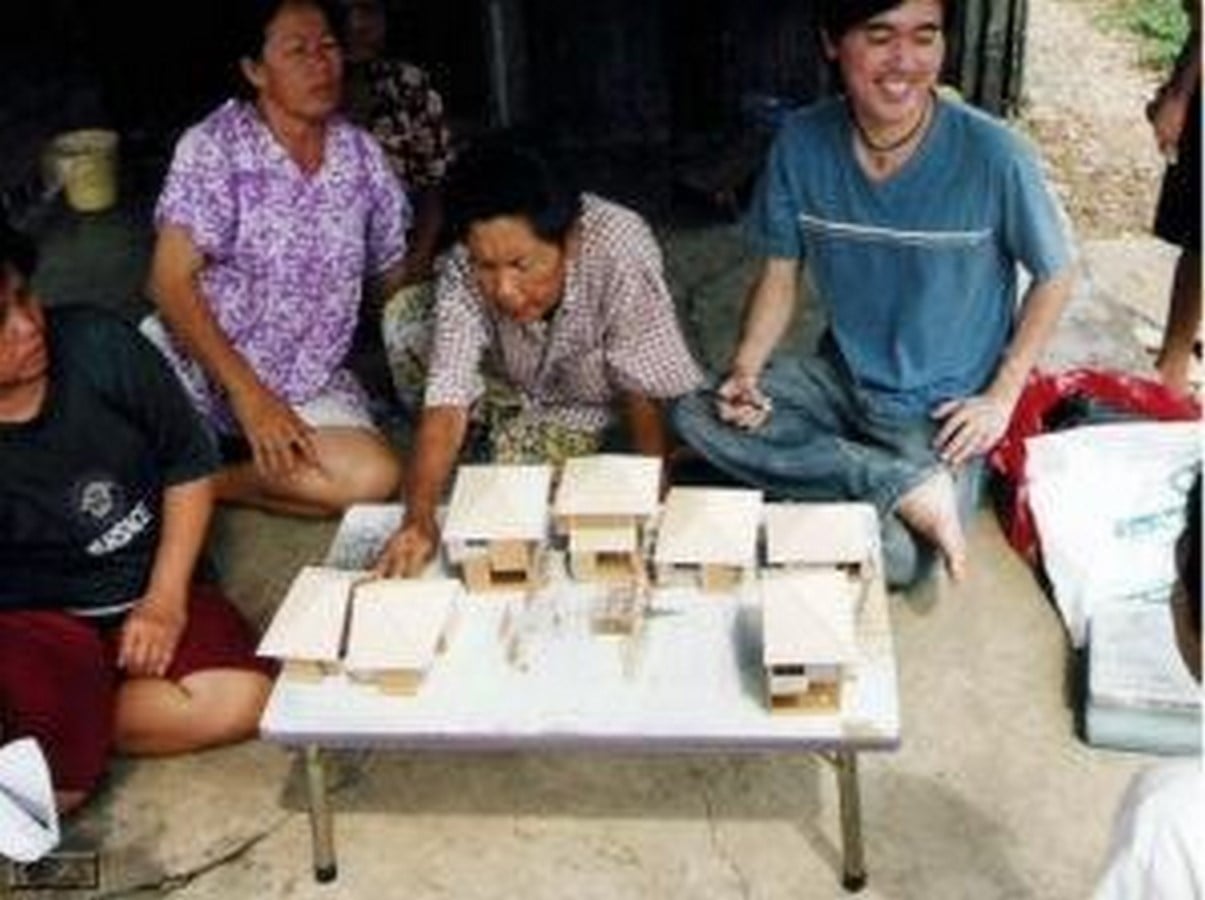
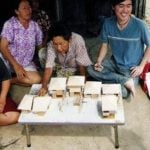
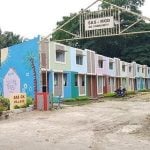
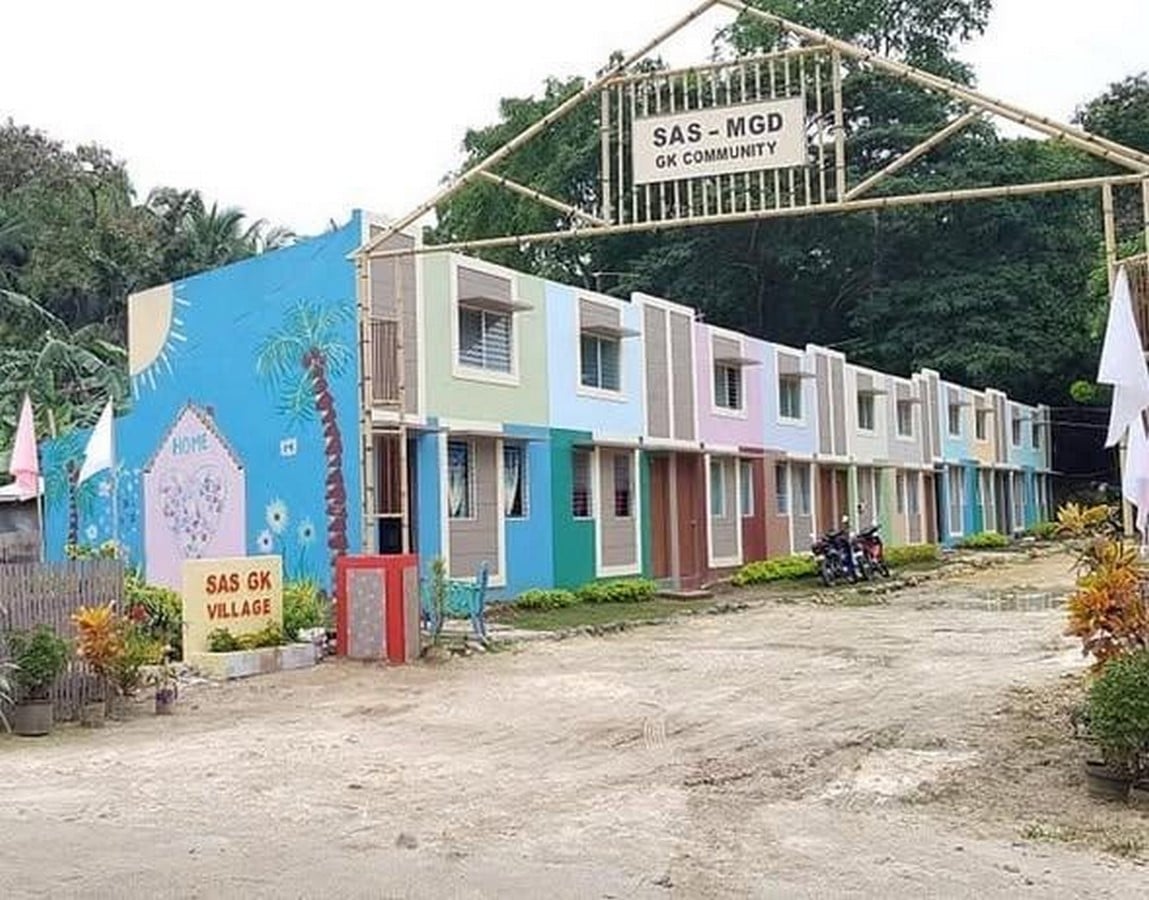
The Philippines (Public-Private Alliances & Gawad Kalinga): The Philippines tackles high vulnerability to natural disasters and dense informal settlements by blending government mandate with civil society. Organizations like Gawad Kalinga (GK) leverage donated land, sweat-equity construction (where future homeowners build together), and corporate sponsorships to produce low-cost, resilient neighborhood units paired with social programs.
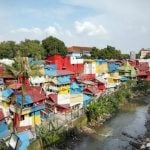
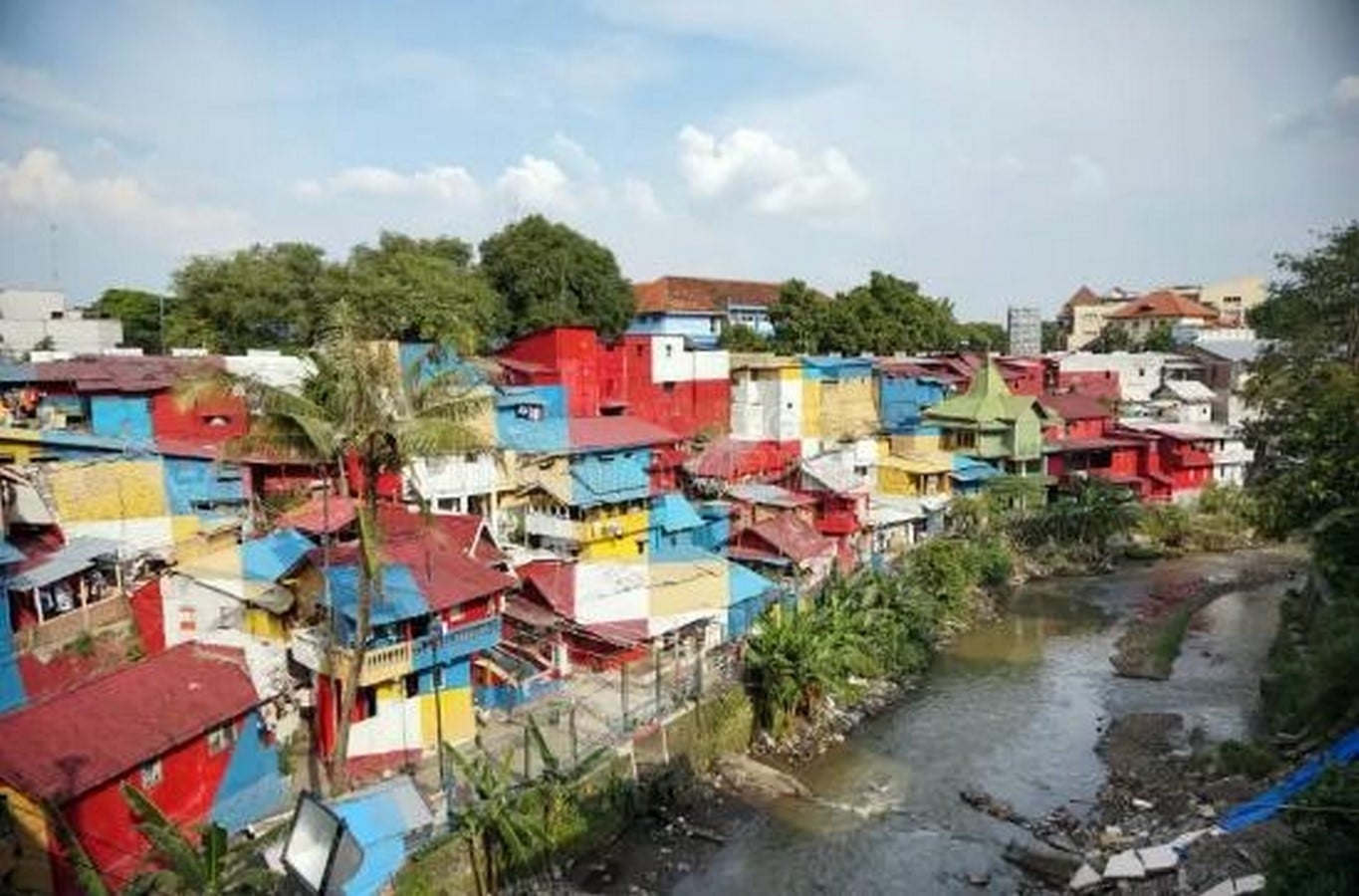
Indonesia & Vietnam (Incremental Infill & Kampung Upgrading): Rather than clearing historic urban informal settlements (kampungs or dense urban alleys), models in Jakarta and Ho Chi Minh City focus on urban micro-interventions. Governments and local architects introduce modular micro-infrastructure that consists of drainage, fire breaks, and elevated walkways, allowing residents to incrementally rebuild their homes upward using light-gauge steel and local materials without displacing established micro-economies.
Key Takeaways from the Case Studies:
The growth of the human population is inevitable in places with good resources. A country needs a well-planned policy, housing projects and partnership between the government and its people. Smart usage of land and material resources is also crucial so that the country doesn’t run out of or exhaust them. Upcycling waste to use it wisely for the construction of urban projects. Community involvement in such projects is the key to successful projects. Using the wisdom of locals and keeping them engaged in their own dwelling and growth is much more important than providing them ready-made, industrial, and bland societies with zero participation and engagement.
Future Challenges:
With the growing age comes the risk of land scarcity in core urban areas, climate change such as flooding and cyclones that are completely washing away people’s houses, and policy enforcement delays or poor policy and future planning of an area. For that, smart cities need to be developed with future planning, climate-resilient floating or amphibious housing near coastal or riverine areas, and scalable cross-border knowledge exchange.
References:
Habaradas, R. B. (2013) ‘Corporate social initiatives in the Philippines: Experiences of four major corporations’, Journal of Legal, Ethical and Regulatory Issues, 16(2), pp. 1–18.
Global Alliance against Hunger and Poverty (2024) Thailand: Baan Mankong (Secure Housing) Programme. Available at: https://globalallianceagainsthungerandpoverty.org/country-example/thailand-baan-mankong-secure-housing-programme/ (Accessed: 13 September 2026).
Lin, J. (2024) Affordability in the lion city: is Singapore’s public housing model built to last?, Jom, 9 February. Available at: https://www.jom.media/affordability-in-the-lion-city-is-singapores-public-housing-model-built-to-last/ (Accessed: 13 September 2026).
Norford, E. and Virsilas, T. (2016) What Can We Learn from Thailand’s Inclusive Approach to Upgrading Informal Settlements?, World Resources Institute. Available at: https://www.wri.org/insights/what-can-we-learn-thailands-inclusive-approach-upgrading-informal-settlements (Accessed: 13 September 2026).
Roitman, S. and Rukmana, D. (eds) (2023) Routledge Handbook of Urban Indonesia. London: Routledge.
Sivam, A. and Karuppannan, S. (2020) ‘Low-cost housing design and incremental building strategies in developing Asian cities’, Journal of Urban Design and International Planning, 25(3), pp. 112–129.
Tran, H. A. (2015) ‘Urban housing dynamics and self-help upgrading in Hanoi, Vietnam’, Habitat International, 49, pp. 240–248.
Villanueva, P. A. G. and Salazar, J. N. P. (2015) ‘Patronage politics and clientelism in housing welfare: The case of Gawad Kalinga (GK) villages in Parañaque City, the Philippines’, Philippine Political Science Journal, 36(2), pp. 142–165.
World Population Review (2026) Southeast Asia Population 2026. Available at: https://worldpopulationreview.com/continents/southeast-asia (Accessed: 13 September 2026).
Worldometer (2026) Population of South-Eastern Asia (2026). Available at: https://www.worldometers.info/world-population/south-eastern-asia-population/ (Accessed: 13 September 2026).