Community Involvement in Designing a Future
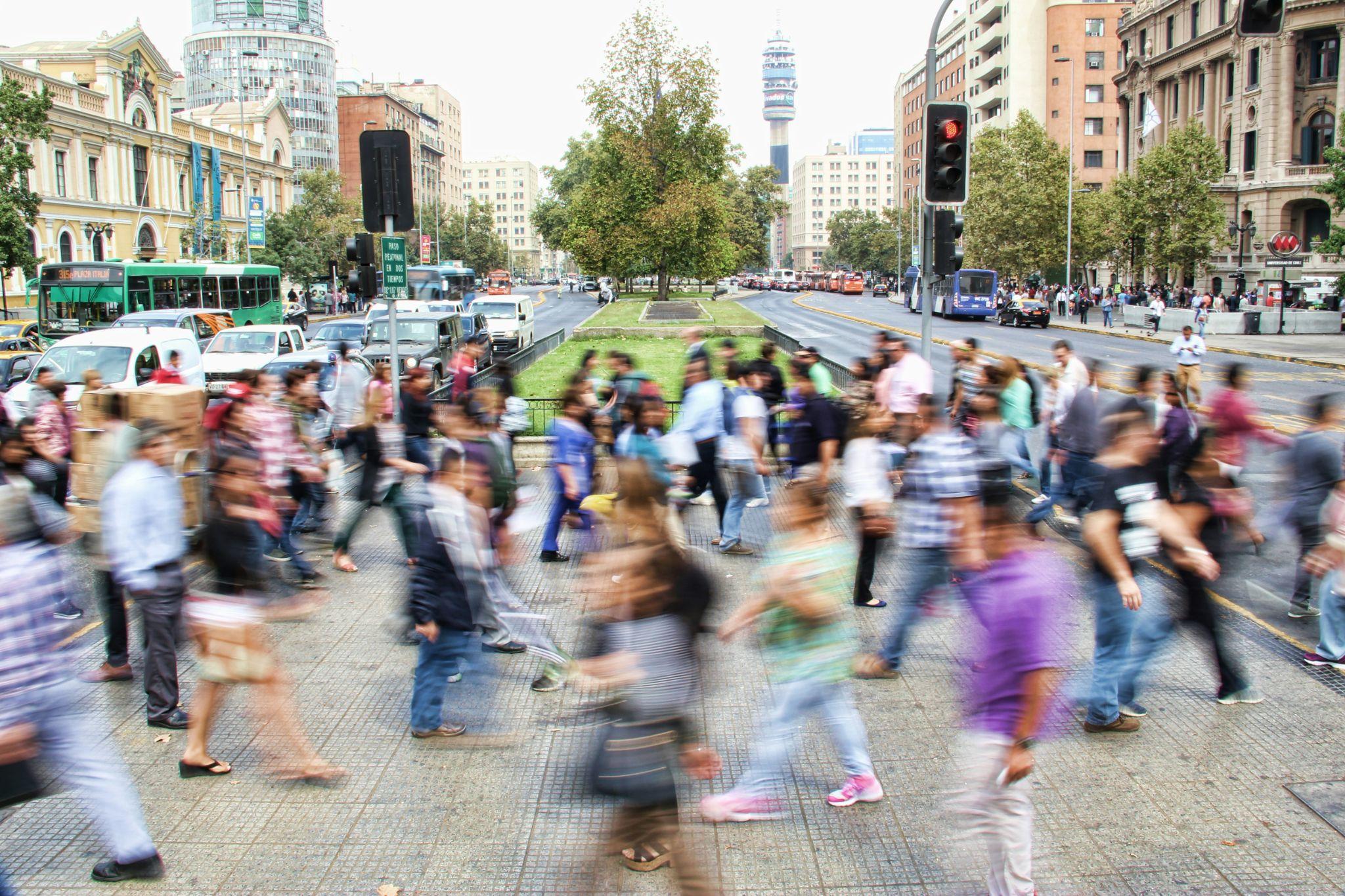
Talking about design is often associated only with the designer and their studio, associated with the grand plan of these ideas, but in reality …. The very best, most worn-in, and most-loved buildings aren’t designed by governments or architects alone. They are co-designed: designed by the very people who give a building its life, day in and day out.
And in an honest sense, that’s where design is strongest. Because it’s not a building, or a street, or a park. It’s a series of stories depicting people, places, and identity.
Trying to understand this concept of connection between communities and design can get philosophical, but to truly understand the advantages, disadvantages, and the direction in which communities are driving the future of design can only be understood through live examples, as follows;
How communities are engaging with design, Medellín, Colombia
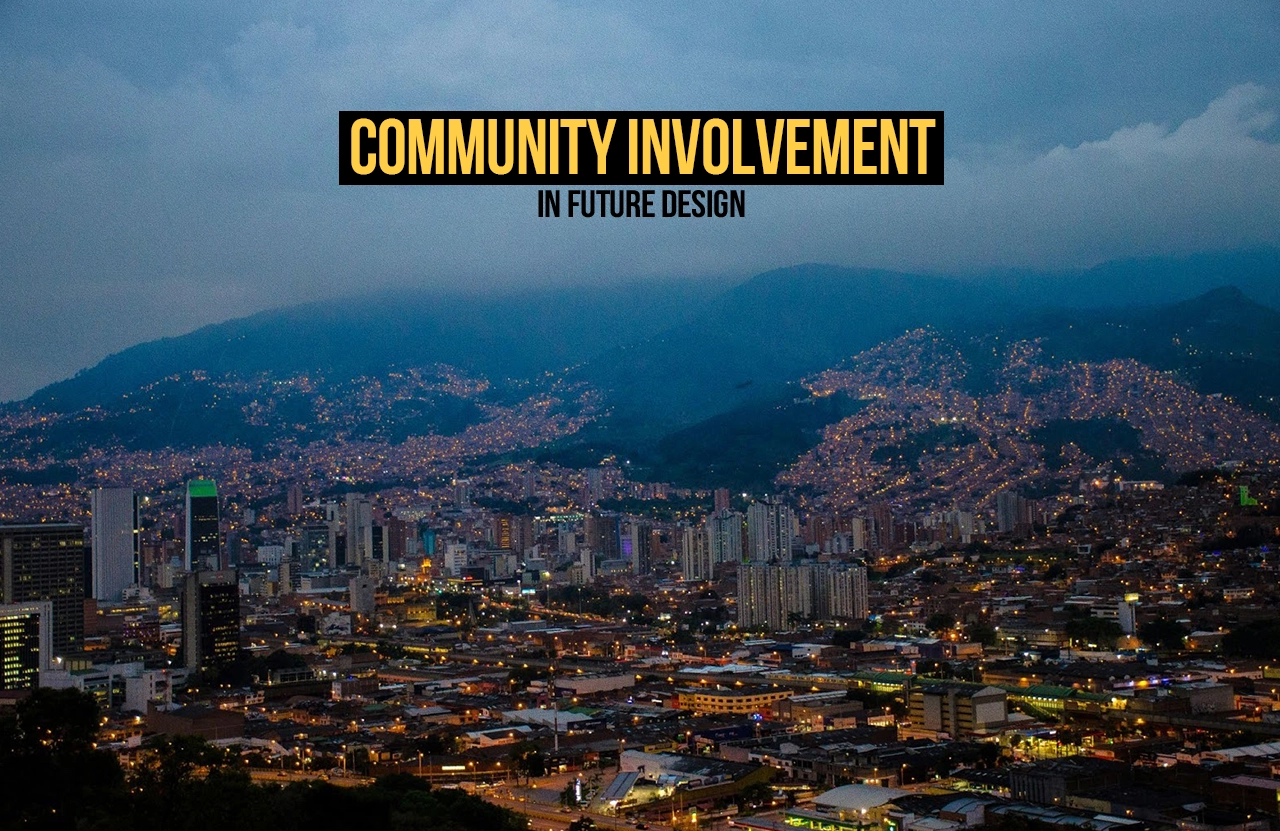
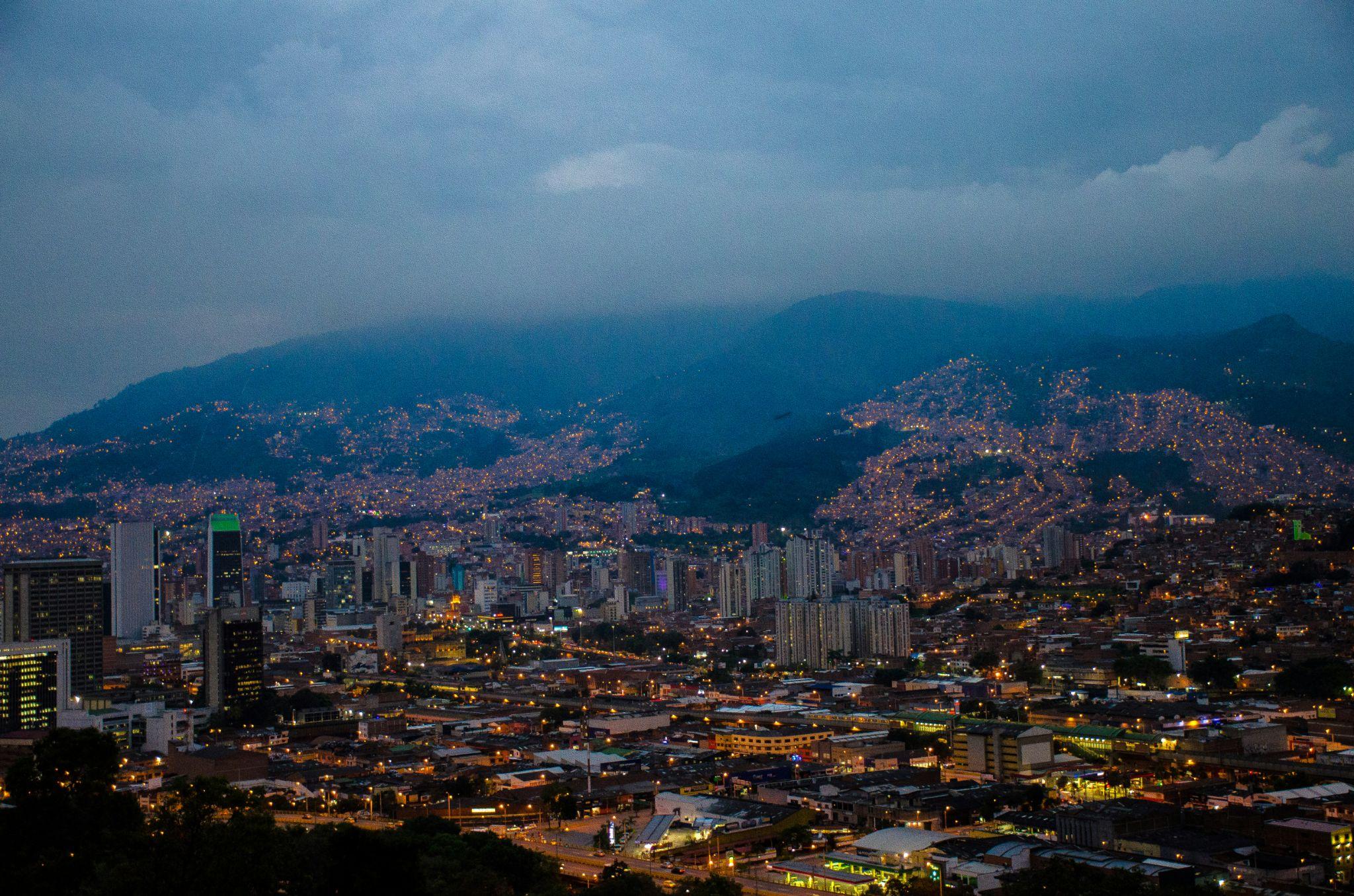
Medellin in the year 1990 is one of the best examples in an urban setting to analyse how the entire perception of the city has been changed in terms of design and policy. Medellin had reached a statement where it made headlines worldwide for being the most unsafe city due to the heavy influence of violence, drugs, and crime. But the true citizens of this city just wanted a better quality of life, where mothers wanted safer streets for their kids. Students wanted a safe space to learn and grow rather than being exposed to crime corners.
This asked for a relook at the urban scape fix Medellin, this did not start with a renowned firm being involved or grand announcements and promises, it started with a simple question being asked directly to the citizens, what is your requirement ? And they said — space, access to education, safety. The result? It was a basic requirement of creating neighbourhoods of safe library parks.
These dramatic, new structures emerged in neighborhoods most foreigners would have avoided. Every neighbourhood library park has cultural centers, which enable residents to learn from various programs, socialize with fellow citizens, and eat completely safely and comfortably. But this is not just a design of a locality as a grand urban transformation; it was basic safety and dignity that lit up the design brief. And it was successful because it was not dictated from on high — it emerged from the grassroots, from Medellín itself.
The upside of involvement: The High Line, New York
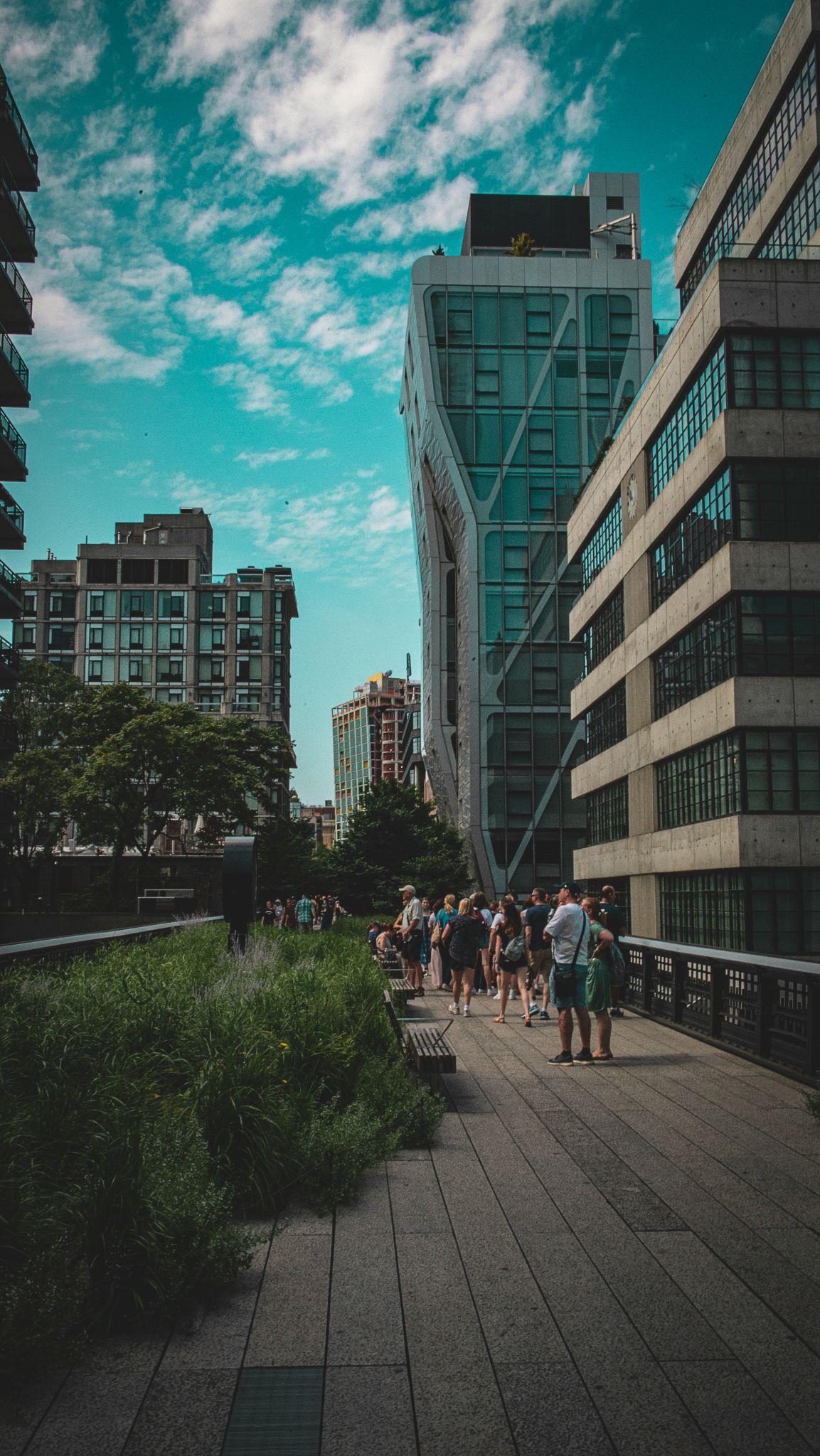
Then, let’s go to New York. Picture a rusty, defunct elevated railroad along Manhattan’s West Side. Everyone had a major backlash to completely bringing the space down to ruins. Everyone, that is, except locals.
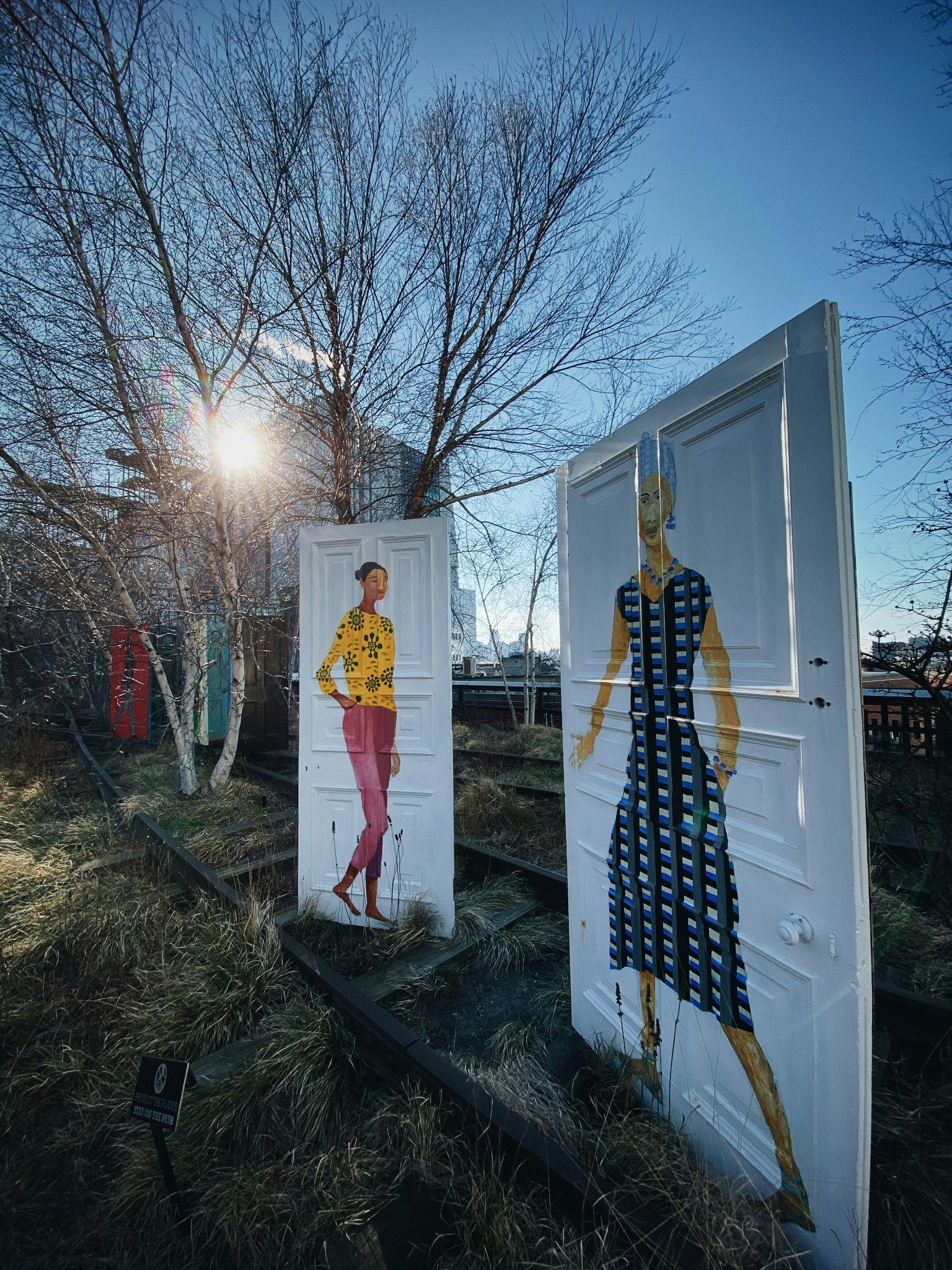
There was a tiny community group, “Friends of the High Line,” protesting against it. They saw something great in that abandoned piece of infrastructure. What if it were a park in the sky? A thought of a green pedestrian friendly walkway admits the usual city chaos sprouted up !
They campaigned and spread awareness of this Idea. The High Line is today a city landmark, attracting over a million people a year. This space became a source of employment, attracted visitors, and became an example to set a new identity to the locals. But above all, it’s a love affair between people and the city.
This is a great example of how impactful and powerful community engagement in design is, as the space is their home and their neighbourhood. They take ownership of it. They give it a life.
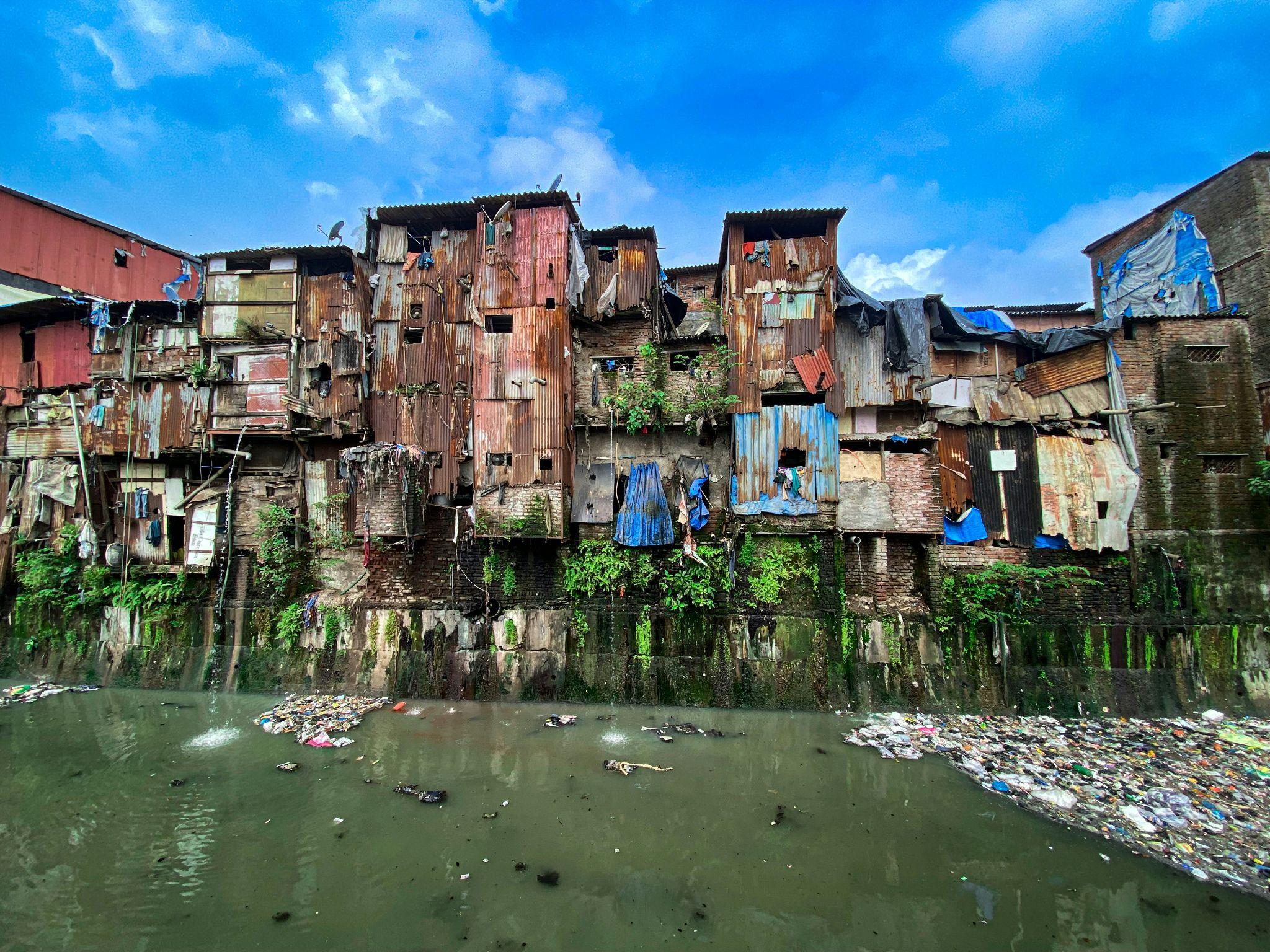
But let’s get real, urban engagement is not always smooth and efficient. Take Dharavi in Mumbai, a giant of an informal settlement in one of the largest cities in the world. There have been various plans for redevelopment for decades. And yes, its residents have been included in those conversations. There has been a major issue, as there is not a single voice for easy decision making. Hundreds of thousands of voices. Families, small factories, shopkeepers, migrants, NGOs, and they have different needs, different priorities.
Few locals have a requirement for new housing, and there has been resistance due to fear of tall skyscrapers as they may interfere with this infirmary means of earning a living. This has resulted in years of back and forth on design, leading to delays, indecisiveness, and deviation from the actual cause.
This is the other face of participation. When there are too many voices with curtained layers of causes and decisions, there is never a clear direction for the future of design for that particular problem statement. Participation, in its extreme, has a risk of being tokenistic, where a few are heard, and most are excluded. This example shows that design has to go deeper in understanding the needs of the community and not superficially driven by various social factors.
Power of communities direction: Bhubaneswar Smart City, India
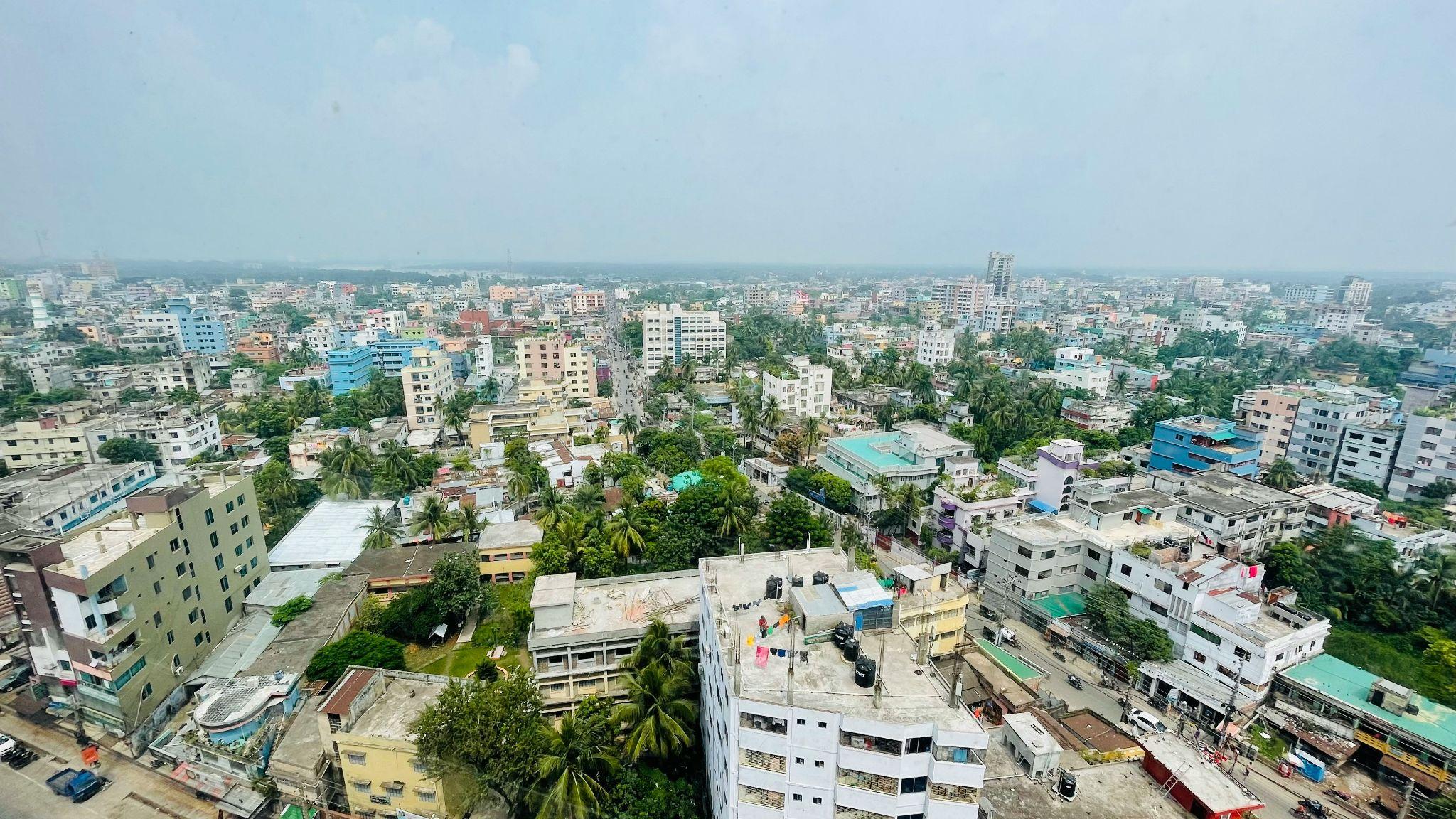
An example of a story with a silver lining, a tad bit close to home. Bhubaneswar, Odisha, India’s smart city. In this example, the city did not take an approach by the books and standards but asked the citizens directly. What does an ideal city look like to you?
And two million people have shown their inclination through apps, campaigns, social media, and word of mouth. Everyone was part of this movement to be heard, including school children, commuters, informal workers, and families; no category of people were excluded.
The input derived from this vast number of voices became the base of the design brief for the city. Making the urban setting safer and more pedestrian-friendly. Public space is generated as a space for people, not just as a space for things in motion. “Street for People” has a concept that is actually a direct outcome of the voices of the locals and citizens themselves.
The good news? Citizens witness their imprints upon Bhubaneswar’s reconstruction. When design becomes a reflection of the persona and fabric of the city, as is not dictated, the city becomes more engaging to the users and will lead to more acceptance from the locals. This is what a good intention and a genuine level of engagement do.
So, what do these varieties of stories tell us?
The community involvement in Medellín shows us that if the design direction is taken by purely listening to the communities it can restore the entire culture and fabric of a space.
The High Line is a great example of how community involvement can be a powerful emotional setting in creating a neighbourhood that was in ruins into a widely recognised world icon.
Dharavi advises against inclusive-ness without structure, as being a source of conflict and stagnation.
Bhubaneswar shows how integrating technology for community engagement is an effective way to increase engagement and eases communication of getting to know and listening to the citizens.
From the above, we can clearly understand that communities don’t just give feedback but they are the case of design and they are the voice of the future of design, be it architecture, fashion, communication, products, cities, or even policies and systems.
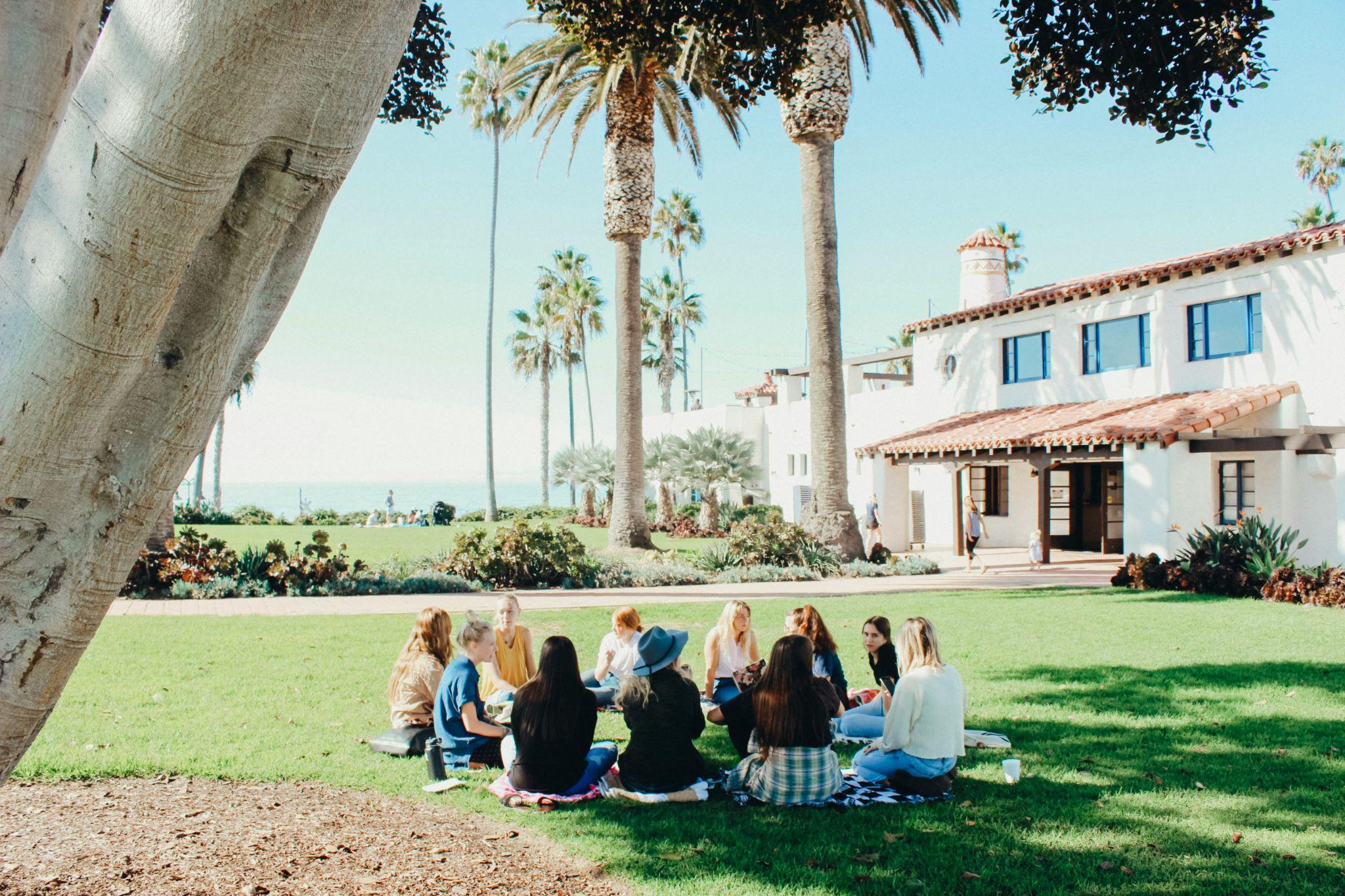
The future of design is not dependent on architects designing things out of context with no relation to reality, the base of interacting and engaging with the community becomes the main source of the design brief in itself. Its various relevant stakeholders from government bodies, planners, and the community itself sit in a Room and create space through agreement, disagreement, and collaboration.
Yes, sometimes it’s tedious and messier, but when we listen rather than dictate, we end up with a design solution that practically works for the architects and the community.
And maybe that is the whole point: Designing is not just about built spaces. They are experiences of living. Experiences of living are richer when people feel this was designed with us, not just for us.
Because its future is not only for its planners.
The future of design lies in the voice of communities, and in the end, it’s all of us designing it together.