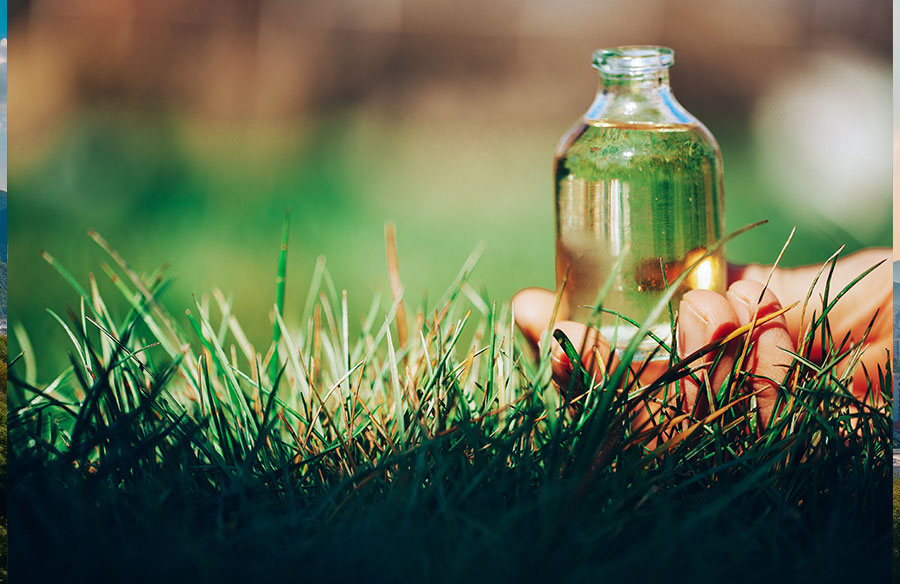
Design isn’t just about what we build — it’s about what we leave behind.
As the conversation around sustainable architecture deepens, more designers are looking beyond structure and form, and focusing on materials — especially the invisible ones. Paints, finishes, and sealants might seem like minor details, but they’re often the hidden culprits behind indoor toxins, environmental waste, and lost authenticity in natural materials.
Enter the quiet revolution of natural finishes — led by products like Real Milk Paint Tung Oil, a simple, ancient solution that’s suddenly the star of the sustainability movement.
From Ancient Trees to Modern Trends
Tung oil isn’t new. It’s been used in East Asia for over 1,500 years to protect wooden ships, furniture, and floors. What makes it so timeless is its chemistry: pure tung oil seeps into the wood, polymerizes as it dries, and forms a water-resistant, matte finish that enhances the natural grain instead of covering it up.
Today, architects and furniture designers rediscover it for the same reasons it worked centuries ago — durability, beauty, and no synthetic chemicals.
Unlike many petroleum-based sealants, tung oil doesn’t off-gas harmful VOCs (volatile organic compounds). That’s a big deal for indoor air quality and occupant health. And in an age where green certifications like LEED and WELL are reshaping building standards, even the smallest detail can tip a project toward true sustainability.
The New Material Mindset
Designers once focused on visual sustainability — reclaimed wood walls, exposed concrete, biophilic interiors. However, the focus is now shifting toward chemical sustainability — specifically,what’s inside the materials we specify.
Real Milk Paint Tung Oil represents that shift beautifully. It’s 100% pure, food-safe, and biodegradable — no synthetic additives, no harsh solvents. For architects, this means that every surface treated with it remains true to the ethos of minimal environmental impact.
Think of it as slow design for your finishes — a product that respects both material and maker.
Why Designers Are Falling in Love with Natural Finishes
- Aesthetic Authenticity: Natural oils preserve the tactile feel and visual warmth of raw materials — a quality that synthetic sealants often erase.
- Sustainability from Source to Surface: Derived from the nut of the tung tree, this finish is renewable, non-toxic, and completely biodegradable.
- Health and Wellness Integration: With clients increasingly asking for toxin-free environments, natural finishes align with holistic design and wellness trends.
- Longevity and Patina: Unlike synthetic coatings that peel or yellow, tung oil ages gracefully, developing a patina that tells a story over time.
Design in the Age of Responsibility
As the design community continues to rethink its impact, small shifts like choosing natural finishes create large ripple effects. The “green” building of tomorrow isn’t just solar panels and recycled steel — it’s healthier walls, breathable finishes, and conscious detailing.
When the products we specify align with the ethics we design for, sustainability stops being a checklist — and becomes a craft.
Final Thought
The future of design doesn’t have to smell like chemicals.
It can smell faintly of citrus and tung tree resin — natural, enduring, and alive.
By choosing natural, non-toxic finishes like Real Milk Paint Tung Oil, designers can bring sustainability literally to the surface — protecting not just the material, but the people who live with it.
Because in design, as in life, it’s the finish that defines the feeling.