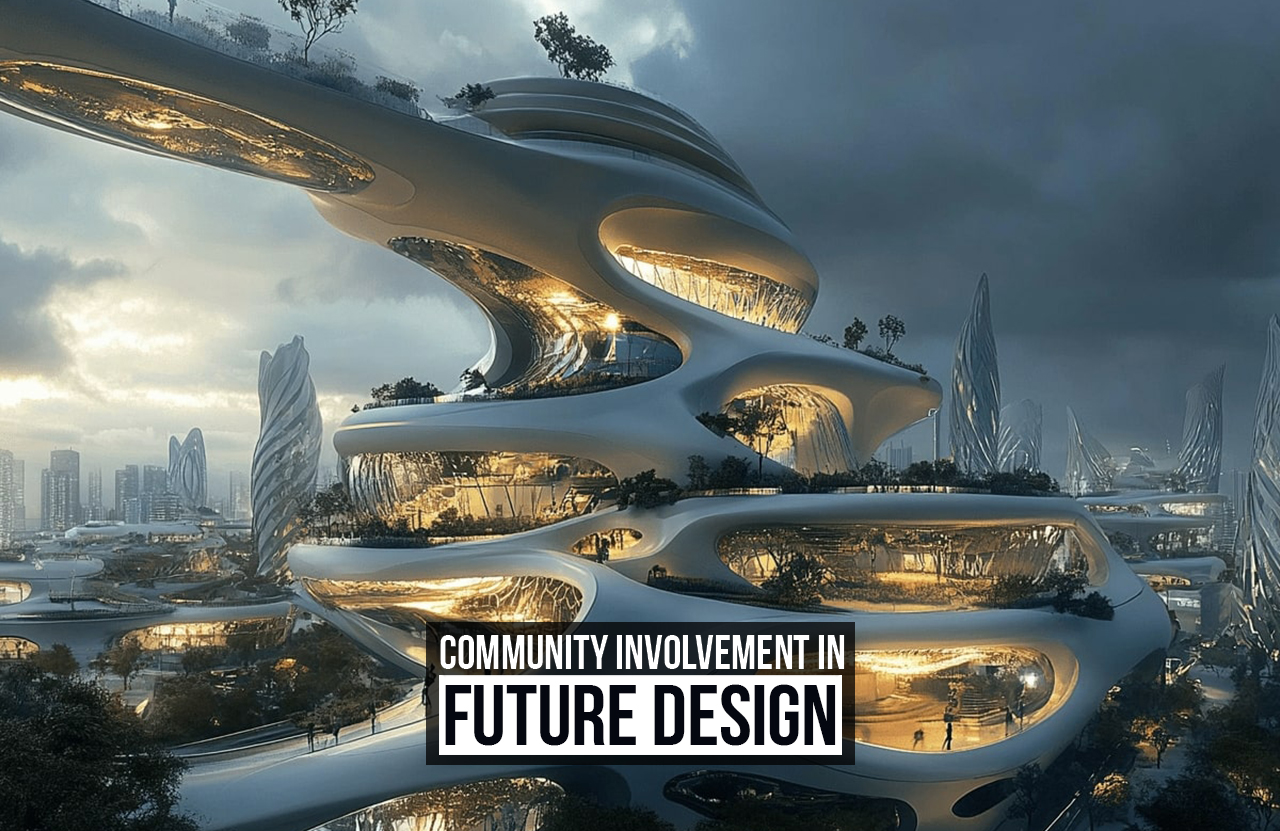
The future of design is often imagined in terms of technology, sustainability, or dazzling new forms. Yet the true test of future design is not how innovative it looks, but how deeply it connects to the people who live within it. Buildings, parks, and cities are not abstract entities; they are living frameworks that shape daily life. When communities are invited to shape these spaces, the results are not only more functional but also more meaningful. Involving people transforms design from something imposed into something that is genuinely embraced.
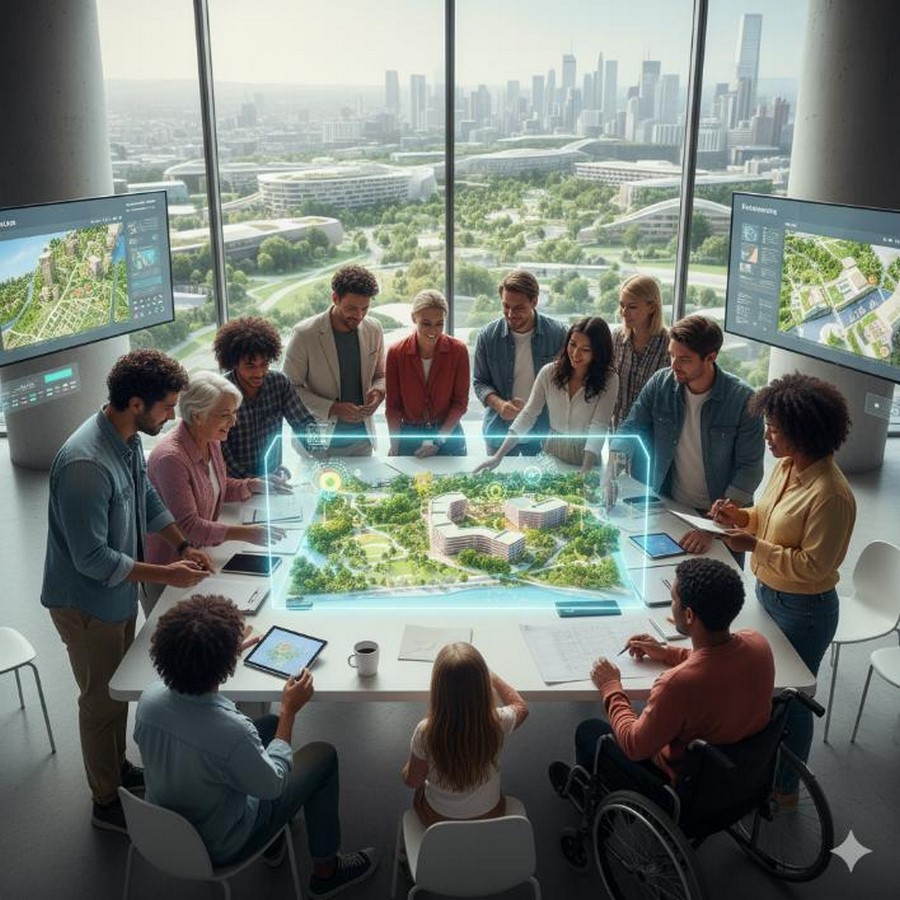
Why Community Matters in Future Design
Designing for the future is not simply about predicting trends; it is about responding to people’s needs as they change. Communities hold the knowledge of local rhythms, habits, and struggles that outsiders may never see. A bus stop might look adequate on a drawing, but residents can tell you if it feels unsafe after dark. A plaza might look spacious on paper, but only locals know if it floods during the monsoon. Future design that ignores this lived knowledge risks being beautiful yet unusable.
The involvement of communities ensures that design solutions are rooted in reality. It is a form of architectural empathy, listening before sketching. This doesn’t diminish the role of the architect or planner; rather, it makes them collaborators who translate collective voices into built form.
From Token Consultation to True Collaboration
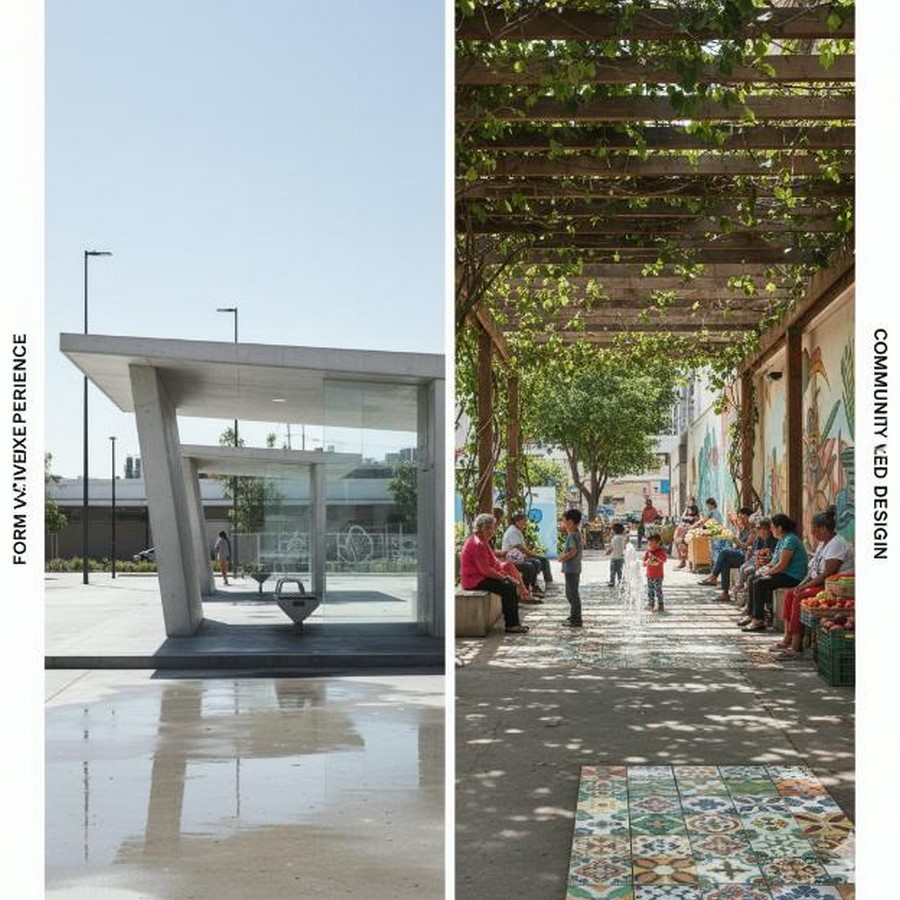
Many projects claim to include communities but stop at token consultations. Surveys are conducted, but decisions are already made. This approach undermines trust and leads to buildings or spaces that feel detached from the people they claim to serve. True collaboration is slower, but it yields deeper results.
Participatory workshops, design charrettes, and co-creation labs are some ways to bridge this gap. For example, children drawing their “dream playgrounds” often identify needs that adults overlook, such as shaded seating for grandparents or small nooks for hiding and playing. When these ideas are incorporated, the space becomes richer, reflecting multiple layers of use. In future design, this collaborative approach is not a luxury; it is a necessity for resilient, adaptable communities.

Designing with Cultural Memory
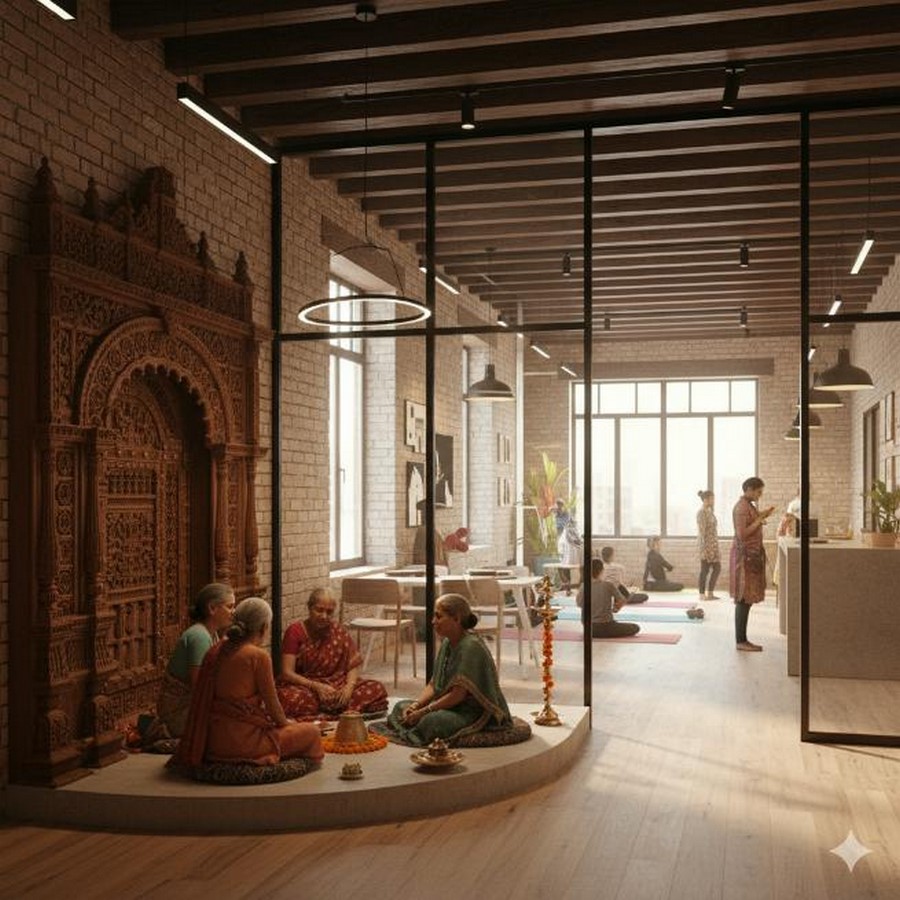
Every place carries cultural memories. Ignoring it often results in spaces that feel alien, even if technically well-designed. When people are part of the design conversation, they bring forward stories, rituals, and symbols that anchor the new in the familiar.
Consider the adaptive reuse of heritage buildings into community centres. If residents are consulted, they may request that a corner be preserved for rituals or social gatherings. Without that input, a polished renovation may erase cultural meaning. Future design thrives when it honours history while creating space for new identities to emerge. Architecture, in this way, becomes not just a container of life but also a vessel of memory.
Technology as a Bridge, Not a Barrier
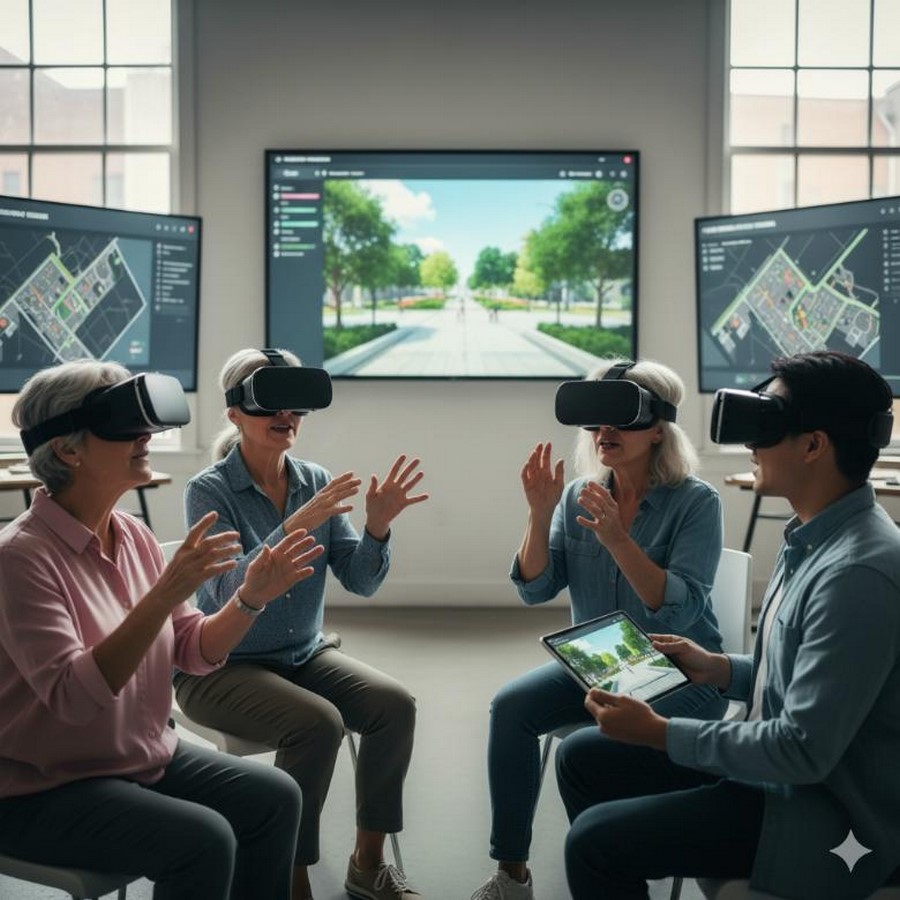
The rapid growth of digital tools, AI, VR, and participatory mapping apps offers new opportunities for including communities in the design process. Virtual reality allows residents to “walk through” proposed spaces before they are built, giving feedback on sightlines, accessibility, and safety. Digital surveys, when done thoughtfully, can reach marginalised voices who may not attend traditional town hall meetings.
Yet technology must be a bridge, not a barrier. It should simplify participation, not replace face-to-face dialogue. Future design is strongest when it combines high-tech tools with low-tech conversations, where a grandmother’s oral story carries as much weight as a 3D model.
Balancing Solitude and Togetherness
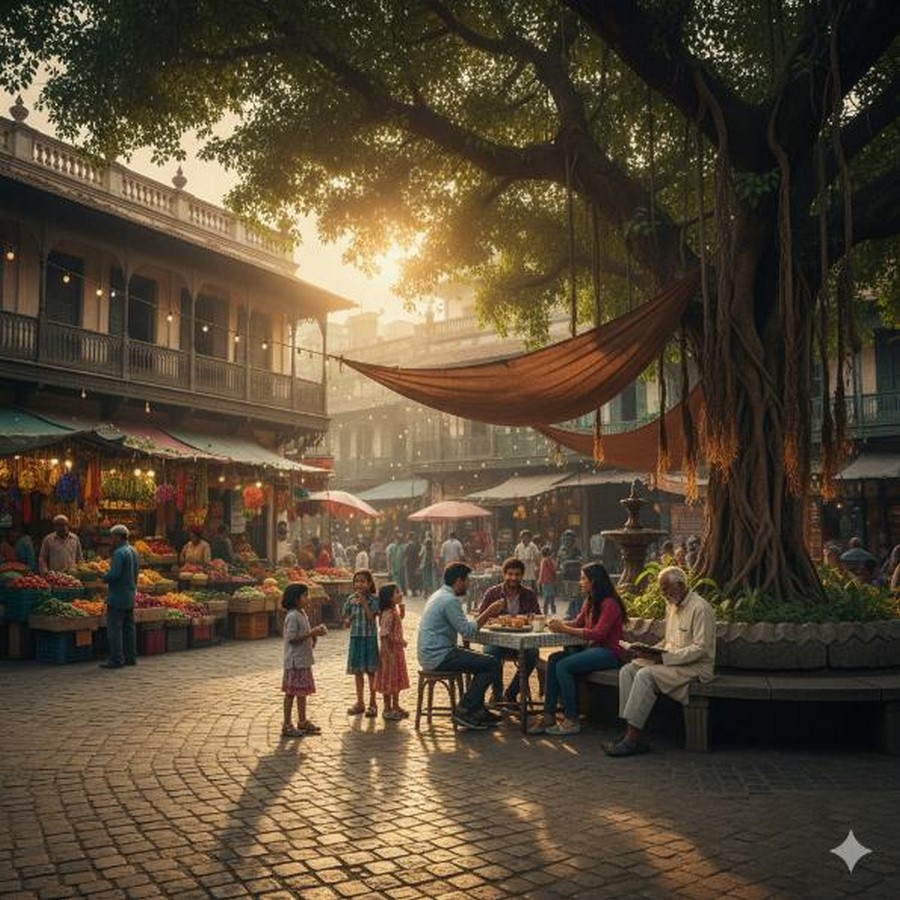
Community involvement also highlights an often-overlooked tension: the balance between solitude and togetherness. People want spaces that allow both collective gathering and quiet retreat. Markets, tea stalls, courtyards, and shaded street corners in South Asia show how this balance naturally emerges when spaces evolve with community input.
Future design can learn from these precedents. By incorporating layered thresholds, micro-zones, and flexible furniture, architects can create environments that adapt to different moods and needs. A plaza can host a festival one evening and serve as a calm meeting spot the next morning. Communities help define these shifting patterns, ensuring design doesn’t rigidly dictate life but responds fluidly to it.
The Role of Architects as Facilitators
Involving communities does not mean giving up professional expertise. Instead, it reframes the role of architects as facilitators. Their task is to listen, interpret, and synthesize diverse voices into a coherent vision. The architect becomes a bridge between lived experience and technical knowledge.
In future design, this facilitation role is increasingly important. Climate change, migration, and shifting demographics make urban life more complex. No single designer can predict all future needs. Communities, however, carry collective intelligence. When tapped into, this intelligence ensures that design is both visionary and grounded.

Case Examples of Community-Led Future Design
Across the world, examples of community involvement shaping future design are emerging. In Medellín, Colombia, residents were deeply involved in the planning of public escalators and libraries that transformed unsafe neighbourhoods into vibrant social hubs. In Copenhagen, community-led input has redefined cycling infrastructure, making the city one of the most bike-friendly in the world.
Closer to home in Nepal, informal settlements often create their own water collection systems, courtyards, and community halls. When formal architects collaborate with these residents, the result is a hybrid solution, a professional infrastructure shaped by community priorities. These cases show that the future of design is not a one-way delivery but a dialogue.
Challenges of Community Involvement
Of course, community involvement is not without challenges. Differing opinions can stall projects. Power imbalances may silence marginalised groups, while louder voices dominate. Time and cost pressures often push developers to skip deep engagement.
Yet, these challenges are not reasons to avoid community participation; they are reasons to improve it. Clear frameworks, inclusive facilitation, and patience are necessary. In the long run, the time spent up front reduces costly redesigns later. More importantly, it builds trust, ensuring that communities feel ownership of their spaces rather than alienation.
Toward a Shared Future
At its core, community involvement in future design is about democracy in the space-making process. It’s about recognising that architecture is not just a product of creativity and technology but of dialogue and belonging. Spaces designed without community may win awards, but they rarely win hearts. Spaces shaped with community, on the other hand, become woven into the identity of place, resilient to change, and adaptable to future needs.
As cities grow denser and societies face increasing uncertainty, the question is no longer whether we should involve communities, but how deeply. The path forward is not glossy renderings alone, but drawings marked with fingerprints of the people who will call these places home.
Community involvement transforms future design from static visions into living realities. It ensures that architecture reflects not only the genius of designers but also the wisdom of people. By inviting communities into the process, through cultural memory, participatory technology, and everyday dialogue, we can build futures that feel less like impositions and more like homes.
Ultimately, future design is not about predicting what’s next. It’s about shaping it together.
References:
Armstrong, R. (2016). Living architecture: How synthetic biology can remake our cities and buildings. London: Routledge.
Manzini, E. (2015) Design, when everybody designs: An introduction to design for social innovation. Cambridge, MA: MIT Press.
Sanoff, H. (2000) Community participation methods in design and planning. New York: Wiley.