The Olympic question as an Architectural opportunity
India’s aspiration to host the Olympics is more an Architectural and urban proposition than a sporting one. The sporting event requires a cluster of temporary and permanent structures, including stadiums, athletic villages, transport hubs, and media centres. All these facilities will have an impact on the urban fabric for the coming generations. For a country like India, the idea to host must be on if a city and its surroundings can convert the sporting events investment into a long-term strategic civic asset rather than just a spectacle event. The existing international precedents and recent plans of hosting offer both an inspiration and a caution.
Emerging Infrastructure and Political Will
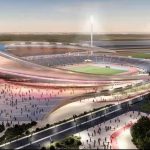
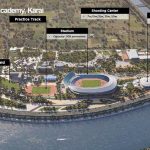
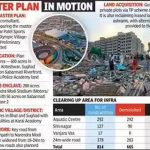
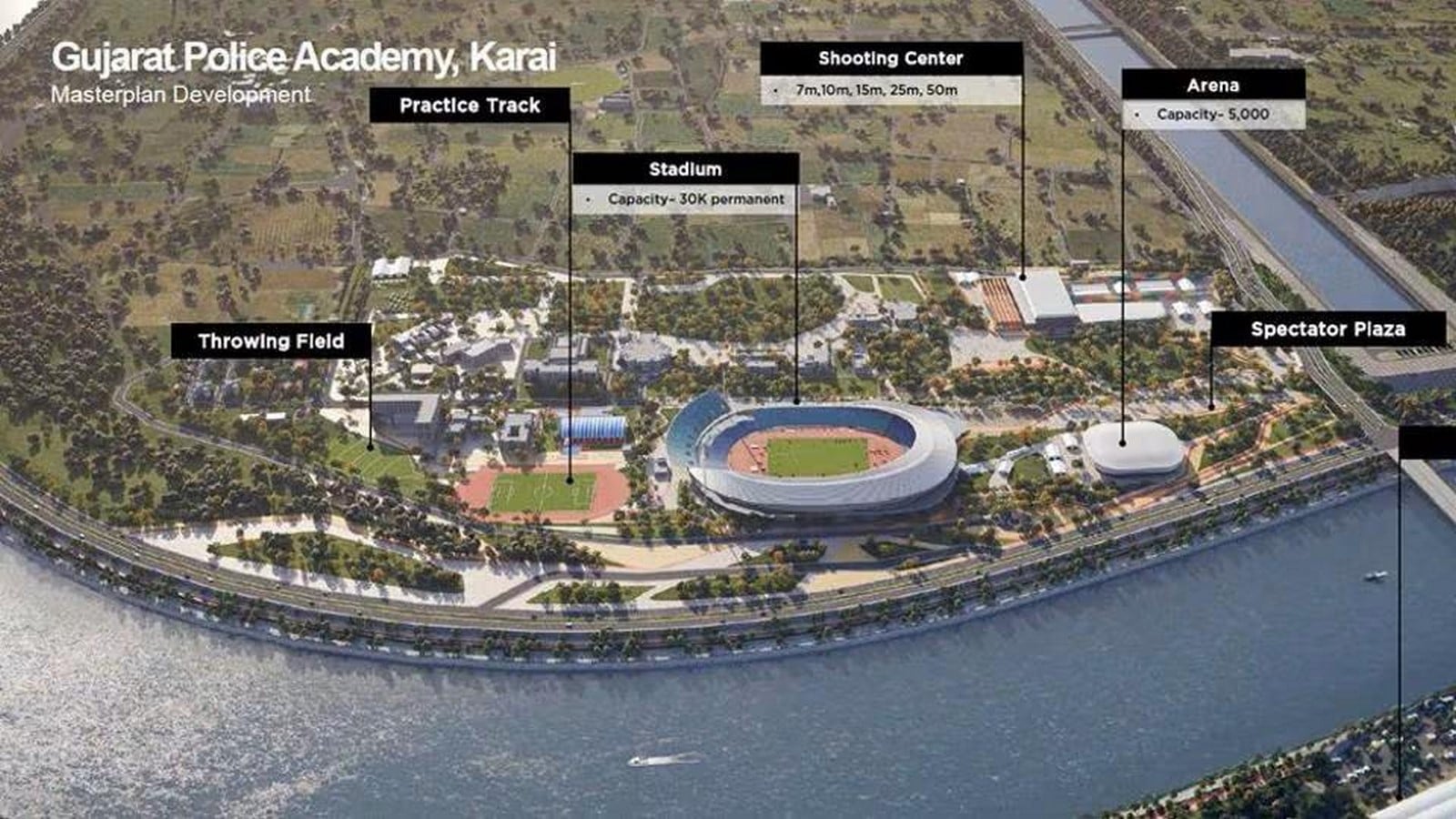
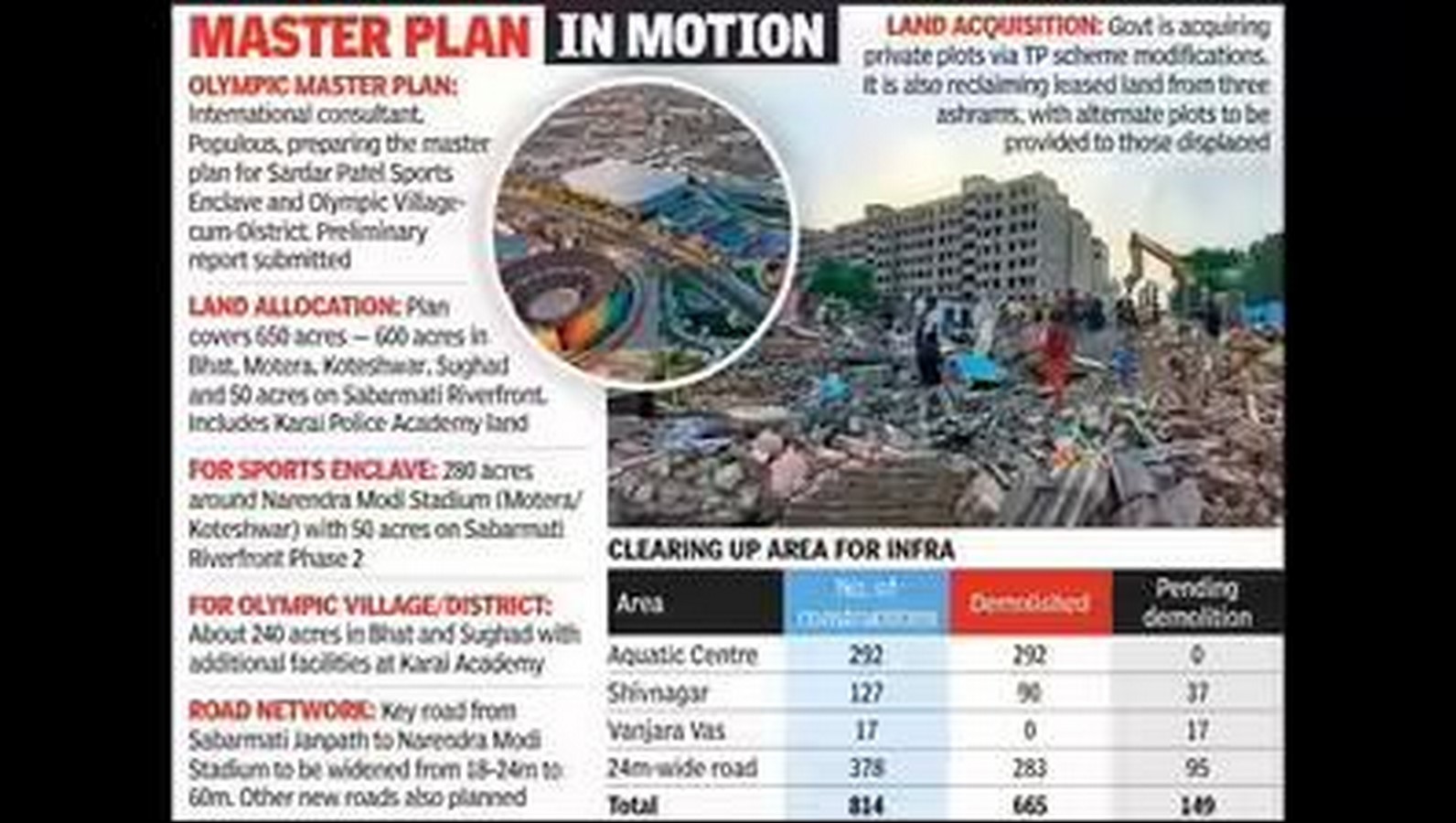
On paper, as per the current condition, the Ahmedabad and Gandhinagar joint emerges as the most suitable host. The region already has the Motera Stadium and the formal sporting facilities. The Gujarat state, where these cities are located, has mapped the Sardar Vallabhbhai Patel Sports Enclave across a larger area. The recent reports indicate phased construction, road widening works, and land acquisition to construct and support the aquatics, indoor arenas, and athletic housing. These moves indicate a large-scale construction for an Olympic Park. These changes also underline a social cost, such as demolition and relocation of local communities that are already underway, and with the infrastructure expansion, it will directly affect hundreds of households. Considering the current scenario, any type of project must have a design brief that is inclusive of housing solutions and rigorous resettlement architecture from day one.
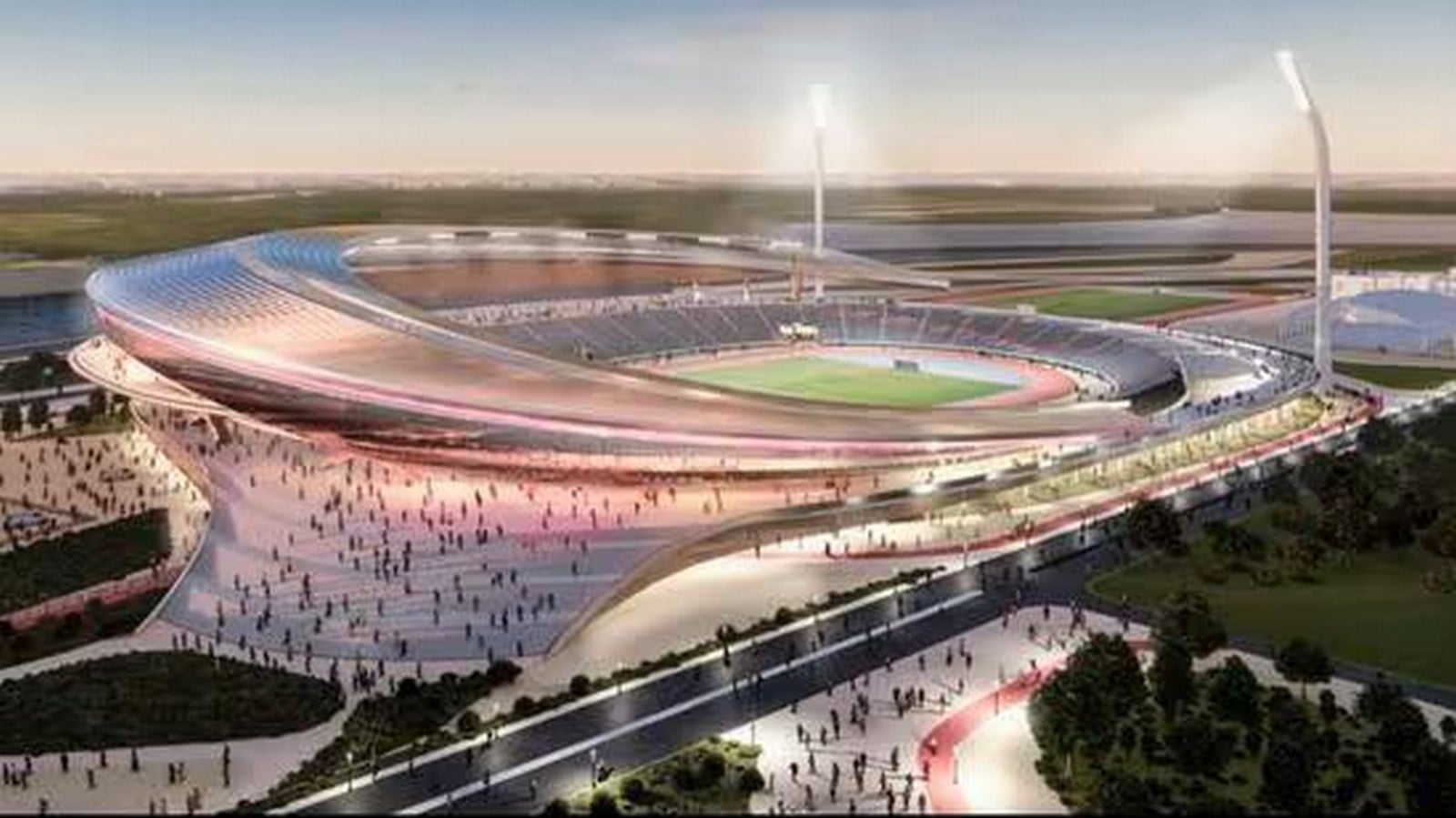
Cost is a major and unavoidable metric. As reported in public, a preliminary estimate of the state of Gujarat bid is a multibillion-dollar figure, ranging between $7-$7.5 billion, split between the operational and capital infrastructure. These figures resemble modern games where overruns are common, which raises more questions on the cost of opportunity for social services and everyday urban maintenance. Therefore, the architects and designers are arguing for modularity and working in phases rather than one-off monumental buildings.
Global Precedents: An Architectural Legacy
Athens 2024: A cautionary measure
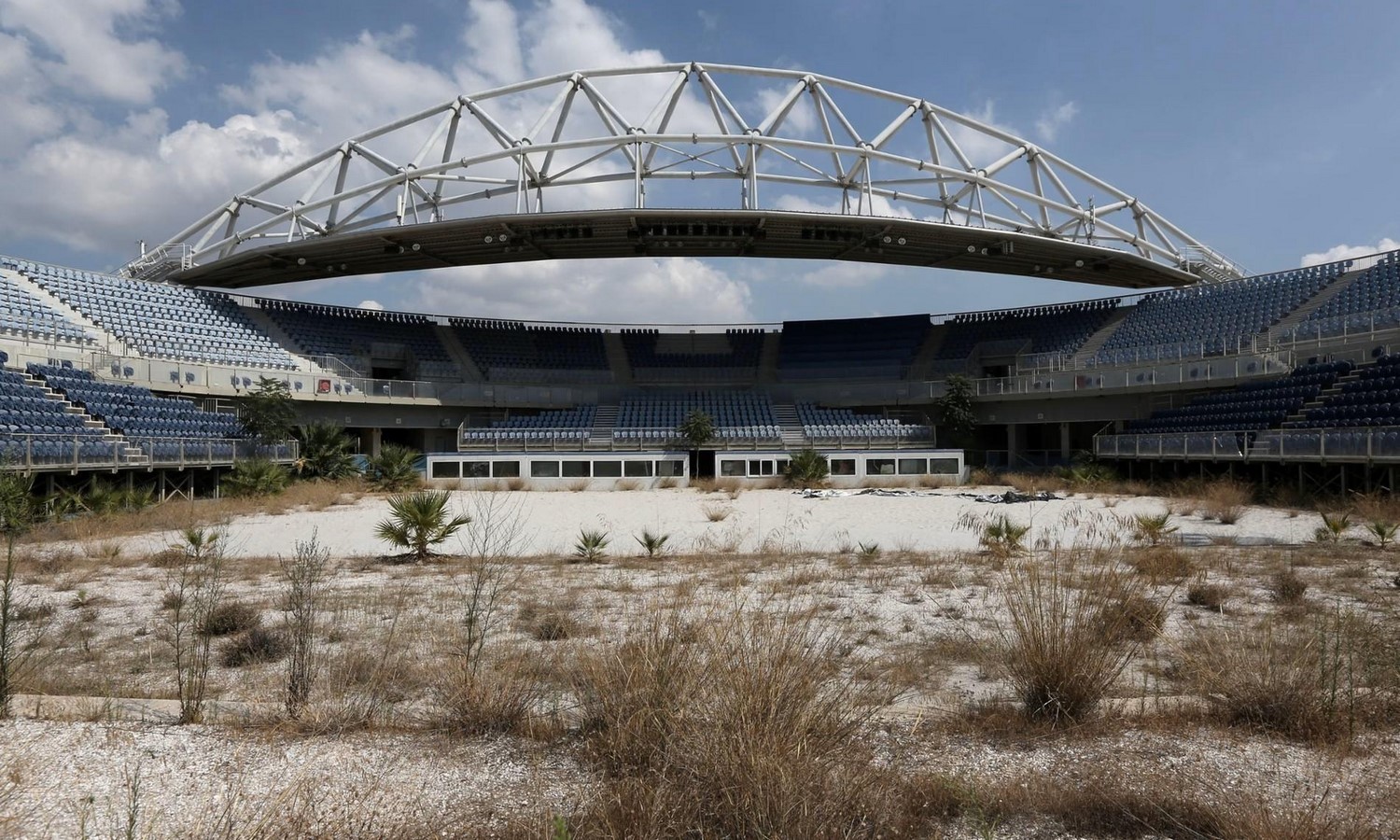
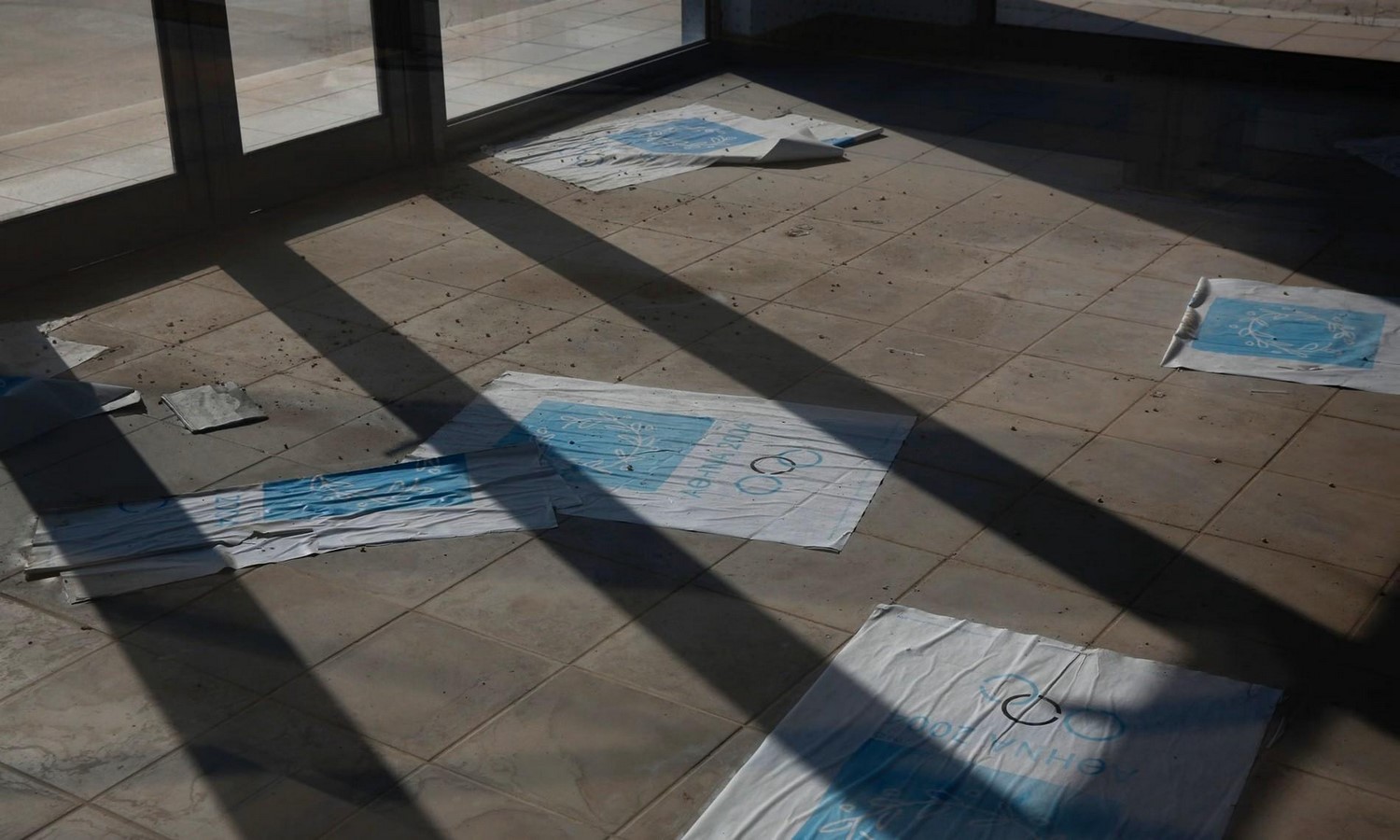
Comparing the global precedents with the Indian possibilities. The Athens 2004 stands as a cautionary lookout. It had spectacular venues, a large public debt, and after the event many facilities were left abandoned. The learning for India is obvious. To avoid grandeur without any post event strategic use of the place so that it doesn’t become a fiscal and urban liability. Architects and planners must design for adaptability from the start.
London 2012: Legacy by Design
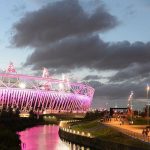
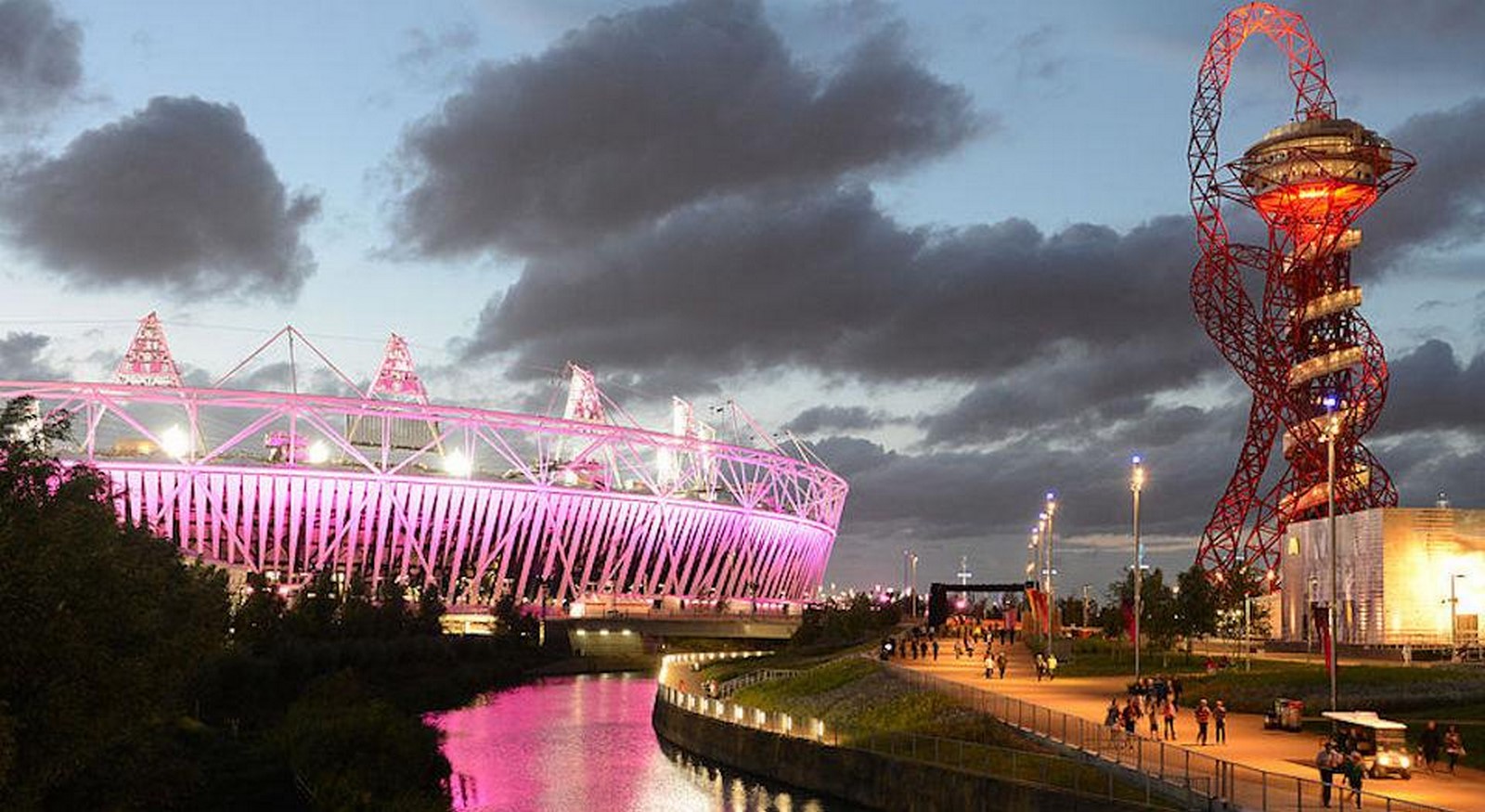
In contrast, London 2012 is the pragmatic precedent that is to be studied. The Queen Elizabeth Olympic Park was used for urban regeneration, such as building temporary stands, venues intentionally divided into smaller facilities, and an athletic village planned beforehand to be converted into homes, and creating jobs after the games. This resulted in East London being reconnected with new transport nodes, open green spaces, and mixed-use neighbourhoods. A positive precedent for an “legacy first” architectural and urban planning. An Indian city planning to host should embody this similar concept to provide affordable housing, public parks, and integrated transport only then can an investment of Olympic size can be used as a catalyst for the broader urban renewal.
Tokyo 2020: Reuse and Retrofit
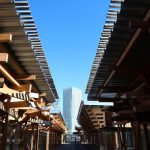
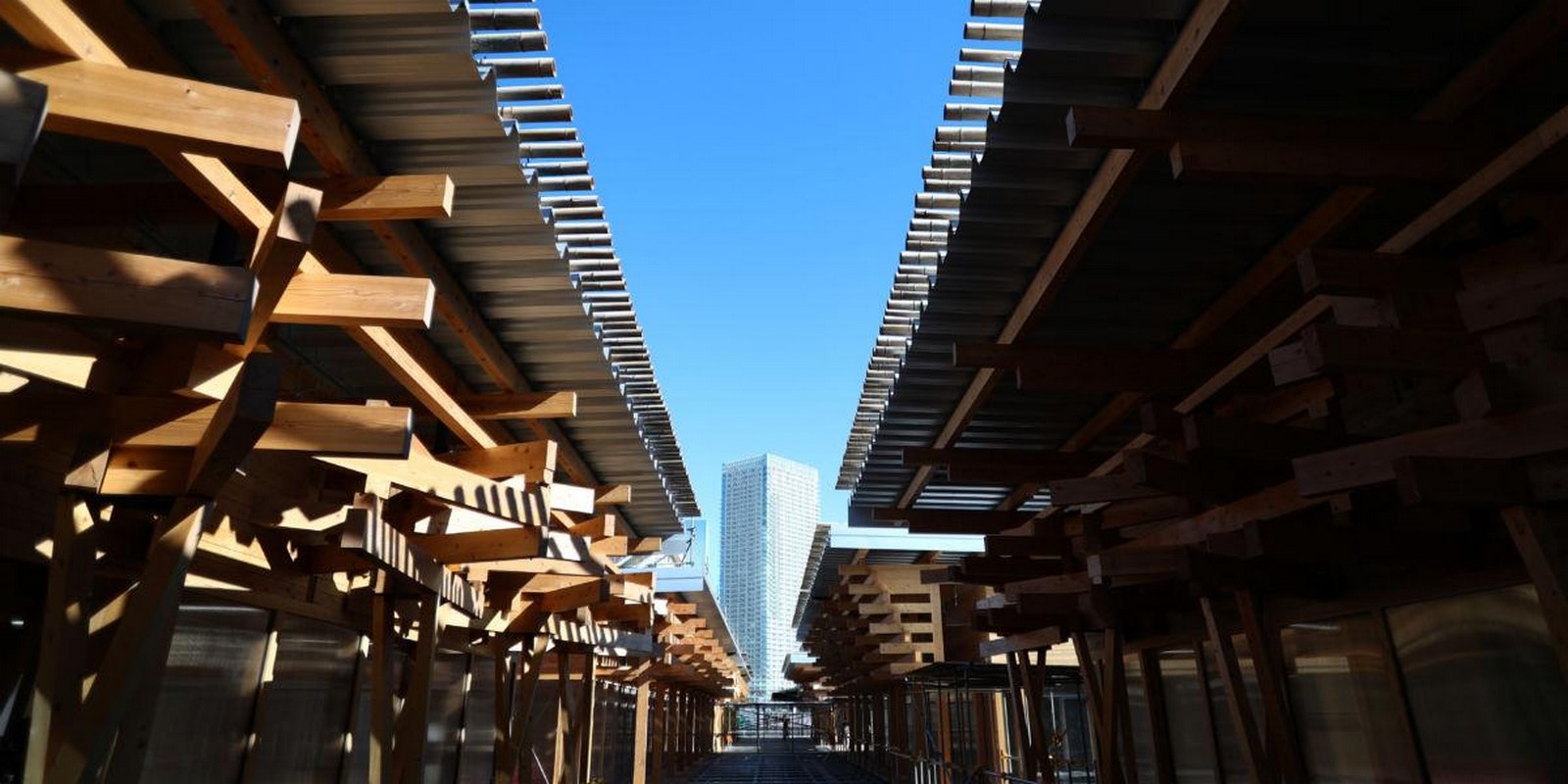
Another interesting Olympic precedent is Tokyo 2020, which offers an instructive approach to reuse and retrofit. The host city was highly dependent on the existing venues. The historic arenas from 1964 were repurposed, and several competitions were using temporary structures, which minimized any new permanent structures. If Indian metro cities like Mumbai or Delhi is to be considered, which are dense and land constrained, the Tokyo model provides a better strategic understanding of tactical temporary architecture and operating events across existing facilities with upgrades. Thus, it reduces capital expense and the risk of abandoned facilities.
Barcelona 1992band Sydney 2000: Urban transformation
Barcelona 1992 and Sydney 2000 have set precedents on urban transformation on how a waterfront and peri-urban development were integrated into long-term city planning.
Urban Potential and Limitations
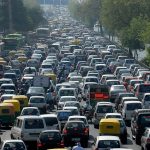
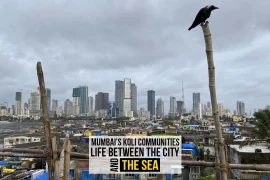
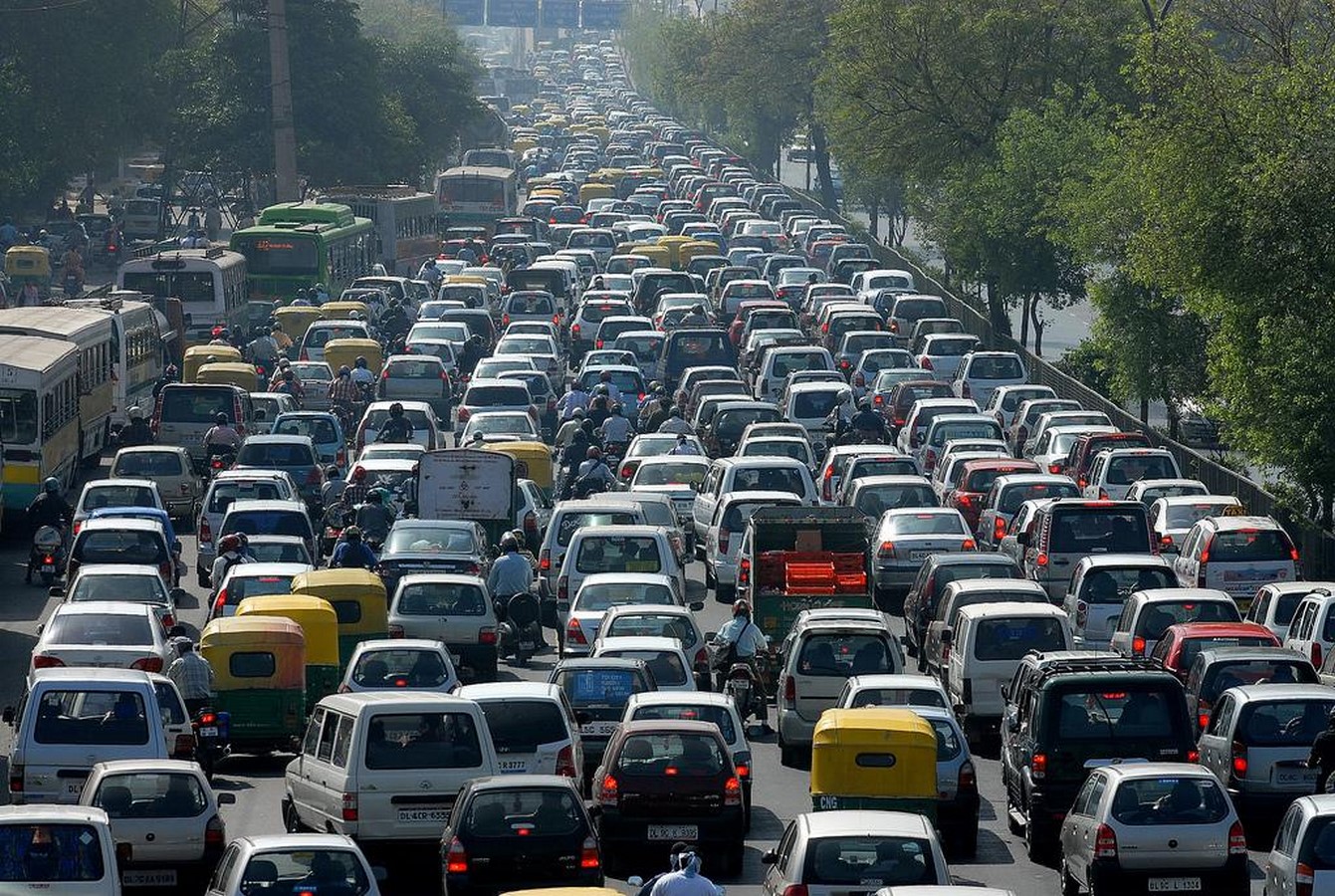
Any practical host cities apart from Ahmedabad have a distinctive challenge. Delhi’s strength is its international connectivity, hospitality capacity, and previous hosting large events experience. But Delhi’s urban issues, such as traffic congestion, pollution, and quality of maintenance, is a risk unless the Olympic project leads to a citywide infrastructure upgrade and provides a pollution resilient design. With Mumbai being on the coastal edge and a global finance clout mirrors Tokyo’s challenges. To cater to the Olympic plan, a priority on the adaptive reuse of the existing facilities and temporary installations on the water edge instead of on the limited available land is a possibility. Other options, such as Bengaluru and Hyderabad, can bid around their use of innovation and sustainability. An opportunity for tech-driven infrastructures such as smart stadiums, water sensitive master planning, and mixed-use legacy first planning. It would require careful planning of phasing to avoid any unsustainable construction.
Architectural Priorities for a potential Indian Olympic
In the Architectural context, India should focus on 3 non-negotiable factors. 1 – Legacy by Design, where all the venue’s design brief must include an after-use of the event. Such as stadiums divided into facilities, villages designed as mixed-income neighbourhoods, and media centres to be converted into innovation or educational campuses. 2 – Climate-responsive design, India’s average cities face heat, air quality, and water stress. Designing in consideration of passive cooling, shaded concourse, renewables, and water sensitive urbanism. 3 – Social Integration, events like the Olympics, where the impact is larger on the city and its residents, should develop a programme that benefits daily commuters rather than just the exclusive visitors. Like building public parks, affordable housing quotas, and linking the public transit system. Such development can convert Olympic monuments into a municipal asset after the event.
Governance and Implementation
If the aspiration needs to be practical, the host city selection must go through an intense architectural planning that integrates and ties the infrastructure, long term budget, and operational responsibilities. For public infrastructure, a favour on modular construction with a well-documented legacy use should be given. The voice of local communities should be integrated into the design decisions to minimize the displacement and fragmentation.
Building infrastructure to legacy
After all the analysis and the precedents available, the bigger question is, can India build an Olympic legacy? The events offer a great boost to the infrastructure, transport, housing, and public spaces, but only if the architects, policymakers, and stakeholders prioritize on adaptability, sustainability, and social welfare. The discipline must be maintained while planning, construction, and its operations. Otherwise, India could be at risk with various precedents in the past, or it can transform the city to be more livable long after the event. The success of the Olympic event is not based on the medals but on the built environment and metropolitan life it leaves behind after the event.
References:
- (No date) Inspired by 2012: The legacy from the London 2012 olympic and Paralympic Games. Available at: https://assets.publishing.service.gov.uk/media/5a7c9f9f40f0b65b3de0a190/2901179_OlympicLegacy_acc.pdf (Accessed: 03 October 2025).
- Olympic legacy (2024) London City Hall. Available at: https://www.london.gov.uk/programmes-strategies/planning/implementing-london-plan/london-plan-guidance/olympic-legacy (Accessed: 03 October 2025).
- Athens olympics 2004: Ten Years on, many venues remain unused (2014) euronews. Available at: https://www.euronews.com/2014/08/07/athens-olympics-2004-ten-years-on-many-venues-remain-unused (Accessed: 03 October 2025).
- Newsroom (2009) Olympic venues ‘badly planned’, eKathimerini.com. Available at: https://www.ekathimerini.com/news/63221/olympic-venues-badly-planned/ (Accessed: 03 October 2025).
- Migrator (2020) Tokyo 2020 organizers unveil Village Plaza made of Reusable Timber, dtnext. Available at: https://www.dtnext.in/sports/2020/01/31/tokyo-2020-organizers-unveil-village-plaza-made-of-reusable-timber (Accessed: 03 October 2025).
- (No date a) London 2012 Olympic Games – Official Olympic documents. Available at: https://www.olympics.com/ioc/documents/olympic-games/london-2012-olympic-games (Accessed: 03 October 2025).
- Don’t miss Tomorrow’s Smart Cities Industry News (no date) Smart Cities Dive. Available at: https://www.smartcitiesdive.com/ex/sustainablecitiescollective/barcelona-and-journey-urban-transformation/57461/ (Accessed: 03 October 2025).
- Abandoned athens Olympic 2004 venues, 10 Years On – In pictures (2014) The Guardian. Available at: https://www.theguardian.com/sport/gallery/2014/aug/13/abandoned-athens-olympic-2004-venues-10-years-on-in-pictures (Accessed: 03 October 2025).
- (2019) (PDF) Tokyo’s modern legacy and the 2020 Olympic Games. Available at: https://www.researchgate.net/publication/331236002_Tokyo’s_modern_legacy_and_the_2020_Olympic_Games (Accessed: 03 October 2025).
- Retrofit buildings at tokyo 2020 honor history (2021) Retrofit buildings at Tokyo 2020 honor history. Available at: https://corporate.dow.com/en-us/news/press-releases/retrofit-buildings-at-tokyo-2020-honor-history-and-environmentalism.html (Accessed: 03 October 2025).
- Costliest olympics: India’s Olympics bid for Ahmedabad in 2036 to cost $7.5 billion, $2.5 billion more than LA 2028 (2025) The Economic Times. Available at: https://economictimes.indiatimes.com/news/sports/costliest-olympics-indias-olympics-bid-for-ahmedabad-in-2036-to-cost-7-5-billion-2-5-billion-more-than-la-2028/articleshow/119533835.cms (Accessed: 03 October 2025).
- As India eyes hosting rights for 2036 Olympics, Gujarat plans mega sports infra (2024) Hindustan Times. Available at: https://www.hindustantimes.com/cities/others/as-india-eyes-hosting-2036-olympics-gujarat-readies-mega-sports-infra-plan-101734336830432.html (Accessed: 03 October 2025).
- Land acquisition for sports hub in final phase: Ahmedabad news – times of India (2025) The Times of India. Available at: https://timesofindia.indiatimes.com/city/ahmedabad/land-acquisition-for-sports-hub-in-final-phase/articleshow/123393258.cms (Accessed: 03 October 2025).