Rem Koolhaas once said, ‘A building has at least two lives – the one imagined by its maker and the life it lives afterward – and they are never the same’. This quote shows how dynamic the relationship between an architect’s intention and a building’s lived experience is, as it evolves over time. In architecture and design, architects often have powerful intentions and conceptual ideas, but a project can still fail when people cannot emotionally connect with the space. This is how architecture can fail people.
Design Aesthetic or Design for People
Do architecture and design have emotions? Maybe it was a thing of the past. There was a time when the older generation built spaces for their shelter, dignity, and family. They built for their children, knowing they would grow, and their stories had to stay safe. They built with great precision because they wanted their courtyards to embrace the moonlight; they sat together in their semi-outdoor or outdoor spaces (angan) and felt the wetness of the soil. Their emotions lay imprinted in every bit of their space, and every space had an intimacy. But what happened to us now? Do we build for aesthetics, or do we build for the beauty of human existence? Is it not ironic that we seem to care more about the front façade of buildings rather than the people who make a house a home? What are we actually keeping for the next generation? Built spaces where there is no sense of belonging, offices that do not make our work efficient, pedestrian paths where people can’t perceive, connect, or interact while walking, and cities where the sky cannot be seen.
For example, in the tropical city areas, everything looks good, but if it is very hot, people do not go to the plaza because it is uncomfortable to sit. Too much concrete may absorb heat and give an impression of a bad microclimate. Sometimes the trees are simply put there, but one needs to create conditions for human comfort, and trees must be able to provide people with shade. It seems that the same applies to urban furniture; it should not be put there just for the sake of some concept or policy. Urban furniture should serve its purpose; people should be able to sit somewhere, rest, and have seats at comfortable distances so that people can communicate. If there is a bench, but no shade, it will probably be uncomfortable to sit on a sunny day or even during a rainstorm. The behavior and habits of people must be considered when designing something in the city.
When designer intent meets lived experience
In designing a building or space, the designer usually begins with a strong vision and wants the architecture to become iconic, aesthetically pleasing, and technically precise. Sometimes buildings can be dysfunctional regarding human interaction because of limited resources, technical mistakes, and even unconscious biases. For this reason, the final construction may have commercial success but fail to meet the psychological needs of people. This creates a gap between architecture and human experience.
An example is Boston City Hall, which was conceived with a clear and ambitious vision. The architects wanted to create a building that reflected the principles of democracy and increased the government’s openness to the people. They aimed to design a monumental but accessible civic space that was representative of the civic life of the community. In order to accentuate this civic identity, they used raw concrete as a main architectural element. A plaza is designed, so it is a “place to interact” and is adjacent to this building.
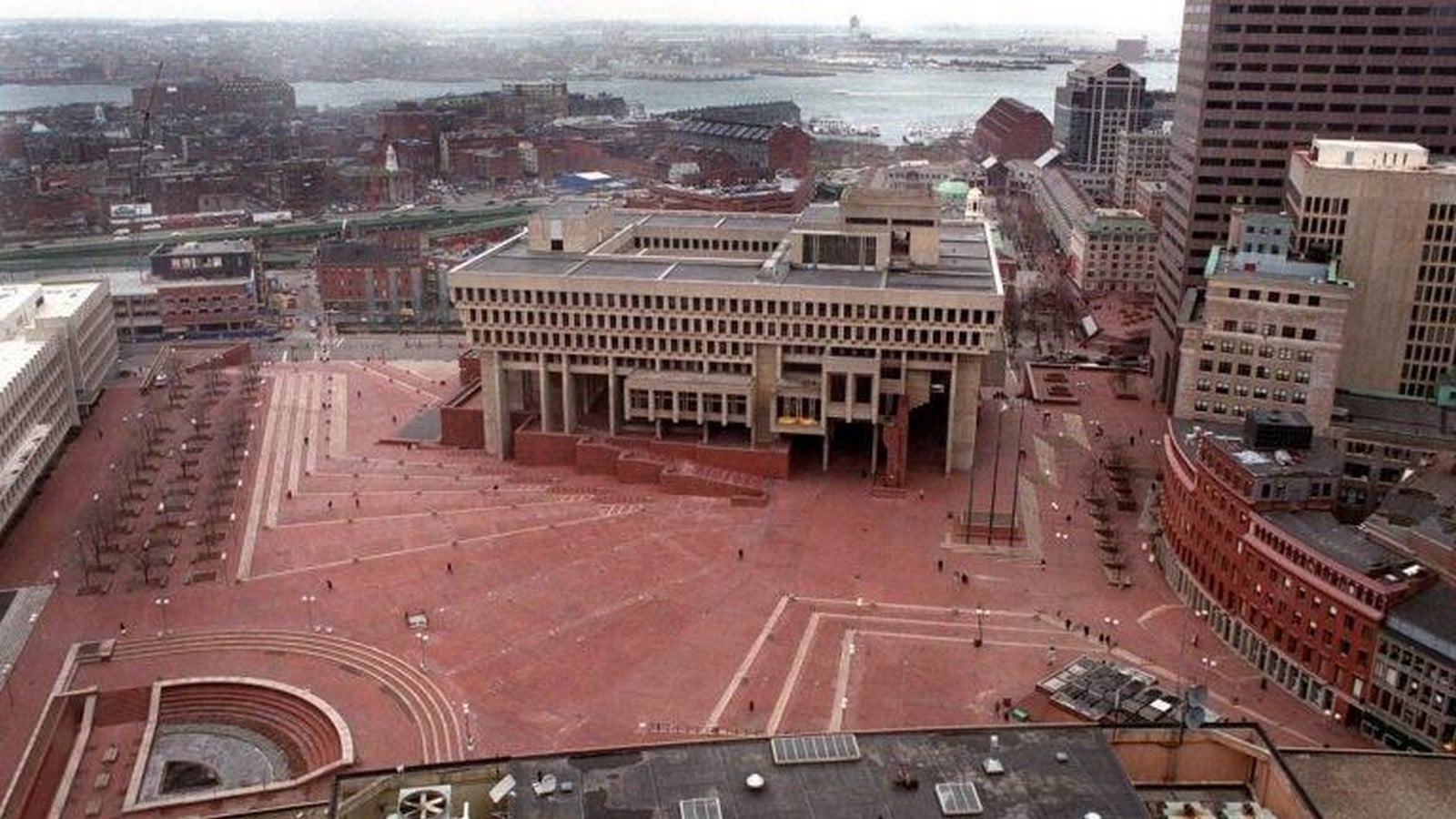
However, over time, a discontinuity was seen between this original intent and people’s experience of this space. The building was so large that it seemed threatening to visitors and made them feel unwelcome, not welcomed. The plaza was massive, but wasn’t used because of its lack of comfort, scale, and daily life. It was not a center of activity, but rather seemed as if it were removed from the rest of the city.
This outcome wasn’t due to poor intentions. The project was motivated by a good social and political agenda. The problem is the lack of an understanding of the sense of belonging, physical comfort, and the rhythms of everyday life on the part of the architects and designers. It shows how even a powerful architectural concept can fall short if it fails to resonate with the people it’s meant to serve.
A missing dialogue between built spaces and people
Has anyone ever thought that a high-rise which blocks every ounce of sunlight for the poor next door is really better? The massive amount of concrete landscaping is making cities more stressful. Creating places is okay, but do these places have a soul? Are these designs made for the human soul or for the algorithm?
If we look at Dhaka city, Bangladesh has a tropical monsoon climate. However, we can now see a wide range of glass buildings being built in the city. One of the main reasons for using large amounts of glass is to create a work-friendly environment for people inside the building and to provide a visual connection with the outdoors. Designers intend to employ a lot of glasses and they are now utilizing energy efficient glasses for an indoor cooling environment. Therefore, a designer’s vision is usually good.
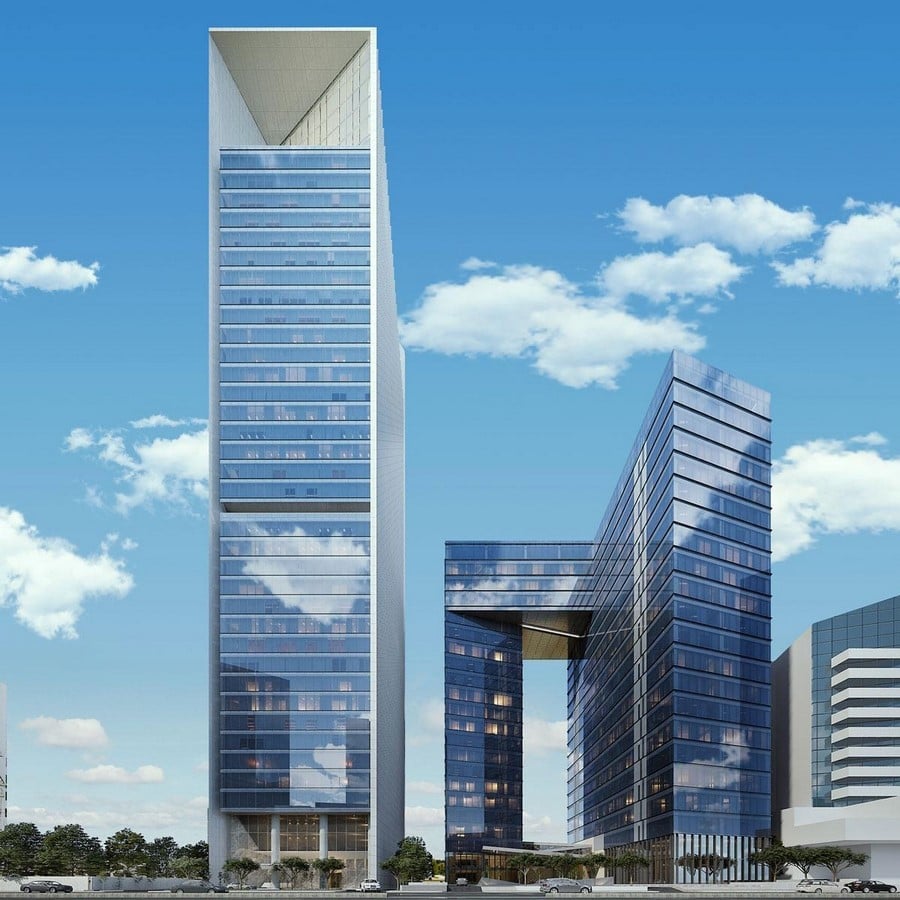
However, the large amount of glass and the huge scale of high-rise buildings negatively affect the surrounding people and create a solid architectural barrier. The people around these buildings may not feel comfortable. Pedestrians, in particular, may experience anxiety, discomfort, and a feeling of suffocation while walking around these buildings because glass surfaces can absorb and reflect a large amount of heat, making the surrounding environment hotter. In addition, people can’t relate to the building because of its massive height. It creates a lack of dialogue between the people and the building.
Therefore, architecture and design should not be for the buildings and their occupants alone. It is essential to consider the impact a building can have on the people, pedestrians, and surrounding area. In the end, spaces should fulfill the primary function of promoting the well-being of the people inside the building, and not only those who are occupying the space. Ultimately, if it’s not for the people, architecture will fail people.
Learning from Spaces that Failed
It is not necessarily architects who fail a space; it’s about how architecture and design sometimes don’t respond to human needs. People can be affected by a space after the design is completed. Human behavior can be different. Designers can’t predict all people’s responses. These days, buildings are quite sturdy and glassy, but they are still able to work during the day, which is very important for wellness; daylight is very important for wellness. It must be sensible where to place design elements and make them relative to the views. It makes sense to put glass if had a pleasant view, and it makes sense to put glass at the top to let daylight in. But it doesn’t make a lot of sense to place the glass at the bottom where there is no view, and it can only let in a little. It’s not only about glass, but also the design elements and where to put it. Architecture and design should always question: Is this built space inhabited by people?
Need for Co-Existing – Empathy and Design
When empathy and design co-exist, empathy and design respond. It’s not to impress but to support everyday life. Empathy and design are rooted in empathy, accessibility, and the belief that design improves life through thoughtful and meaningful choices. In a world obsessed with adding more concrete, architecture and design need to be human sensitive, designer needs to understand that sometimes the most profound design intervention is restraint. Architecture and design are an empty canvas, where it’s a responsibility to create shelter for the soul.
References:
The polarizing legacy of Boston City Hall – RTF | Rethinking the Future. Available at: https://www.re-thinkingthefuture.com/city-and-architecture/a14894-the-polarizing-legacy-of-boston-city-hall/ (Accessed: 23 August 2026).
Holland, O. (2018) Are glass skyscrapers bad for our cities? CNN. Available at: https://edition.cnn.com/style/article/why-glass-architecture-is-bad-for-our-cities (Accessed: 23 August 2026).
Supriya, K. (2023) Shanta Forum: A new landmark on the cityscape, The Business Standard. Available at: https://www.tbsnews.net/features/habitat/shanta-forum-new-landmark-cityscape-643714 (Accessed: 23 August 2026).
Why is Boston City Hall the way it is? (2018) Boston.com. Available at: https://www.boston.com/news/history/2018/07/25/boston-city-hall-brutalism/ (Accessed: 23 August 2026).