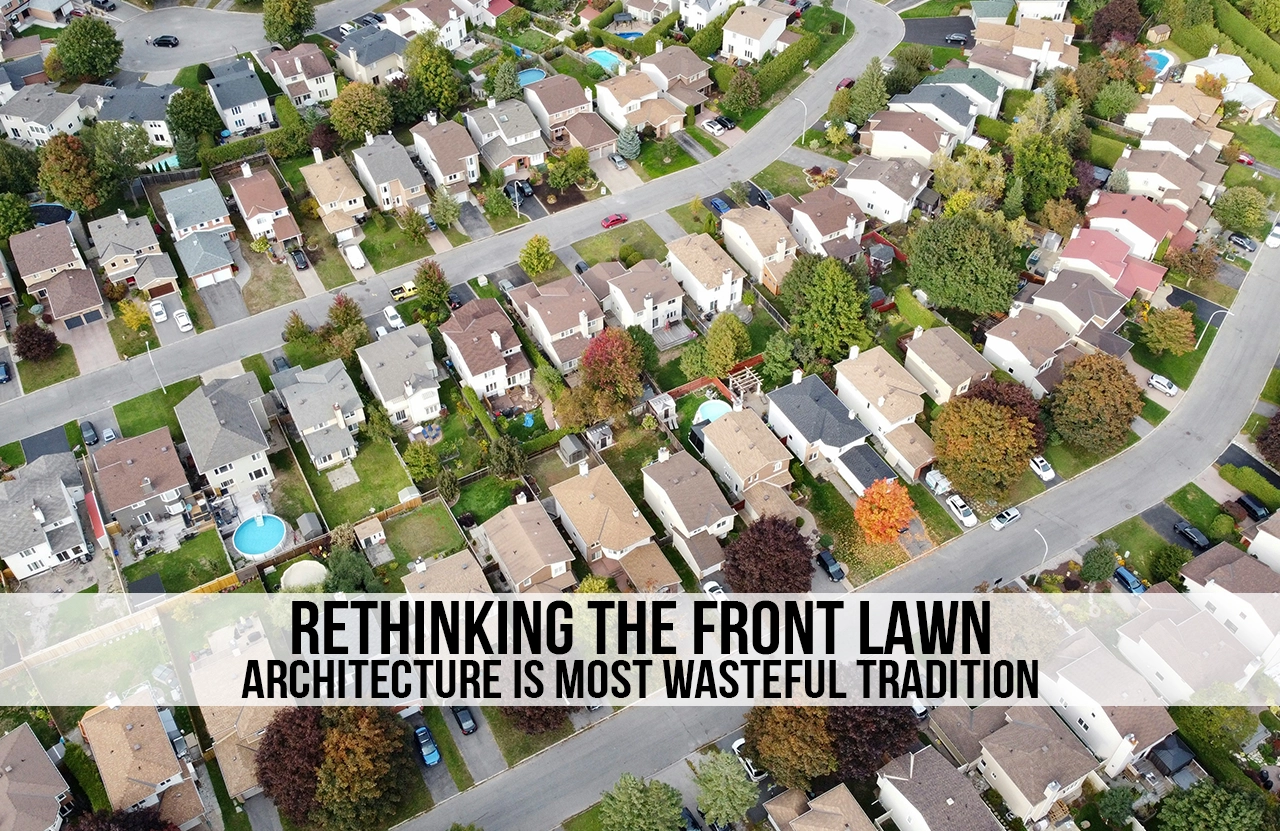
Walk through almost any suburban neighbourhood and one design decision repeats itself with remarkable consistency: a trimmed front lawn. It has become so familiar that few people question why it exists at all.[1] Yet this strip of manicured turf, treated for decades as an unwritten rule of suburban design, quietly absorbs water, chemicals and labour out of all proportion to what it gives back. As climate pressures mount and cities reconsider how land ought to be used, the lawn deserves scrutiny not merely as a matter of taste, but as a design decision with measurable consequences. Rethinking it is, at its core, a question for architecture itself.
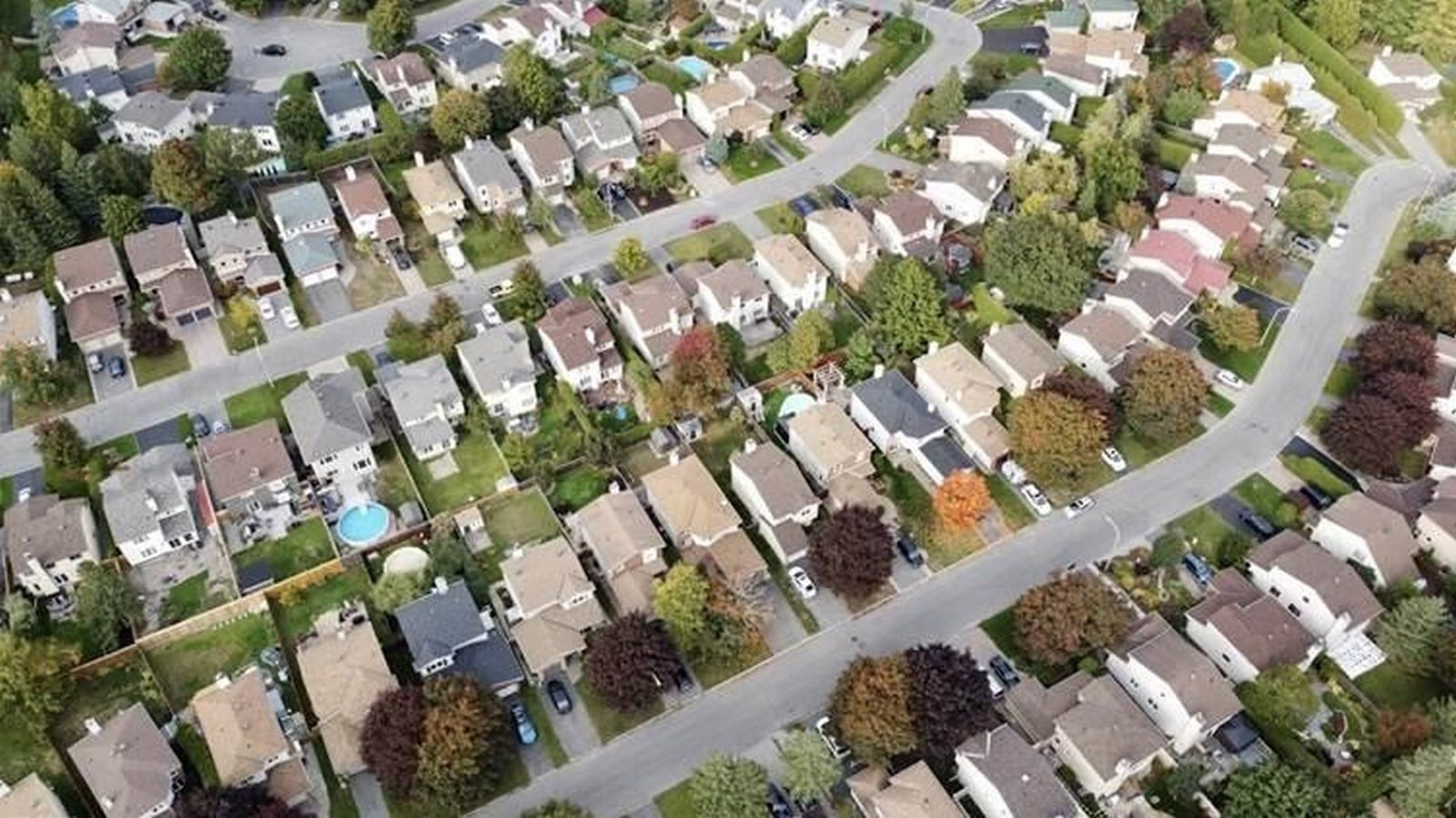
A Status Symbol Disguised as Nature
The lawn was never neutral ground. Its origins trace back to sixteenth- and seventeenth-century English aristocrats, who kept vast, unproductive stretches of grass precisely because they could afford to waste land that might otherwise have grown food. The message was leisure and control, not ecology. When the idea crossed the Atlantic, early American landowners eager to emulate English estates took it up, and it spread far more widely after the Second World War, as suburban expansion, cheap fuel and government-backed housing schemes turned the private lawn into a near-universal expectation. Architecture, in other words, inherited a symbol long before anyone stopped to ask whether it still made sense.
The Hidden Cost Behind the Green
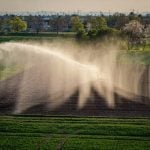
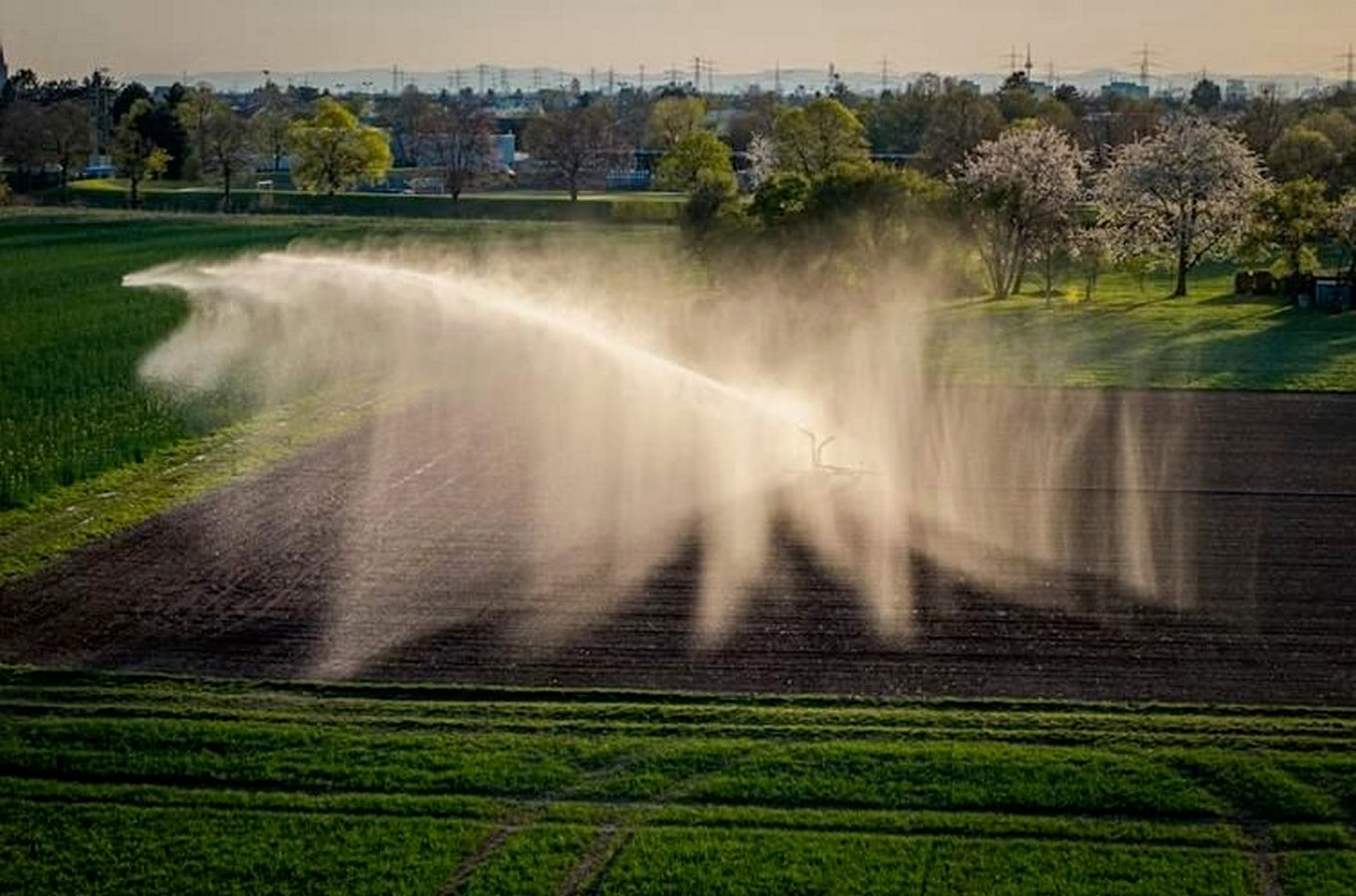
Beneath its tidy surface, the lawn is a surprisingly resource-hungry system. In the United States, landscape irrigation accounts for close to a third of all residential water use, and turf grass has become the country’s single largest irrigated crop, occupying more land than any food crop grown domestically. Homeowners routinely apply far higher concentrations of pesticides and fertiliser to their lawns than farmers use on working fields, and the run-off ends up polluting waterways and degrading soil. None of this is inherent to grass itself. It is the product of a design convention that architecture and planning have rarely challenged, even as the evidence keeps mounting that the lawn’s upkeep is out of proportion, environmentally and financially, to its purpose.
Beyond the Turf: What Architecture Could Choose Instead
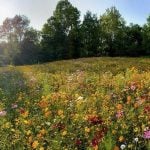
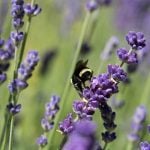
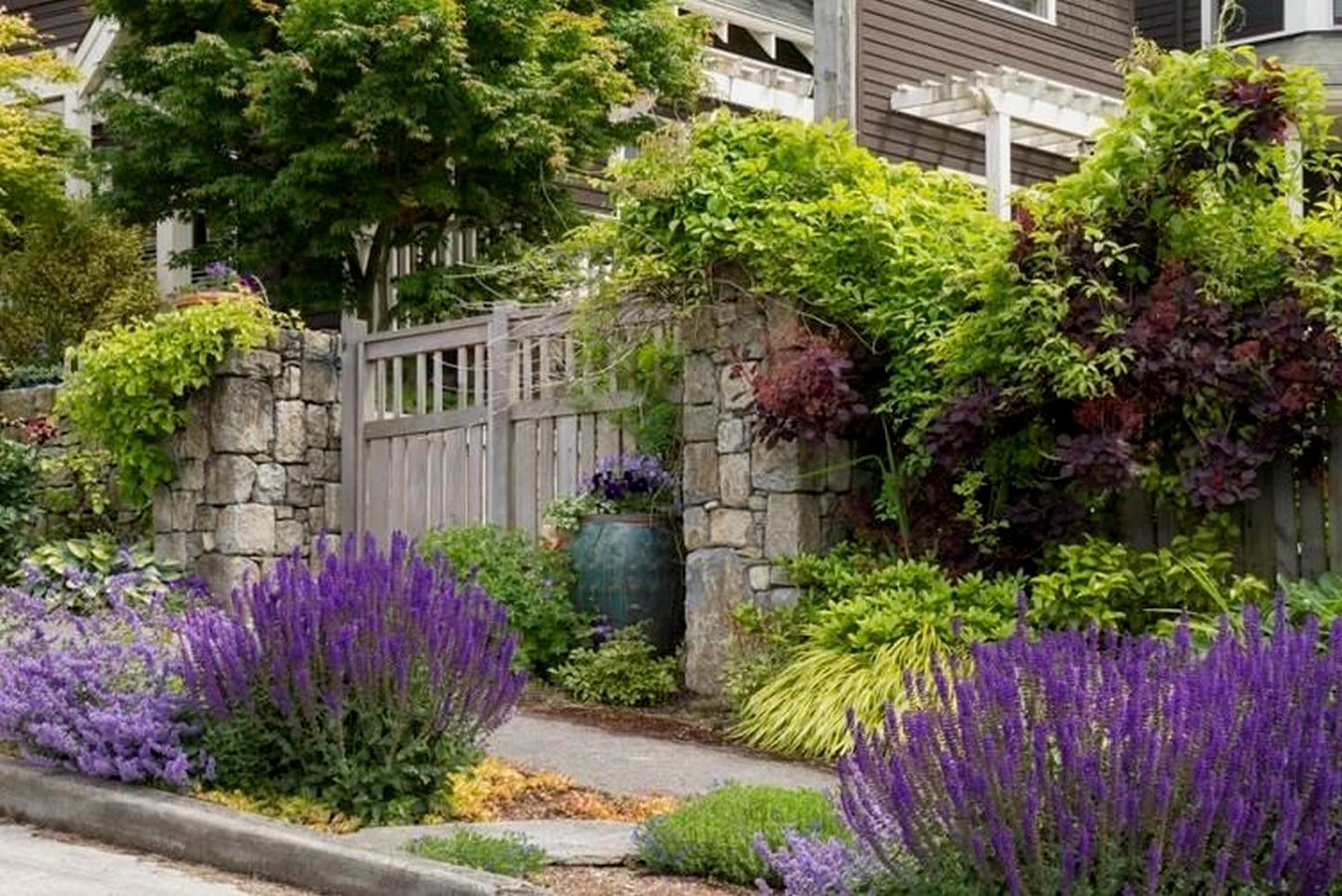
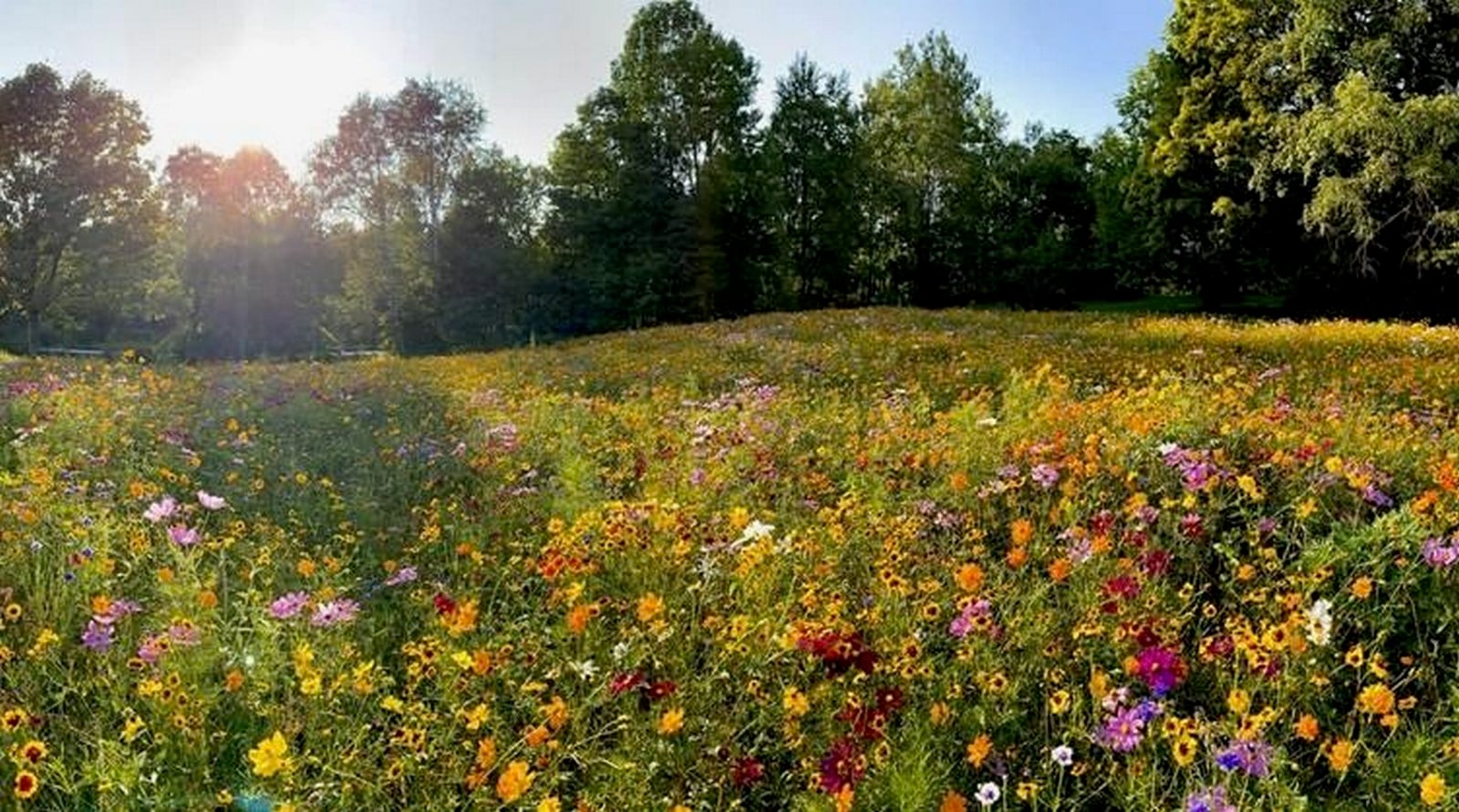
If the environmental costs are this well documented, the obvious question becomes what should replace the conventional lawn. Alternatives already exist, and several outperform turf on nearly every practical measure.[2] Native meadows, composed largely of regional grasses and flowering perennials, need far less water and typically need little or no chemical input once established[3] , while offering habitat to pollinators that a mown lawn cannot. Xeriscaping, which favours drought-tolerant planting suited to the local climate, has already found its way into policy in places such as Maryland, where legislation now protects homeowners who replace turf with pollinator gardens or rain gardens. Many contemporary landscape projects demonstrate that meadow planting can be just as visually considered as any lawn, structured through mowed edges, pathways and seasonal colour rather than left to look unkempt.[4]
Why This Is an Architectural Question, Not Just a Gardening One
It’s tempting to treat the lawn as a matter for gardeners and homeowners, not architects. But the front lawn is, in practice, chosen at the same moment as the building it surrounds. Site plans, drainage strategies and planting palettes are all architectural decisions, each with consequences for water tables, urban heat and local biodiversity. Treating the lawn as an afterthought, rather than as part of a building’s relationship to its site, has let a wasteful default persist largely unquestioned for over a century.
Designing Forward: Architecture of Restraint
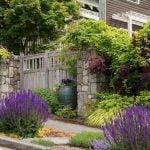
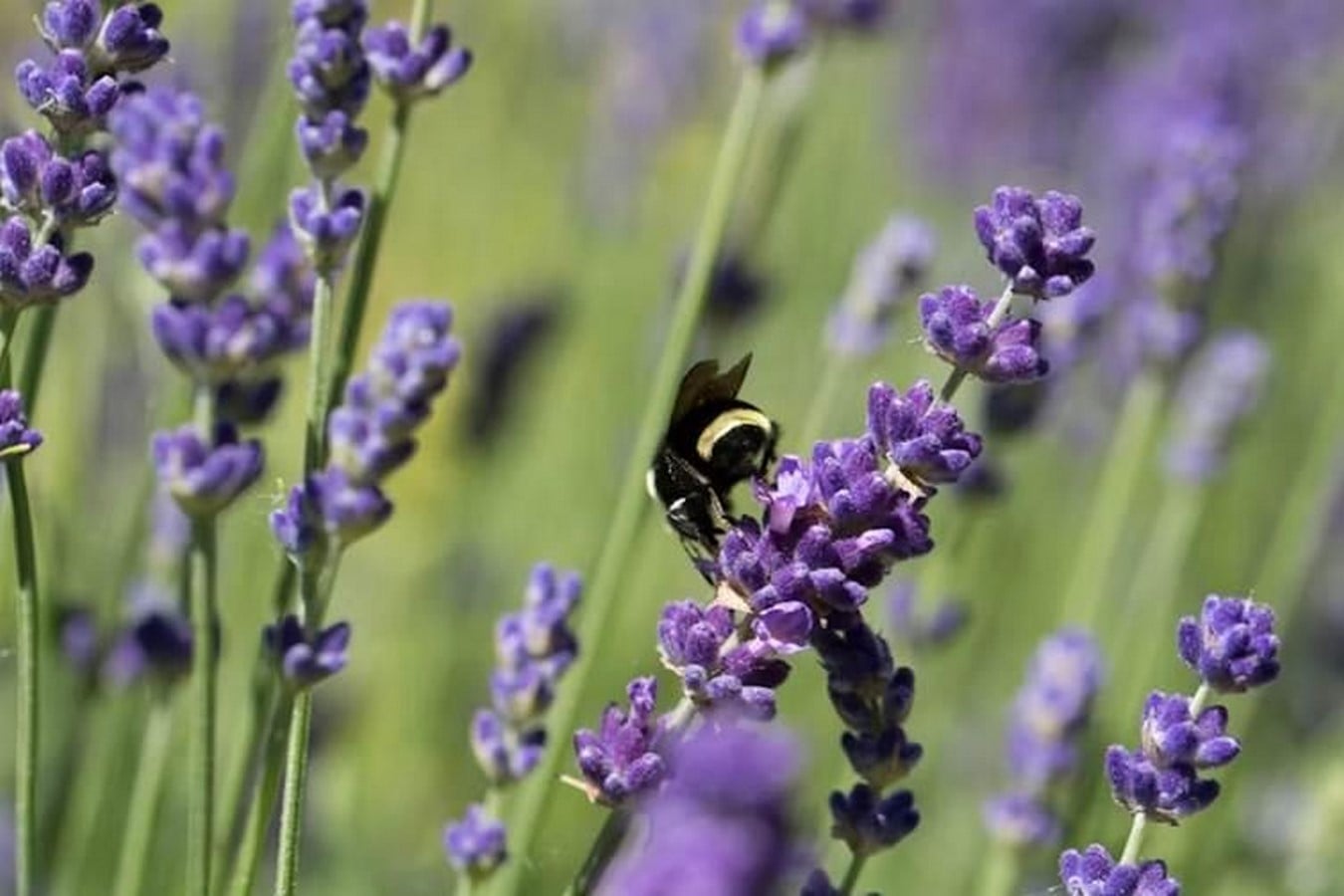
A more thoughtful approach doesn’t mean giving up green space; it means designing it with intention. Reduced-turf front gardens, layered planting, permeable ground cover and habitat-friendly meadows can all deliver the same visual softness a lawn provides, while asking far less of the surrounding ecosystem. Some municipalities have already begun restricting how much of a plot can be given over to conventional turf, effectively asking architecture and landscape design to solve a problem convention had long ignored. To a passer-by, the difference may appear subtle. Ecologically, however, replacing a lawn with native planting changes how rainwater is absorbed, supports pollinators, and reduces maintenance[5] .
A Quieter Kind of Beauty
None of this is an argument against green space around a building, only against the specific form it has taken for the last seventy years. A lawn that began as a marker of aristocratic leisure, and was later sustained by cheap water and heavy chemical use, was never the only option, and the evidence suggests it may not even be the best one. A meadow full of movement and insect life, or a modestly sized lawn bordered by native planting, can offer more to a street and its ecology than a uniform expanse of turf ever did. Architecture has long been comfortable questioning materials, structures and forms; it is time the same scrutiny reached the ground in front of the door. Perhaps the real measure of a successful front garden is no longer how perfectly it is trimmed, but how well it responds to the place it occupies. As architects rethink buildings for a changing climate, the ground surrounding those buildings deserves the same attention.[6]
References:
Green America (n.d.). Death of the American Lawn. [online]. Available at: https://greenamerica.org/death-american-lawn [Accessed 25 July 2026].
Kirby, C. et al. (2025). Alternative approaches to turf systems: A review of pollinator-friendly lawns. Crop Science. [online]. Available at: https://acsess.onlinelibrary.wiley.com/doi/10.1002/csc2.70143 [Accessed 25 July 2026].
McDermott, J. (2017). The Lawn Is the Ultimate Male Status Symbol. MEL Magazine. [online]. Available at: https://medium.com/mel-magazine/the-lawn-is-the-ultimate-male-status-symbol-64704d0f42f0 [Accessed 25 July 2026].
Population Media Center (2025). The Cost of Green Grass: How Our Lawns Are Wasting Water and Harming Biodiversity. [online]. Available at: https://www.populationmedia.org/the-latest/the-cost-of-green-grass-how-our-lawns-are-wasting-water-and-harming-biodiversity [Accessed 25 July 2026].
Steinberg, T. cited in Fox Weather (2022). How lawns became a status symbol in America. [online]. Available at: https://www.foxweather.com/lifestyle/lawns-history-status-symbol-america [Accessed 25 July 2026].
University of Maryland Extension (n.d.). Lawn Alternatives. [online]. Available at: https://extension.umd.edu/resource/lawn-alternatives [Accessed 25 July 2026].
US Environmental Protection Agency (n.d.). US Outdoor Water Use. WaterSense. [online]. Available at: https://19january2017snapshot.epa.gov/www3/watersense/pubs/outdoor.html [Accessed 25 July 2026].
Wikipedia (n.d.). Lawns in the United States. [online]. Available at: https://en.wikipedia.org/wiki/Lawns_in_the_United_States [Accessed 25 July 2026].