Animals-Birds-Other Species Friendly Architecture – Ways Architecture and Nature can be combined
In the realm of architecture, a groundbreaking concept has emerged, shifting the focus from traditional designs to a more sustainable and eco-friendly approach. “Animals-Birds-Other Species Friendly Architecture” is not just a trend; it’s a conscientious movement that places the well-being of our planet’s diverse inhabitants at the forefront of design considerations.
The Urgency of Wildlife-Friendly Architecture
-
Biodiversity Preservation
Preserving biodiversity is a critical aspect of sustainable development. Wildlife-friendly architecture aims to create spaces that coexist harmoniously with various species, fostering a healthier ecosystem.
-
Mitigating Urbanization Impact
As urban areas expand, natural habitats are disrupted, leading to a decline in wildlife populations. Architects and urban planners now face the challenge of designing spaces that accommodate both human needs and the needs of other species.
Design Principles and Typologies
-
Integration of Natural Elements
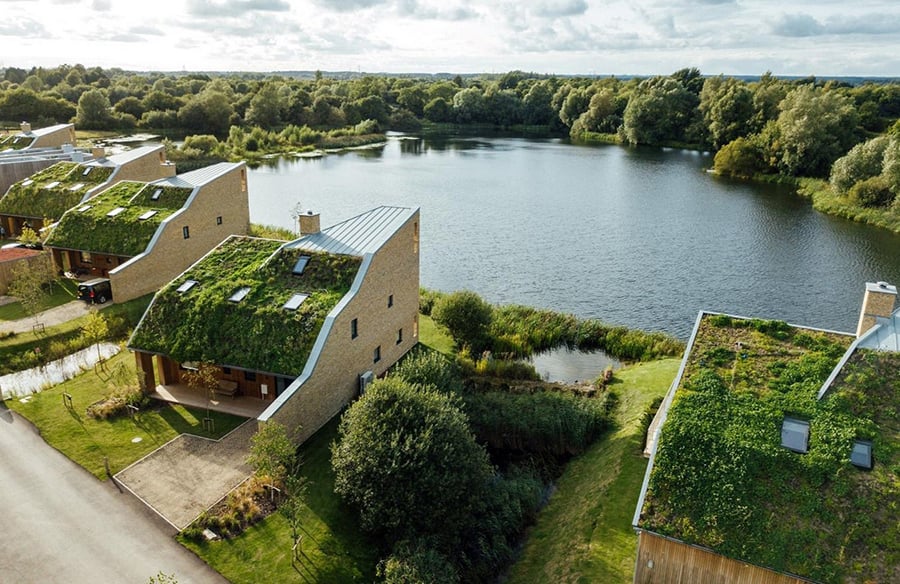
Incorporating natural elements into architectural designs is paramount. Green roofs, vertical gardens, and permeable surfaces not only enhance aesthetics but also create habitats for birds, insects, and small mammals.
-
Bridging Habitats
Architects can act as stewards of nature by designing structures that act as bridges between fragmented habitats. For example, wildlife corridors over highways enable the safe movement of animals, reducing the risk of collisions.
-
Sustainable Materials and Construction Practices
Choosing sustainable materials and construction practices minimizes the ecological footprint of a project. Architects need to consider the life cycle of materials and their impact on the environment.
Case Studies: Exemplifying Wildlife-Friendly Architecture
-
The Bosco Verticale, Milan
The Bosco Verticale, or Vertical Forest, designed by Stefano Boeri, is an iconic example of wildlife-friendly architecture. The building features a dense forest of trees and shrubs on its balconies, providing habitat and nesting spaces for birds.
-
The Animal Crossing, Netherlands
In the Netherlands, the construction of wildlife crossings over highways has proven effective in reducing the impact of roads on animal populations. These crossings, often integrated with lush greenery, enable safe passage for various species.
Education in Wildlife-Friendly Architecture
-
Curriculum Integration
Architecture schools are increasingly integrating courses on wildlife-friendly design into their curricula. Students learn not only the theoretical aspects but also engage in practical exercises to develop an understanding of the complexities involved.
-
Research and Innovation
Encouraging research and innovation in the field is essential. Students and researchers explore new materials, construction techniques, and design approaches that contribute to the evolution of wildlife-friendly architecture.
The Architect’s Role as a Guardian of Nature
Architects, as creators of the built environment, bear a significant responsibility in shaping a sustainable future. Embracing wildlife-friendly architecture requires a paradigm shift in design thinking, where every decision considers the broader impact on ecosystems.
Conclusion
“Animals-Birds-Other Species Friendly Architecture” is not merely a design trend; it’s a commitment to coexisting with nature. Architects, students, and educators must champion this cause, incorporating principles of wildlife-friendly design into every project. As the architectural landscape evolves, it is crucial to prioritize the well-being of all species, creating a built environment that harmonizes with the natural world. Embrace the paradigm shift, and together, let us build a future where architecture becomes a guardian of biodiversity.