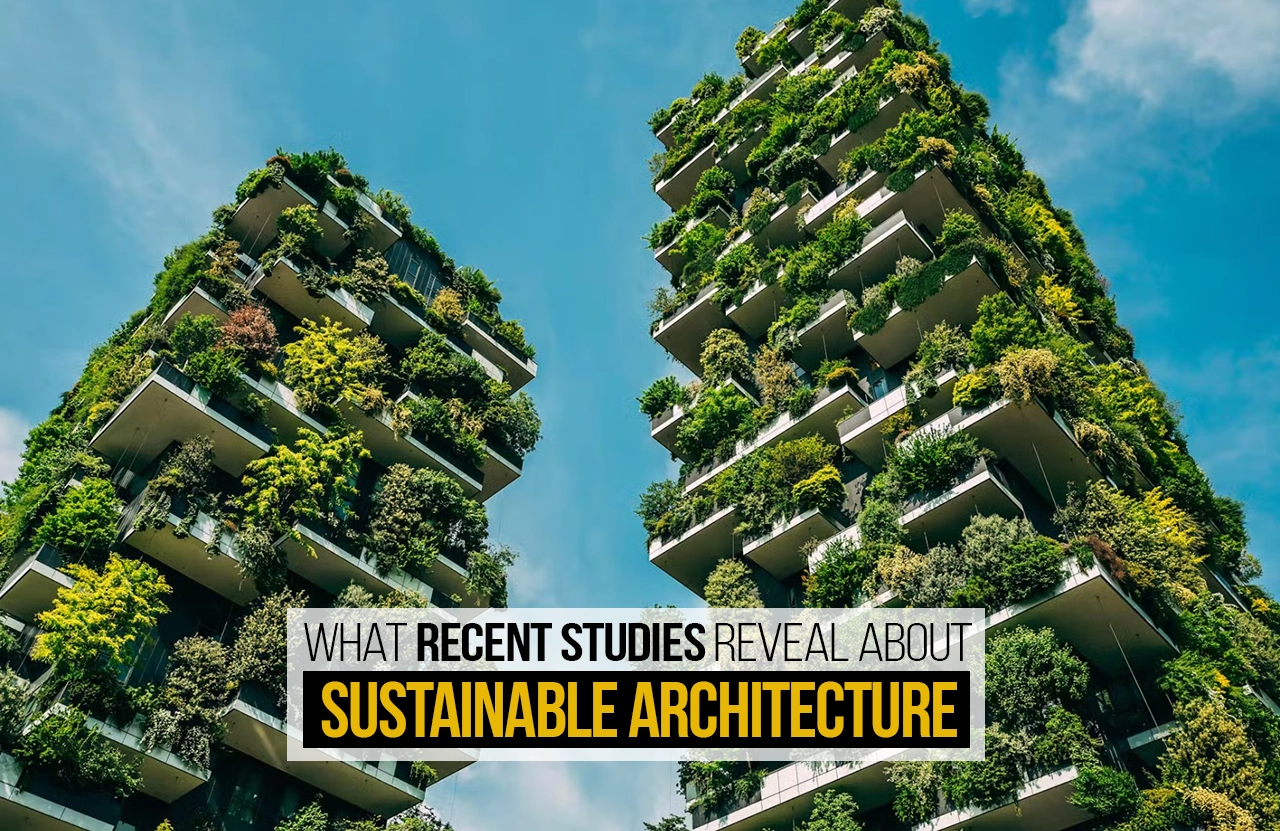
Sustainable Architecture Is Becoming Lifecycle-Focused
One of the strongest findings emerging from recent research is that architects must evaluate buildings across their entire lifespan rather than focusing only on energy bills. Life Cycle Assessment (LCA) has become the preferred method for measuring environmental performance because it captures both operational carbon and embodied carbon—the emissions produced during material extraction, manufacturing, transportation, construction, maintenance, and demolition.
Researchers now argue that embodied carbon can account for a significant share of a building’s total emissions, particularly in highly energy-efficient buildings where operational energy has already been reduced. This means architects must make sustainable decisions long before construction begins.
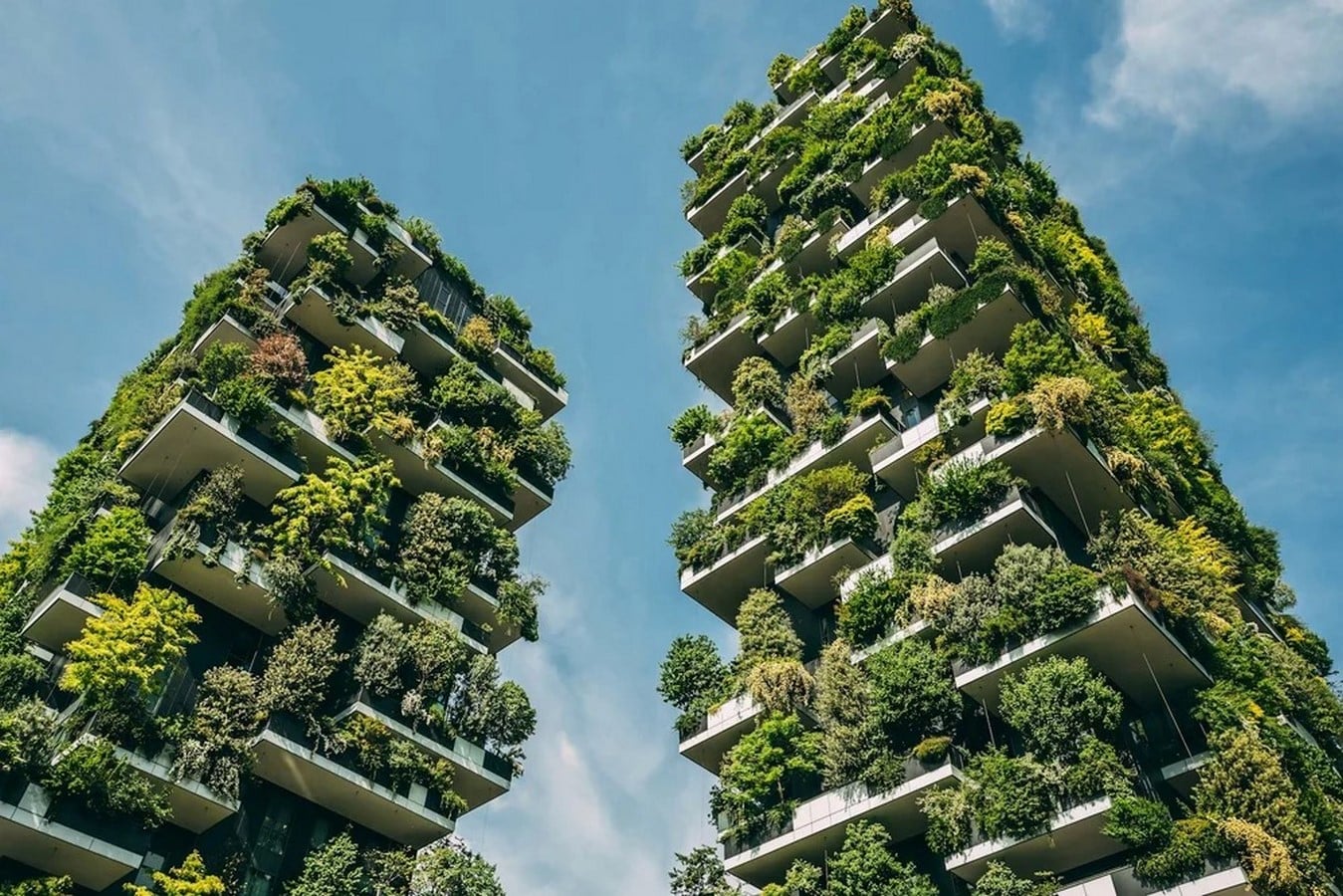
Embodied Carbon Is the New Design Priority
Recent studies consistently identify embodied carbon as one of the biggest challenges facing the construction industry. Materials such as cement and steel contribute substantially to global carbon emissions, encouraging researchers to investigate alternatives including engineered timber, recycled steel, geopolymer concrete, bamboo, rammed earth, and other bio-based materials.
Instead of asking, “How much energy will this building consume?” architects are increasingly asking, “How much carbon does this building create before anyone even occupies it?”
This shift is fundamentally changing material selection and structural design during the earliest design stages.
Passive Design Remains the Most Effective Strategy
Despite rapid technological innovation, recent research confirms that passive design continues to outperform many technology-dependent solutions. A large parametric study involving nearly half a million building models found that factors such as building form, insulation quality, and structural material have a greater influence on long-term carbon performance than many mechanical upgrades.
Design strategies including:
- Proper building orientation
- Optimised window-to-wall ratios
- External shading devices
- Cross ventilation
- Thermal mass
- High-performance building envelopes
consistently reduce energy demand while improving indoor comfort.
Rather than replacing passive principles with technology, researchers recommend integrating passive design before considering active systems.
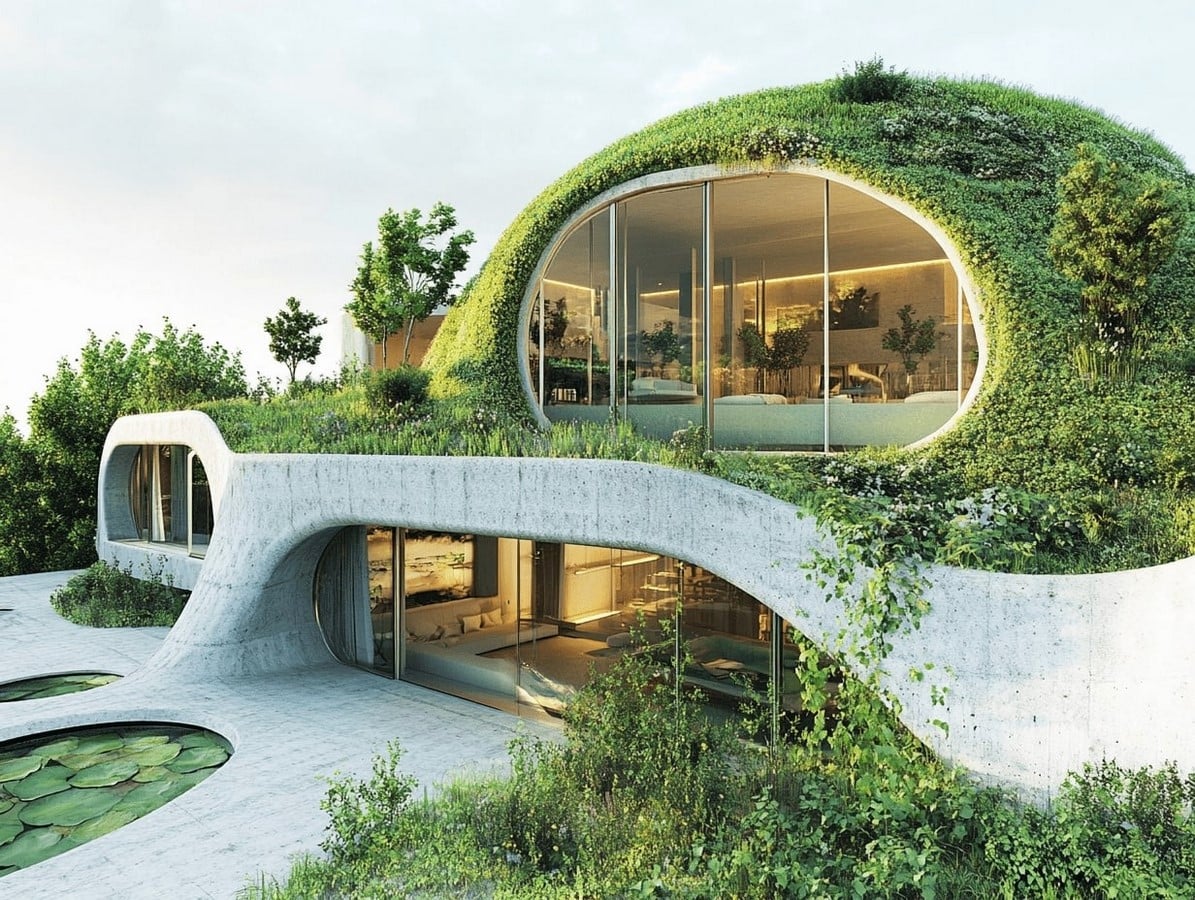
Circular Design Is Replacing Demolish-and-Rebuild
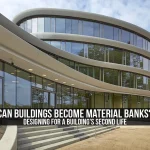
Another significant trend is the growing emphasis on circular construction. Instead of demolishing ageing buildings, architects are increasingly encouraged to retrofit, adapt, and reuse existing structures.
Recent industry research demonstrates that preserving structural frames can dramatically reduce embodied carbon while lowering construction costs and shortening project timelines. Material reuse, design for disassembly, and modular construction are emerging as essential components of sustainable practice.
This marks a shift from designing buildings that simply last longer to designing buildings whose materials remain valuable throughout multiple life cycles.
Artificial Intelligence and BIM Are Supporting Sustainability
Digital technologies are transforming sustainable decision-making.
Recent studies demonstrate how Building Information Modelling (BIM), artificial intelligence, and Internet of Things (IoT) systems enable architects to:
- Monitor real-time carbon emissions
- Simulate energy performance
- Compare material alternatives
- Optimise daylight and ventilation
- Predict operational efficiency before construction begins
These digital tools help architects make informed sustainability decisions much earlier in the design process, when changes have the greatest environmental impact.
Bio-Based Materials Are Gaining Scientific Support
Research increasingly supports renewable and bio-based materials as viable alternatives to conventional construction.
Recent life-cycle assessments of prefabricated straw-based Passive Houses demonstrate substantial reductions in embodied carbon while maintaining excellent thermal performance. Similar research into timber, hemp, compressed earth blocks, and bamboo highlights their potential to store carbon, improve insulation, and reduce reliance on carbon-intensive materials.
These materials also align with local construction traditions in many regions, making sustainability culturally relevant rather than technologically exclusive.
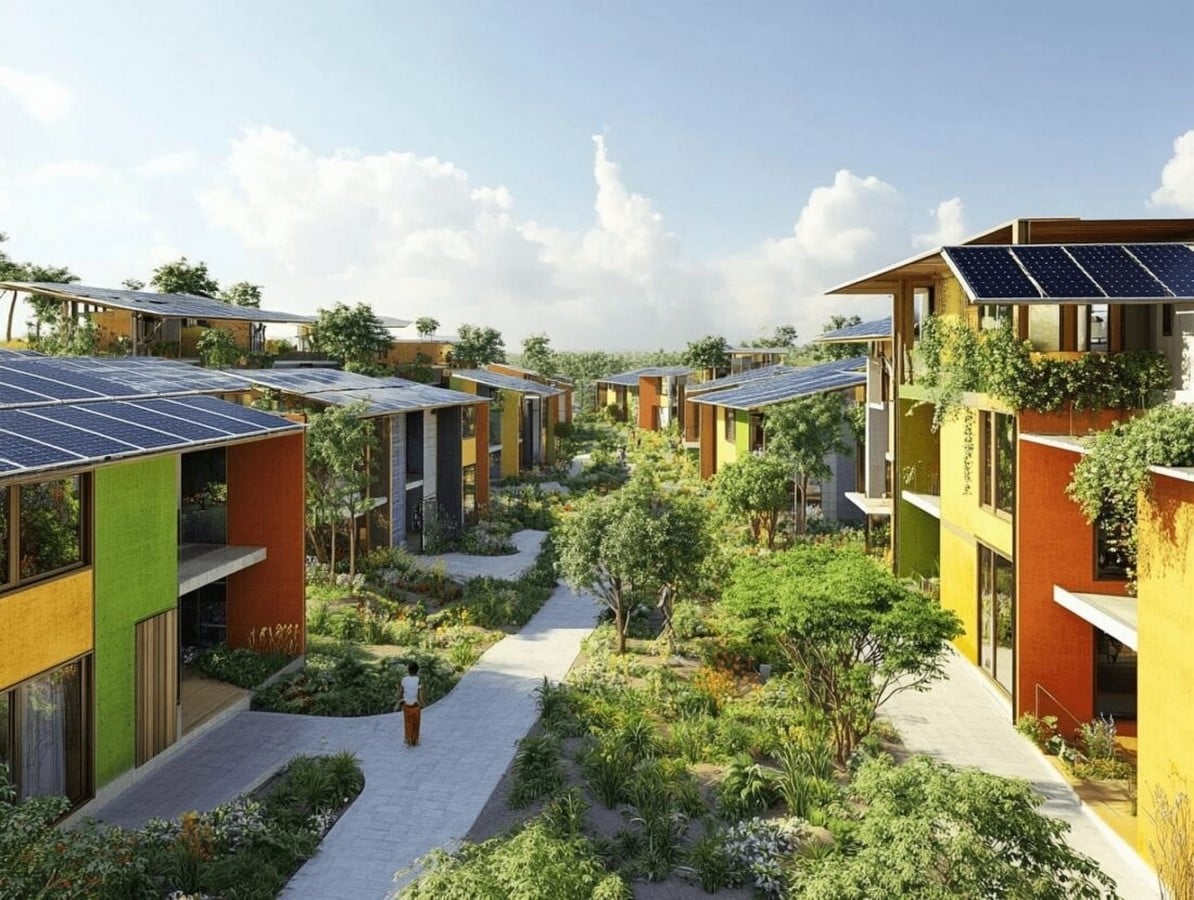
Climate Adaptation Is Becoming Central
Modern Sustainable Architecture is no longer focused only on reducing emissions. Buildings must also remain resilient under increasingly extreme climate conditions.
Recent research emphasises designing for:
- Heatwaves
- Flood resilience
- Water scarcity
- Natural ventilation during power failures
- Improved indoor thermal comfort
Studies using simulation and machine learning show that climate-responsive design decisions—such as façade configuration, orientation, and shading—can significantly improve both comfort and environmental performance across different climates.
The Future Lies in Integrated Design
Perhaps the most important conclusion emerging from recent studies is that no single technology can create a sustainable building.
The highest-performing projects combine:
- Passive environmental design
- Low-carbon materials
- Renewable energy systems
- Efficient building envelopes
- Smart operational technologies
- Circular construction principles
- Lifecycle carbon assessment
Researchers consistently describe sustainability as an integrated design process rather than a collection of isolated features.
Recent research demonstrates that Sustainable Architecture is evolving beyond energy-efficient buildings into a holistic approach that considers carbon emissions, material lifecycles, resilience, occupant well-being, and long-term adaptability. Architects are increasingly expected to make environmentally responsible decisions from the earliest concept sketches through construction and eventual reuse.
The evidence is clear: the most sustainable buildings are not necessarily those with the most advanced technologies. They are the buildings that respond intelligently to climate, use resources responsibly, minimise embodied carbon, and remain adaptable for generations. As climate challenges intensify, the future of architecture will depend less on building more and more on building better.