A Global Transition toward Decentralized Systems
The global landscape is currently undergoing a profound transition due to the climate emergency, social injustice, and rapid advancement of transformative technologies. This shift is moving contemporary society away from traditional, rigid hierarchical models of control toward more collaborative, decentralised, and resilient frameworks. As centralised systems often introduce single points of failure and decision delays, there is an urgent need to adopt human-centric architectures that move control from one central group to distributed networks. Two critical pillars of this emerging paradigm are collaborative governance and distributed design. They replace old wasteful systems with smart local creations. Collaborative governance lets people share decisions. Distributed design lets people make things locally. By integrating these models, one can begin to build a planetary society capable of generating value and distributing it locally while remaining globally connected.
Collaborative Governance as a Human-Centric Model
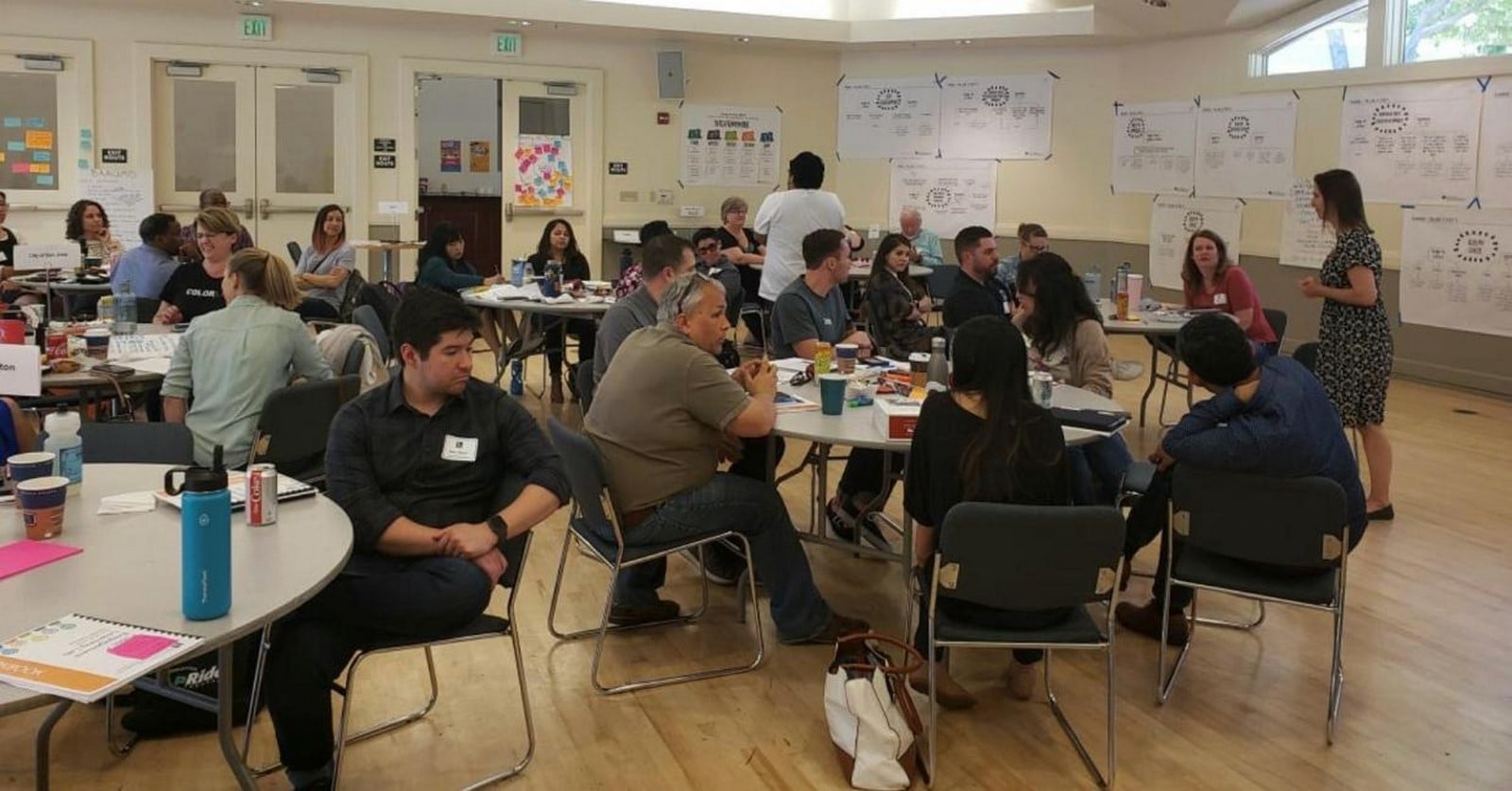
Collaborative governance is defined as an inclusive system where public agencies, private groups, and citizens work together. This model is particularly appropriate when seeking to change population-level outcomes and the underlying conditions such as poverty, structural inequality, or policy gaps. Unlike traditional governance, the collaborative model is built slowly to meet the needs of the community. This governance prioritises flexible, open systems that let people closest to the problems make decisions. Power moves away from a single central group to the public.
The Three Phases of Collaborative Governance
The evolution of collaborative governance typically proceeds through three developmental phases: building readiness, creating foundations for a shared agenda, and scaling for impact. The initial “building readiness” phase focuses on establishing a shared understanding of a challenge and testing early ideas before launching a large project. As the initiative matures into the “foundations” phase, it builds the necessary infrastructure to create stronger groups with more power to guide a shared plan. Finally, the “scaling for impact” phase integrates new ways of working into the system’s design, ensuring long-term systemic change and collective learning based on real-time feedback. This process requires a fundamental shift by bringing local expertise to the decision-making table.
Distributed Design: From Global Digital Data to Local Production
The core philosophy of distributed design is “bits travel globally, while atoms stay local,” which proposes a networked approach where design data is shared across global digital platforms while physical production is situated in local workshops, Fab Labs, or makerspaces. By leveraging global infrastructure networks like Fab Labs and makerspaces, designers gain access to digital tools instead of heavy physical items. This approach facilitates hyper-customised design solutions that can meet specific user needs through digital modelling. Physical production spaces act as “third places” that humanise advanced manufacturing, providing a window through which citizens can see, touch, and join in high-tech creation. This connection makes advanced industry feel open and friendly instead of cold and distant.
The Five Principles of Distributed Innovation
To function effectively, these distributed networks must adopt a model of Distributed Innovation, which is based on five key factors: impact, people, openness, benefit, and the network itself. This model stems from the needs of the planet and its people, prioritising economic sustainability over profit maximisation. It requires the active involvement of communities, not just influential figures, as users and communities play a vital role in implementing and disseminating innovation. True distributed innovation depends on the free circulation of ideas rather than the protection of intellectual property, ensuring that positive impacts scale by replication rather than by growing centralised structures. Furthermore, if innovation is distributed, the benefits it generates must also be fairly redistributed across the network.
Decentralised Architecture and the Elimination of Bottlenecks
The efficiency of these decentralised networks is often measured by their ability to eliminate architectural bottlenecks. A Human-Centric Decentralised System Architecture provides a four-layer model including strategic human decisions, decentralised coordination, autonomous agents, and technical infrastructure that reduces these restrictive points. Research suggests that such architectures can improve Collective Intelligence Scores (CIS) by over 128% compared to centralised systems. This removes a single point of failure and lets the system process more information at once. Most importantly, these decentralised systems demonstrate consistently high resilience. Under stress or targeted failure, they experience graceful degradation where centralized models would likely collapse.
Post-Pandemic Collaboration and the Rise of Digital Nomadism
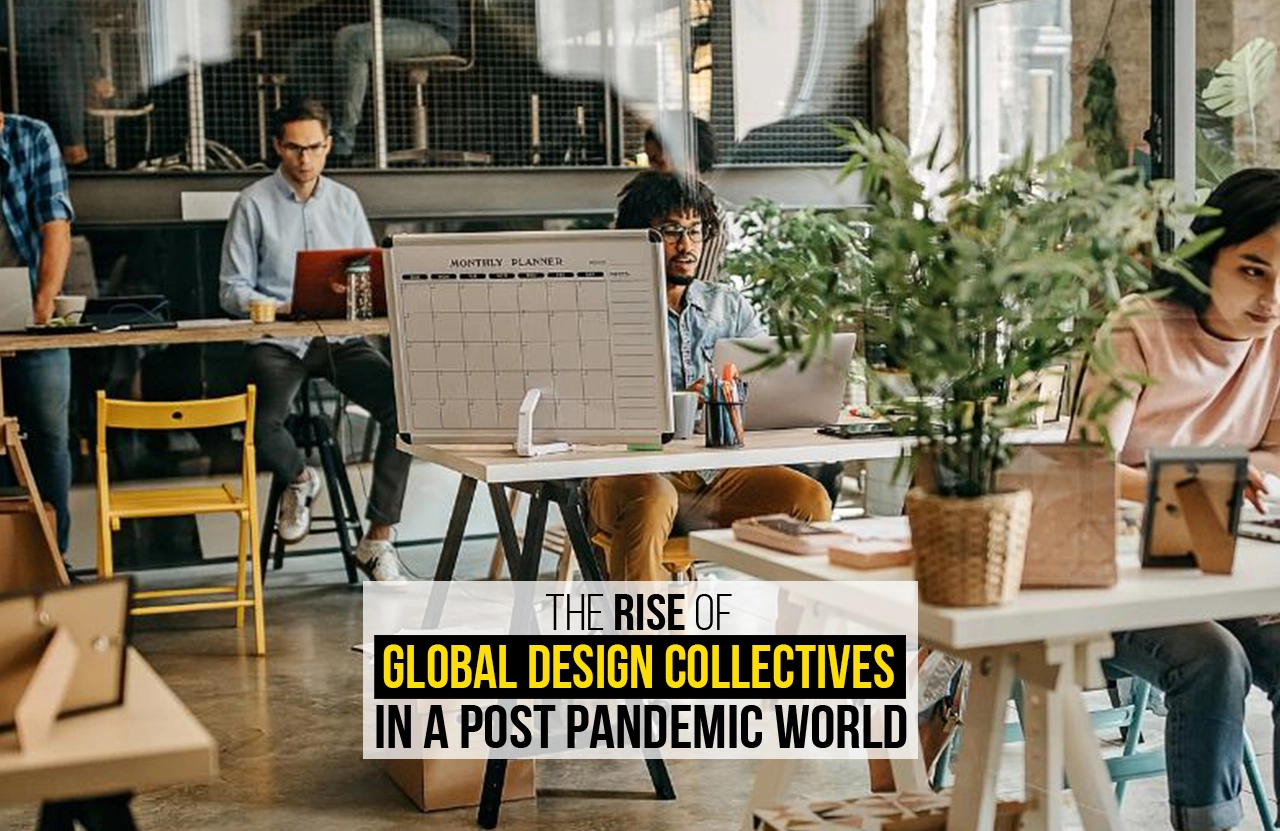
The post-pandemic world has further normalised remote work and highlighted the critical importance of local communities. The pandemic showed that when faced with a global challenge, designers were able to collaborate online to build open-source medical supplies. People shared digital blueprints online so local teams could print those quickly using 3D printers when factories could not keep up with demand. However, this shift has also seen the rise of digital nomadism, a hybrid form of mobility that combines remote work with global travel. While digital nomadism embodies a narrative of freedom and flexibility, it also strains traditional pillars of the nation-state by detaching work and residence from physical tax jurisdiction and local social systems. This creates “liquid citizenship” that requires new, territorially sensitive planning strategies to reconcile global mobility with social equity.

Distributed Design and the Circular Economy
As these models continue to evolve, they are becoming increasingly integrated with circular economy principles. It replaces the old “take-make-waste” system with a closed-loop system. It keeps resources in use for as long as possible, managing waste and pollution from the start. It also works to restore natural systems. In this framework, designs are shared digital blueprints that can be adapted and manufactured on-demand using local material supply chains. Local makers use digital tools like 3D printers to build the products right where they are needed. Projects like the “Digital Biofabrication Node” in Chile exemplify this by transforming local agro-industrial organic waste into bioproducts using low-cost, open-hardware laboratories. This “cosmolocal” approach allows local communities to interact on a global scale to share designs while manufacturing solutions such as agricultural tools or medical equipment locally in makerspaces, thereby increasing their autonomy and reducing environmental impacts.
Glocalisation and the Transformation of Design Culture
This geographic and cultural mutation is irreversibly transforming the definition of design, moving away from old Western rules of beauty and style. From Lagos to Mumbai, new creative hubs are asserting their specific identities by blending local cultural motifs and heritage crafts with advanced tools like 3D printing. This “glocalisation” refuses the binary opposition between tradition and modernity, recognising that culture grows and changes as people mix them together.
Designer Collectives and Communities of Professional Learning
Designer collectives, such as “Danish Design Makers,” serve as social systems of professional learning where creators share resources and build business together. Members learn from each other, share business risks, and define industry standards as a community. These collectives emphasize helpfulness over competition, allowing designers to shape their market identities. Such communities are vital for identity transformation as they not only provide emotional support but also support with professional growth.
Emerging Technologies for Distributed Collaboration
Technological advancements such as Extended Reality (XR) and blockchain-based smart contracts are poised to further enhance these distributed practices. XR can support collaborative processes by building virtual spaces and equipment, while blockchain-based contracts handle rules and money without any middlemen. These digital aids help bear the cognitive load of designing complex architectures and allow small, remote teams to plan advanced products quickly. Furthermore, tools like generative design use AI algorithms to explore thousands of design options based on set goals, enabling small ventures to adapt designs to local resources and needs strategically.

Forensic Architecture, Accountability, and Critical Design
Finally, as we build these new systems, we must ensure they are grounded in accountability and critical analysis. The work of Forensic Architecture demonstrates how architectural analysis uses 3D modelling, open-source video, and synchronised timelines to reconstruct human rights violations. This practice highlights that investigation is not only about taking stock of the past but also about creating a safe future. By embedding principles of openness, inclusivity, and sustainability into our designs and governance, we can move toward a truly multipolar world where every human community thrives as a vital part of our shared future. Design’s future must balance opposite forces. It must be simultaneously global and local; high-tech and artisanal design loses its meaning and value.
Citations-
- https://thehardcopy.co/design-in-a-post-covid-world/
- Jennings W(2022). Forensic Architecture: can architectural analysis hold power to account?Available at: https://www.wallpaper.com/architecture/forensic-architecture-architectural-analysis-hold-power-to-account
- https://hartdesignselection.com/en/global-design-2010-2025-when-creativity-becomes-simultaneously-globalized-and-localized/
- https://impactfactor.org/PDF/IJDDT/16/IJDDT,Vol16,Issue22s,Article99.pdf
- Nedergaard N(2025). The designer collective as a social system of professional learning and development Available at: file:///C:/Users/hp/Downloads/6086+Nedergaard+for+publication.pdf
- https://distributeddesign.eu/wp-content/uploads/2021/10/This-Is-Distributed-Design-Book-by-Distributed-Design-Platform.pdf