Imagine turning a corner in a city and suddenly finding yourself staring at a giant fish, a blooming lotus, or a building that seems to breathe like a beehive. At first, these structures might feel playful, strange or even surreal. But look closer, and they reveal something deeper than unusual appearances. Some imitate the strength of a shell; others borrow the efficiency of a termite mound, while a few simply celebrate the beauty of the natural world. The weirdest buildings are often those that challenge our expectations, proving that architecture does not always have to begin with straight lines or familiar forms. Sometimes, the greatest designer has already solved the problem millions of years ago through evolution.
When Nature Becomes the Architect
For centuries, architects have looked toward nature for inspiration. Ancient builders observed bird nests for shelter, while modern designers study insects to improve ventilation and energy efficiency. The difference today is that technology allows architects to transform these observations into bold, sculptural buildings that seem almost alive. The weirdest buildings are rarely created simply to shock people. Instead, they explore how natural systems can solve structural, environmental and aesthetic challenges in ways conventional architecture often cannot.
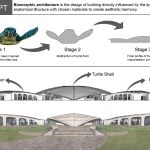
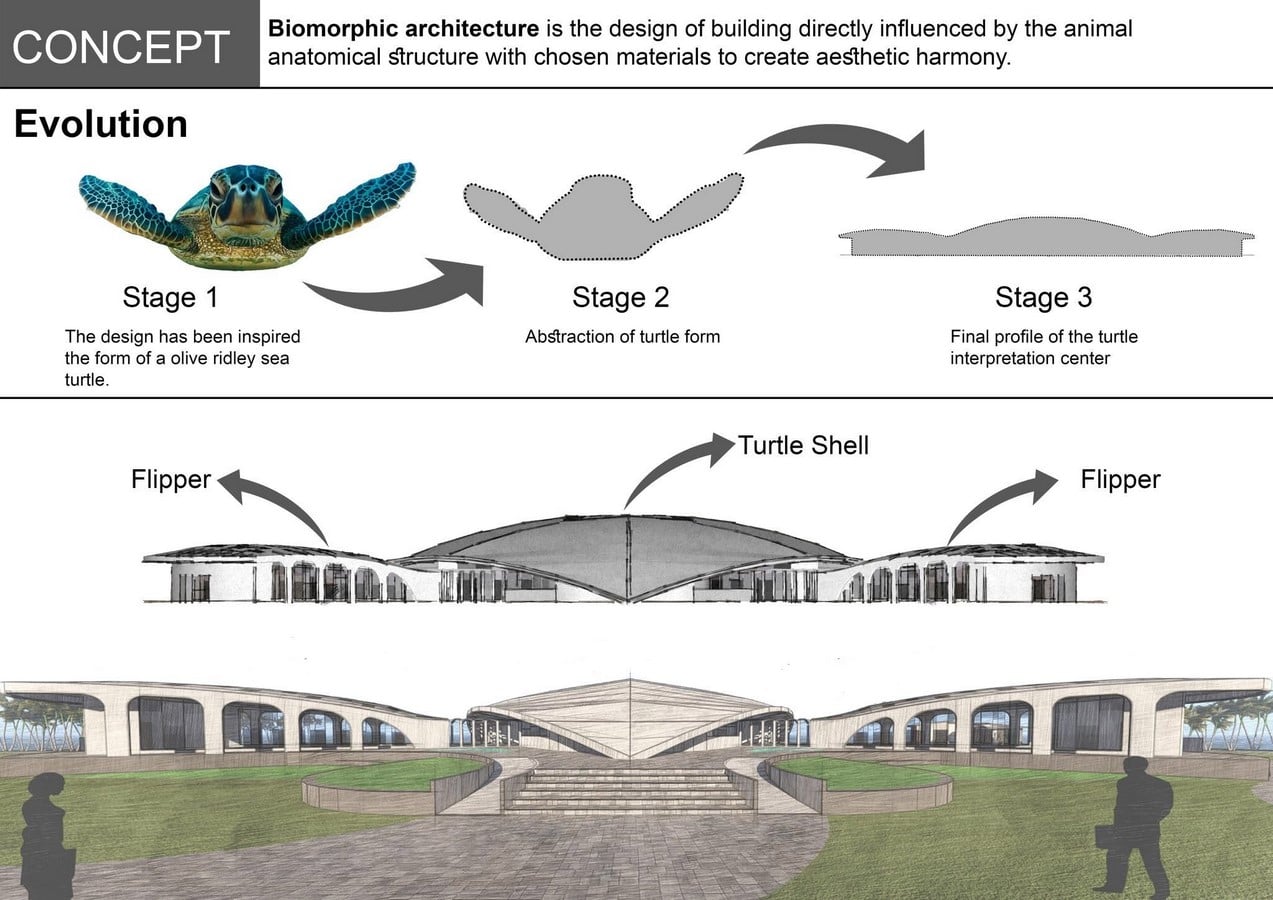
Biomimicry has become an important design philosophy because animals and insects have evolved efficient solutions to survive harsh climates, reduce energy use and maximise structural strength. Whether it is the lightweight skeleton of a bird, the cooling system of a termite mound or the protective shell of an armadillo, nature provides ideas that architects reinterpret into built form. As these concepts move from research laboratories into real cities, buildings inspired by living creatures are becoming both functional and memorable.
A Lotus Rising Above the City
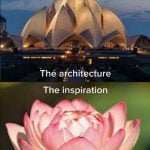
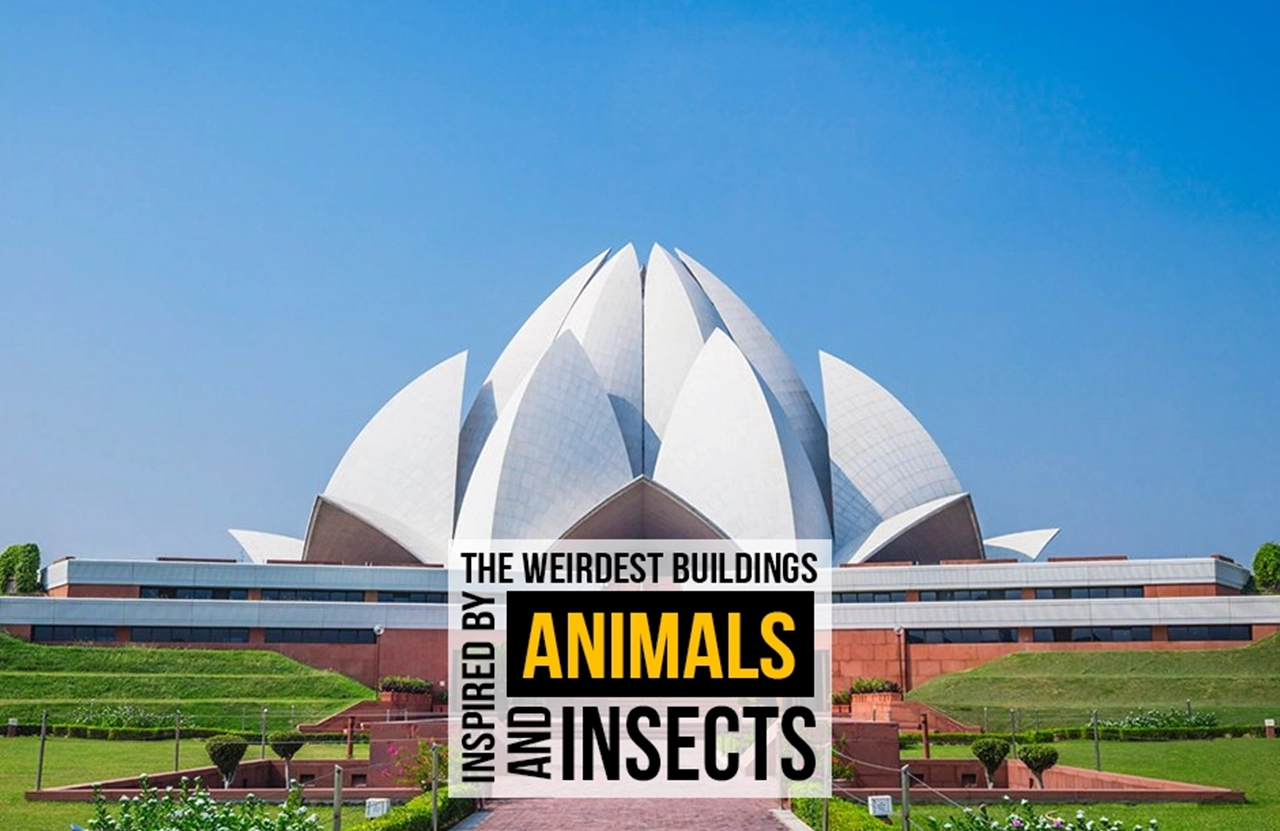
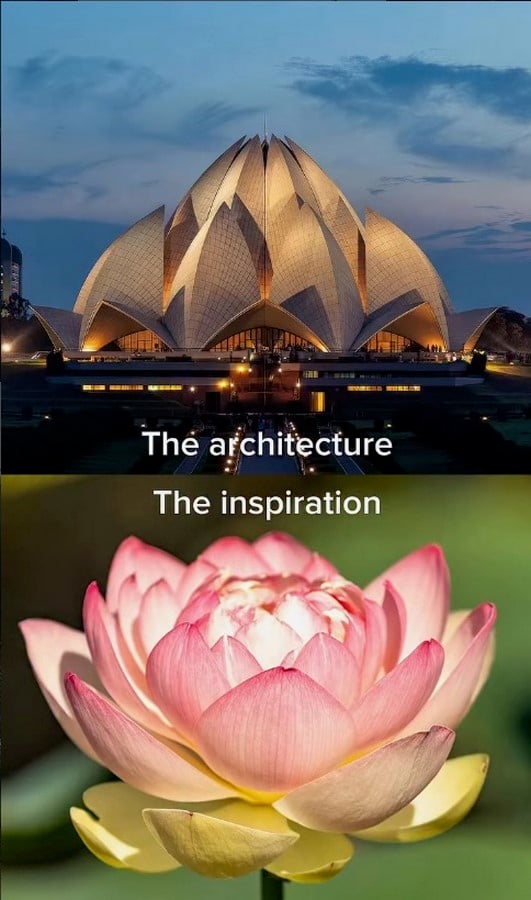
Among the most recognizable examples is the Lotus Temple in New Delhi. Inspired by the petals of a blooming lotus flower, the structure appears almost weightless despite being built from massive concrete shells clad in white marble. While the lotus represents purity in several cultures, its architectural expression creates more than symbolism. The layered petals naturally guide daylight into the prayer hall while surrounding pools help moderate the local microclimate. The building demonstrates that forms inspired by nature can create emotional experiences alongside environmental benefits.
Although flowers are not animals, the same philosophy extends to wildlife-inspired architecture. Buildings shaped like birds, fish or insects often attract attention because they challenge traditional expectations of urban design. The weirdest buildings remind visitors that architecture can communicate stories before anyone even enters the building. Their forms become landmarks, making them instantly recognizable while encouraging curiosity about the ideas behind their unusual appearance.
Learning from the Smallest Engineers
Some of the most fascinating architectural lessons come from insects rather than large animals. The Eastgate Centre in Harare, Zimbabwe, famously borrowed ideas from termite mounds. Despite the region’s extreme temperatures, termite colonies maintain remarkably stable internal conditions through an intricate network of tunnels that regulate airflow. Architect Mick Pearce adapted similar principles to create a naturally ventilated commercial building that significantly reduces dependence on mechanical air conditioning.
This example shows that the weirdest buildings are not always visually eccentric. Sometimes, the unusual aspect lies hidden within their performance. Instead of copying the appearance of a termite mound, the building copies its intelligence. Such projects demonstrate that nature offers far more than decorative inspiration. It provides engineering solutions that reduce energy consumption, improve occupant comfort and encourage sustainable design practices. As climate challenges continue to grow, architects increasingly recognise insects as surprisingly sophisticated teachers.
Buildings that Look Ready to Walk Away
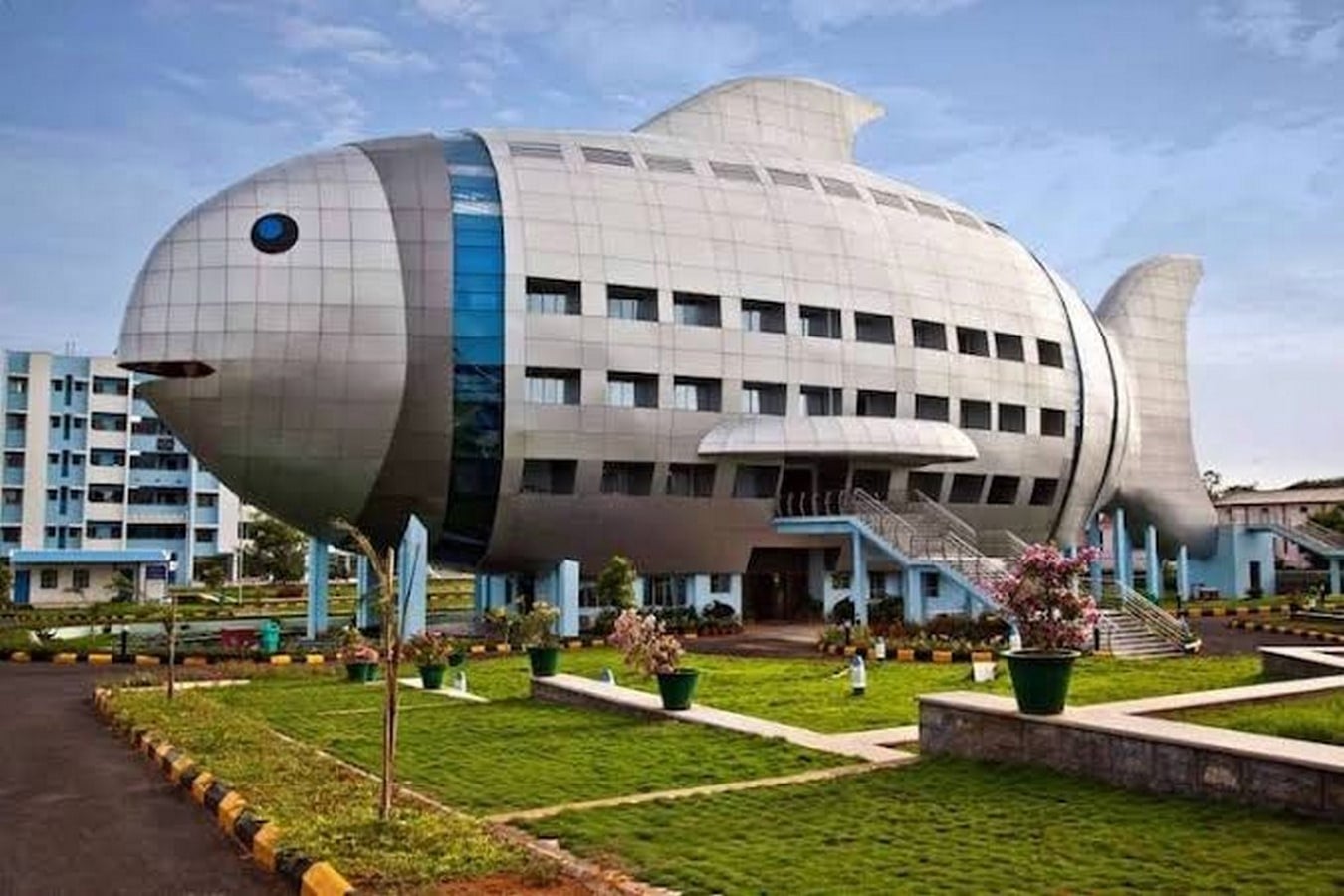
Across the world, some architects have embraced literal animal forms. The Big Duck in New York resembles an enormous white duck standing beside the road, originally serving as a shop selling duck products. Meanwhile, the National Fisheries Development Board headquarters in Hyderabad takes the shape of a giant fish, instantly reflecting the institution’s purpose. These buildings blur the boundary between sculpture, branding and architecture, transforming everyday functions into unforgettable experiences.
Such designs often divide public opinion. Critics argue they prioritise spectacle over practicality, while supporters believe they create stronger emotional connections with visitors. Either way, the weirdest buildings become cultural landmarks precisely because they refuse to disappear into the background. Their playful forms invite conversation, tourism and public engagement, proving that architecture can communicate through humour as effectively as through formal monumentality.
The Protective Genius of Shells and Skeletons
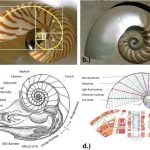
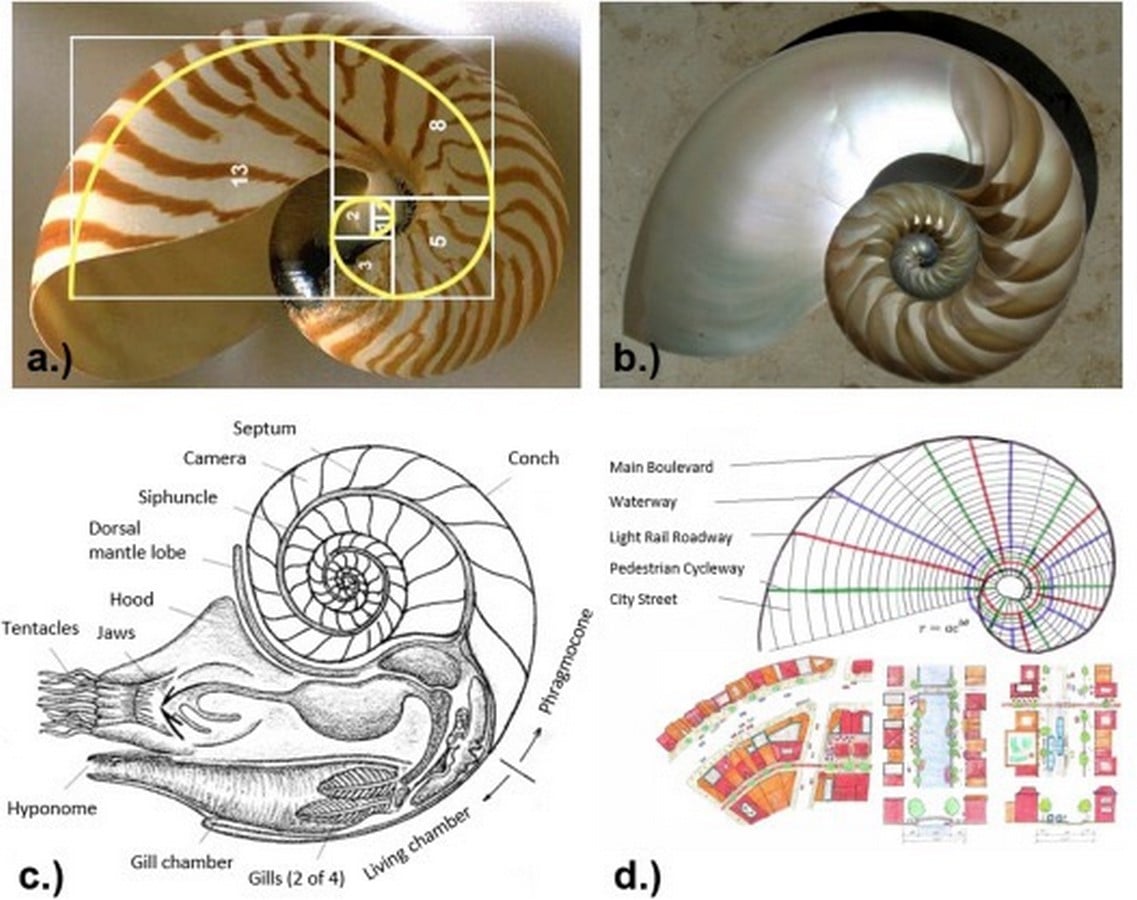
Nature’s structural efficiency extends beyond appearance. Shells, exoskeletons and bones distribute loads using remarkably little material, inspiring lightweight architectural systems across the world. Stadium roofs, exhibition pavilions and transportation hubs increasingly employ lattice structures resembling the microscopic patterns found in bird bones or sea creatures. These systems achieve impressive spans while minimising material consumption, demonstrating that beauty and efficiency often emerge together.
The weirdest buildings frequently appear unconventional because they reject traditional walls and columns in favor of organic geometries. Digital design software and robotic fabrication now allow architects to construct forms that were nearly impossible a generation ago. Instead of forcing buildings into rigid boxes, designers can develop fluid structures that behave more like natural organisms. As engineering advances continue, architecture grows increasingly capable of expressing the complexity already found in biology.
Why These Strange Forms Matter
At first glance, buildings inspired by animals and insects may seem like architectural curiosities designed only to surprise people. Yet beneath their unusual appearance lies a serious conversation about sustainability, identity and innovation. Climate change, resource scarcity and growing urban populations demand new approaches to design and nature offers a library of tested solutions refined over millions of years. The weirdest buildings therefore represent experiments in thinking differently rather than simply building differently.
For architects, these projects encourage observation before invention. Instead of asking how to create another iconic structure, they ask how birds, insects or marine creatures already solve similar challenges. Designers increasingly realise that originality does not always come from ignoring nature but from understanding it more deeply. As society searches for resilient and environmentally responsible architects, perhaps the strangest buildings today will become the standard models of tomorrow. After all, the greatest architectural mentor has always been quietly flying, crawling, swimming and growing around us.
References:
Benyus, J.M. (2002) Biomimicry: Innovation Inspired by Nature. New York: Harper Perennial.
Pawlyn, M. (2016) Biomimicry in Architecture. 2nd ed. London: RIBA Publishing.
Pearce, M. (1996) Eastgate Centre, Harare. Available through project publications and architectural documentation.
Bahá’í World Centre (n.d.) Lotus Temple, New Delhi.
National Park Service (n.d.) The Big Duck, Flanders, New York.
National Fisheries Development Board (n.d.) Headquarters Building, Hyderabad.