Architecture extends beyond the art of designing, it is of great significance because it reveals how spaces, buildings and urban plans influence, and reflects social relations and ideologies. India’s architectural landscape is deeply intertwined with its complex political history.
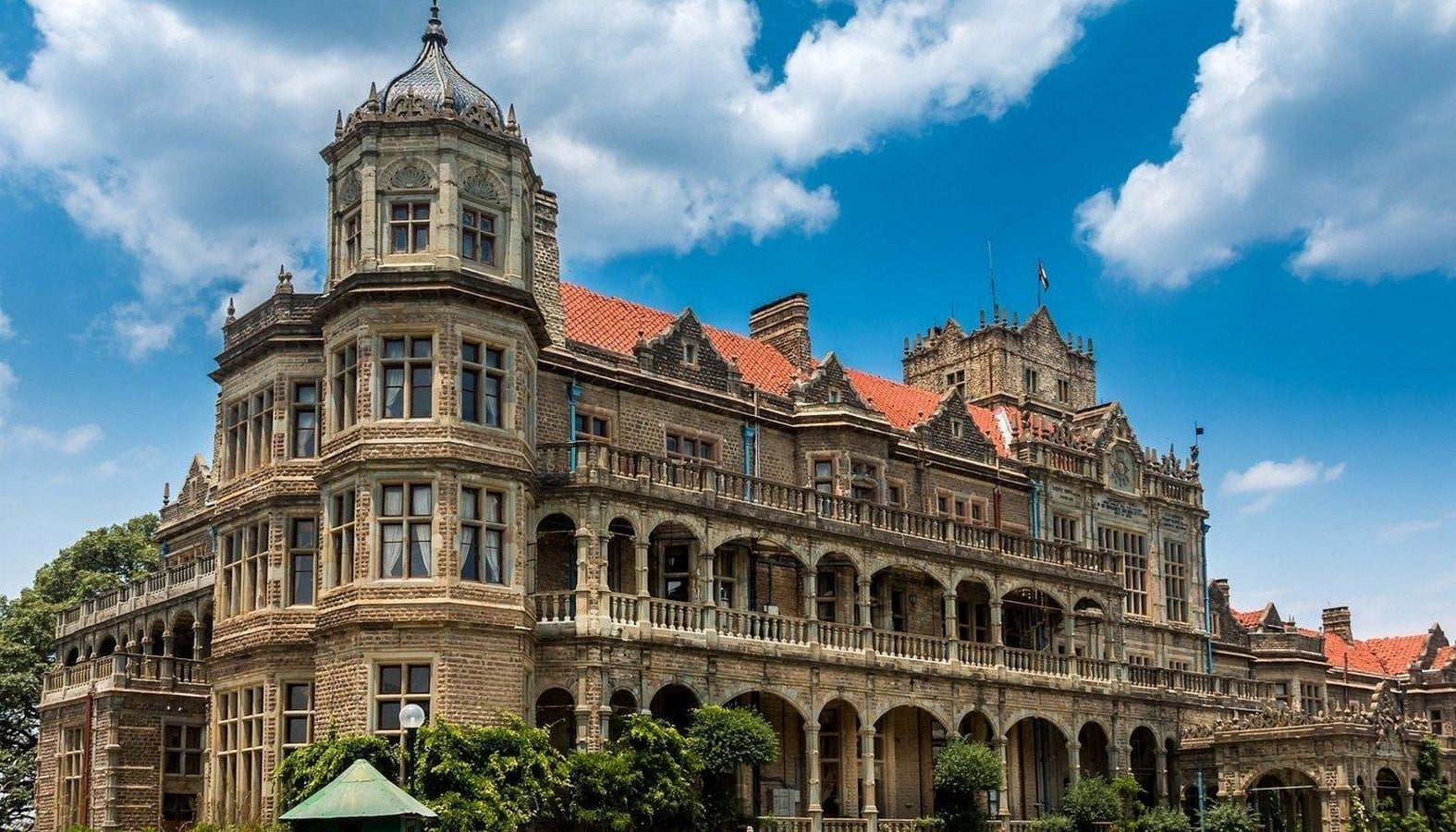
During the colonial era the British authorities introduced Western architectural styles, such as Gothic and Victorian, on Indian cities, erasing local traditions and Colonial architecture, like the Vice Regal Lodge in Shimla served as symbols of British power and dominance.
Following independence, Jawaharlal Nehru’s vision for modern India led to the adoption of modernist architecture, emphasizing functionality and simplicity. Le Corbusier’s design for Chandigarh, the capital of Punjab and Haryana, reflected the government’s commitment to modernity and urban planning.
In the contemporary era of today’s, the rise of Hindu nationalist politics has led to the promotion of traditional Hindu architectural styles, such as the reconstruction of the Ram Temple in Ayodhya. Government initiatives, like the Smart Cities Mission, have been criticized for prioritizing surveillance and control over inclusive and equitable urban development.
Regional Politics and Architecture
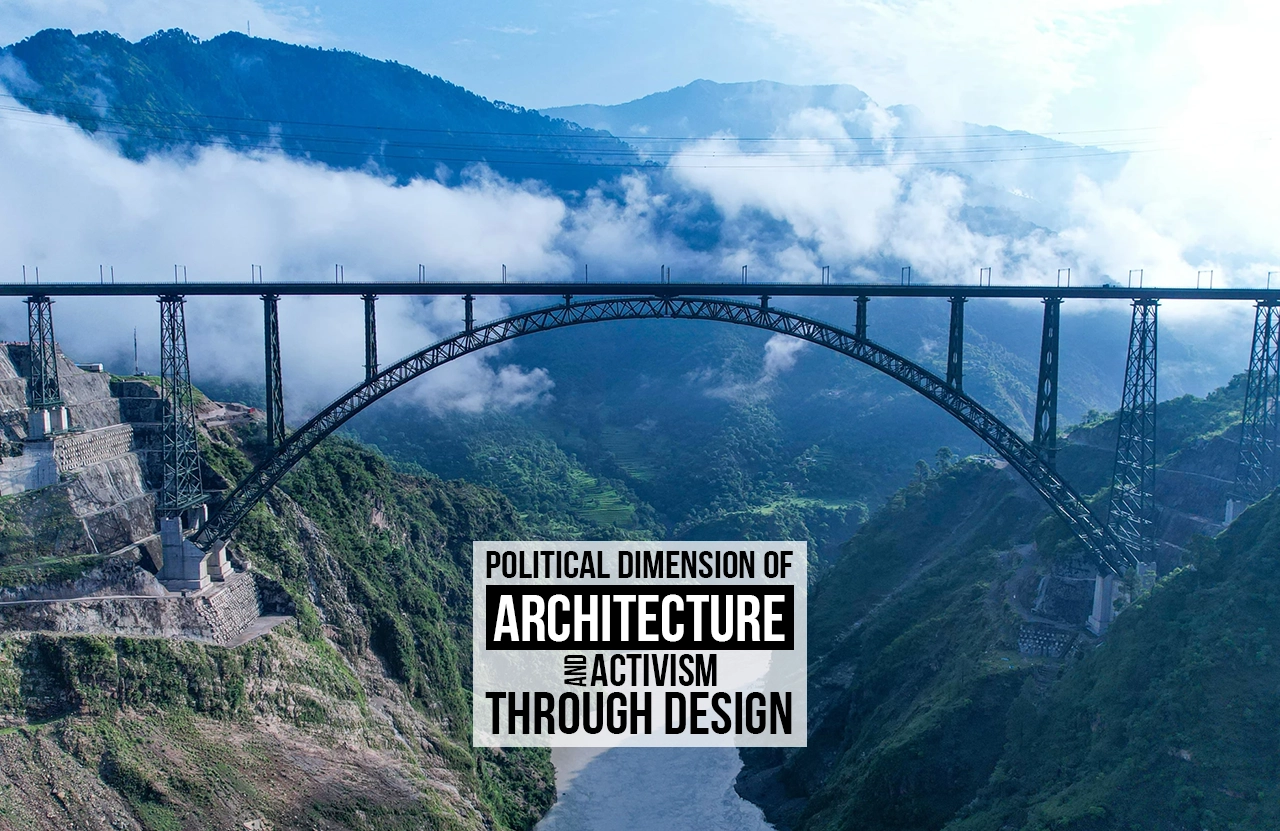
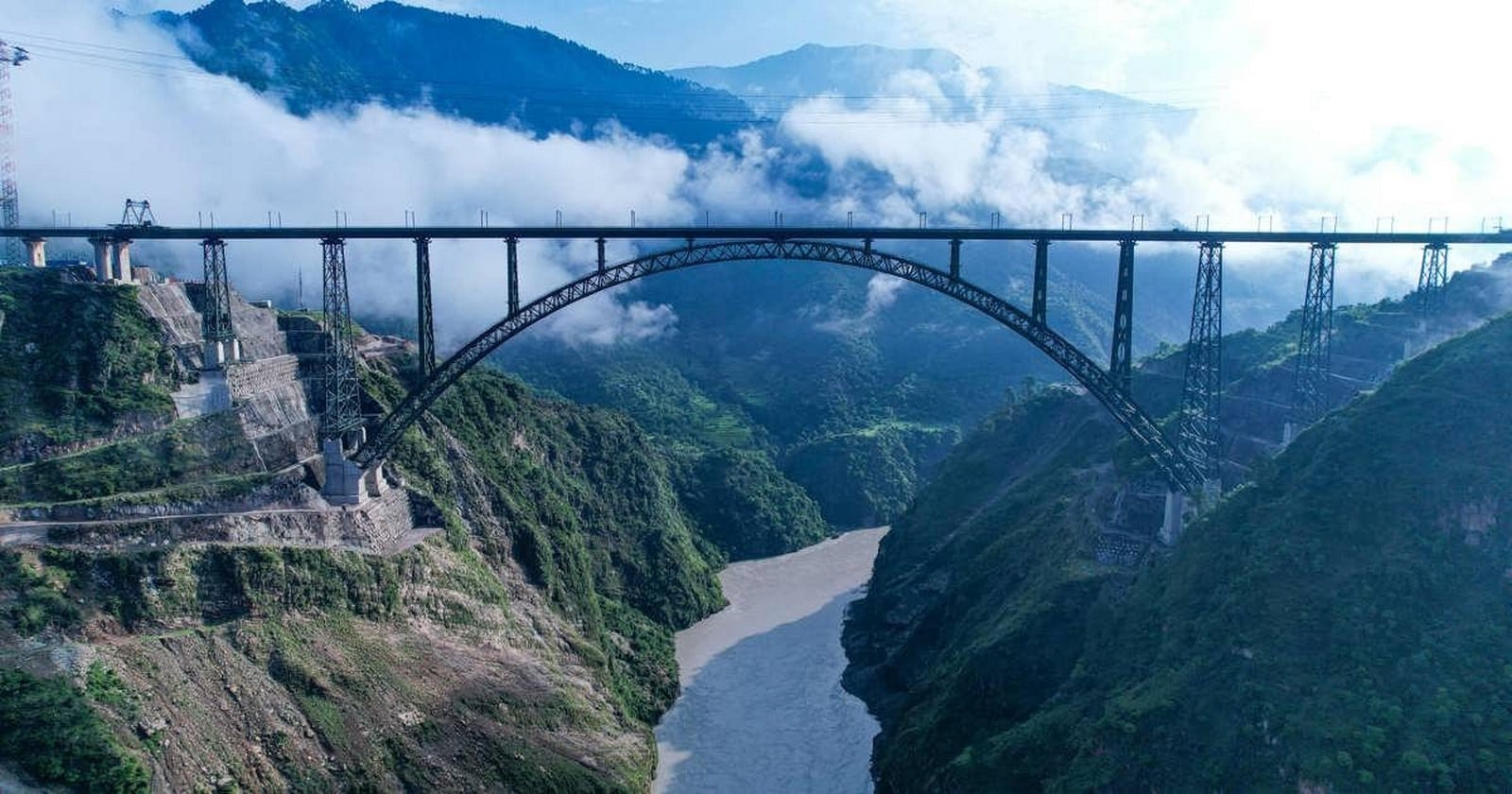
The intersection of politics and architecture goes beyond the national agendas. In Kashmir, the Indian government’s construction of infrastructure projects, such as the Chenab River Bridge, has been seen as a means to assert control over the disputed region.
In Tamil Nadu, the promotion of Dravidian architectural styles, such as the construction of the Madurai Meenakshi Amman Temple, reflects the state’s distinct cultural identity. Through architecture, the region communicates its cultural and traditional values to a broader representation.
Influencing Public Policy through Design
Through design, architects can influence policies that address issues such as housing affordability, climate, community engagement and civic participation.
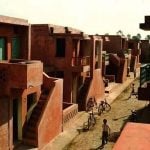
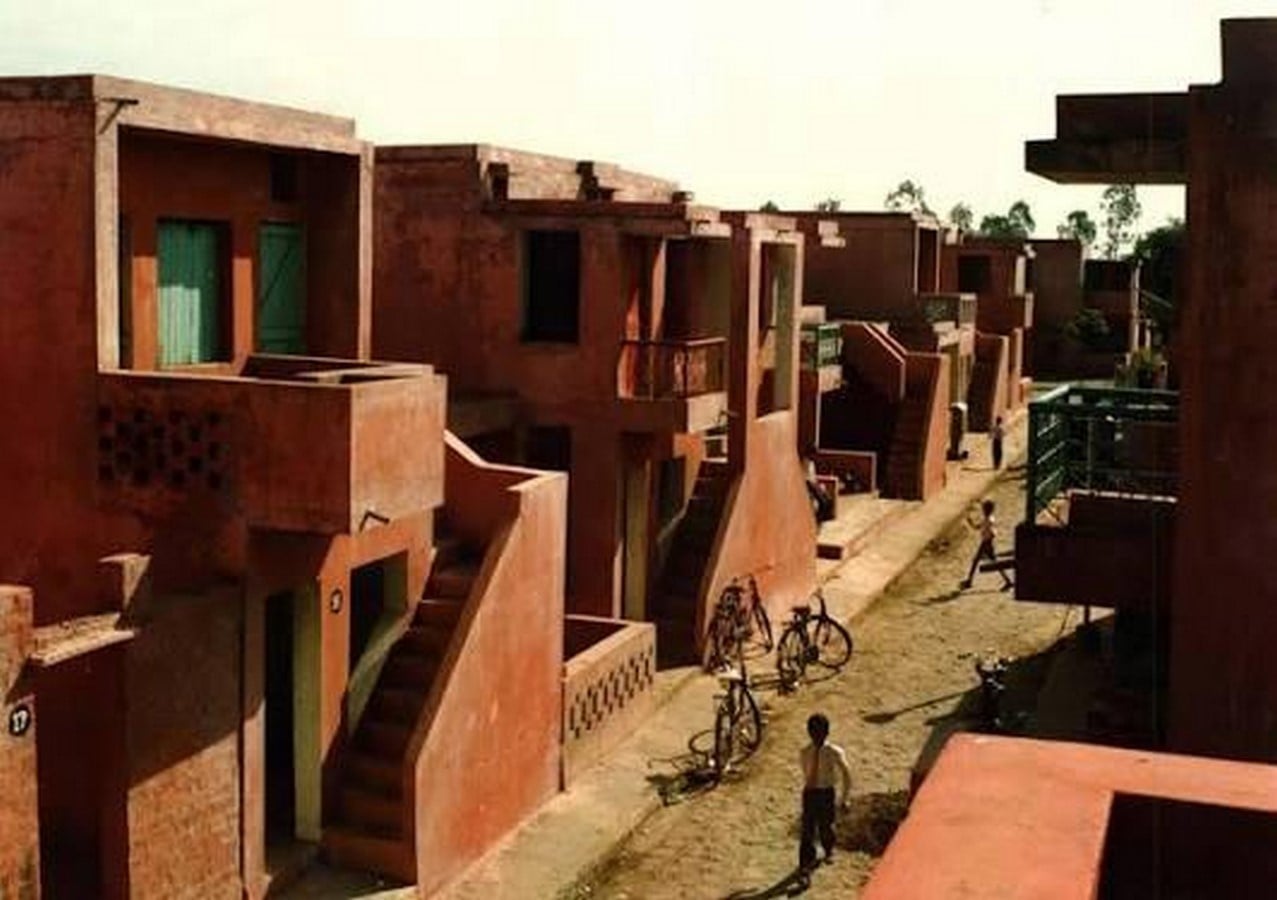
BV Doshi’s Aranya Low cost housing demonstrates sustainability and human-centred design which positively impacted thousands of families. On the other hand, Rahul Mehrotra’s work on Hathigaon in Jaipur emphasises on urban sustainable planning and advocating on policies that address urban spaces and protect natural landscape in rapidly growing cities. Similarly, Charles Correa’s Jawahar Kala Kendra in Jaipur plays a crucial role in fostering accessibility and an interactive environment where people from diverse backgrounds come together and discuss local issues, contributing to a more connected community.
Such an approach offers society to engage within a spatial system and allows architecture to become more visible, accessible, and meaningful.
Heritage and Cultural Identity
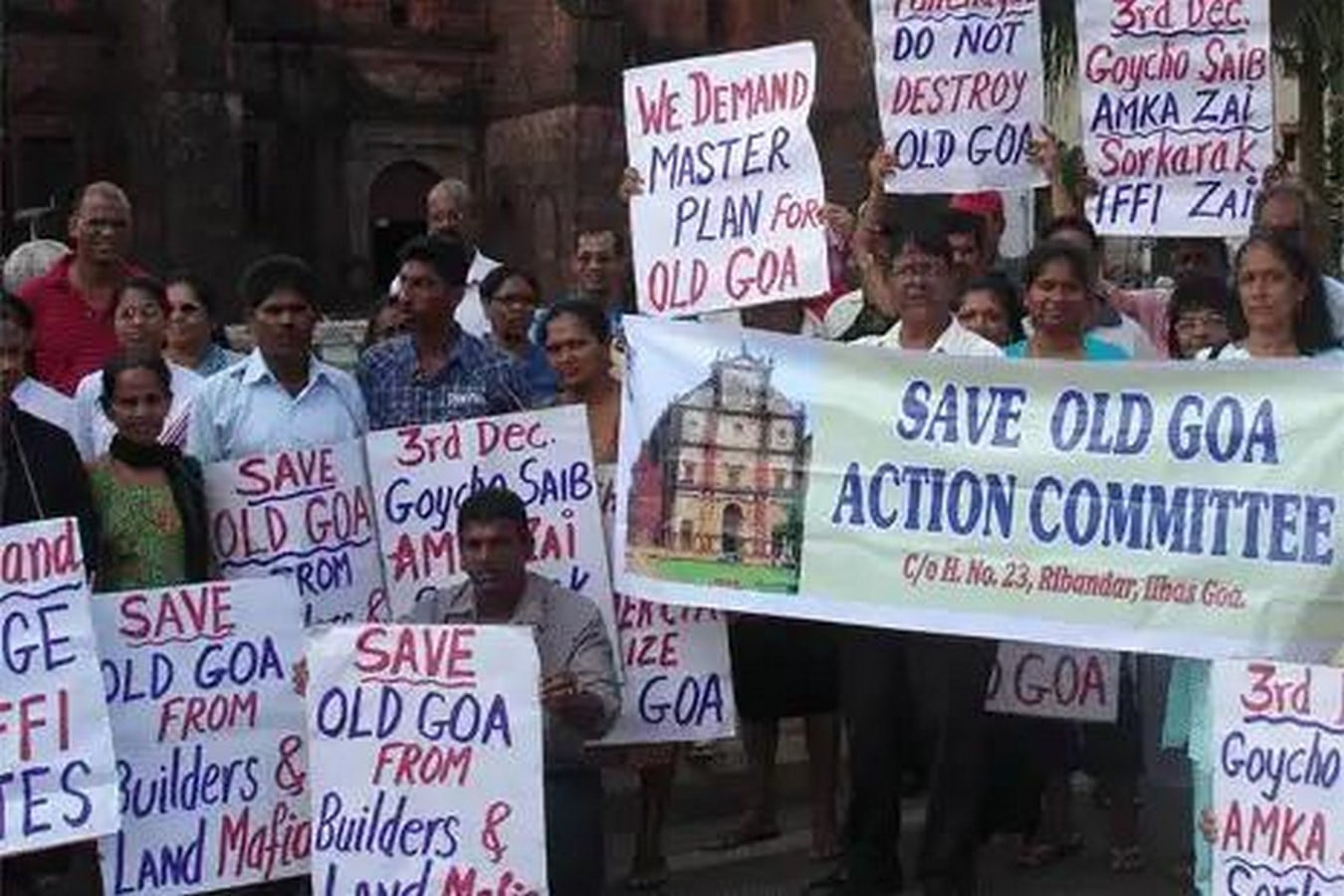
While some architects build from scratch others might embrace adaptive reuse, but the preservation of cultural identity remains a shared objective. Protests held in Old Goa for preservation of heritage structures demonstrate how local citizens actively engage in the protests by stepping into the streets for protect the historical identity and collective memory of their native place.
Architects and activists have further raised their concerns on this proposed planning intervention that may threaten or necessitate the demolition of heritage buildings, emphasizing that heritage conservation is not solely for aesthetic purpose but also represents a place’s cultural identity.
Such movements mark the collective grit of the communities in safeguarding their cultural heritage and regional identity.
Is the Future of Architecture Political?
Architects face the task of addressing issues like rapid urbanisation, preserving heritage structures and many other things which require policy engagement and support. The future of architecture will increasingly demand political intervention. Decisions regarding accessibility, inclusiveness, and cohesiveness may be curated by the architects but the analysis of demographics and allocation of resources will require a political discussion.
Government led projects such as Sabarmati riverfront in Ahmedabad are often conceived in the public interest, to improve accessibility, infrastructure, and recreational development. As cities evolve, architects will be called upon to mandatorily provide an inclusive yet functional design to encourage social engagement and it demonstrates the governmental commitment to social welfare. Hence, architecture actively participates in the evolution of a country, shaping its identity, culture, and aspiration through the built environment.