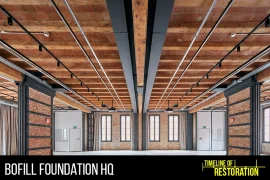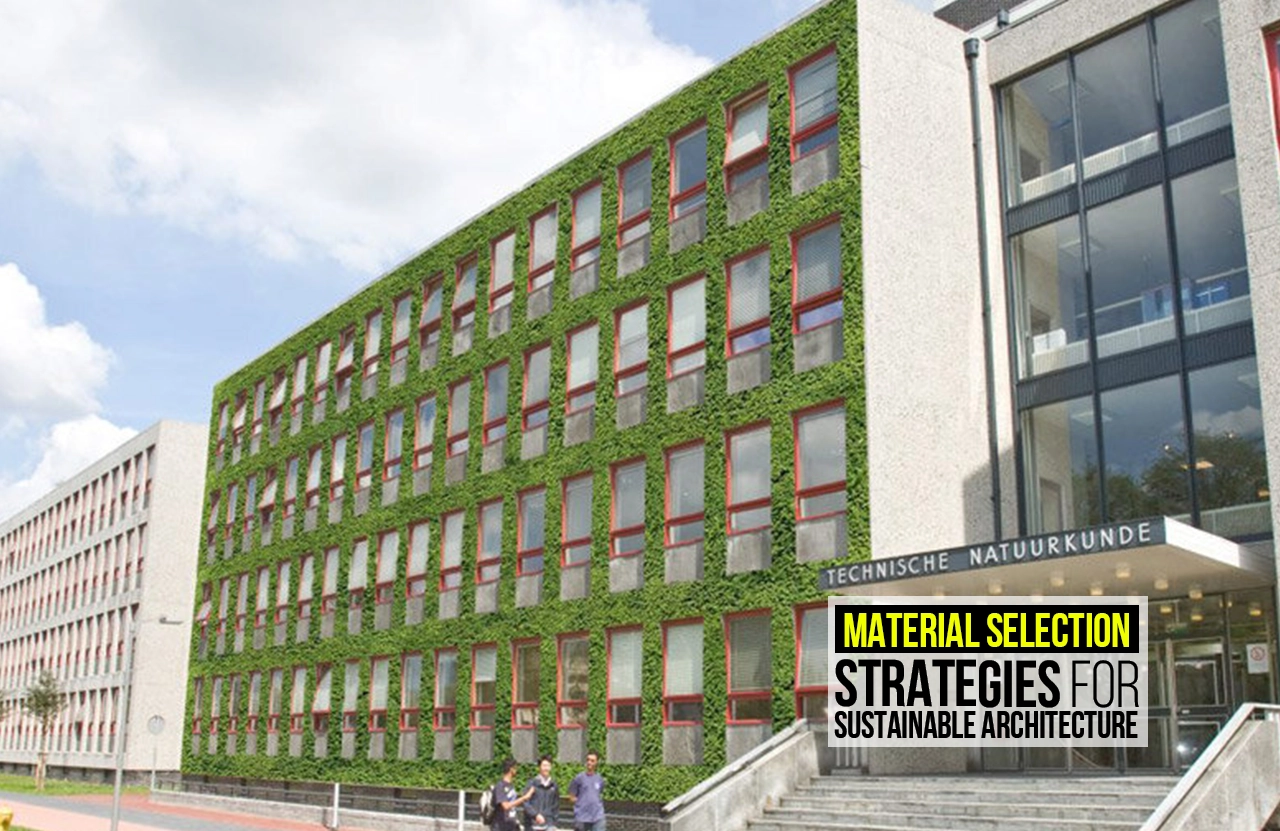
In the architectural landscape, sustainable architecture now has a new definition. Installing a few solar panels and proclaiming the building as sustainable is no longer sufficient. Evolving past this greenwashing, we have entered an era of material revolution. A building’s footprint today is calculated way before a single light is switched on. Instead, it begins way earlier with the selection of the brick or the binder (Gordon, 2025). Such material selection is not just an aesthetic or a budgetary decision today; it is also an ethical one. With the construction industry responsible for nearly 40% of the world’s carbon emissions, the strategies used to select the correct building blocks are the most valuable tools in our arsenal in our fight against climate change (Marwala, 2024).
Embodied Carbon Calculations
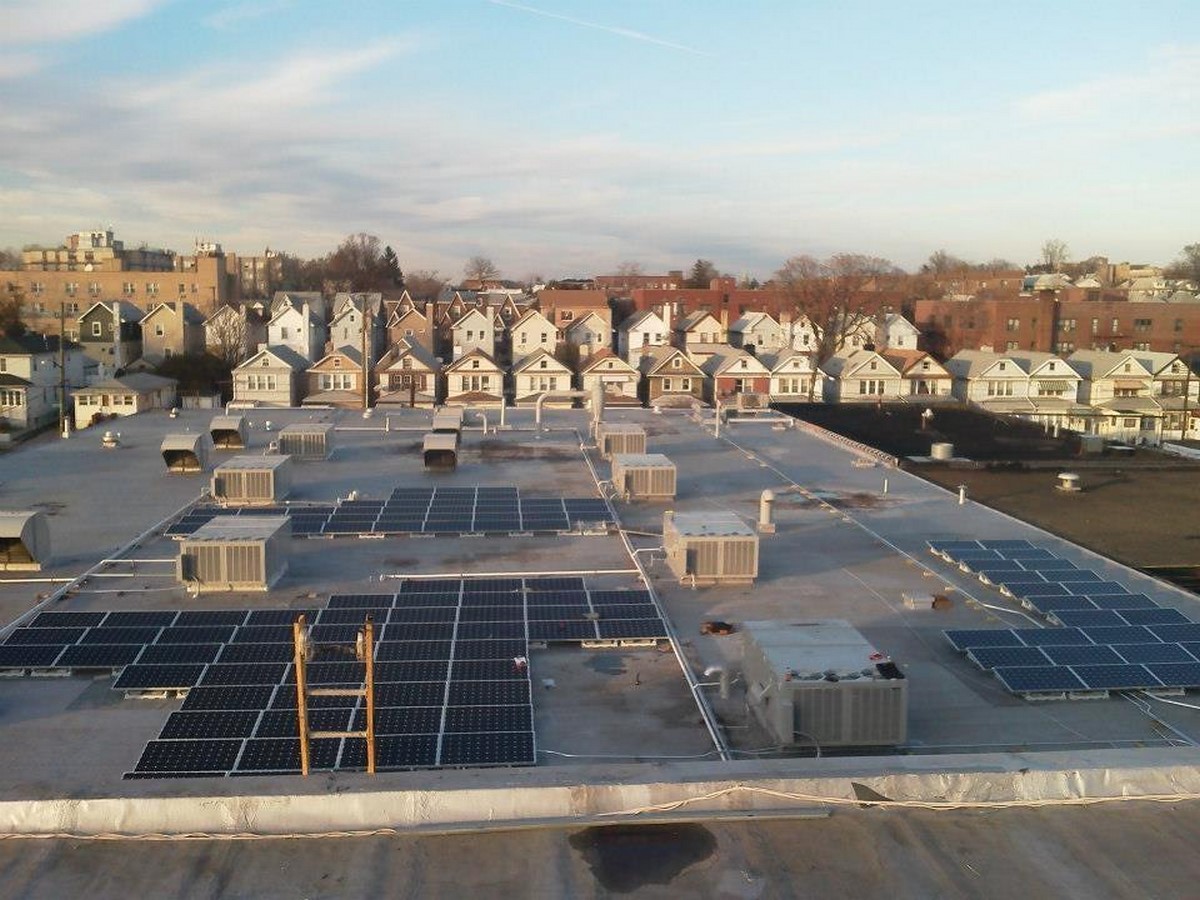
As the building industry began to recognise sustainability, the focus was on Operational Carbon, the energy used in a building’s operation, for decades. As the grid became cleaner, attention shifted to Embodied Carbon, which includes the carbon dioxide emitted during the extraction, manufacture, transportation, installation, maintenance, and disposal of building materials (World Green Building Council, 2022). This approach is highly effective and is known as the Life Cycle Assessment (LCA). Architects are using software to compute the total carbon emission in the entire lifecycle of a material. Opting for materials like recycled steel over virgin steel, for instance, can reduce a project’s carbon footprint up to 60%. The goal is to achieve Carbon Neutrality and then eventually Carbon Negativity with the help of materials like timber or hemp, which sequester more carbon than they emit during production (Muralikrishna and Manickam, 2022).
Bio-Based Materials
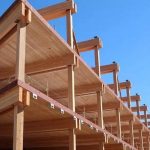
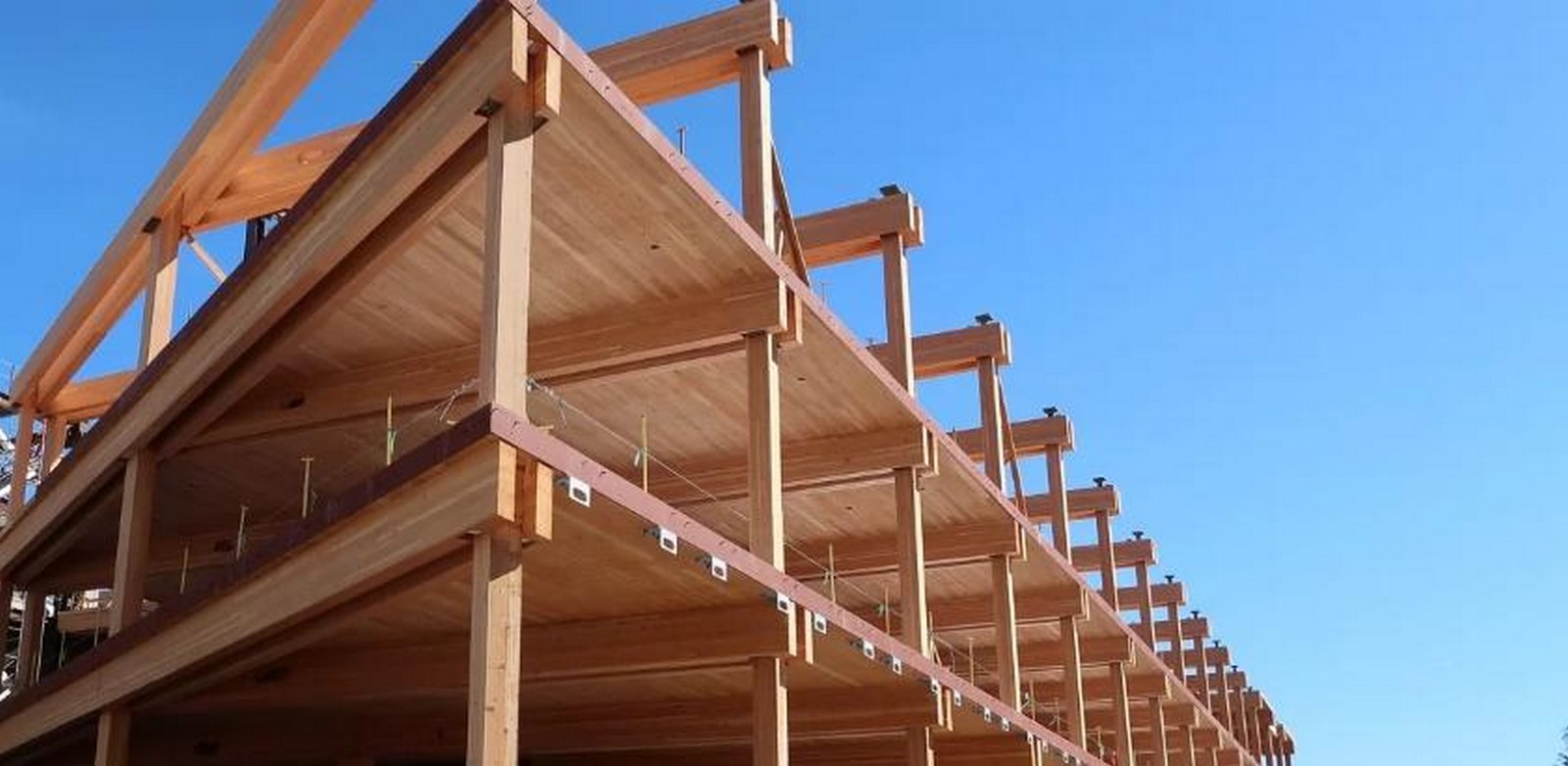
If the 20th century was the age of concrete and steel, the 21st is becoming the age of Bio-based Architecture (Team, 2025). These materials are derived from renewable, often biodegradable living organisms. Materials like Cross-Laminated Timber (CLT) have revolutionised the industry, allowing for timber skyscrapers. Wood acts as a carbon sink, locking away carbon dioxide for the life of the building. A mixture of hemp hurds and lime, hempcrete is carbon-negative, highly insulating, and breathable, which regulates humidity naturally without the need for complex HVAC systems. Fungi-based materials are now being grown into structural bricks and insulation panels. They are fire-resistant, non-toxic, and can be grown in a lab within days (Pelton, 2018).
Carbon-Sequestering Concrete
Concrete is one of the most used construction materials and is a massive source of carbon dioxide. There is now a rise in green concrete technologies. Some of these innovations include injecting carbon dioxide into the concrete mix during the curing process, mineralising the gas and permanently locking it away while actually increasing the strength of the material. Other innovations include utilising bacteria that produce limestone to fill cracks, extending the lifespan of structures by decades, and electrochromic glass that changes its opacity based on sunlight intensity, drastically reducing the cooling load of glass-heavy buildings (Nimafar et al., 2021).
Designing for Disassembly
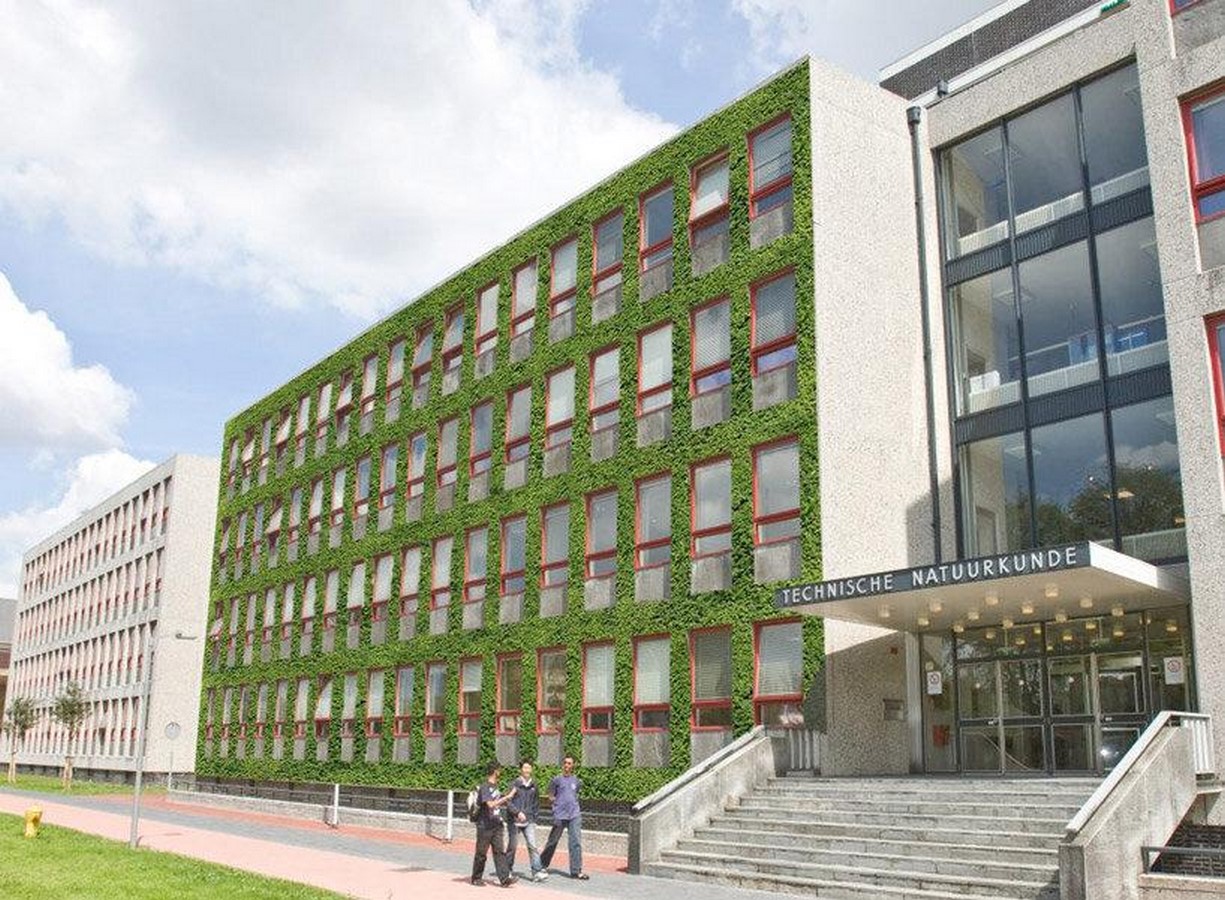
A material is considered sustainable if it never ends up in a landfill. To achieve this, buildings can be designed for disassembly, allowing their components to be salvaged and reused at the end of their life cycle. Rather than using permanent adhesives and solid concrete pours, buildings are treated as material banks, employing mechanical connections such as bolts and screws. This approach encourages modular construction with standardised factory-made components that reduce the on-site waste by nearly 90%. The identities of buildings then start to shift from permanence to their ability to be repurposed (theoffsiteguide, 2024).
The Ethics of Supply Chain
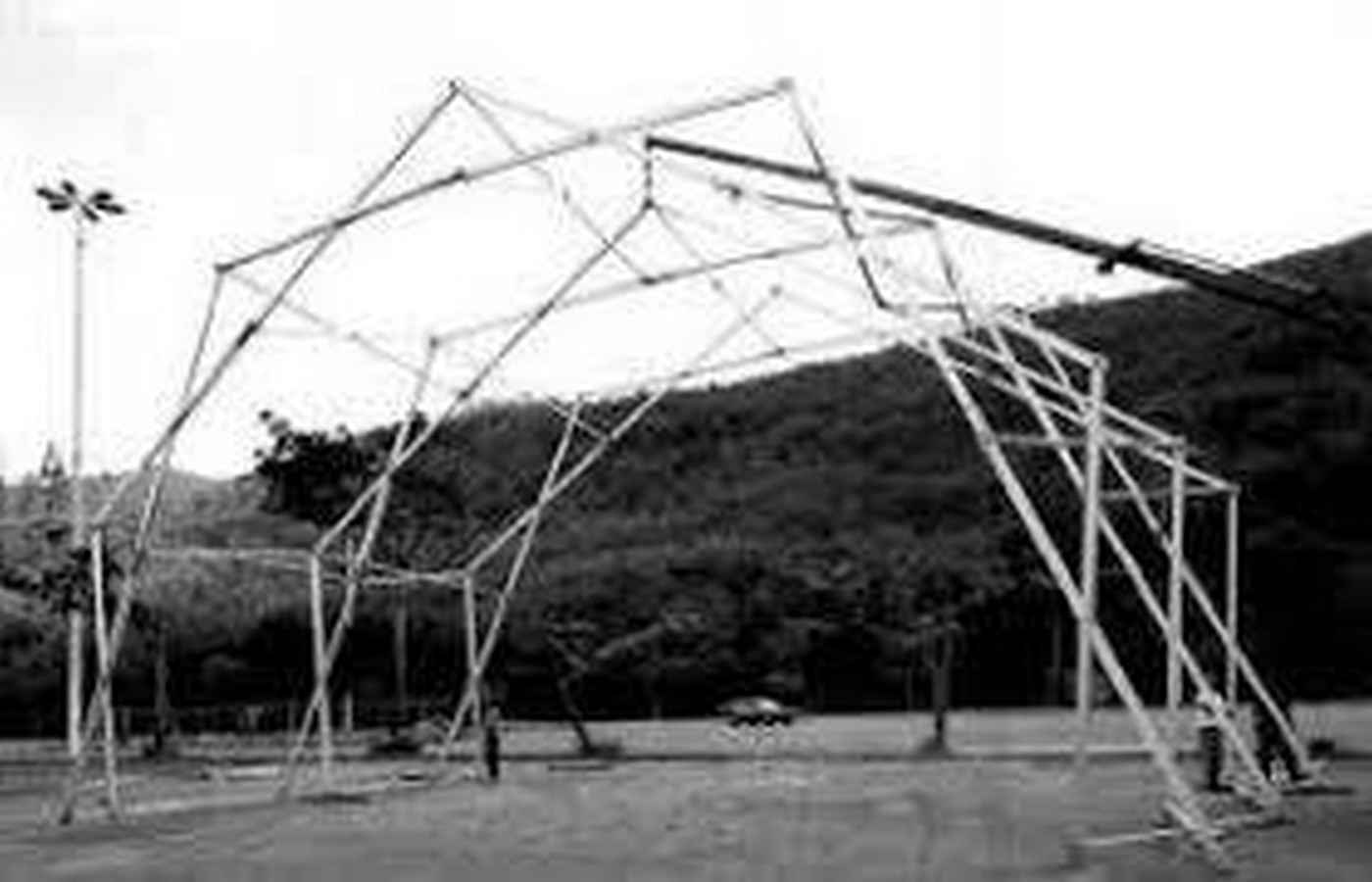
One of the simplest yet most overlooked strategies in sustainable architecture is localism. The carbon cost of shipping Italian marble to a project in Mumbai is staggering. Localism dictates that materials should be sourced within a 100-mile radius of the site. Local materials, such as rammed earth in arid regions or bamboo in tropical zones, have evolved over centuries to perform in their specific climate. By utilising stone from local quarries or timber from regional forests, architects support local economies while ensuring the building belongs in its place.
Sustainable architecture also includes social sustainability. If the production of a material requires unethical labour practices or causes damage to the local ecosystem, the material is not green. With a digital document tracking the origins of every single building element, Material Passports are now becoming a standard practice. This ensures that the timber is FSC-certified and the minerals extracted are conflict-free.
Sustainability: The New Aesthetic
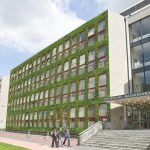
Material selection strategies have transformed the appearance of buildings at a very fundamental level. No longer are buildings valued for their sleek, glazed facades, but rather they are now appreciated for their raw, textured and material-honest aesthetics. The warmth of timber, the irregularity of recycled brick, and the dismantlability of the steel girder all tell the stories of the impact of the building. With each material selection, we are creating buildings that respect their origins. We are thus building the future of our planet.
References:
Gordon, C. (2025). Architecture and Design Trends 2026: Innovation, Sustainability, and Talent. [online] Csgtalent.com. Available at: https://www.csgtalent.com/insights/blog/architecture-and-design-trends-2026–innovation–sustainability–and-talent/ [Accessed 4 Mar. 2026].
Marwala, T. (2024). Integrating Sustainability into Material Selection Is an Ethical and Strategic Obligation. [online] United Nations University. Available at: https://unu.edu/article/integrating-sustainability-material-selection-ethical-and-strategic-obligation.
Muralikrishna, I. and Manickam, V. (2022). Life Cycle Assessment – an overview | ScienceDirect Topics. [online] Sciencedirect.com. Available at: https://www.sciencedirect.com/topics/earth-and-planetary-sciences/life-cycle-assessment.
Nimafar, M., Samali, B., Hosseini, S.J. and Akhlaghi, A. (2021). Use of Bacteria Externally for Repairing Cracks and Improving Properties of Concrete Exposed to High Temperatures. Crystals, 11(12), p.1503. doi:https://doi.org/10.3390/cryst11121503.
Pelton, L. (2018). The Skyscrapers of the Future Will Be Made of Wood. [online] Tonkon Torp LLP. Available at: https://tonkon.com/ear-to-the-ground-blog/the-skyscrapers-of-the-future-will-be-made-of-wood/ [Accessed 4 Mar. 2026].
Team, U.E. (2025). Bio-Based Materials: The Future of Sustainable Innovation. [online] UBQ Materials | Waste to Sustainable Thermoplastic Solution. Available at: https://www.ubqmaterials.com/bio-based-materials-the-future-of-sustainable-innovation/.
theoffsiteguide (2024). The Sustainable Benefits of Offsite Construction. [online] The Offsite Guide. Available at: https://theoffsiteguide.com/articles/the-sustainable-benefits-of-offsite-construction.
World Green Building Council (2022). Embodied Carbon. [online] World Green Building Council. Available at: https://worldgbc.org/climate-action/embodied-carbon/.