Branding is not a term traditionally associated with architecture, and for a long time, it has felt almost uncomfortable within the discipline. Architecture is often understood as slow, deliberate, and resistant to market logic. Yet, as the profession becomes increasingly visible through exhibitions, academic platforms, and digital media, it is difficult to ignore that architects today operate within a form of public identity. In this context, the work of Germane Barnes raises an important question: can an architectural brand be built without reducing architecture to an image or a style? Observing his trajectory suggests that branding, when grounded in thought rather than appearance, can emerge quietly but with lasting impact.

Identity Shaped by Ideas, Not Form
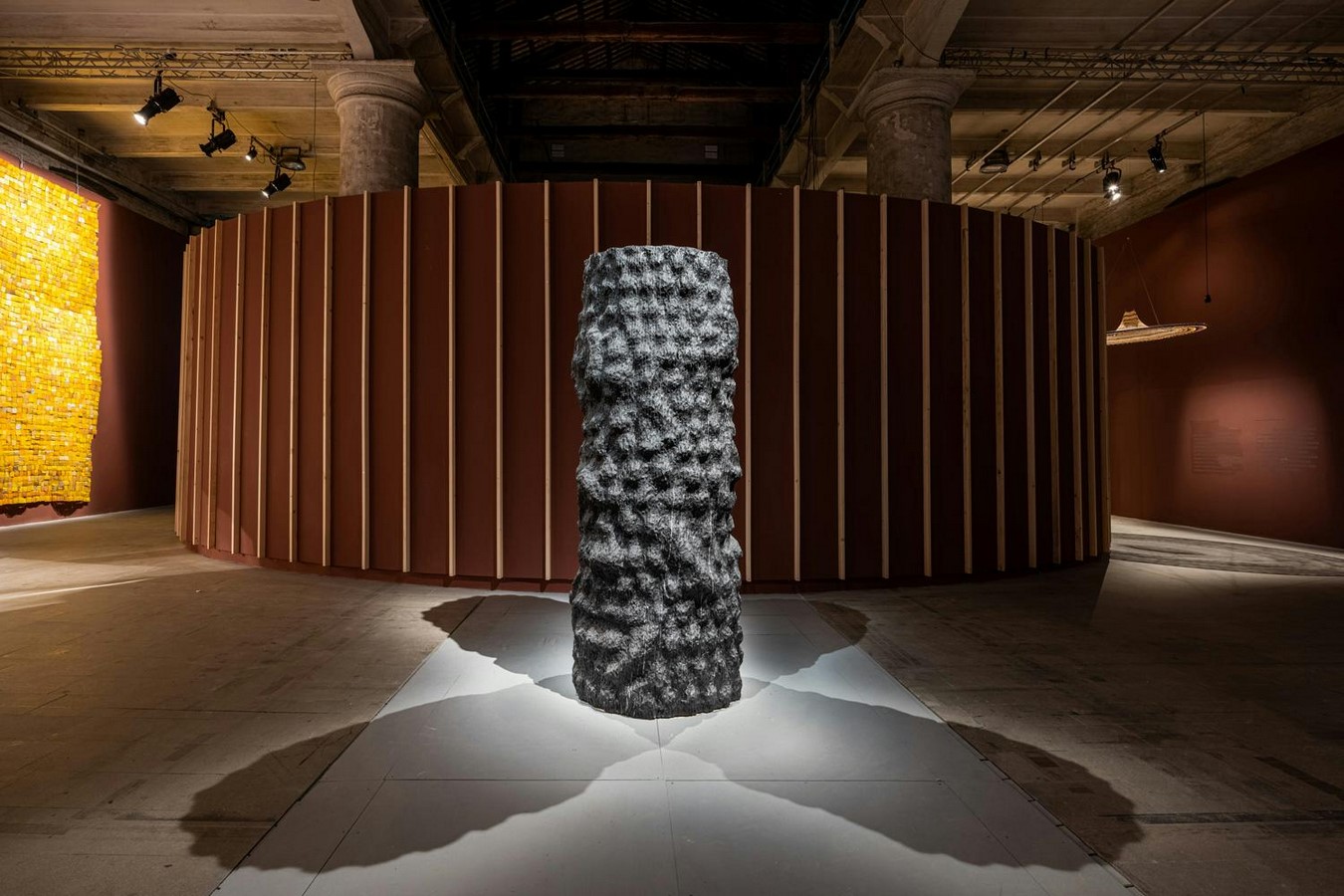
What becomes apparent when looking at Germane Barnes’s work is that recognition does not come from a repeated visual language. There is no easily identifiable formal signature that announces authorship at first glance. Instead, the coherence of his practice seems to lie in its intellectual consistency. His projects repeatedly return to themes of race, representation, and cultural memory, but these themes are not treated as external narratives layered onto architecture. They shape how space is conceived, how materials are used, and how history is acknowledged. In this sense, Barnes’s “brand” feels less like a constructed image and more like the accumulation of a clear and sustained position over time.
Research as a Public Practice
Barnes’s work also blurs the boundary between practice, research, and exhibition, which appears central to how his architectural identity is formed. Many of his projects take the form of installations or speculative works, often situated within galleries, museums, or academic settings. Rather than functioning as standalone objects, these works seem to operate as questions posed to the discipline itself. Research is not hidden behind completed buildings but made visible as part of the architectural output. This approach expands the audience of architecture beyond clients and users, positioning it within cultural and institutional discourse. In doing so, Barnes demonstrates how research-led practice can function as a form of branding that values depth, reflection, and dialogue over immediacy.
Consistency in a Shifting Discourse
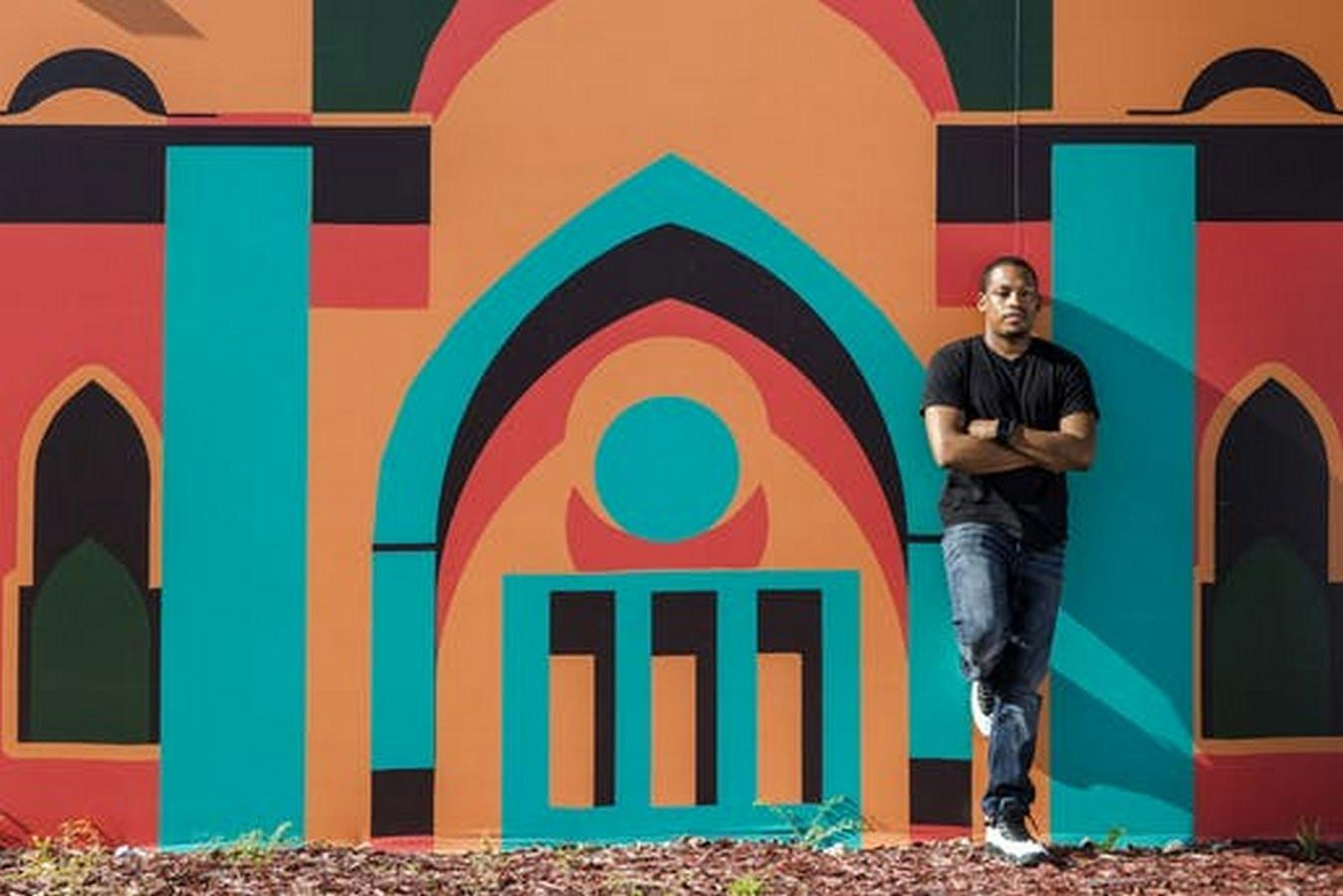
As conversations around equity, identity, and representation have become more prominent within architecture, Germane Barnes’s work has gained increased visibility. Yet this visibility does not feel like a sudden alignment with trends. Instead, it suggests a consistency that has allowed the work to remain relevant as the discipline’s priorities evolve. His projects resist easy consumption; they require time, context, and engagement. Cultural references are not overt or decorative but embedded within spatial logic and conceptual framing. This refusal to simplify or aestheticize complex histories strengthens the credibility of his practice and reinforces an architectural identity built on intellectual integrity rather than adaptation for appeal.
In reflecting on Germane Barnes within the broader idea of building brands, it becomes clear that success does not have to be measured through scale, recognisability, or commercial reach. His practice suggests a quieter model, where a brand is formed through sustained thinking, careful positioning, and an openness to critical engagement. For students and emerging architects, this offers a valuable lesson: architectural identity can be built slowly, through commitment to ideas and research, allowing recognition to follow rather than lead.