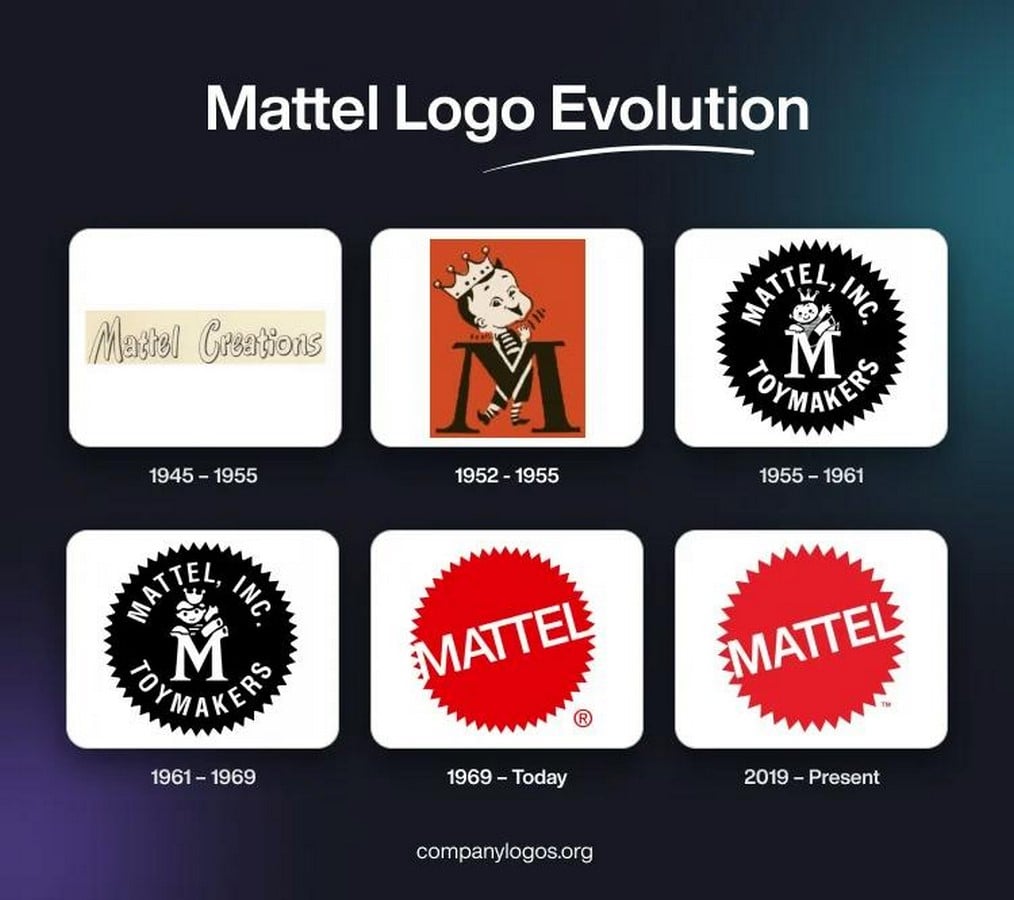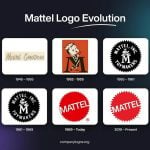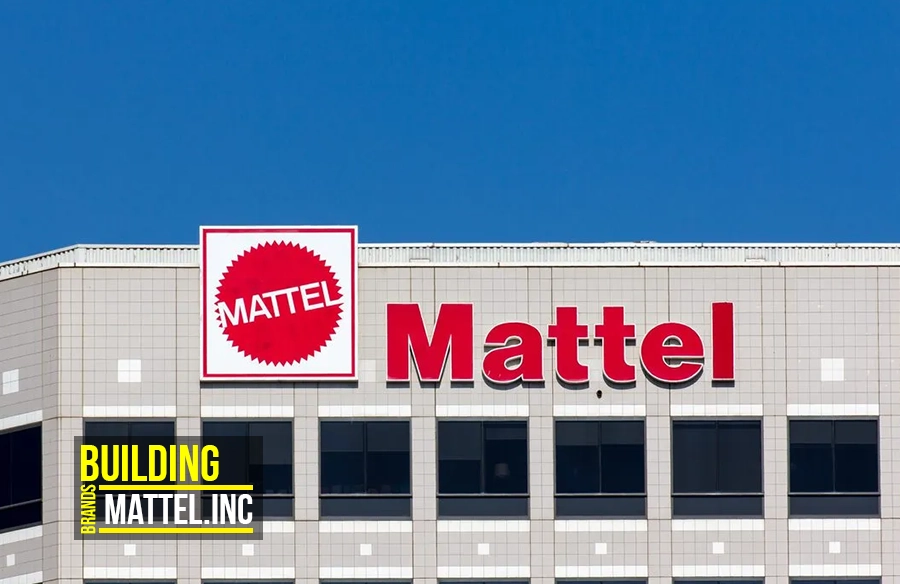
Mattel.Inc is one of the most iconic legacy brands in the world of consumer goods. The company was established in 1945, and its history is a great example of how brands can reach the pinnacle of success, fall into decline, and then reposition themselves to stay ahead in the market. The Mattel story is a great example of the basics of branding, such as the development of brand identity, emotional connections, cultural fit, and brand renewal.
Instead of being limited to the toy business, Mattel.Inc has transformed itself into an intellectual property-based entertainment brand.
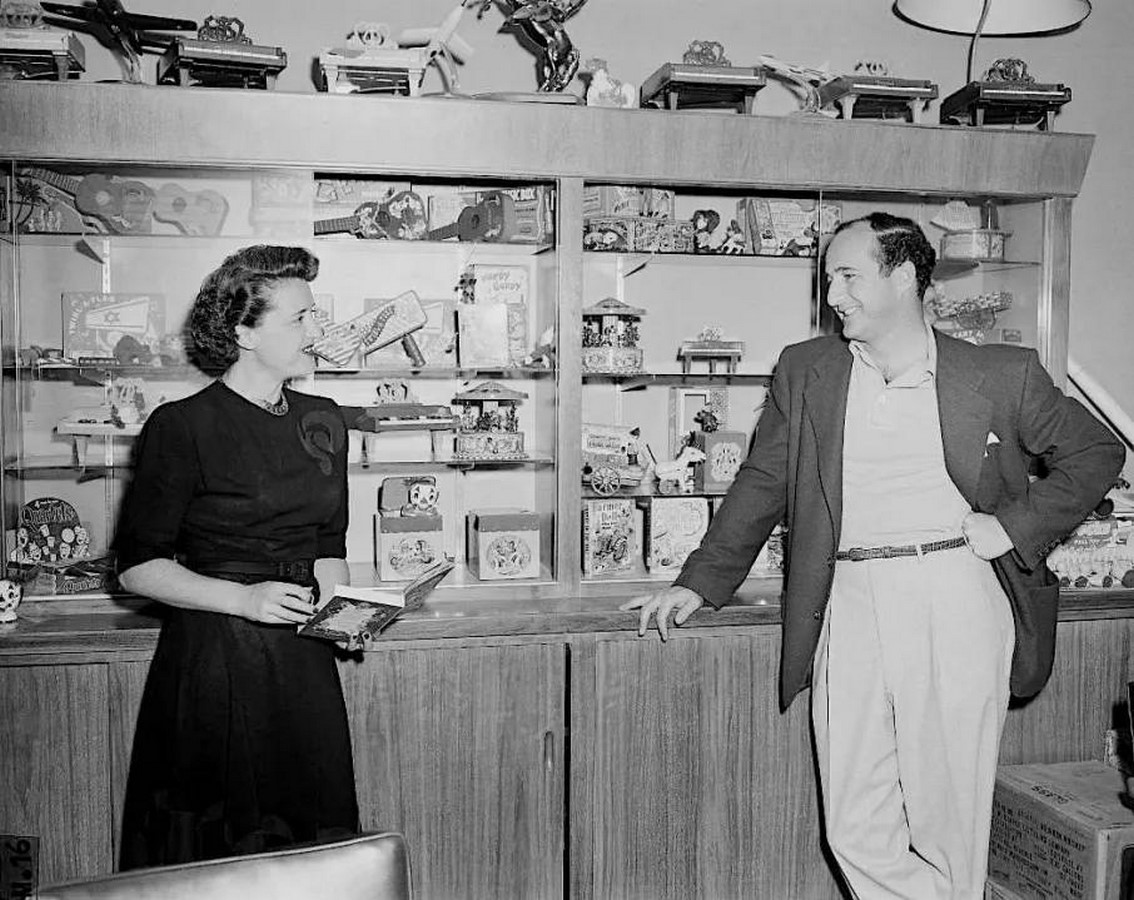
Market Entry and Early Brand Positioning
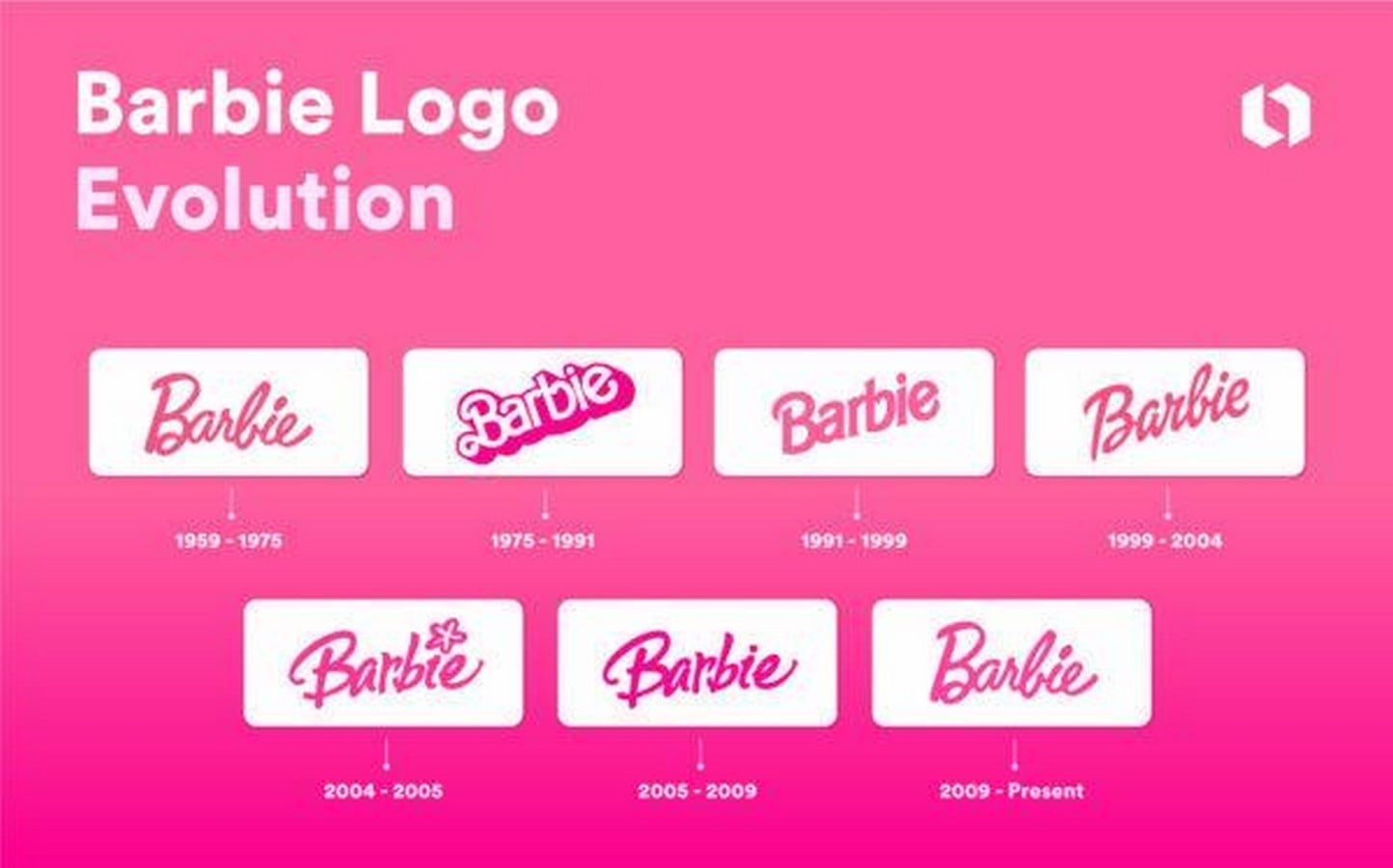
Mattel, Inc. arrived on the scene by differentiating itself through innovation. Beginning with picture frames, Mattel saw a developing opportunity in toys and demonstrated a keen sense of opportunity recognition. The introduction of Barbie in 1959 marked a turning point for its reputation.

Barbie differed from other regular infant dolls since she stood for adulthood, independence, and ambition. This posture was highly consistent with the importance given to image retention and recognition by the firm and also brought Mattel very deeply into popular culture. Moreover, the utilization of television ads enhanced Barbie’s exposure significantly; Mattel entered toy industry marketing as a pioneer.
Brand Architecture and Portfolio Strategy
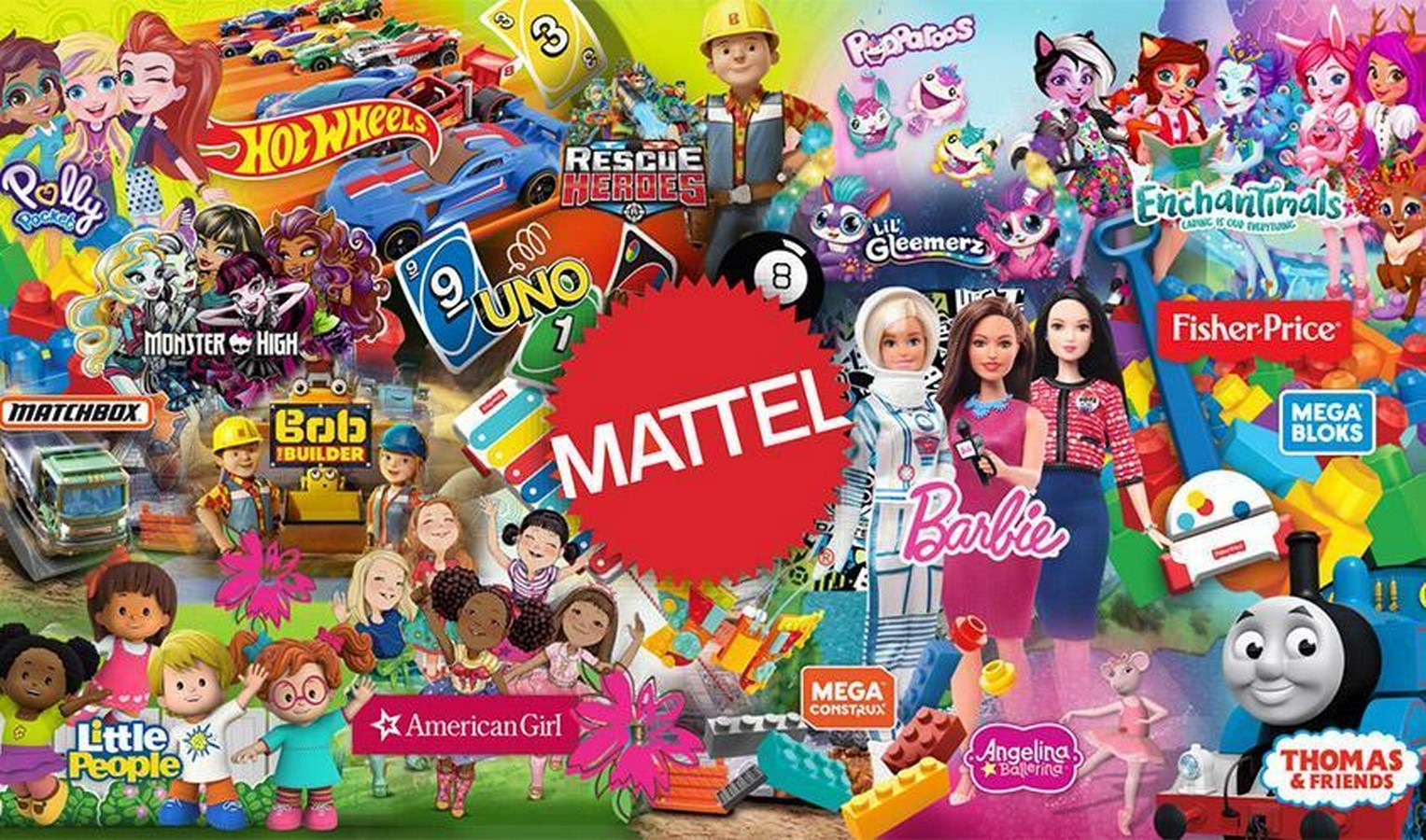
Mattel Inc. expanded its brand asset potential by assembling a range of products that incorporate elements of emotional appeal, functionality, and belief-based branding.
- Barbie represents a symbolic cultural brand tied to individual identity-related stories.
- Hot Wheels incorporates a performance brand and nostalgia to attract consumers who are both young and adult.
- Fisher-Price seeks to create credibility and brand beliefs through education and safety in early childhood development.
Cultural Misalignment and Brand Decline
By the early 2000s, Mattel.Inc faced declining relevance. According to cultural branding theory, iconic brands weaken when symbolic meaning no longer aligns with societal values. Barbie increasingly attracted criticism related to representation, body image, and outdated gender norms.
Simultaneously, competition from digital entertainment platforms altered play behavior, while operational challenges such as product recalls affected consumer trust. Overdependence on legacy success resulted in brand inertia, demonstrating that historical equity alone cannot sustain relevance.
Brand Revitalization and Strategic Repositioning
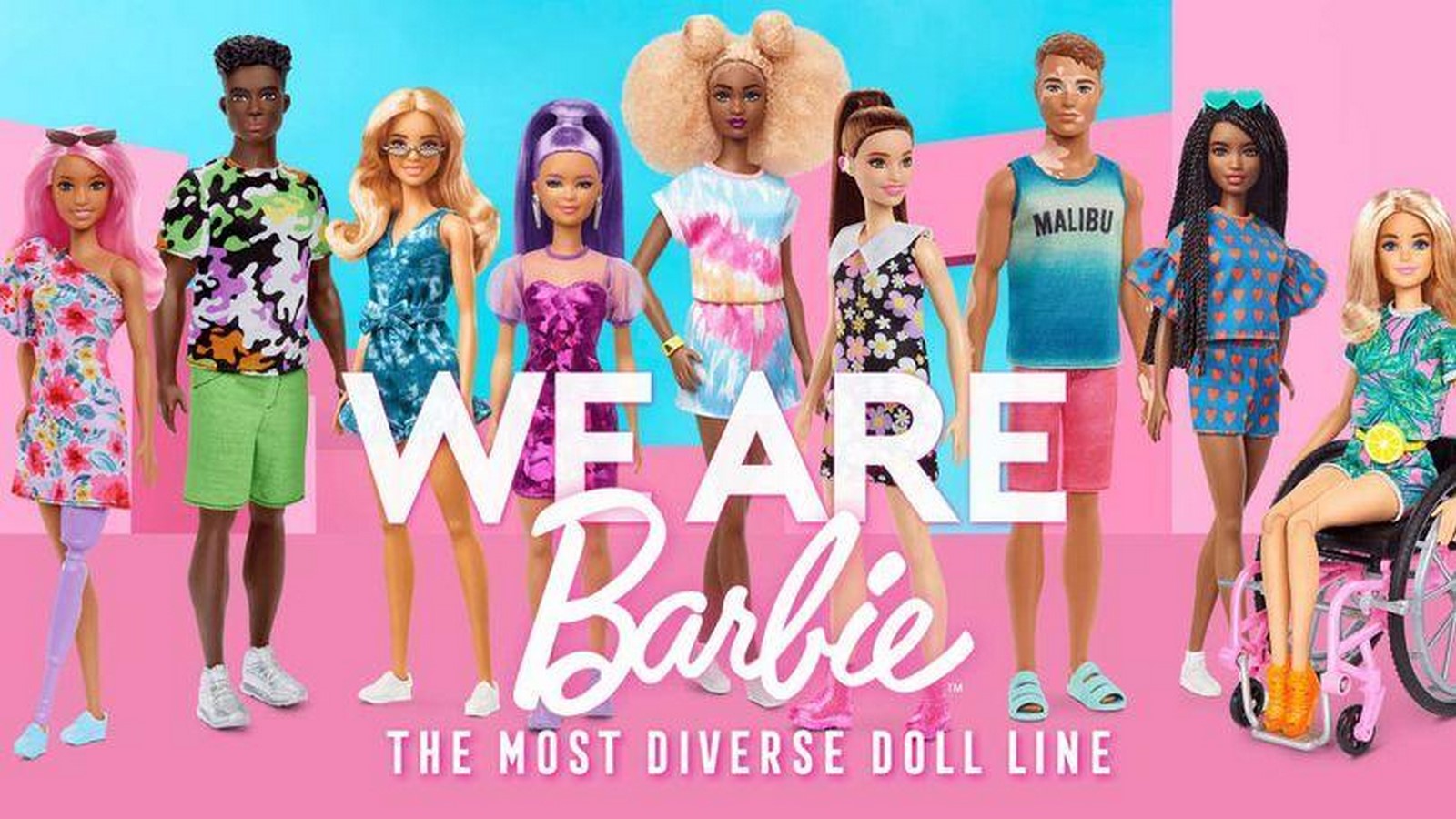
Mattel’s comeback reflects the very key themes in successfully reviving a brand: you win back relevance, trust, and a well-defined point of differentiation. Mattel didn’t throw away what made them Mattel; they reshaped it instead. Barbie got a renovation to include more bodies, backgrounds, abilities, and jobs. The move rebooted Barbie into a cultural step with today’s common norms and gave a symbolism to the brand.
They also moved from a product-focused company to an intellectual property-centered ecosystem. Mattel changed tack towards an IP-led approach that stretched the brand across film, digital content, and immersive experiences.
Take the 2023 Barbie movie. It’s a case that really illustrates how transmedia branding takes a simple toy line and builds it out into a global cultural narrative. The movie served as this huge branding moment that could help create deeper emotional connections and stronger long-term brand resonance.
Digital Integration and Evolving Play Patterns
The company, informed by evolving patterns of consumer behavior, began stitching together digital platforms, game engagements, and mixed reality play sessions. The move is also part of the omnibus idea of branding, known as the customer journey, that traverses physical, digital, and social realms of existence. Mattel, by engaging with digital culture rather than fighting it, resituated play as a multi-platform activity.
Purpose-Driven Branding and Ethical Alignment
Ethics and social responsibility are at the top in today’s branding. Mattel, Inc. fulfilled these expectations with
The introduction of inclusive, gender-neutral ranges of products, promised usage of sustainable materials, reduced plastic, and presented educational STEM toys.
Their marketing stories started to highlight diversity and realism. Taking all this into account, such steps enhance trust in the brand and position Mattel within purpose-driven models of branding, where enduring loyalty is built on clear, value-driven principles.
Branding Insights from Mattel.Inc
There are a few general lessons one may take away from Mattel’s branding experience. As the culture grows and changes, the brand must as well. Traditional brands require a constant infusion of new storytelling to continue to be viable. Safeguarding ideas and interests allows brands to extend their shelf-life well beyond their physical products. Recession is not always bad news for businesses either. But most of all, repurposing negative feedback into new ideas was at the heart of Mattel’s rebirth.