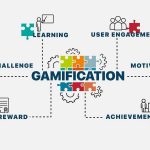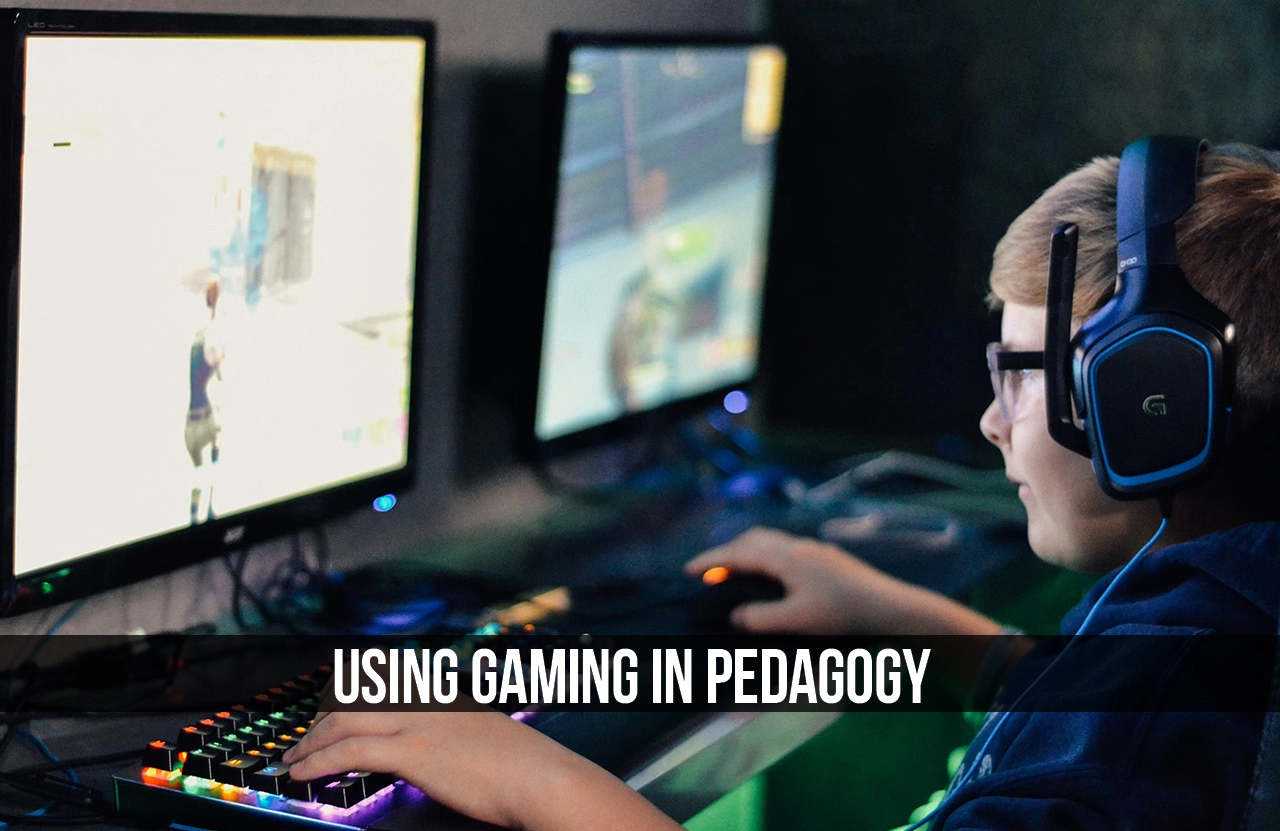
School doesn’t have to feel like walking in quicksand. What if every test, project, and group discussion felt like unlocking a new level, and striking your desk prompted an exciting challenge? The potential of gaming in education is to use play to transform routine teaching into life-changing experiences.
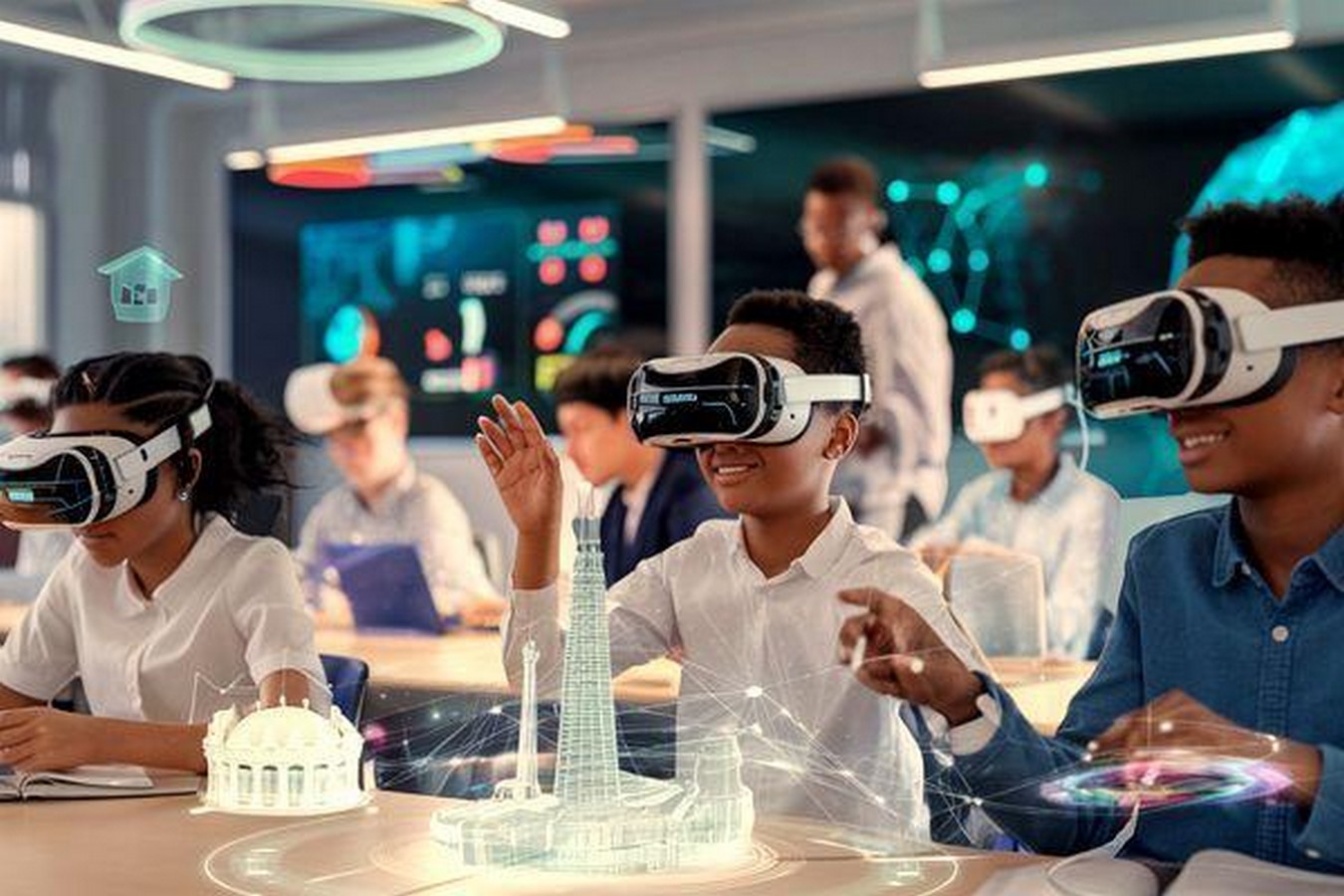
Mechanics of Motivation
Every pupil secretly longs for a feeling of advancement. That’s what keeps gamers riveted to the screen, whether they’re figuring out a challenging puzzle or upgrading a weapon.
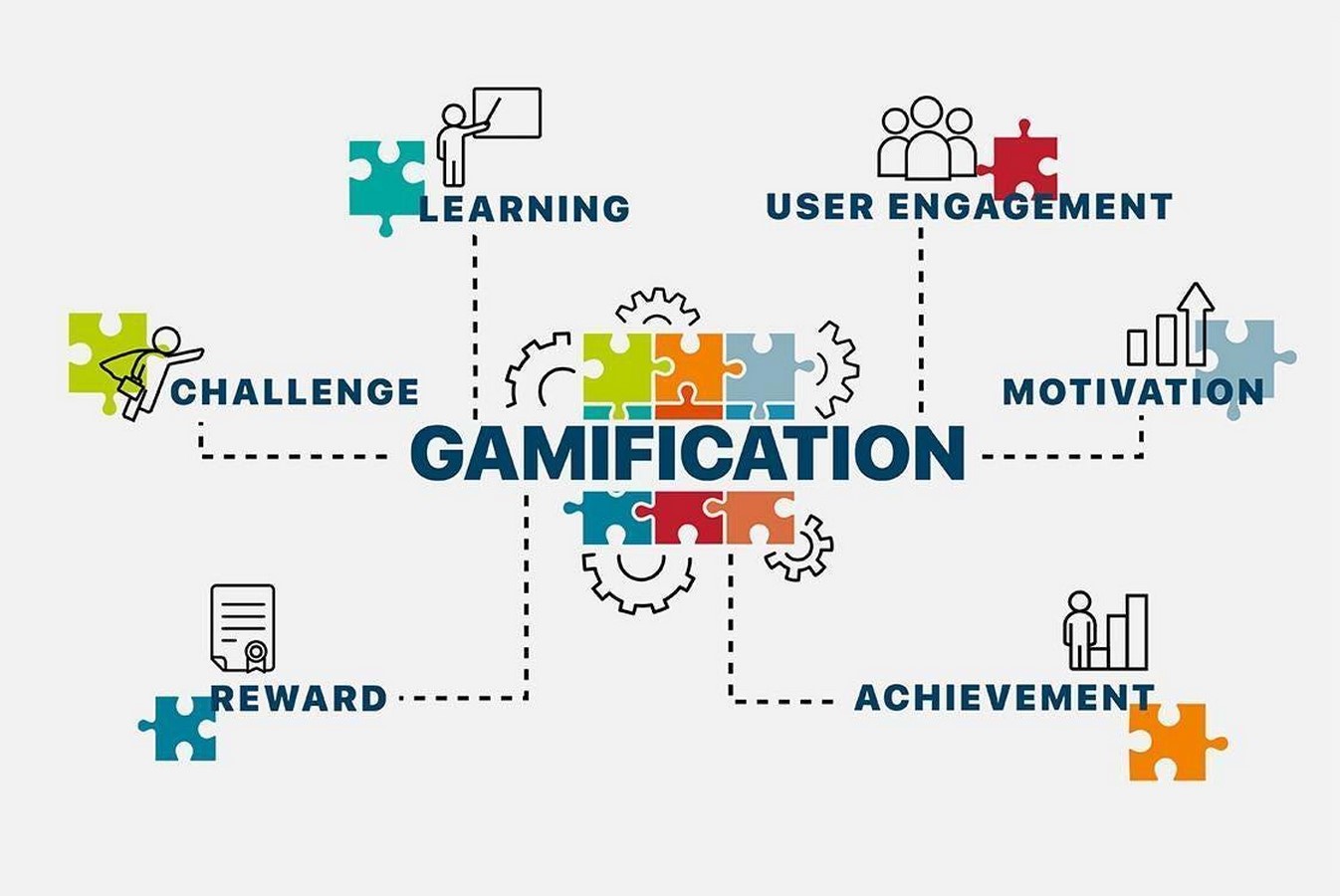
By giving students meaningful choices (such as choosing the order of assignments or forming a project topic), clear milestones with immediate feedback (mini-missions rather than monolithic exams), and a strong sense of community through small “guilds” or teams that work together, exchange resources, and even participate in friendly competitions, one can ignite that same drive in the classroom. Student engagement soars when they see each historical study or mathematical proof as a stepping stone rather than an insurmountable mountain.
Translating Game Features into Classroom Fun
Think about using a visual completion bar to track students’ progress, similar to a level meter in a game, where each module they learn fills the bar a bit more, providing a continuous sense of success. Think of assignment checklists as mission logs that help students prioritize their next steps and keep goals clear. Consider personalized learning paths as skill trees in which students can access new subjects according to their aptitudes and areas of interest. Introduce “EduCoins,” a classroom currency that can be redeemed for benefits like additional collaboration time or project topic selection.
Last but not least, tiers of difficulty guarantee that each student completes assignments that are precisely matched to their skill level. Teachers can turn boring lectures into engaging experiences that feel more like challenges worth overcoming than like duties by incorporating these elements into their lesson plans.
Types of Educational Gaming
Level-Up Classrooms
Include diplomas, ribbons, or badges in your syllabus. Celebrate each student reaching “boss levels” of material, such as passing a unit test or giving an exceptional presentation, and observe how motivation increases as students strive for those next accolades.
Purpose-Built Learning Games
Explore simulations specifically designed with education in mind. Students can experiment with ecosystem management using platforms like EcoSim, where they can wrestle with issues like pollution and resource allocation. In contrast, CodeCraft transforms the basics of programming into world-building quests, where resolving a bug could lead to the discovery of a new virtual structure.
Serious Play with Commercial Titles
Make use of well-known games that you enjoy. Utilize the block-building features of Minecraft to investigate geometry and spatial reasoning. In order to analyze political philosophy and resource diplomacy, frame discussions around turns in civilization. The secret is deliberate debriefing, which helps students explain how decisions made in the game reflect ideas from the classroom and real-world situations.
Each of these approaches brings its own logistics and learning outcomes. Choose the one best suited to your classroom’s culture, resources, and learning objectives.
River City Virtual Inquiry
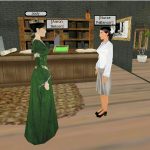
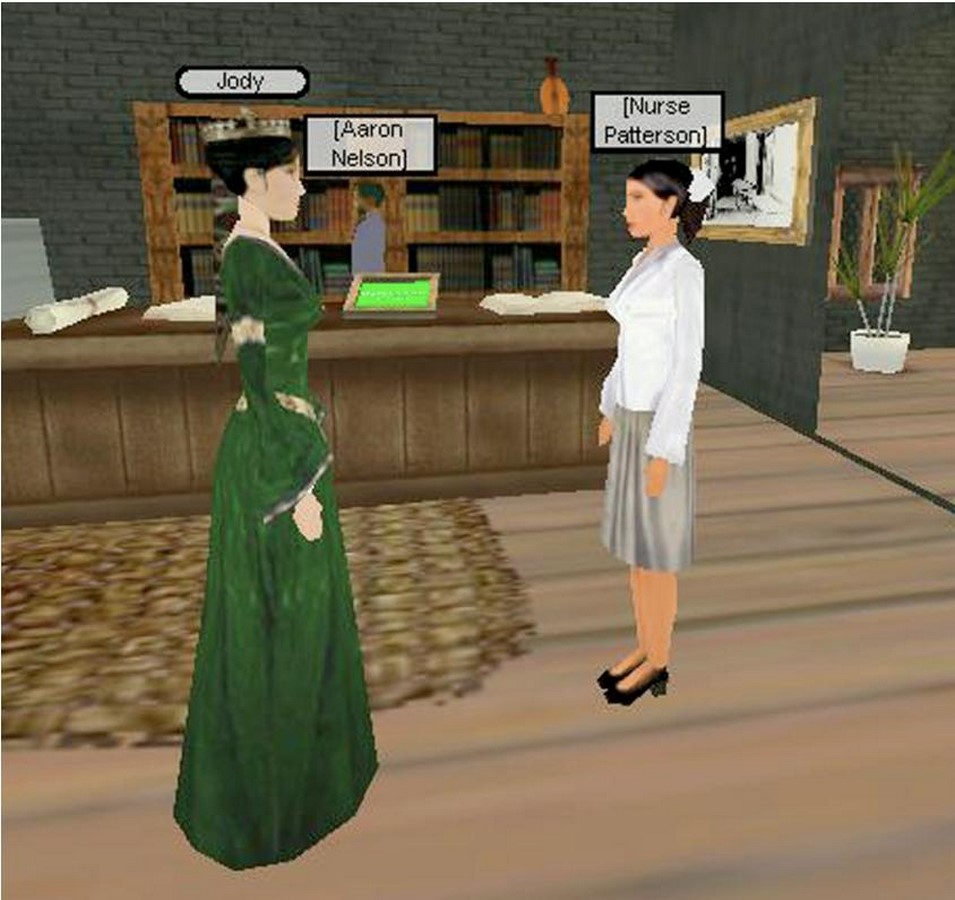
River City, a Multi-User Virtual Environment (MUVE) created to involve middle school children in scientific inquiry techniques, is a trailblazing real-world example. River City, created by researchers at Harvard’s MUVE Group, transports students to a village in the 1800s plagued with enigmatic diseases and environmental issues.
Curricular Design & Immersion
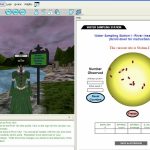
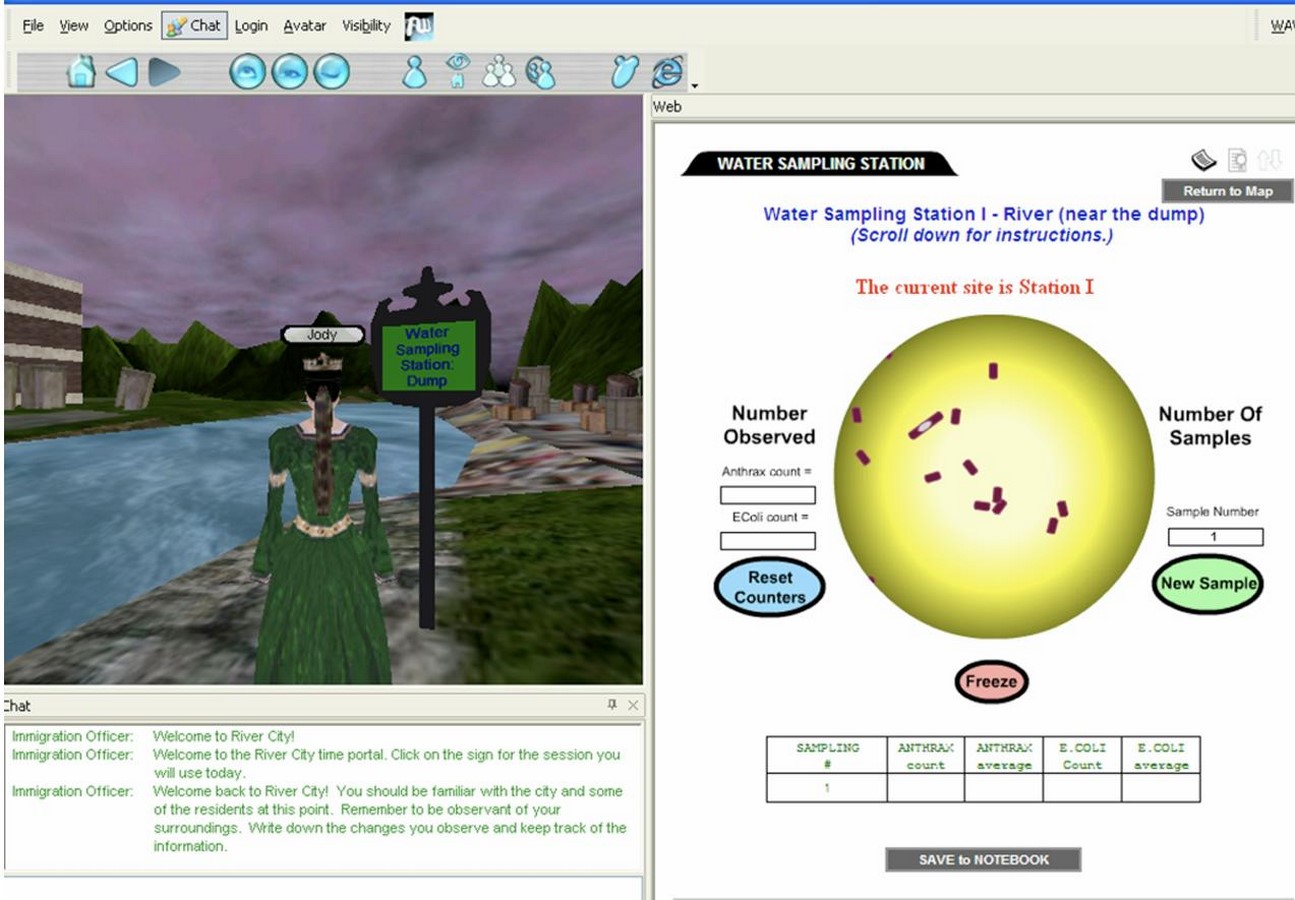
With a digital lab notebook in hand, students collaborate in groups of three and take on avatars. They mimic real-world scientific procedures described in the National Science Education Standards by gathering water samples, speaking with residents of virtual communities, and examining outbreak trends. Through in-world chat and shared visual “snapshots,” students may communicate and collaborate even when they are not in the same room.
Scaffolded Inquiry & Feedback
As they go, embedded scaffolds support students in formulating hypotheses, organizing experiments, and analyzing data. Instantaneous feedback in-game messages, like “Your contaminant levels exceed safe thresholds!” enable iterative learning cycles that mimic the painstaking process of real research.
Measured Outcomes
According to an exploratory study, River City participants’ self-efficacy in scientific inquiry was much higher than that of control groups that used conventional labs. In addition to gaining a deeper understanding of biology and ecology, students also showed increased drive and perseverance when dealing with challenging issues.
The River City instance demonstrates how collaborative virtual worlds, narrative immersion, and real-time feedback may turn passive learners into active investigators, demonstrating that game-based settings can produce quantifiable improvements in attitudes and abilities.
Empowering Student-Generated Games
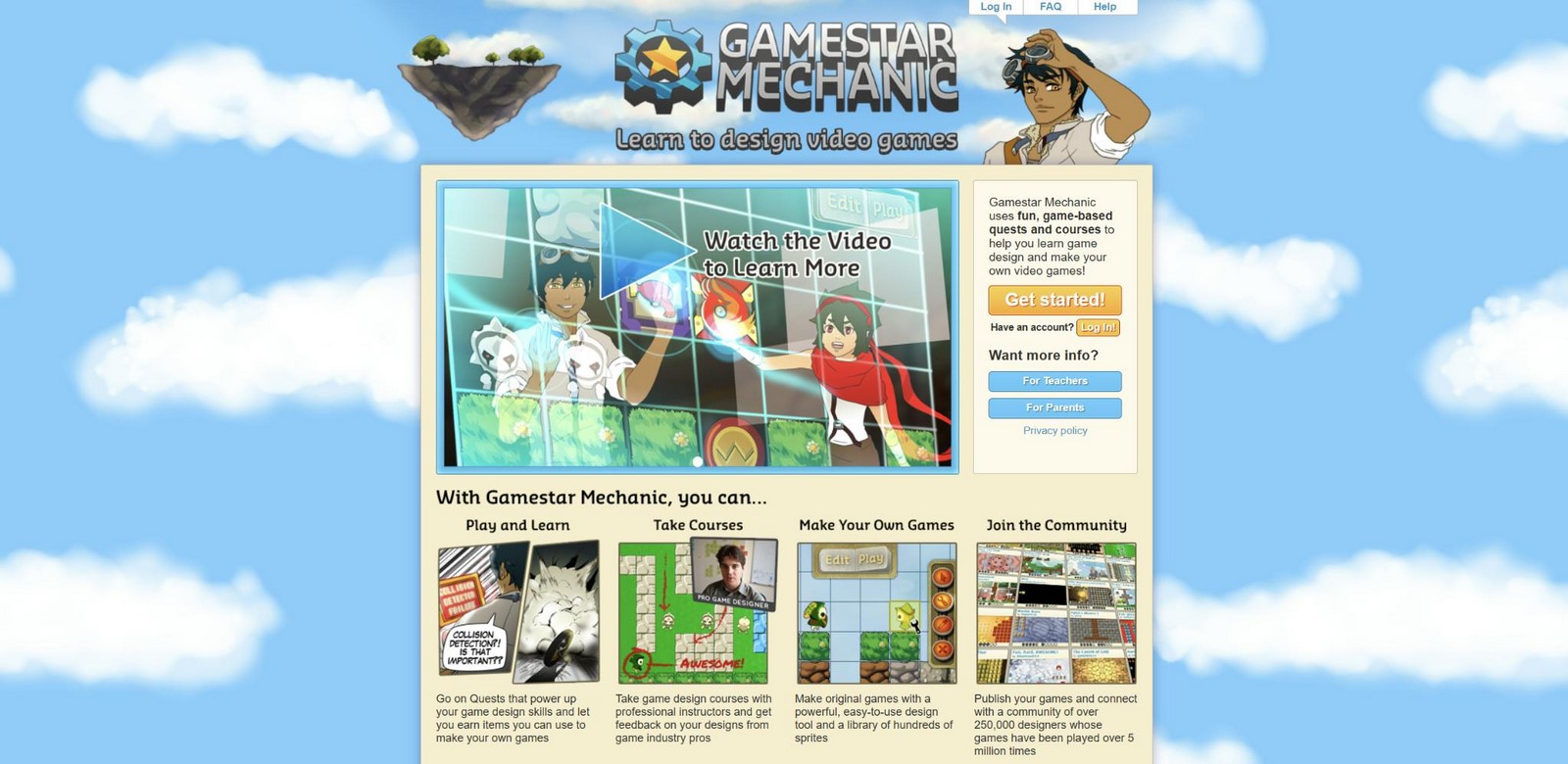
Maria Torres, an eighth-grade teacher at a middle school in Philadelphia, introduced her students to Gamestar Mechanic. This online platform allows users to create their own games in addition to playing existing ones. Over the course of a 10-week session, students fixed “broken” levels and made novel quests while learning important game-design concepts (goals, rules, and feedback loops).
Students were able to understand cause-and-effect relationships in a way that went well beyond typical lectures by experimenting with sprite behaviors and level triggers. The platform’s analytics helped aspiring designers refine their methods by highlighting the precise areas where players encountered difficulties. Students improved their communication and project-management skills by writing design documents, peer-reviewing classmates’ prototypes, and even pitching their final games in a school “Indie Showcase.”
What was the outcome? Teachers saw significant gains in narrative writing and group problem-solving skills in addition to a sharp increase in coding confidence, demonstrating that making games can have a greater educational impact than playing them.
Quest Atlantis
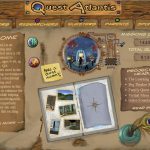
One of the most thoroughly researched game-based learning environments is Quest Atlantis, developed by Sasha Barab and colleagues at Arizona State University.
Curricular Integration: Quests are given by teachers in accordance with national and state requirements. In a water-quality quest, for instance, students test virtual river samples, evaluate the results, and suggest remediation strategies, all of which are representative of real-world scientific inquiry techniques.
Research Findings: In a cluster-randomized study with more than 500 kids, Quest Atlantis participants demonstrated greater interest and self-efficacy and did better on standardized scientific tests than control groups (effect size d≈0.5). Richer classroom discussions and closer ties between students’ online and offline problem-solving are also documented by qualitative investigations.
Key Features
- Students are given direction and continuity through quests that are set within a larger narrative about reviving a vanished civilization.
- In line with the scientific method, built-in prompts direct the creation of hypotheses, the gathering of evidence, and reflection.
- Peer learning and communication are promoted through team missions, shared journals, and in-world chat.
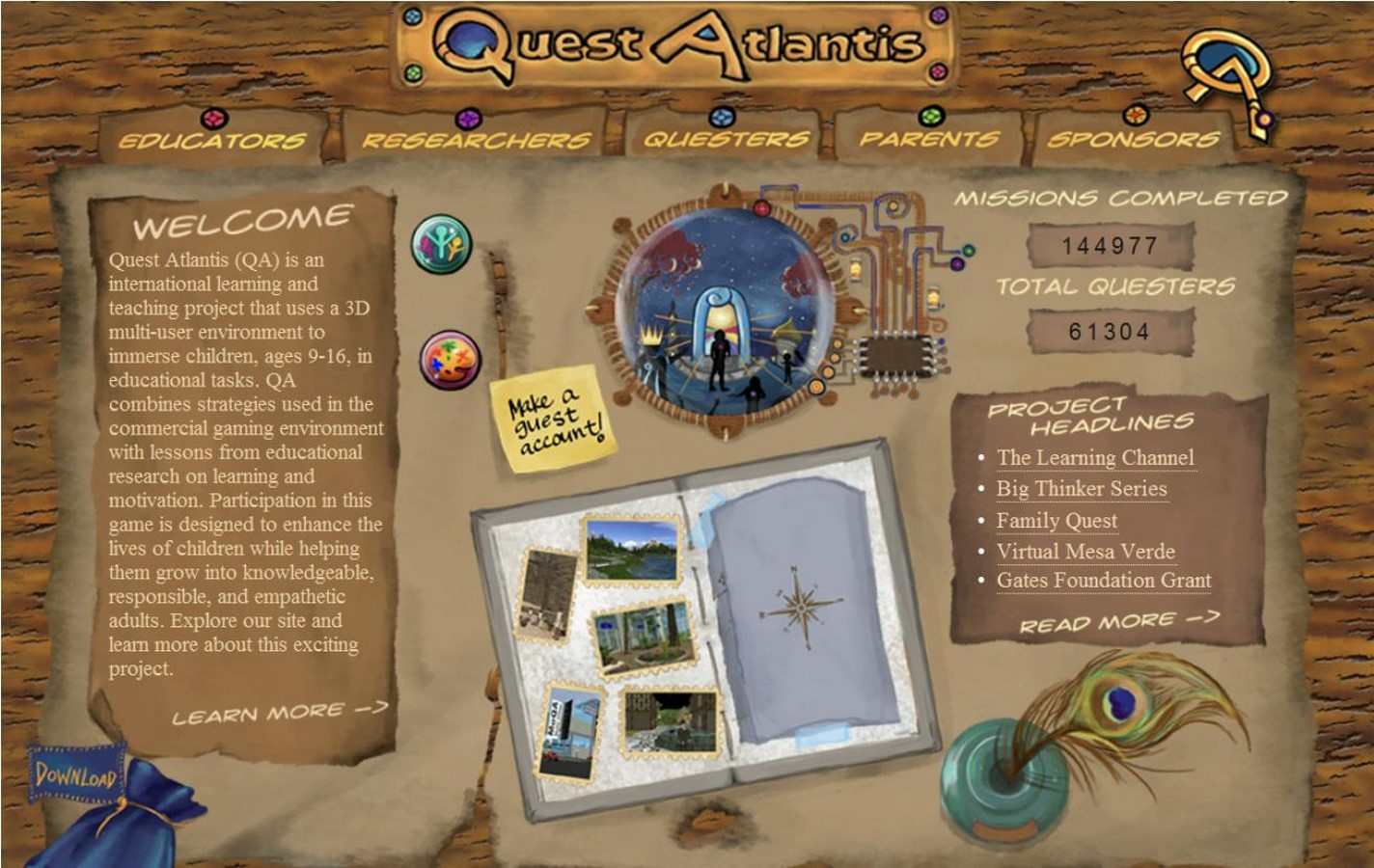
Teachers say that Quest Atlantis fosters 21st-century abilities that go well beyond mastery of a single subject, such as digital collaboration, critical thinking, and systems reasoning.
Micro-Credentials for Lifelong Learning
Motivation Booster: Since badges could be shared outside of school, visible badges on a class scoreboard encouraged healthy rivalry without stigmatizing lower achievers.
Transparency of Skills: Parents and counselors were able to see the precise competencies that each student had displayed, which helped with individualized instruction.
Lifelong Portfolios: Students started assembling badges into digital resumes, ready to demonstrate their practical skills to prospective employers and colleges, as they conformed to open-standard credentialing frameworks.
The field of gaming in pedagogy is broad, diverse, and full of possibilities thanks to student-driven design, multidisciplinary “playquests,” real-time statistics, and micro-credentials. These special sections demonstrate how games transform not just how we educate but also how students experience and take ownership of their learning when they transcend beyond being gimmicks and become tools for creation, collaboration, and certification.
References:
Barab, S. A., Thomas, M. K., Dodge, T., Carteaux, R., & Tuzun, H. (2005). Making learning fun: Quest Atlantis, a game without guns. Educational Technology Research and Development, 53(1), 86–107. https://doi.org/10.1007/BF02504859
Barab, S. A., & Squire, K. (2004). Design‐based research: Putting a stake in the ground. The Journal of the Learning Sciences, 13(1), 1–14.
Dede, C., Ketelhut, D., & Ruess, K. (2006). Designing for motivation and usability in a museum‐based multi‐user virtual environment. Retrieved from http://www.gse.harvard.edu/~dedech/muvees/documents/AELppr.pdf
LeCompte, K., Moore, B., & Blevins, B. (2011). The impact of iCivics on students’ core civic knowledge. Research in the Schools, 18(2), 57–73.
iCivics. (n.d.). iCivics: Games for civic learning. https://www.icivics.org
Quest Atlantis. (n.d.). Quest Atlantis project. http://QuestAtlantis.org