Chennai’s urban environment is shaped by recurring cycles of disturbance, including monsoon flooding, cyclones, extreme heat stress, water scarcity, coastal erosion, and large-scale displacement driven by infrastructure development. These overlapping environmental and socio-economic pressures repeatedly return vulnerable neighbourhoods to conditions of “ground zero,” demanding responses that extend beyond conventional emergency relief and reconstruction models. This paper examines post-crisis rebuilding in Chennai as a process of spatial reintegration, where architecture and urban design act as critical tools to restore livelihoods, rebuild community networks, and reconnect affected areas with the broader urban fabric.
The primary objective of this research is to evaluate how context-responsive design strategies and processes can embed long-term resilience, inclusivity, and adaptability within Chennai’s fragile urban systems. Using an analytical approach, the study examines selected flood-affected areas, resettlement housing for displaced populations, and informal settlements along waterways and coastal edges. These case studies are analysed through the lenses of participatory planning models, vernacular climate-responsive knowledge systems, and hybrid blue–green infrastructure frameworks that integrate sustainable materials, technologies, and resource management practices.
The research critically interrogates the gap between policy-driven, top-down redevelopment approaches and the lived spatial realities of affected communities, highlighting the socio-spatial consequences of displacement and standardisation of the built environment. By deriving place-based principles rooted in Chennai’s climate, ecology, and socio-cultural context, the study positions reconstruction from ground zero as an opportunity to transform vulnerability into an integrated, resilient, and future-ready urban condition.
Reframing Ground Zero within Contemporary Urban Discourse
Cities in the contemporary world have increasingly become environments characterized by recurring cycles of disruption rather than any sense of stability or permanence. For example, occurrences such as floods, cyclones, heatwaves, environmental degradation, displacement, among others, tend not to occur in isolation but in cumulative patterns that reveal the depth of structural problems in urban environments—problems that necessitate architecture and urban design to address the need for rapid reconstruction with high degrees of efficiency, speed, and output quantification.
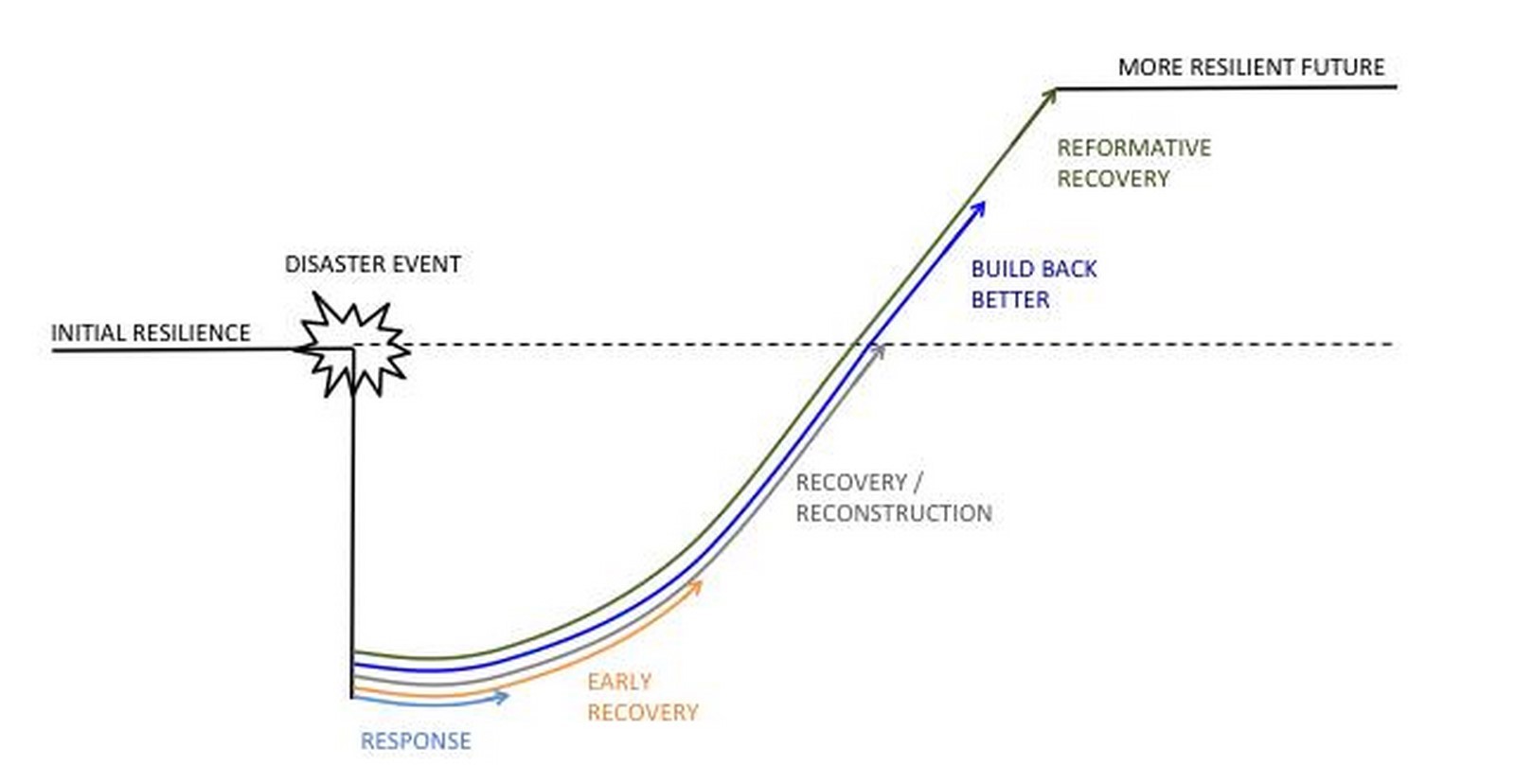
Yet, ground zero should not be taken in its sense of destruction or negation. It needs to be seen as an important point where spatial, social, and ecological systems are made visible, debatable, and vulnerable to transformation. This article looks at ground zero from the perspective of its generative potential as an occasion to reflect upon the manner in which cities are rebuilt in terms of settlement, livelihood, and communities. It emphasizes the possibility to create a discourse of reintegration rather than replacement in the attempt to rebuild cities.
Ground Zero as a Repeating Urban Condition
The conventional understanding of ground zero relates to rare and catastrophic crises. This contrasts with the context of rapidly urbanising environments, in which ground zero has become a prevalent phenomenon that is located in the midst of daily urbanism. Informal settlements regularly confront crises in waterways, coastal areas, and corridors. They face various aspects of the environment. This normally occurs in cycles, from which the areas recover, but in ways that do not resolve the root causes.
Such repetition leads to a chronic situation of instability, as communities are always rebuilding but never really succeed in building a secure future. Housing is made secure or moved, yet life is always insecure; infrastructure is made better, yet there is a fragmentation of social networks. Seeing Ground Zero as a systemic situation rather than as the exception changes the role of architecture from solving problems to intervening strategically.
Limitations of Conventional Reconstruction Approaches
In most instances, reconstruction in the aftermath of a crisis is overseen by a series of rigid top-down policy guidelines with a focus on rapidity, standardisation, and cost-effectiveness. On one hand, such measures prove effective in producing a sizable quantity of housing and infrastructure in a brief span. On the other hand, they appear to be oblivious to the regional climate, culture, and ways of living. They may be effective in quantitative terms in producing standardised forms of housing but ignore real-life spatial experiences.
For instance, relocation-driven redevelopment processes often segregate communities from employment networks, social supporting structures, and ecological systems. In such cases, the city looks like it has been rebuilt, yet the social systems that sustain recovery are actually impaired. Such an experience underlines the limitation in current models of reconstruction that underscore the need for design strategies that stress reintegration rather than relocation.
Architecture as a Tool for Urban Reintegration
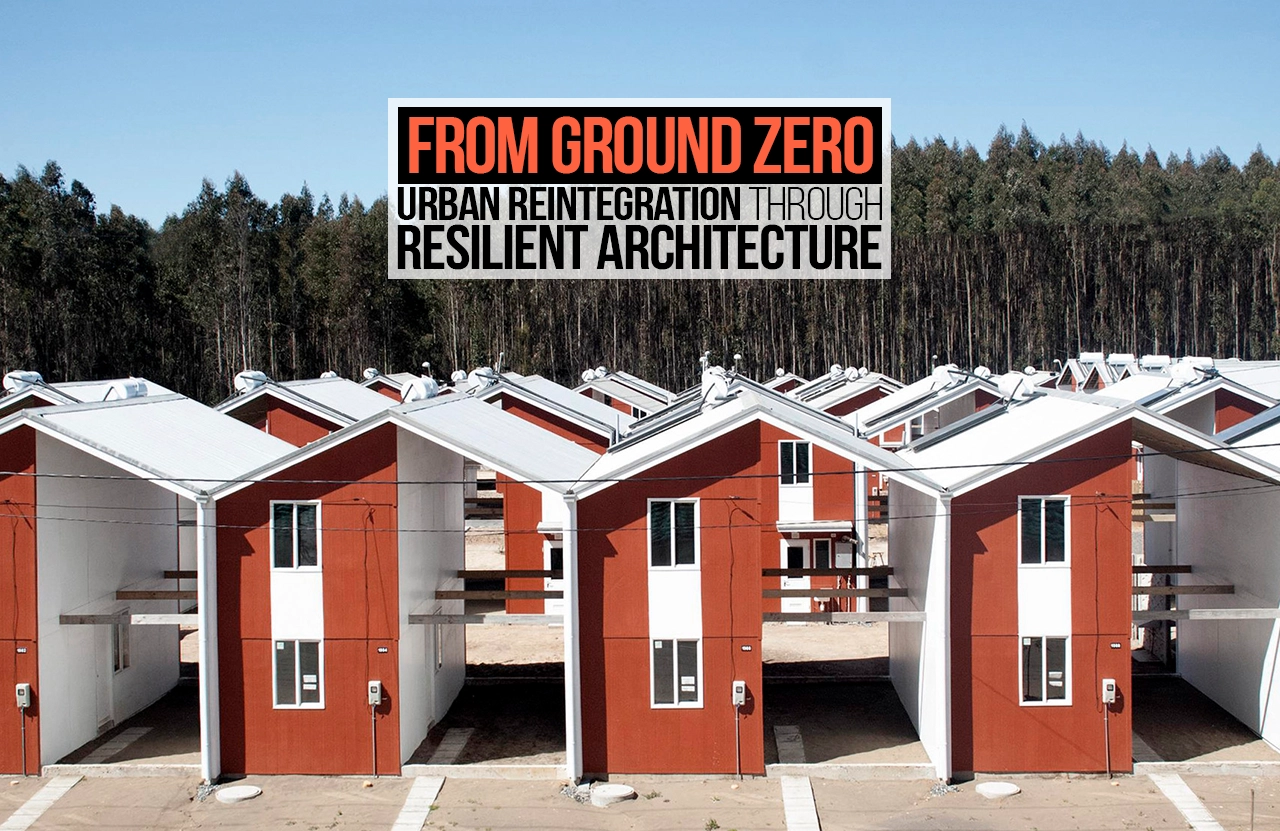
This involves different levels of spatial, social, and economic scales, with architecture in particular being critical to mediating different levels. Architecture can be seen as providing settlement options of a dynamic nature, with different levels of housing, infrastructure, and space being integrated with each other as a whole.
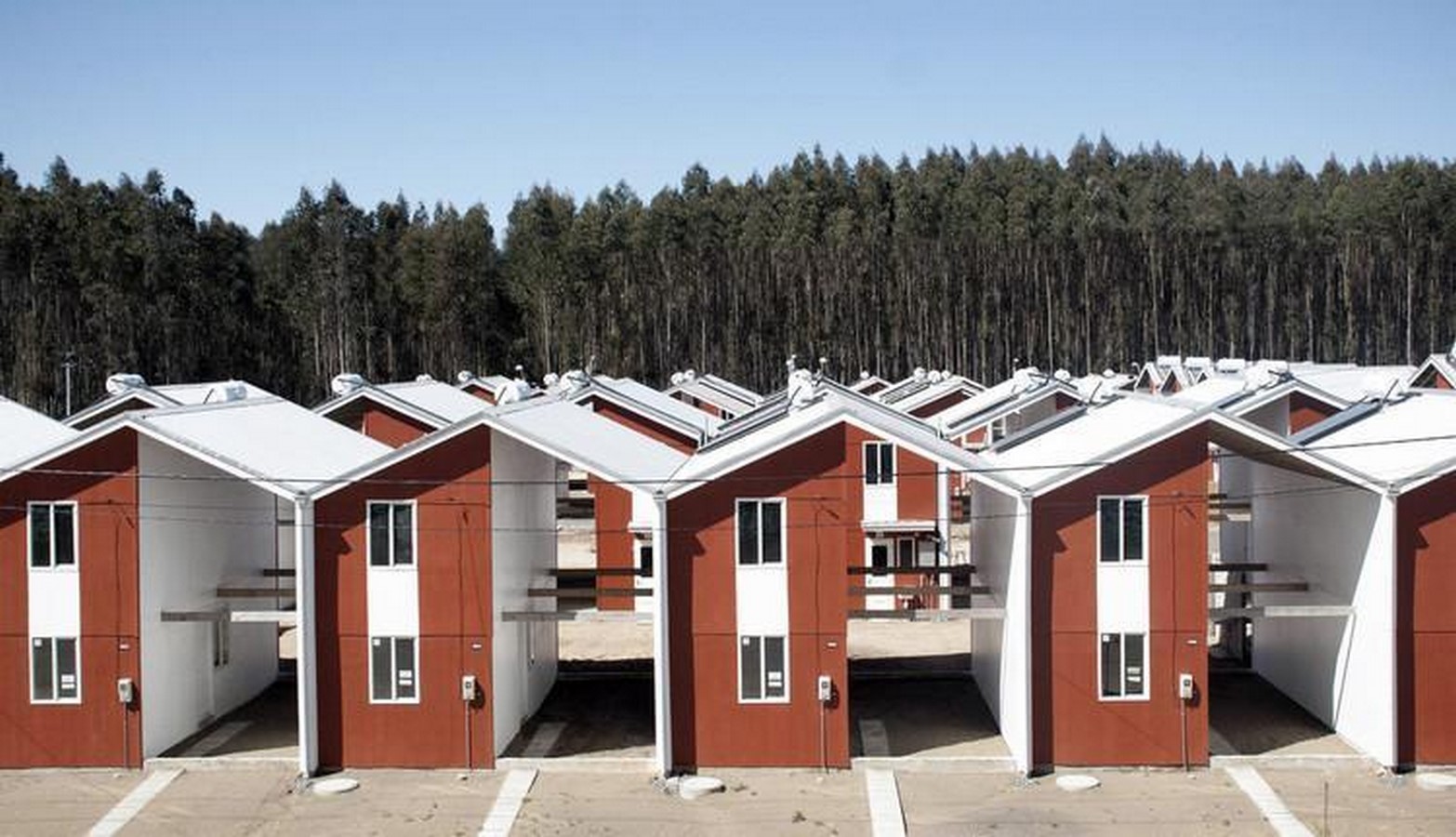
Participatory planning is critical to the concept. Communities that are impacted by the damage will be involved as active contributors to the designs, leading to more responsive designs that are context-driven. Incremental housing models, flexible internal spaces, and mixed-use models are examples that will allow the communities to be able to adapt the spaces to their needs, BALBAS, supporting life and earning a living as they rebuild their lives and homes.
Design Experiments in Resilience and Adaptation
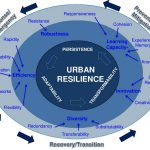
Resilience in architecture is more currently conceived as the ability for adaptation rather than resistance to change. In vernacular or traditional building practices, there can be seen long-standing intelligences with regards to adapting to climatic conditions, scarcity of resources, or the uncertainty of the environment. Passive coolings, plinths, shaded thresholds, or permeable landscapes show negotiations of risks in architectural design.
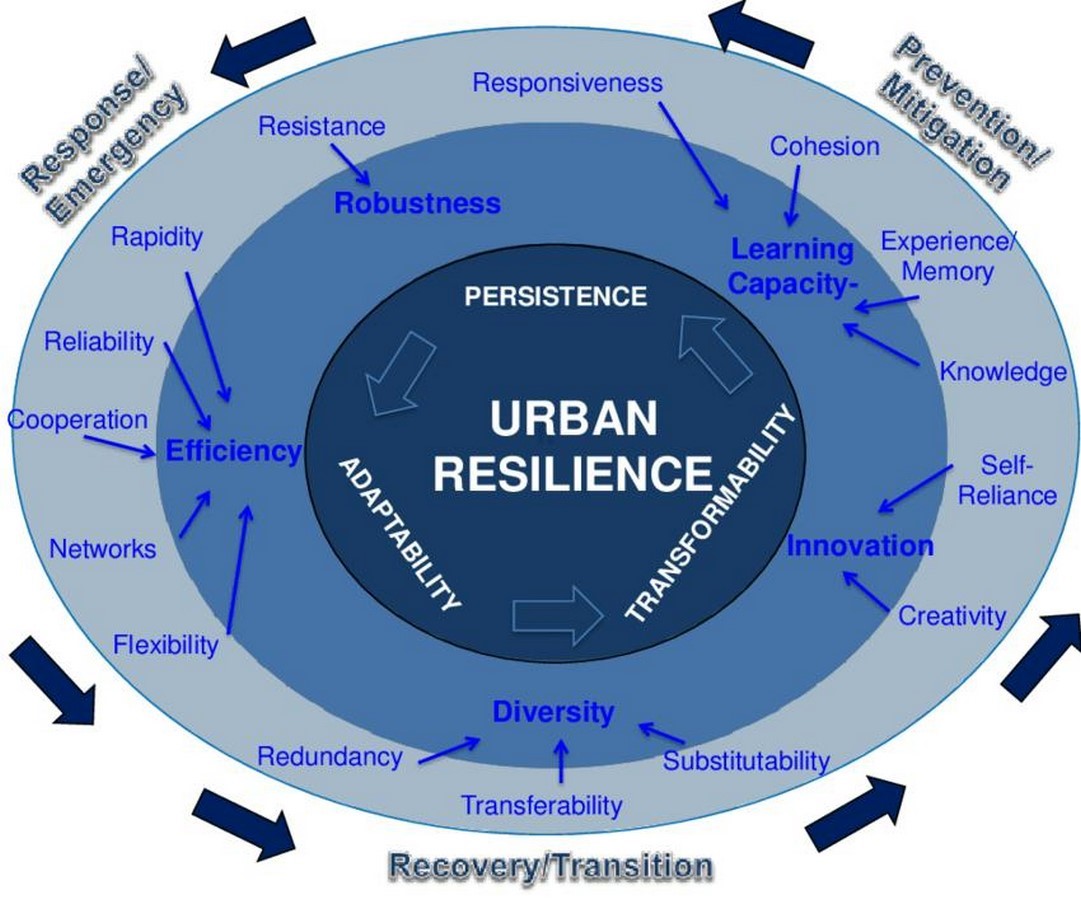
However, modern design practice can reinvent these ideas through a hybrid system of blue-green infrastructure, landscape, and built form. Water-sensitive urban design, flood-adaptive road sections, and multifunctional open spaces convert environmental risks to essential urban form generators. In this context, landscape becomes urban infrastructure, and buildings are infrastructure for ecological systems. At the same time, this type of urban design improves ecological performance and builds social contact and community cohesion.
From Vulnerable to Secure: A Re-emerging Urban Narrative
Thus, this journey from Ground Zero to resilient cities involves a shift in the way one tells a story. This is because vulnerability is one condition that is spatial in nature, driven by issues such as planning, exposure to the environment, and inequality. Inclusive designing is one framework that ensures diversity in wealth, occupation, and practices.
Security, in this sense, is neither guaranteed through isolation nor achieved through uniformity, but through integration and adaptability. This is exactly how architecture functions: through the design process, architecture seeks to build the ability to endure disturbance without systemic failure, making the rebuilding of ground zero an exercise in integration, not merely a solution for a period of crisis.